

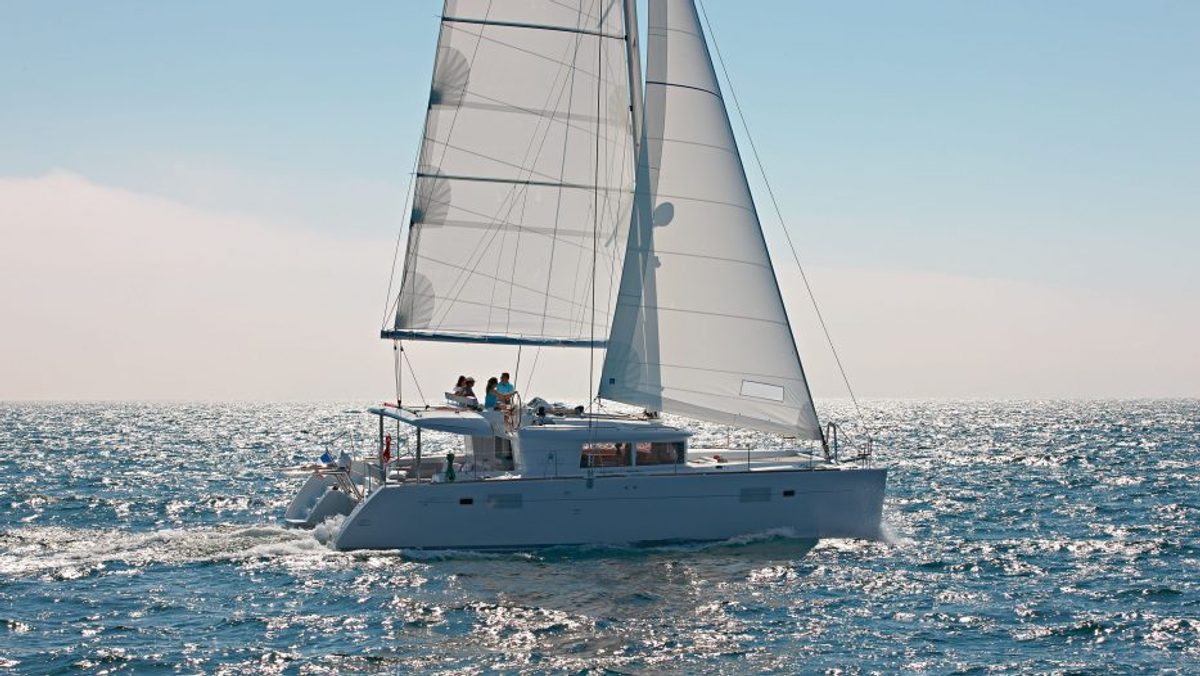
A sailing regatta transforms competitive racing into team building, where communication and coordination determine success. Corporate participants work alongside professional captains to manage sails, steer courses, and compete against other vessels in controlled racing environments.
First-time sailors discover that regattas require minimal prior experience but maximum willingness to learn. Competitive sailing creates natural opportunities for leadership development, problem-solving under pressure, and building workplace relationships through shared physical challenges.
A sailing regatta is a competitive race involving multiple sailboats that tests crew coordination and sailing skills. Corporate regattas combine structured competition with professional instruction, creating measurable team-building outcomes through shared physical and mental challenges.
Participation delivers benefits beyond traditional team-building activities. The mix of skill development, competition, and outdoor adventure appeals to employees who value both problem solving and relationship building.
Corporate regattas feature competitive races with 2 to 10 sailboats racing on marked courses under timed conditions. Each vessel operates under a US Coast Guard-certified captain who ensures safety while allowing participants to handle primary sailing responsibilities, including trimming sails, grinding winches, and steering.
Safety protocols form the foundation of every corporate sailing event. Pre-race briefings cover emergency procedures, man-overboard protocols, and communication systems, while captains maintain final authority over all vessel operations and weather-related decisions.
A racing crew divides work across four core positions, each with a clear job that keeps the boat fast and coordinated.
| Crew Role | Primary Responsibility |
| Helmsman | Steers the vessel and holds the course while responding to tactical calls. |
| Trimmers | Adjust sail angles to capture wind efficiently. |
| Grinders | Operate the winches that control sail tension. |
| Tactician | Reads wind shifts and competitor positions to guide race strategy. |
Each role requires coordination across the entire crew. The interdependence of positions mirrors workplace dynamics where individual contributions combine to achieve collective goals, making corporate regattas explained particularly effective for demonstrating organizational principles.
Regattas address several employee priorities at once by combining competitive challenge with relationship building. Most employees value fun outings and many favor competitive elements, so the format satisfies diverse group preferences.
The physical demands create shared experiences that build camaraderie. Problem solving under changing wind requires clear communication and quick adaptation, skills that carry over to workplace challenges.
Sailing participants represent educated professionals with household incomes supporting discretionary spending on premium experiences. Demographics show 74% hold bachelor's degrees or higher, while 43% report household incomes exceeding $100,000 annually, indicating strong alignment with corporate decision-maker audiences.
Age distribution spans multiple generations, with 51% of participants between 25 and 54. Core sailors skew older, but corporate events attract first-time sailors across all professional age ranges.
Income data reinforces the premium positioning of sailing events within corporate budgets. The concentration of participants earning above $100,000 annually demonstrates that sailing regatta Newport Beach events appeal to companies investing in quality experiences that deliver memorable engagement for valued team members.
Prior sailing experience proves unnecessary since professional captains provide instruction matched to novice crews. The structure accommodates beginners while offering enough complexity to engage participants with some sailing background, creating inclusive events where everyone contributes regardless of skill level.
Frequent sailors bring different expectations than corporate first-timers. Recognizing this helps planners set goals, since corporate regattas prioritize group dynamics and engagement over technical proficiency or competitive outcomes.
The East Coast dominates sailing participation with 42% of activity concentrated in established maritime hubs. West Coast locations, including Southern California, represent 20% of participation, while the Great Lakes and Gulf regions contribute 15% and 10%, respectively.
Seasonal weather patterns significantly impact regional event planning. East Coast venues face winter limitations restricting year-round scheduling, while West Coast destinations benefit from consistent weather enabling flexible timing for Newport Beach sailing competitions throughout the calendar year.
Vessel selection shapes participant experience, safety, and logistics. Monohulls and catamarans are the two primary categories, each with distinct advantages that suit different group priorities.
Monohulls feature a single hull with a heavy keel that provides stability through ballast weight. These traditional sailboats heel significantly under sail, creating the classic leaning sensation that defines authentic racing experiences and remains standard for competitive regattas where maneuverability and performance matter most.
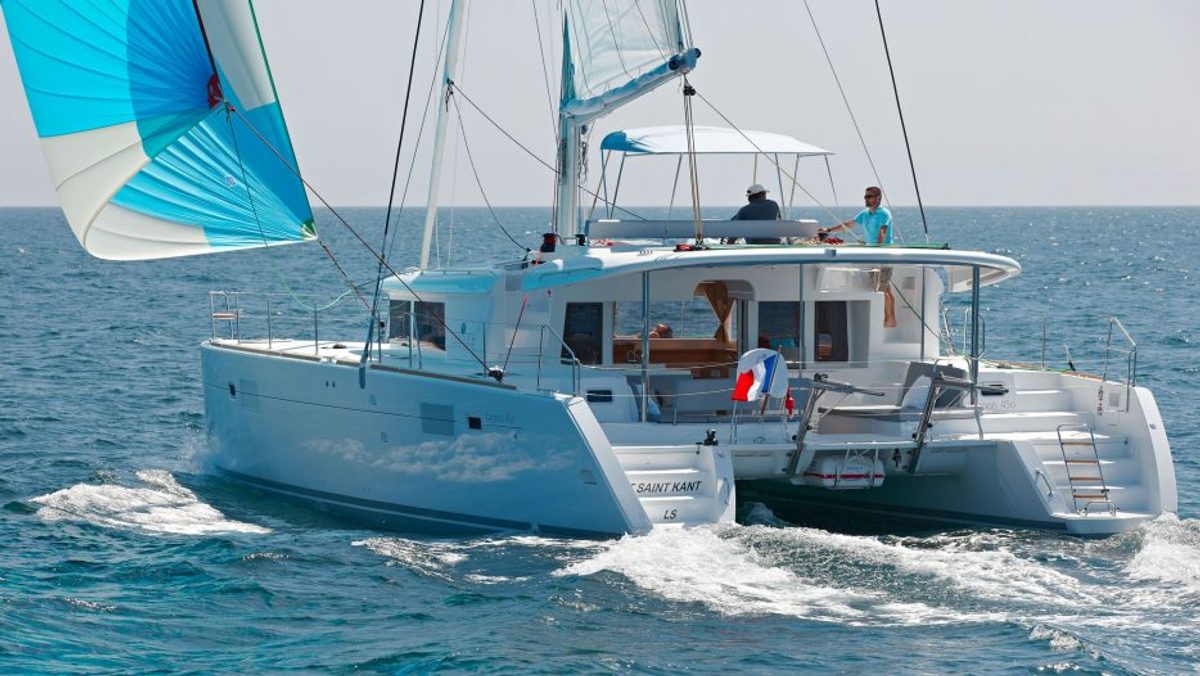
Catamarans utilize two parallel hulls connected by a deck structure that delivers exceptional stability with minimal heeling. The stable platform reduces seasickness risks and provides expansive deck space, though catamaran vs monohull considerations include higher charter costs and less traditional racing characteristics.
| Consideration | Monohull | Catamaran |
| Stability | Heels under sail, more motion | Level platform, minimal heeling |
| Seasickness risk | Higher for sensitive guests | Lower, steadier ride |
| Racing feel | Traditional and responsive | Stable, less classic racing |
| Deck space | Compact cockpit | Wide deck and larger salon |
| Group fit | Tight-knit, hands-on crews | Larger, mixed-ability groups |
Monohull heeling creates dynamic environments that novice sailors may find uncomfortable. The constant angle requires crew members to brace themselves and maintain balance while performing tasks, adding physical demands that some participants find challenging during their first regatta experience.
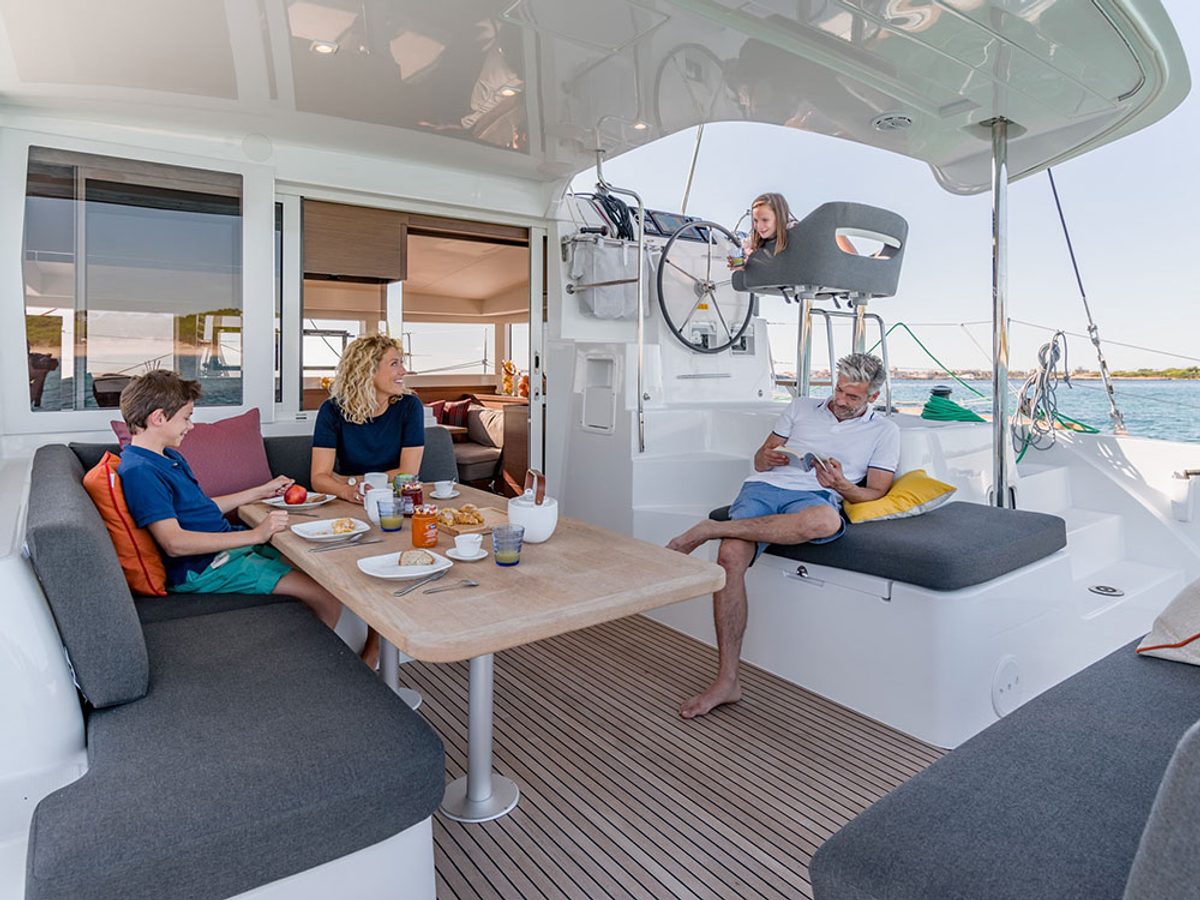
Catamarans offer significantly more deck space and larger salons that accommodate socializing and dining better than monohulls. The stable, level platform proves ideal for participants concerned about seasickness or physical limitations, making boats for guests prone to seasickness particularly important for inclusive corporate events.
Monohulls concentrate crew members in smaller cockpit spaces that intensify communication and coordination requirements. The compact environment forces closer proximity and more frequent verbal exchanges, naturally building connections through shared workspace and collaborative sailing tasks.
Safety protocols and comfort determine whether participants feel secure enough to engage fully. Professional oversight, equipment standards, and risk management create controlled settings where first-time sailors can focus on learning and team dynamics.
Physical and mental comfort directly affect participant satisfaction. Addressing concerns about heeling, weather, and seasickness lets planners set realistic expectations and pick the right vessel for diverse crew abilities.
US Coast Guard-certified captains maintain ultimate authority over all safety decisions and vessel operations. Required safety equipment includes properly fitted life jackets for all participants, man-overboard recovery systems, emergency communication devices, and first aid supplies that meet or exceed regulatory standards.
Pre-race safety briefings cover essential procedures including life jacket usage, emergency protocols, and proper movement about the vessel. Captains assess weather conditions continuously and hold authority to modify courses, postpone starts, or return to harbor when conditions exceed safe parameters.
Seasickness prevention begins with proper vessel selection matched to participant susceptibility and expected sea conditions. Catamaran stability significantly reduces motion that triggers seasickness, though even monohull racing occurs in protected bays where wave action remains moderate.
Practical strategies include encouraging participants to maintain horizon focus, stay in fresh air on deck, and avoid reading or screen time during sailing. Captains can adjust course angles to minimize uncomfortable motion, and tips to prevent and manage seasickness help planners prepare participants with medication options before boarding.
Heeling occurs when monohulls lean under sail pressure, creating angled deck surfaces requiring balance and core strength. First-time sailors should expect to brace themselves against this motion while performing tasks, though physical demands remain manageable for most fitness levels and captains adjust sail plans when conditions prove too demanding.
Competitive racing introduces mental pressure as crews work to outperform other vessels. This dynamic appeals to the 65% of participants who favor competitive elements, though planners should recognize that some team members prefer collaborative over competitive activities and may find race pressure uncomfortable.
Corporate sailing events follow structured schedules that balance racing with instruction, social time, and hospitality. A typical flow moves from dockside orientation to skills training, one or more races, and a post-event gathering.
Event duration and package inclusions vary based on budget and objectives. Mid-range packages costing $150-$250 per person deliver 3-4-hour experiences with professional captains, basic catering, and sufficient racing time to create meaningful competition while respecting time constraints.
Events begin with dockside check-in, where captains conduct safety briefings and assign initial crew positions before departure. The first hour typically includes instruction and practice maneuvers that familiarize crews with boat handling before transitioning to competitive racing.
Racing segments involve two to four timed runs on marked courses with finishing positions recorded for each heat. Between races, crews rotate positions to give multiple participants experience in different roles, while captains provide coaching and strategic feedback that improve performance throughout the event.
Successful events emphasize participation and skill development over pure winning outcomes to maintain inclusive environments. Captains frame competition as a learning tool, encouraging crews to focus on improvement and teamwork rather than defeating opponents at all costs.
Structured rotation of crew positions ensures all participants gain varied experiences and no one feels relegated to observer status. This approach addresses preferences of employees who favor laid-back options, creating balanced experiences where competitive elements enhance rather than dominate overall team-building objectives.
Racing creates natural leadership opportunities as individuals step forward to coordinate crew actions and make tactical decisions. The visibility of individual contributions and immediate feedback of racing outcomes help teams identify previously unrecognized strengths and communication patterns affecting workplace performance.
Shared physical challenges and problem-solving under time pressure accelerate relationship building beyond typical office interactions. The unique environment forces colleagues to rely on each other in unfamiliar situations, breaking down hierarchical barriers and creating peer connections that carry forward into professional settings.
Weather variability represents the primary unpredictable factor affecting sailing events despite careful planning and seasonal timing. Wind conditions determine racing quality, with too little wind creating boring conditions and excessive wind forcing course modifications or postponements to maintain safety margins.
Preparation enhances confidence and reduces anxiety for first-time sailors concerned about physical demands or unfamiliar marine environments. Basic research into sailing terminology, understanding what to wear, and managing expectations about heeling and weather exposure help participants arrive mentally ready to engage fully.
Wind speed directly affects sailing intensity, with ideal regatta conditions ranging from 8-15 knots that provide exciting racing without overwhelming novice crews. Light winds below 8 knots result in slow, frustrating races where boats drift more than sail, while winds exceeding 18 knots create physical demands and heeling angles unsuitable for first-time participants.
Temperature, sun exposure, and potential rain require appropriate clothing choices that balance warmth with moisture protection. West Coast venues benefit from more predictable weather patterns than East Coast locations, though all sailing events carry inherent weather uncertainty necessitating backup dates or alternative activities.
No prerequisite sailing skills are required since professional captains provide all necessary instruction. However, understanding basic nautical terms like port, starboard, bow, stern, and points of sail helps participants process instructions more quickly and feel more confident during their first regatta experience.
Physical preparation should focus on core strength and balance rather than specialized sailing fitness. Comfortable movement on angled surfaces and upper body strength sufficient to operate winches cover the physical requirements, with captains adjusting task assignments to match individual capabilities.
Sailing instruction emphasizes hands-on learning with progressive skill development that builds competence through repeated practice. Captains break complex maneuvers into simple steps and provide immediate feedback, allowing participants to see improvement across multiple race heats during a single event.
Asking questions and communicating uncertainty help captains provide targeted support. The collaborative environment rewards openness about experience levels, as effective crew performance depends on clear communication about comfort zones and understanding of assigned responsibilities.
Corporate team building activities occupy an $11.8 billion market globally in 2024 with projected growth reaching $31.3 billion by 2035. This 9.1% CAGR reflects increasing recognition that employee engagement and relationship building deliver measurable returns through improved retention, productivity, and organizational culture.
Sailing events occupy a premium segment within this market by offering unique environments that combine physical activity, skill acquisition, and competitive challenge. The experiential nature creates stronger memory formation and emotional connections compared to conference room exercises, justifying higher per-person costs through enhanced impact.
Survey data shows most employees prioritize relationship building in team activities, matching the share who value fun outings. Social connection remains the primary driver, so activities work well when they provide enjoyable contexts for interaction.
Most employees rate problem solving and skill building highly when it is built into engaging activities, which shows learning should not feel like classroom training. Sail racing tips for beginners land through active participation that holds attention.
Cost of goods and services ranks as the primary concern for event planners at 4.37 out of 5 on concern scales. Budget constraints score nearly as high as 4.15, reflecting tension between financial limitations and pressure to deliver memorable experiences that justify investment.
The 97% of planners willing to switch from preferred venues based on cost must be balanced against the 94% willing to pay premiums for higher quality. This apparent contradiction resolves when understanding that planners seek optimal value rather than the lowest price, making transparent pricing and clear differentiation essential.
Sailing removes teams from the office and puts them where traditional hierarchies and expertise become temporarily irrelevant. Shared novice status creates psychological safety that encourages risk-taking, vulnerability, and authentic interaction that is hard to reach at work.
The physical and environmental challenges inherent in sailing create genuine shared adversity that accelerates bonding. Unlike artificial team challenges in controlled indoor environments, wind, waves, and competition provide real external pressures that forge authentic cooperation and reveal leadership capabilities.
First-time regatta participants should anticipate a structured yet dynamic experience combining instruction, competition, and team interaction. The event requires moderate physical engagement, willingness to follow the captain's instructions, and openness to learning new skills in unfamiliar marine environments where conditions change continuously.
Success depends more on attitude and communication than on sailing expertise or athletic ability. Understanding regatta rules newport beach venues follow regarding right-of-way, course navigation, and safety protocols helps participants feel confident, though captains provide all necessary guidance to ensure compliance.
Corporate teams benefit most when they approach regattas as learning experiences rather than high-stakes competitions. The team-building value emerges through the process of working together, adapting to challenges, and supporting each other rather than solely from winning races, making participation and effort more important than final standings.
Newport Beach Sailing Charters offers team-building regattas and corporate regattas in Newport Beach that combine professional instruction with competitive racing formats. The diverse fleet accommodates different experience levels and group sizes while maintaining a focus on relationship building and skill development that extends beyond the water.
Newport Beach Sailing Charters & Yacht Rentals runs private corporate regattas out of Balboa Marina with US Coast Guard-certified captains and a fleet that fits both hands-on crews and mixed-ability groups. You get private charters with no shared decks, no booking fees, and a lowest-rate guarantee when you book direct. Our team helps you match the vessel, crew size, and race format to your group before you ever leave the dock.
Call (800) 609-3203 to talk through dates and group size, or request a quote, and our specialists will send pricing and availability for your first regatta.
Mid-range corporate regatta packages run about $150 to $250 per person for a 3- to 4-hour event. That range usually covers a certified captain, on-water instruction, and basic catering. Final pricing depends on group size, vessel type, and season, so a direct quote gives you the most accurate figure for your date.
No prior sailing experience is needed for a corporate regatta. Professional captains handle safety and give hands-on instruction tuned to first-time crews. Most participants pick up the core roles within the first practice runs, and captains assign tasks based on comfort level so everyone can take part.
Wear non-marking, closed-toe shoes with grip and layers you can add or remove as the wind shifts. Bring sunglasses with a strap, sunscreen, and a light waterproof jacket in case of spray. Avoid loose items that can catch on rigging, and skip anything you would be upset to get wet.
Most corporate regattas last 3 to 4 hours from dockside check-in to the final race. That window includes a safety briefing, a short practice session, two to four timed races, and time between heats to rotate crew positions. Some groups add a post-race gathering to review results and reconnect.
Monohulls heel under sail and give the classic, responsive racing feel that many crews want. Catamarans stay level, which reduces seasickness risk and suits mixed-ability or larger groups. For a first regatta, the right choice comes down to how much motion your group is comfortable with and whether racing authenticity or stability matters more.