

Key Takeaways:
Newport Beach charter selection starts with one fundamental decision: catamaran or monohull. Each vessel type delivers distinct advantages that align with different charter goals, group dynamics, and comfort priorities. Understanding these differences ensures you book the right vessel for your specific needs rather than defaulting to assumptions about which option performs better.
This guide clarifies the practical differences between catamarans and monohulls for Newport Beach charters. The comparison focuses on stability, space, performance, and cost considerations that directly impact your charter experience. Whether planning a family outing, romantic sunset cruise, or corporate event, the vessel choice significantly influences guest comfort, activity options, and overall satisfaction.
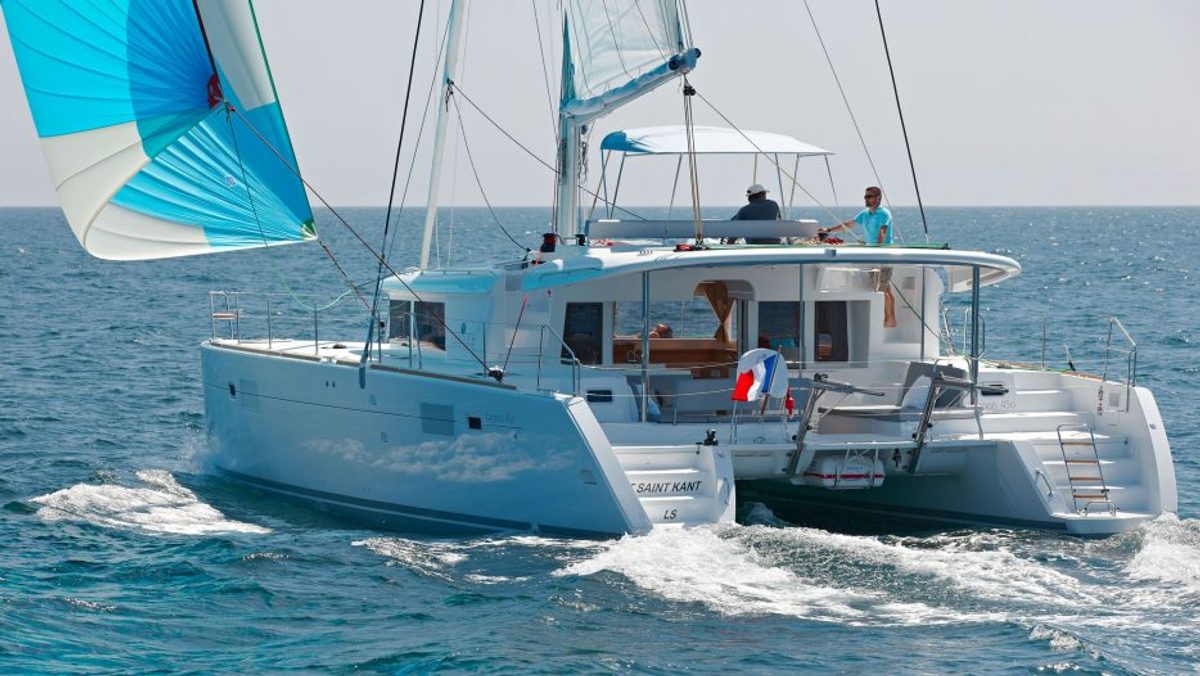
Catamarans feature two slender hulls joined by a deck, creating a wide, stable platform fundamentally different from traditional single-hull designs. This dual-hull configuration generates stability through wide beam and buoyancy rather than ballast weight, resulting in vessels that remain level rather than heeling during sailing.
Newport Beach charter operators highly recommend catamarans for their inherent stability and ample space. The design enhances popular local activities including whale watching, snorkeling, diving, and sunset cruises where stability and deck space matter significantly. Newport Beach offers bareboat, crewed charter, and luxury catamaran options. Booking in advance is advisable during peak seasons when demand increases. Professional captain expertise proves valuable for navigating local waters and discovering hidden gems inaccessible to less experienced sailors.
The dual-hull design delivers superior stability compared to traditional keeled vessels. Wide beam and buoyancy-based stability significantly reduce rolling and pitching motions that commonly affect monohulls. This reduced motion minimizes seasickness and crew fatigue while making on-deck activities and sail handling safer and easier.
The stability advantage proves particularly beneficial for guests prone to seasickness or those unfamiliar with boat motion. Catamarans rate 9/10 for stability in comparative analysis, making them ideal for comfort-focused charters with larger groups. The stable platform remains consistent both underway and at anchor, allowing guests to move freely without the balance challenges that plague heeling vessels.
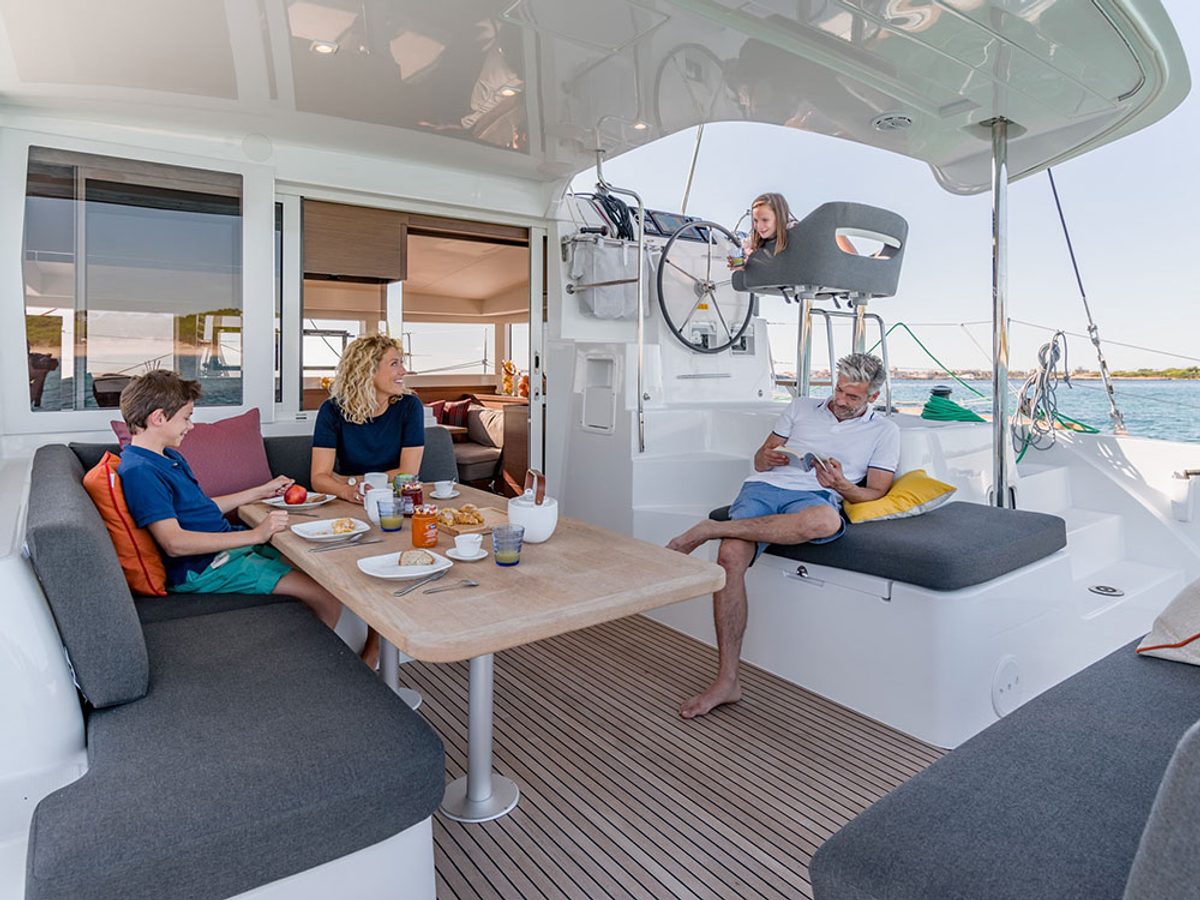
Catamarans provide substantially more interior and exterior living space compared to monohulls of similar length. Larger cockpits and expansive deck areas accommodate social gatherings, dining, and entertainment activities impossible on cramped monohull decks. Multiple private cabins with en-suite facilities distributed across the two hulls enhance privacy for guests.
The space advantage makes catamarans particularly suitable for larger groups, families, or extended charters where livability matters. Our fleet showcases how catamarans rate 10/10 for deck space and 9/10 for interior comfort, delivering accommodations that transform charter experiences from functional transportation to floating vacation platforms.
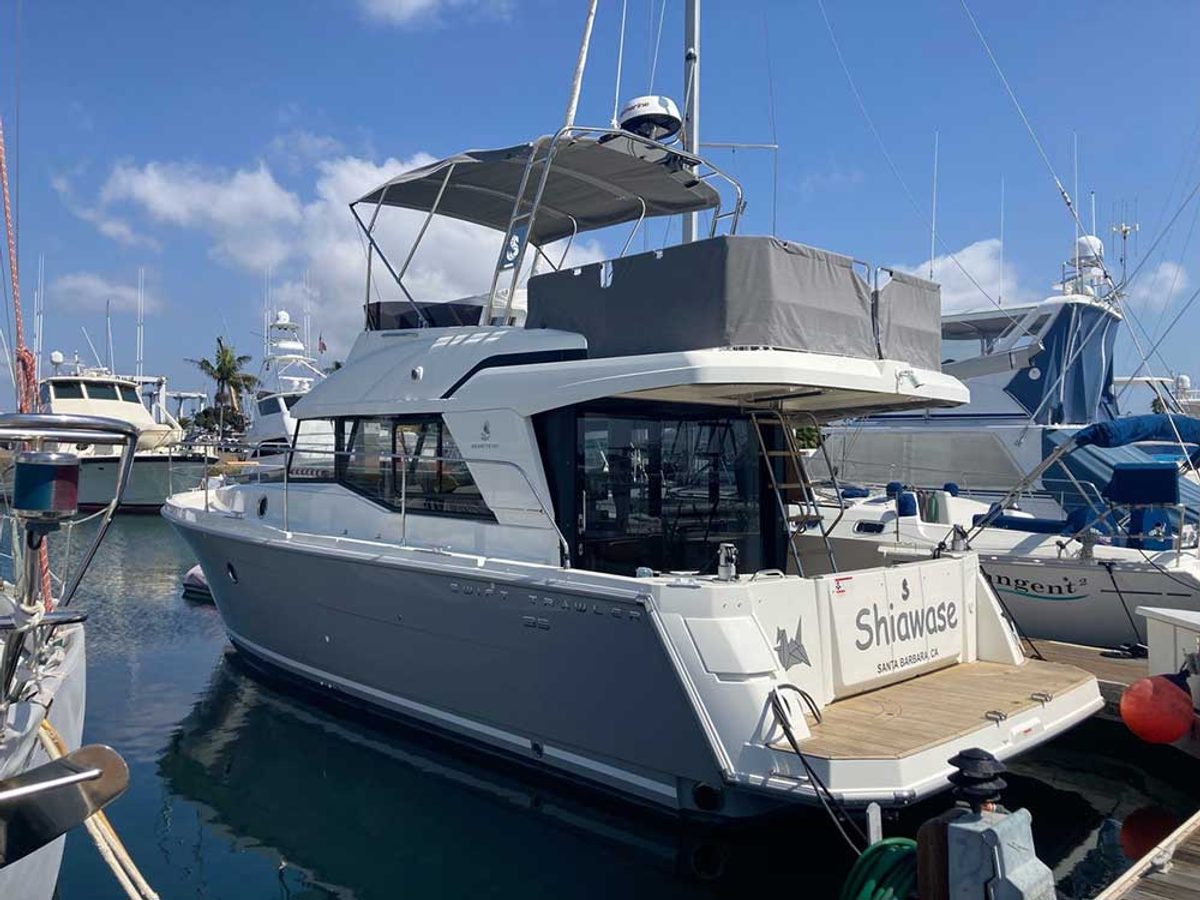
Monohulls feature a single V-shaped hull designed to cut through water efficiently. Deep keels provide significant lateral resistance, allowing vessels to point higher into the wind than catamarans typically achieve. Traditional, elegant design appeals to sailing purists who appreciate the art of sailing over pure comfort maximization.
Charter availability favors monohulls, contributing to lower pricing and easier booking during peak seasons. The design cuts through water rather than riding over it, often providing a smoother ride in choppy conditions where wave patterns favor displacement hull performance.
Monohulls excel in upwind sailing performance, a characteristic valued by experienced sailors who enjoy tactical sailing challenges. The heeling motion creates a more engaging sailing experience where crew can feel the boat respond to wind shifts and sail adjustments. Ballast in the keel contributes to self-righting capability, allowing recovery from knockdowns or capsizes despite potential damage.
Performance ratings reflect these strengths: 9/10 for sailing performance and 8/10 for speed potential. Monohulls prove more forgiving of additional weight compared to catamarans, where overloading negatively impacts performance and fuel efficiency. The design philosophy prioritizes sailing capability over living space, a trade-off traditional sailors embrace willingly.
The classic sailing feel comes from heeling motion and responsive handling that defines traditional sailing. Purists appreciate how the boat communicates through heel angle, weather helm, and speed changes based on sail trim and wind angle. This engagement creates a connection to sailing fundamentals lost on level-sailing catamarans.
Monohulls remain best for offshore passages and sailing purists who prioritize authentic sailing experiences over maximum comfort. The traditional sporty sailing experience appeals to charter guests seeking active participation rather than passive cruising.why catamarans are more comfortable explores these differences in detail, helping charterers understand what they gain and sacrifice with each choice.
The fundamental design differences create distinct charter experiences beyond simple preference. Practical implications affect guest comfort, activity options, capacity, and cost in ways that should drive selection rather than subjective bias toward either vessel type.
Catamarans maintain minimal heel with a stability rating of 9/10, while monohulls heel significantly in strong winds. The reduced motion on catamarans decreases seasickness and crew fatigue through more level sailing. Monohulls remain more susceptible to rolling and pitching motions that can disorient passengers unfamiliar with boat movement.
Modern, well-designed catamarans prove inherently difficult to capsize despite lacking self-righting capability. Monohulls possess self-righting capability through heavy keel ballast, recovering from knockdowns though often with significant damage and trauma. The stability comparison favors catamarans for charter applications where guest comfort outweighs sailing performance priorities.
Catamarans rate 10/10 for deck space and 9/10 for interior comfort, while monohulls rate 8/10 for maneuverability. The confined interior spaces in monohulls result from single-hull design constraints that limit cabin width and layout options. Catamarans accommodate more guests comfortably, reducing per-person charter costs for larger groups.
The spacious, family-friendly catamaran layout contrasts with compact, traditional monohull arrangements. Larger monohull models can offer luxury accommodations but typically provide less space than comparable-length catamarans. The layout differences influence which vessel type suits specific charter purposes and guest demographics.
Catamarans generally provide easier access for boarding from dinghies or directly from water, important for swimming, snorkeling, and water sports activities. Better equipment for carrying larger dinghies includes integrated davit systems or platforms less common on monohulls. The superior stability makes movement on deck safer and easier, particularly for elderly guests, children, or those with mobility limitations.
These practical accessibility advantages matter significantly for family charters, corporate events, or mixed groups with varying physical capabilities. The low freeboard and stable platform reduce boarding challenges that plague higher-sided, rolling monohulls.
Charter purpose should drive vessel selection rather than assumptions about which type performs better universally. Different goals align with specific vessel strengths in measurable, predictable ways.
Catamarans prove ideal for larger groups and families, rating 10/10 for corporate events and multi-day cruises. Family charters favor catamarans at 9/10 for stability and space advantages that accommodate children safely. The vessels serve as excellent venues for special events in Newport Beach, offering unique and luxurious settings impossible to replicate on confined monohull decks.
Our catamaran fleet demonstrates options for cruising, charter hosting, and family gatherings where space and stability determine success. Group dynamics favor level platforms where guests can move freely, socialize comfortably, and enjoy activities without motion-related discomfort.
Romantic cruises suit monohull sailboats at 9/10 for intimate, traditional sailing experiences. Performance sailing rates monohulls at 10/10, appealing to sailors who prioritize authentic sailing over maximum comfort. The traditional, sporty sailing experience attracts couples and experienced sailors seeking active participation in sailing rather than passive cruising.
Monohulls remain preferred for offshore passages and sailing purists who appreciate the art of sailing fundamentals. The engaging heel, responsive handling, and connection to wind and water create experiences impossible on level-sailing catamarans. Smaller private charters benefit from the intimate atmosphere monohulls provide naturally.
Practical constraints and guest characteristics should inform vessel selection as much as aesthetic preferences or preconceived notions about sailing.
Catamarans prove superior for guests prone to seasickness due to significantly reduced motion. The design proves ideal for families with children or guests prioritizing relaxation over sailing engagement. Enhanced privacy through separated cabins matters for groups wanting personal space rather than shared accommodations.
Reduced motion minimizes seasickness and crew fatigue, making catamarans more forgiving for less experienced sailors or those seeking leisurely charters. The enhanced stability and comfort reduce physical demands on guests, important for multi-generational groups or corporate events where guest comfort directly impacts satisfaction and future business relationships.
Catamarans feature shallow draft of typically 3-4.5 feet for 40-50 foot vessels, accessing shallower anchorages closer to shore than deeper-drafting monohulls. This advantage proves particularly beneficial in Newport Beach and surrounding areas with shallow waters, allowing exploration of secluded coves and beaches inaccessible to keeled vessels. Shallow draft also facilitates emergency repairs or maintenance in tidal areas.
Speed advantages matter for extended cruises where catamarans sail 20-30% faster than monohulls due to lighter weight and reduced wetted surface area. The speed advantage allows outrunning adverse weather conditions, enhancing safety during longer passages. Modern performance catamarans with daggerboards achieve comparable upwind performance to monohulls while maintaining speed advantages on other points of sail. Captained charters leverage professional knowledge to maximize route planning based on vessel capabilities and guest preferences.
The decision framework prioritizes charter goals over generic assumptions about which vessel type performs better universally. Specific criteria guide selection based on measurable advantages each design delivers.
Choose catamarans when prioritizing stability and comfort for guests prone to seasickness or unfamiliar with boats. The significantly more space and privacy benefits larger groups, families, or corporate events where social interaction drives charter value. Higher speeds, especially off-wind, suit extended cruises or time-sensitive itineraries. Shallow water access matters for exploring Newport Beach's hidden anchorages, secluded coves, and beach access points inaccessible to keeled vessels.
Newport Beach priorities typically favor comfort, space for entertaining, and shallow anchorage access, making catamarans compelling choices for local charters. The vessels excel at popular local activities including whale watching, sunset cruises, and social gatherings where stable platforms and generous deck space determine guest satisfaction.
Choose monohulls when seeking traditional sailing purity and upwind performance that engages experienced sailors. Budget constraints favor monohulls at 50-100% less costly for charter compared to equivalent catamarans. The traditional, sporty sailing experience appeals to couples, experienced sailors, or smaller groups where intimate atmosphere and authentic sailing feel matter more than maximum comfort or space.
Cost considerations extend beyond charter rates. Monohulls generally cost 50-100% less for comparable charters, though catamarans prove cost-effective for larger groups when calculating per-person expenses. Catamarans incur higher mooring fees due to wider beam, often requiring larger berths or two slips. Despite higher charter rates, catamarans offer superior fuel efficiency under motor due to lightweight design, partially offsetting cost differences during longer passages.
Newport Beach charter recommendations favor catamarans for comfort, entertaining space, and shallow anchorage access that define successful local charters. However, monohulls remain viable and enjoyable alternatives for traditional sailing experiences or budget-conscious charterers willing to sacrifice space and stability for lower costs and authentic sailing engagement.
The vessel choice fundamentally shapes charter experience in ways that cannot be corrected through route adjustments, activity modifications, or captain expertise. Matching vessel characteristics to charter priorities ensures satisfaction rather than discovering incompatibilities after departure. Guest demographics, comfort priorities, activity plans, and budget constraints should drive selection through objective evaluation of how each vessel type serves specific needs.
Newport Beach Sailing Charters offers both catamarans and monohulls matched to diverse charter goals and guest preferences. Our experienced team guides vessel selection based on your specific group size, comfort priorities, activity plans, and budget requirements. Professional captains maximize charter value by leveraging each vessel type's strengths for routes, conditions, and guest expectations.
Ready to explore Newport Beach waters on the perfect vessel for your charter? Contact us today to discuss your charter goals and discover which vessel type delivers the experience you envision. Let our local expertise and diverse fleet transform your Newport Beach charter from good to exceptional.