


Key Takeaways:
Traditional conference rooms no longer deliver the engagement modern teams need. Corporate regattas transform team building from routine exercises into memorable competitive experiences on the water. These structured sailing competitions combine leadership development, strategic thinking, and real-time collaboration in ways indoor activities cannot replicate.
Companies investing in corporate regattas see measurable returns. Ninety-one percent of participants report increased motivation. Eighty-five percent express greater job satisfaction. The data proves what forward-thinking organizations already know: on-water competition creates stronger, more cohesive teams.
This guide explains how corporate regattas work, why they outperform traditional team building, and how your organization can leverage sailing competitions to develop critical workplace skills.
A corporate regatta is a structured sailing competition where teams race yachts in organized heats. Professional captains guide participants through hands-on sailing while teams compete for the best time or strategic positioning.
The format scales to group size. Small teams of 4-12 guests sail a single boat with personalized instruction. Mid-size groups of 13-36 participants use multiple yachts for competitive racing. Large events accommodate up to 72 guests across a full fleet of 10 yachts. Each structure maintains the core elements: professional guidance, real competition, and collaborative sailing.
Charter companies customize race parameters to match organizational goals. Some emphasize pure competition with detailed scoring systems. Others focus on cooperative learning where teams rotate roles throughout the event. The flexibility allows companies to design experiences that align with their specific team development objectives.
Organizations select regattas because they deliver measurable business outcomes. Effective team building generates 12-20% productivity gains when properly executed. Corporate regattas achieve a four-dollar return for every dollar invested when companies track metrics correctly.
The results extend beyond immediate engagement. Participants develop communication, leadership, strategic thinking, and collaboration skills simultaneously. These capabilities transfer directly to workplace challenges. Teams that navigate wind conditions together make better decisions under pressure in the office.
The competitive element drives deeper engagement than passive activities. Ninety-one percent of regatta participants report increased motivation compared to standard engagement levels from conventional team building. Eighty-five percent express greater job satisfaction. These numbers represent real improvements in employee sentiment and performance, not temporary enthusiasm that fades after the event.
Corporate regattas create differentiation through environment and stakes. Traditional activities rely on artificial challenges in controlled settings. Regattas present real variables—wind, current, competition—that demand authentic collaboration and quick thinking.
Water-based competition removes the artificial feel of indoor exercises. Teams face genuine challenges that require collective problem-solving. The shared experience of sailing, navigating, and racing builds strong camaraderie that outlasts typical team-building activities.
Memorable adventures increase both job satisfaction and loyalty. Employees remember regatta experiences for years while forgetting generic rope courses within weeks. This lasting impact creates positive associations with the employer that strengthen retention. The differentiated experience demonstrates company investment in meaningful employee development rather than checking boxes on training requirements.
The change of scenery delivers an 18% creativity boost through anticipation effects alone. Ocean environments reduce stress and stimulate innovative thinking in ways conference rooms cannot replicate. Sixty-three percent of managers prefer offsite meetings specifically because they generate better outcomes than office-based sessions.
Employees value the experience beyond the immediate benefits. Eighty-three percent of workers consider corporate travel a meaningful job benefit. The outdoor setting aligns with modern wellness culture while indoor activities remain sedentary and disconnected from health goals. Corporate events that incorporate physical activity and natural environments address multiple organizational objectives simultaneously.
Regattas build competencies that translate directly to workplace performance. Participants practice communication, leadership, strategic planning, and execution under real constraints—not hypothetical scenarios.
Sailing demands clear, concise communication. Unclear instructions lead to immediate consequences when teams manage sails and navigation. This real-time feedback loop trains better workplace communication faster than classroom exercises.
Leadership emerges naturally during regattas. Charter companies assign team captains when appropriate, giving emerging leaders hands-on practice in high-stakes situations. Teams mix experience levels and departments deliberately. Cross-functional collaboration becomes necessary rather than encouraged, breaking down silos that persist in office environments.
Racing requires constant strategic adjustments based on wind, competitors, and course conditions. Teams coordinate maneuvers under time pressure to maintain competitive positioning. These decisions mirror business environments where conditions change rapidly and teams must adapt collectively.
The best regatta programs emphasize fun and collaboration over pure competition. This balance allows participants to take risks, learn from mistakes, and support each other without fear of failure. The psychological safety created during racing transfers to workplace interactions, improving team dynamics long after the event concludes.
Professional charter companies handle logistics, safety, and instruction. Organizations focus on team assignments and desired outcomes while experts manage the technical details.
Event planners divide participants into balanced teams mixing experience levels and departments. This intentional composition forces people who rarely collaborate to work together toward shared goals. Mixing experienced sailors with novices creates mentoring opportunities and ensures no team holds unfair advantages.
Charter companies share team rosters in advance to build anticipation. Some organizations create team names or themes to increase engagement before participants arrive. The pre-event excitement contributes to the overall impact, extending the benefit beyond the hours spent on the water.
Organizers choose between competitive and cooperative focuses based on organizational culture. Competitive formats use detailed scoring systems and awards to recognize top performers. Cooperative structures emphasize learning and shared achievement over winning.
Race duration and course layout adjust to participant experience and company goals. Professional captains establish fair courses that challenge teams without overwhelming beginners. Post-race debriefs connect sailing lessons to workplace applications, reinforcing the developmental purpose beyond entertainment. These reflection sessions transform fun activities into strategic learning experiences with clear business value.
Most corporate regattas follow a four-hour structure. Hour one covers welcome, safety briefing, team assignments, and boarding. Hour two focuses on hands-on sailing instruction and practice. Hour three delivers the competitive regatta race. Hour four includes post-race debrief, awards, refreshments, and disembarkation.
This timeline balances instruction, competition, and reflection without overwhelming participants. The structured progression ensures beginners gain confidence before racing while experienced sailors receive appropriate challenges. Adventure charters can extend beyond four hours for organizations wanting deeper immersion or multiple race heats.
No prior sailing experience is required. Professional instruction and safety protocols make regattas accessible to complete beginners while remaining engaging for experienced sailors.
All regatta captains hold USCG certification with verified qualifications and extensive experience. These professionals provide personalized instruction tailored to each team's skill level. Beginners learn fundamental sailing concepts while advanced participants refine technique.
Captains and crew are included in charter packages, eliminating concerns about finding qualified instructors separately. Their expertise ensures safety while creating educational experiences. Professional guidance allows participants to focus on teamwork and competition rather than worrying about technical sailing details they cannot master in a few hours.
Every participant receives a comprehensive 30-minute safety briefing before departure. These sessions cover emergency procedures, communication protocols, and basic sailing safety. Life jackets and required safety equipment remain accessible throughout the event.
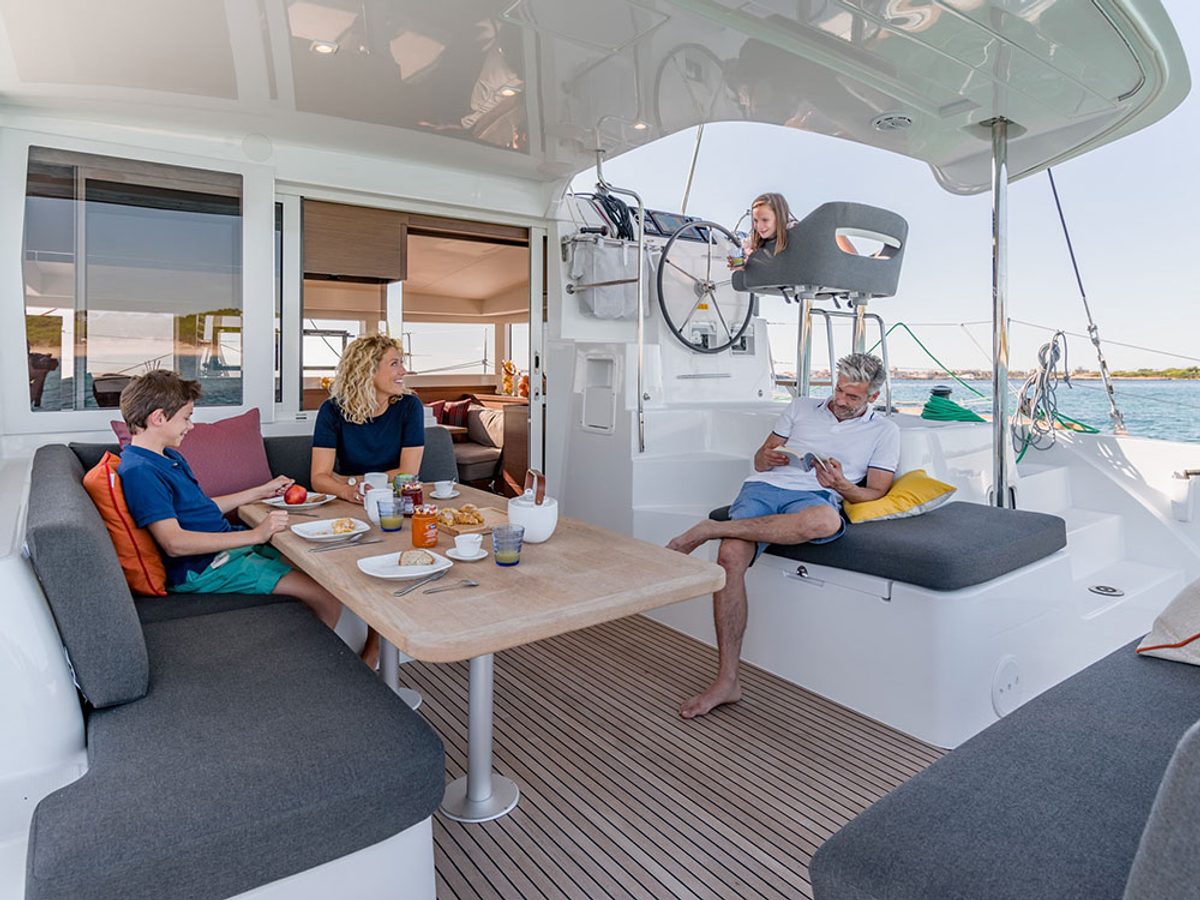
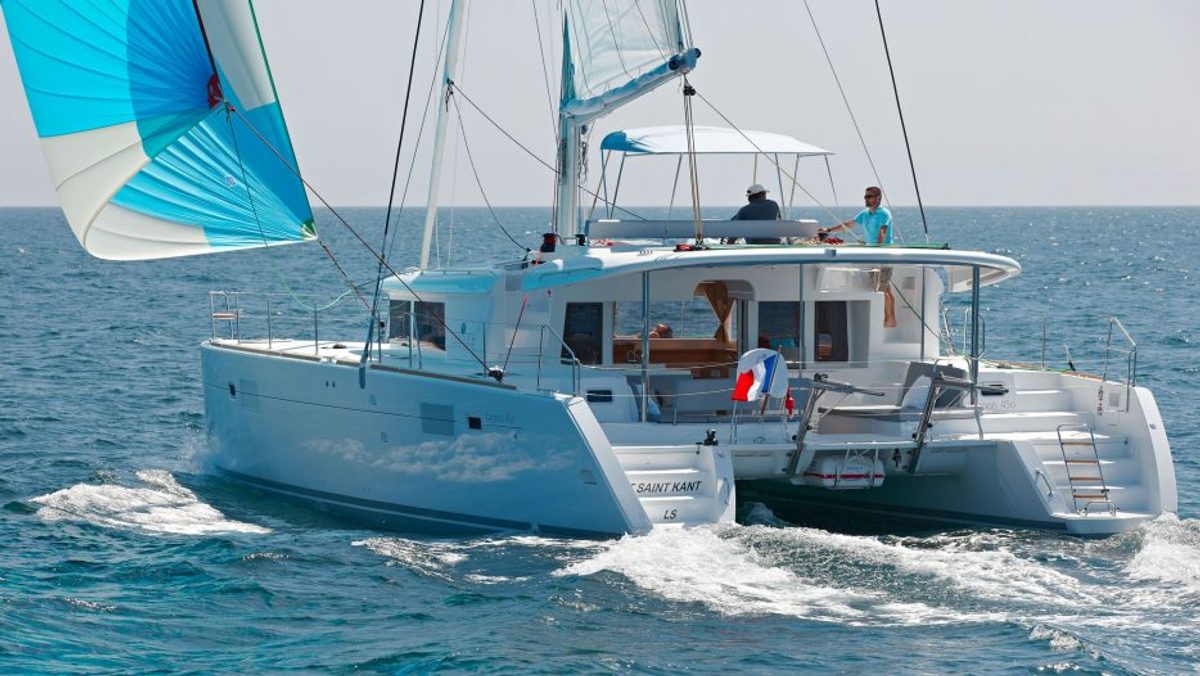
Charter companies maintain appropriate insurance coverage and emergency contact protocols. The emphasis on safety allows participants to engage fully without unnecessary risk. Stability at sea becomes particularly important for organizations with participants who may feel anxious about water activities. Modern catamarans offer exceptional stability that reduces concerns for nervous team members.
Regattas work for diverse organizational types and sizes. The flexible format accommodates groups from 4 to 80+ participants depending on yacht selection and event structure.
Executive teams gain particular value from regatta experiences. Leadership development ranks as a primary objective for many corporate sailing events. The high-stakes environment reveals leadership styles and decision-making patterns that rarely surface in office settings.
Senior leaders practice strategic thinking while managing real variables beyond their control. This humbling experience often generates insights about delegation, trust, and team empowerment. Executive regattas create peer bonding opportunities rare in typical business interactions where hierarchy and politics influence behavior.
Client entertainment represents another strong use case. The prestigious setting impresses high-value stakeholders while creating relaxed networking opportunities. The shared challenge of sailing breaks down formal business barriers faster than traditional dinners or golf outings.
Cross-departmental teams benefit significantly from regatta structures. Departments that rarely collaborate gain shared experiences and relationships. Eighty-three percent of workers value corporate travel as a meaningful benefit, making regattas attractive recruitment and retention tools. The investment signals that organizations prioritize employee experience and development. Our fleet offers various vessel sizes to accommodate different group compositions and objectives.
The lasting effects distinguish regattas from one-time activities that generate temporary enthusiasm. Organizations report reduced employee turnover as a measurable outcome from well-executed sailing events.
The memorable nature creates enduring positive associations with the employer. Employees reference regatta experiences years later while generic team-building exercises fade from memory within weeks. This psychological connection strengthens engagement and loyalty more effectively than compensation adjustments or benefits changes.
Annual regatta traditions build company culture and create anticipation throughout the year. Teams look forward to defending titles or improving performance from previous events. The competitive element provides natural motivation for continued participation and engagement.
The experience demonstrates exceptional company appreciation. Organizations that invest in differentiated experiences like corporate regattas signal they value employees beyond productivity metrics. This perception influences retention, referrals, and employer brand in competitive talent markets.
Budget considerations remain practical for most organizations. Total costs for 20-50 participants range from $3,500 to $15,000+ depending on yacht selection and customization. Four-hour charters cost $2,400 to $11,000+ based on vessel size and luxury level. Boarding fees of $500-$650 apply to groups of 21-49 guests. Industry standard gratuity equals 15% of charter cost.
These investments deliver returns through productivity gains, reduced turnover, and improved team performance. Organizations that track metrics properly document the four-dollar return for every dollar spent on effective team building. The key lies in selecting activities that create genuine skill development and lasting cultural impact rather than temporary entertainment.
Corporate regattas meet this standard by combining competition, learning, and shared experience in an environment that challenges teams authentically. The water provides what conference rooms cannot: real variables, memorable adventure, and physical engagement that reinforces mental and emotional connections between team members.
Forward-thinking organizations recognize that team strength determines competitive advantage. Markets change rapidly. Technology evolves constantly. The sustainable differentiator remains the ability of teams to communicate, adapt, and execute under pressure. Corporate regattas build these capabilities while creating experiences employees value and remember.
The question is not whether your organization can afford a corporate regatta. The question is whether you can afford to miss the competitive advantages that come from truly effective team development. Traditional activities maintain the status quo. Regattas accelerate team performance and create cultural differentiation that attracts and retains top talent.
Newport Beach Sailing Charters specializes in corporate regattas that deliver measurable team development results. Our USCG-certified captains and modern fleet create safe, engaging competitions for groups of all sizes and experience levels. We handle every detail from safety briefings to race coordination, allowing you to focus on your team's growth and engagement.
Ready to move beyond conference rooms and create lasting impact? Contact us today to design a corporate regatta tailored to your organization's goals. Let's build stronger teams through competitive sailing experiences that participants will remember for years.