

Marine wildlife viewing attracts millions of visitors annually, generating billions in tourism revenue across coastal regions. The decision between private yacht charters and commercial whale watching tours significantly impacts the quality and nature of your experience.
Global wildlife tourism reached USD 161.6 billion in 2025 and continues expanding at 7.7% annually. Understanding the differences between vessel types helps consumers select experiences aligned with their budgets, preferences, and expectations.
Key Takeaways
Private yacht charters and commercial tours represent distinct approaches to marine wildlife viewing. Each category serves specific consumer needs and operates under different business models.
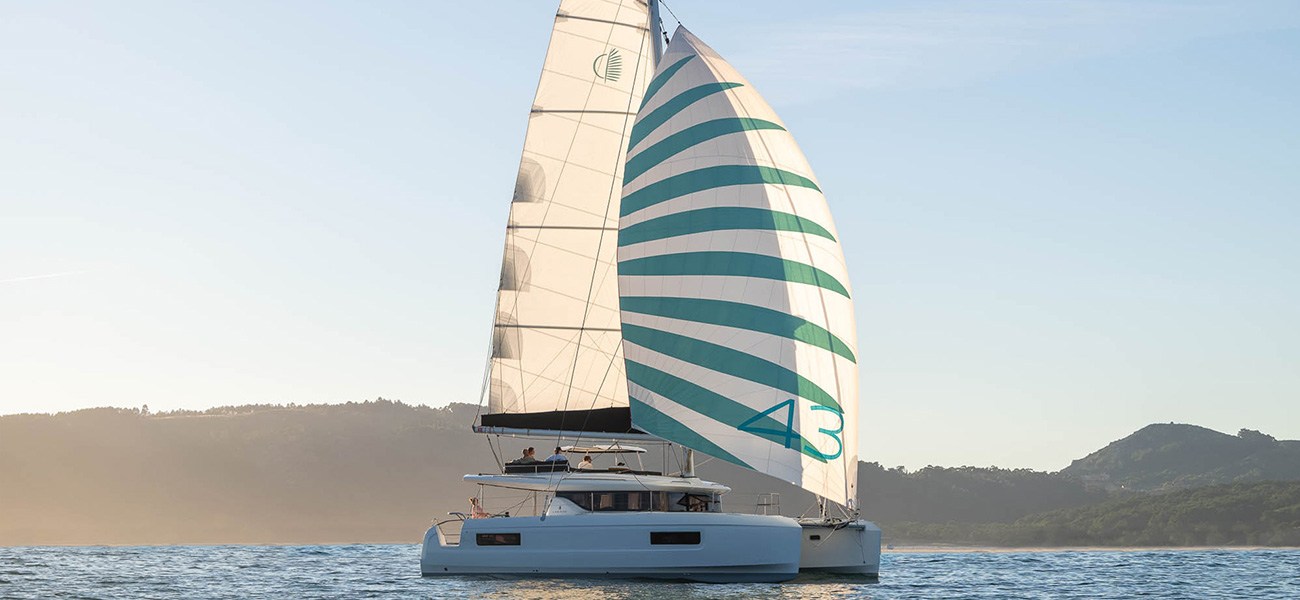
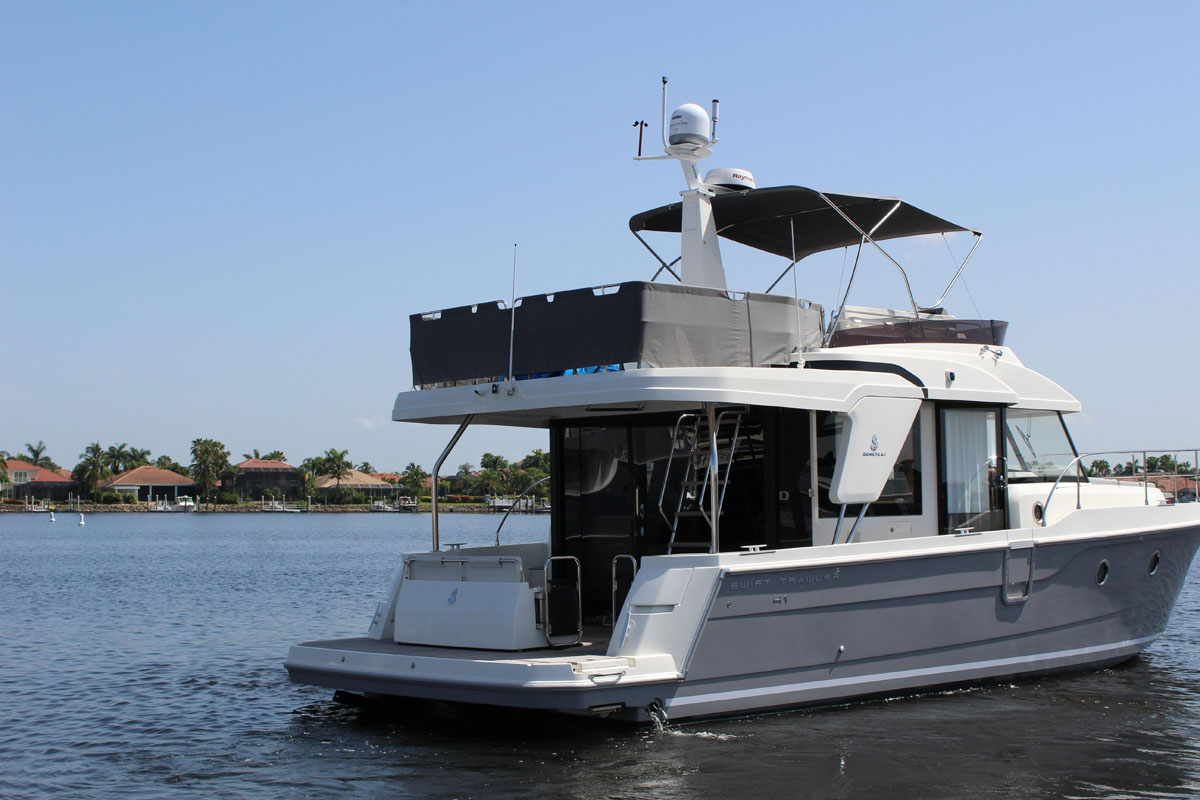
Private yacht charters provide fully customized itineraries designed around individual preferences and schedules. Guests receive exclusive access to vessels with dedicated crews who adjust routes based on real-time wildlife sightings.
The yacht charter market reached USD 8.8 billion in 2025, driven by younger demographics seeking personalized experiences. Flexible departure times and personalized crew attention create intimate encounters with marine life without crowds.
Commercial whale watching tours operate large vessels accommodating 50 to 250 passengers on fixed schedules. Expert naturalist guides provide educational commentary about marine ecosystems and wildlife behavior throughout each journey.
These group-based experiences follow established routes to prime viewing areas where sightings occur most frequently. Commercial operators maintain communication networks among captains to share real-time information about whale locations.
Eco-tourism tours emphasize sustainability through small group sizes and conservation education programs. These operations prioritize minimal environmental impact while providing informative experiences about marine ecosystem protection.
Luxury wildlife expeditions offer specialized multi-day journeys to remote locations with high-end accommodations. These premium experiences include expert photographer guides and access to exclusive areas rarely visited by standard tours.
Consumer demographics and travel motivations directly influence decisions between private yachts and commercial tour boats. Understanding these patterns reveals how different market segments prioritize specific experience attributes.
Millennials and Gen Z accounted for 37% of global travel bookings in 2024. These younger demographics prioritize experiential travel over material possessions, driving demand for authentic wildlife encounters.
The younger cohorts are expected to represent 60% of the luxury yacht marketplace within the coming years. Commercial tours remain highly popular among the 36-65+ age groups seeking accessible and educational experiences.
Wildlife visibility and sighting probability influence 35-40% of consumer decisions when selecting marine viewing experiences. Close viewing distances within legal limits and diverse species encounters rank as top priorities.
Exclusivity and privacy influence 25-30% of consumer decisions, particularly among affluent travelers seeking intimate experiences. Comfort and amenities influence 20-25% of decisions, while safety and professionalism influence 15-20% of choices.
Commercial whale watching tours hold 40% market share across coastal regions offering marine wildlife viewing. Private yacht charters hold 25% market share, serving consumers prioritizing customization and exclusivity.
Eco-tourism boat tours hold 20% market share among environmentally conscious travelers. Luxury wildlife expeditions hold 10% market share, while public marine sanctuaries hold 5% market share.
The yacht whale watching comparison reveals significant differences in exclusivity, flexibility, comfort, and overall experience quality. These distinctions directly impact consumer satisfaction and determine which vessel type best serves specific needs.
Private yacht exclusivity scores 10/10 compared to commercial tours due to complete privacy without crowds. Private yacht flexibility scores 10/10 because guests dictate departure times and route adjustments based on wildlife sightings.
Private yacht comfort scores 9/10 with premium amenities and personalized service throughout each journey. The yacht versus tour boat experience differs most dramatically in these three categories, where private vessels excel.
Commercial tour affordability scores 9/10 compared to private yachts, making marine wildlife accessible to broader audiences. Commercial tour wildlife visibility scores 9/10 due to established routes and captain communication networks sharing whale locations.
Tour boat whale watching Newport operations leverage decades of local knowledge to maximize sighting success. Price-to-experience ratios favor commercial tours for budget-conscious travelers prioritizing wildlife encounters over luxury amenities.
Crowded vessels on commercial tours accommodate 50-250+ passengers, limiting personal space and viewing angles. Large group sizes create social atmospheres appealing to families and solo travelers seeking shared experiences.
Private yachts typically accommodate 6-12 passengers, ensuring unobstructed viewing and quiet observation. Smaller groups allow deeper connections with crew members who provide personalized attention and whale watching from your private yacht.
Federal and state regulations govern all marine wildlife viewing to protect ecosystems and ensure visitor safety. Understanding these requirements helps consumers evaluate operator professionalism and environmental responsibility.
Federal law requires a 100-yard distance from most whales, including gray and humpback species. Killer whales require 200 yards of clearance in specific regions to minimize disturbance to these sensitive populations.
Right whales require 500-yard clearance due to their endangered status and vulnerability to vessel strikes. Wildlife viewing is limited to 30 minutes per animal or pod to reduce cumulative stress.
Tourism vessels must meet broadband noise limits below 150 dB when within 500 meters of cetaceans. Excessive underwater noise interferes with whale communication and can alter natural feeding and migration behaviors.
Both private yachts and commercial operators must comply with whale watching regulations protecting marine mammals. Responsible operators prioritize wildlife welfare over close viewing distances or extended observation periods.
Private yachts must adhere to MARPOL Convention regulations governing marine pollution prevention. These international standards address waste disposal, fuel management, and operational practices, minimizing environmental impact.
All vessels must respect restrictions within Marine Protected Areas surrounding popular whale watching destinations. Compliance separates professional operators from recreational boaters who may lack environmental training or awareness.
Newport Beach offers year-round marine wildlife viewing opportunities due to overlapping migration patterns and resident populations. Understanding seasonal variations helps consumers plan trips during peak activity periods for desired species.
Gray whales migrate during the winter months from December through February on their southbound journey. Blue whales appear in April and May as ocean temperatures rise and krill populations increase.
Giant blue whales and finback whales feed during summer from June through August in local waters. Mega pods of common dolphins numbering in the thousands appear frequently during the dolphin and whale watching September peak season.
Blue and finback whales remain active during the fall from September through November before heading south. December marine life viewing begins the cycle again with returning gray whales.
Newport Coastal Adventure specializes in small-group Zodiac tours offering the closest legal viewing distances. These fast boats travel at 25 mph and hold Coast Guard Certificates of Inspection.
Newport Landing operates with over 20 years of experience providing standard, luxury, and ultimate whale watching cruises. Luxury Liners and Newport Coast Marine offer fully crewed luxury yachts for customized marine wildlife experiences.
Morning departures typically offer calmer seas and better visibility before afternoon winds develop. Flat ocean conditions allow easier whale detection through surface disturbances and spouts.
Spring and fall provide optimal weather with moderate temperatures and minimal fog compared to the summer months. The best whale watching vessel depends on personal priorities, balancing comfort, group size, and budget constraints.
Pricing structures vary dramatically between private yachts and commercial tours, directly impacting consumer access and experience expectations. Understanding cost ranges helps travelers make informed decisions aligned with their budgets and priorities.
Private yacht price ranges span from $1,000 daily for small catamarans to $100,000+ weekly for superyachts. Commercial tour price ranges extend from $30 to $85 per person for standard half-day excursions.
Eco-tourism tour price ranges fall between $50 and $150 per person for small-group sustainable operations. Luxury expedition price ranges reach $5,000 to $200,000+ per expedition for multi-day remote journeys.
Budget-conscious travelers perceive commercial tours as excellent value due to low per-person costs and high sighting success. Affluent consumers view private yachts as worthwhile investments for exclusivity and customization despite higher absolute costs.
Whale watching options in Newport Beach include diverse price points serving different market segments, from families to corporate groups. Planning your perfect Newport Beach yacht charter requires understanding how pricing reflects service levels and amenities.
Higher-priced experiences typically include longer durations, gourmet catering, and premium onboard amenities. Commercial tours offer basic refreshments and indoor seating areas within their affordable pricing structures.
Private yacht charters provide full-service bars, custom menus, and luxury furnishings, justifying premium rates. Newport Beach yacht charter costs and options vary based on vessel size, crew requirements, and included services.
Educational components significantly influence tourist satisfaction and promote long-term environmental awareness among participants. Research demonstrates that learning opportunities create more memorable experiences and encourage conservation behaviors.
Academic studies show that higher levels of learning lead to greater experiential satisfaction during wildlife tours. Tourists who understand whale behaviors, migration patterns, and ecosystem dynamics report more fulfilling encounters.
Interactive interpretation programs create stronger emotional connections between visitors and marine life. Expert naturalist guides transform simple sightings into comprehensive educational experiences that resonate long after trips conclude.
Active participation in wildlife observation through guided interpretation creates shared experiences among passengers. This collaborative learning environment promotes hedonic well-being and encourages pro-environmental behaviors.
Tourists willing to pay premium prices for close viewing distances value an educational context explaining what they observe. Quality interpretation distinguishes professional operators from purely transactional wildlife viewing services.
Commercial tours employ dedicated naturalist guides with marine biology backgrounds and extensive local knowledge. These experts provide continuous commentary about observed species, behaviors, and conservation challenges.
Private yacht crews often possess strong navigational skills but may lack specialized marine biology training. Some luxury yacht charters include contracted naturalist guides to match commercial tour educational standards.
Global wildlife tourism reached USD 161.6 billion in 2025 and is projected to reach USD 316.2 billion by 2034. The ecotourism market, valued at USD 295.83 billion in 2025, is projected to reach USD 1,125.14 billion by 2034. These growth projections reflect increasing consumer demand for authentic nature-based experiences. The yacht charter market, estimated at USD 8.8 billion in 2025, represents a smaller but rapidly expanding segment.
Private yachts excel in exclusivity, flexibility, and comfort, scoring 10/10 in these categories. Commercial tours lead in affordability and wildlife visibility, scoring 9/10 in both areas.
The choice between vessels depends on whether consumers prioritize intimate, customized experiences or accessible educational group adventures. Newport Beach yacht rentals provide premium options for those seeking personalized marine wildlife encounters.
Selecting the optimal vessel type requires an honest assessment of budget constraints, group dynamics, and desired experience levels. Newport Beach sailing calendar information helps travelers align their trips with peak wildlife activity periods.
Both private yachts and commercial tour boats offer valuable marine wildlife viewing when operated by professional, environmentally responsible companies. Newport Beach Sailing Charters combines personalized service with local expertise for memorable ocean experiences.
Skip the crowded tour boat. With Newport Beach Sailing Charters & Yacht Rentals, your group gets the whole vessel, a dedicated captain, and the freedom to follow the wildlife — not a fixed schedule. Whether you're chasing gray whales in winter or blue whales in summer, we'll help you plan a charter built around the experience you actually want. Book your whale watching charter today!