


Key Takeaways
Every winter, thousands of Pacific Gray Whales make the longest migration of any mammal, a nearly 10,000-mile journey from Arctic feeding grounds to the warm lagoons of Baja California. Newport Beach sits directly along this "whale highway," offering one of Southern California's most reliable wildlife viewing opportunities from December through May. While commercial whale-watching tours provide access to this spectacle, a private yacht charter transforms the experience into something more intimate and flexible: you control the pacing, avoid crowded decks, and have the freedom to linger when a mother whale flukes or a pod of dolphins races alongside your bow.
Winter whale watching presents unique considerations, cooler temperatures, potential for choppier seas, and the need for strategic timing to maximize both comfort and sightings. This guide walks you through everything you need to plan a successful private yacht whale watching Newport Beach trip, from choosing the right vessel and departure time to understanding federal viewing regulations and packing for winter ocean conditions. Whether you're a first-time whale watcher, a photographer seeking the perfect breach shot, or a family looking for an kid-friendly ocean wildlife adventure, the information below will help you make the most of this extraordinary wildlife encounter.
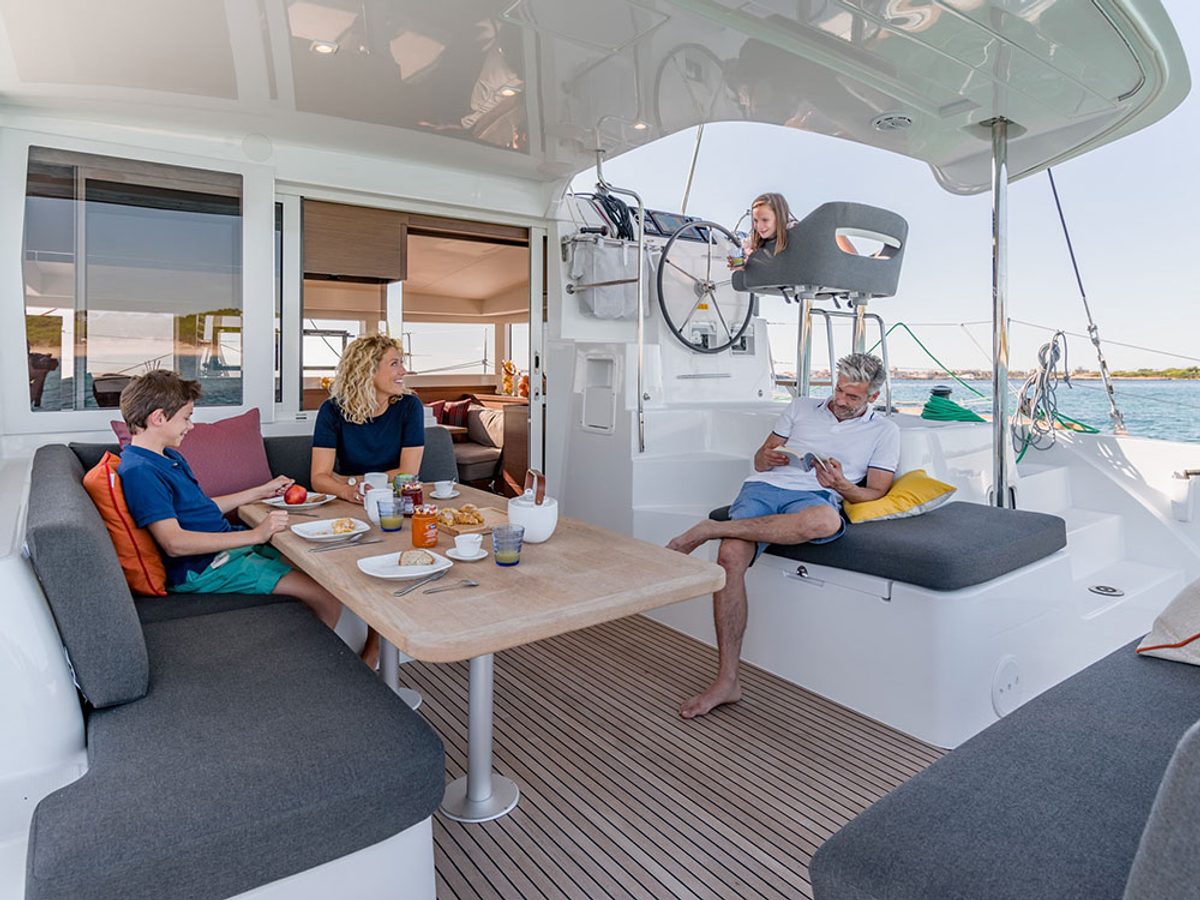
A whale watching yacht rental Newport Beach gives you a dedicated vessel, captain, and crew to track Pacific Gray Whales during their winter migration along the Newport Beach coast. Most captained charters last 3-4 hours, departing from Newport Harbor and heading 1-5 miles offshore where the continental shelf drops and whales pass close to shore. During peak season (mid-December through mid-February), private charters report a 95-96% whale viewing success rate.
Who This Is For:
Private Yacht vs. Standard Whale-Watching Cruise:
| Feature | Private Yacht | Standard Cruise | Why It Matters in Winter |
| Wind Protection | Choose vessel with enclosed cabin/covered seating | Limited shelter; shared open decks | Winter wind chill is more intense on open water |
| Flexibility | Captain adjusts route based on real-time whale reports | Fixed departure/route | Whales move; private charters can follow sightings |
| Crowding | 6-30 guests (your party only) | 50-150+ guests | Less jostling for rail space in cold conditions |
| Photo Access | Move freely; multiple vantage points | Compete for limited prime spots | Critical for capturing blows and breaches |
| Pacing | Linger at sightings; take comfort breaks | Timed stops; scheduled return | You control viewing time and warming-up breaks |
| Amenities | Private restroom, galley for hot drinks | Shared facilities are often limited | Matters more when you're cold and need a break |
Newport Beach lies directly along the Pacific Gray Whale "whale highway" during their nearly 10,000-mile migration, the longest migration of any mammal. The winter season (December through May) brings thousands of whales past the coast, with peak southbound traffic occurring mid-December through mid-February. Winter also offers calmer morning seas and clear light for photography.
Winter Timing for Gray Whales:
| Month | Migration Direction | What You May See | Why Go Then |
| December | Early southbound | Adults traveling south; 85% sighting success | Season opener; fewer boats; comfortable daytime temps |
| January | Peak southbound | High whale traffic; 95-96% sighting success | Optimal odds; clear winter light for photography |
| February | Peak southbound | Continued high activity; 95-96% sighting success | Still peak season; occasional mother-calf pairs early |
| March | Northbound begins | Whales returning north; 88% sighting success | Good conditions; less crowded than peak months |
| April | Northbound with calves | Mother-calf pairs; 75% sighting success | Unique calf sightings; warming weather |
| May | Late northbound | Stragglers heading north; 40% sighting success | Season winding down; warm conditions |
Newport Beach winter whale watching takes advantage of cooler air temperatures (typically 55-65°F) and morning departures that offer the calmest seas; the ocean is typically roughest from noon to sunset. A private yacht changes the experience by offering enclosed cabins, hot beverages on demand, and the ability to take warming breaks without missing whale action. The lower winter sun angle also creates stunning backlight for whale blows and flukes.
The Pacific Gray Whale (Eschrichtius robustus) dominates winter sightings, averaging 40-50 feet in length and 30-40 tons in weight. These whales are identified by their heart-shaped or V-shaped blow reaching 10-15 feet high, mottled gray appearance, and barnacle clusters on the head and body.
Most Common Winter Whale:
Other Wildlife You Might See:
Quick Spotting Cues:
Private yachts typically exit Newport Harbor entrance and head to the open ocean, following the coastline between Newport Beach and Laguna Beach. Whales are often spotted within 1-4 miles of shore, making for a relatively short trip to viewing grounds. Commercial whale-watching tours generally travel up to 4 miles along the coast or slightly offshore in search of whales and dolphins.
Charter Length Guidance to Match Goals:
| Duration | Best For | Pros | Tradeoffs |
| 2-3 Hours | Quick winter outing; time-limited groups | Lower cost; less time exposed to cold | Limited scan range; may miss distant sightings |
| 3-4 Hours (Recommended) | Comprehensive whale search; photographers | Extended search area; multiple comfort breaks; ample photo time | Higher cost; longer exposure to elements |
| 4+ Hours | Combined experiences (whales + coastal tour) | Leisurely pacing; explore beyond typical whale zone | Budget consideration; potential fatigue for kids |
Winter water temperature off Newport Beach is typically 55-60°F. While you won't be swimming, this affects perceived cold from wind chill and ocean spray. The cool air + ocean breeze combination means you'll feel colder than the thermometer suggests, especially when the yacht is moving at speed or you're on an exposed deck.
Motion-Comfort Tactics:
All vessels must adhere to the Marine Mammal Protection Act and NOAA Fisheries "Be Whale Wise" guidelines. The required minimum distance is 100 yards (91 meters) from any marine mammal, with a maximum speed of 7 knots when in the presence of marine mammals. Federal guidelines recommend viewing whales for no more than 30 minutes per animal to minimize cumulative impact.
Wildlife Distance/Behavior Guidance:
| Animal Type | Minimum Distance | What "Too Close" Looks Like | What to Do Instead |
| Gray Whales | 100 yards | Whale changes direction/speed; abrupt dive; erratic surfacing | Slow to 7 knots; maintain parallel course; give space |
| Dolphins | 50 yards (recommended) | Pod scatters; rapid directional changes | Let them approach you; don't chase |
| Sea Lions | 50 yards (recommended) | Animals leave haul-out area; aggressive posturing | Observe from distance; no sudden movements |
| Any Mother-Calf Pair | 200 yards (extra buffer) | Mother places body between boat and calf | Immediately increase distance; change course |
Even if regulations allow 30 minutes per whale, best practice is to rotate viewing if other boats are present, give everyone a turn, and avoid crowding a single animal with multiple vessels. This is especially important in winter when Newport Beach whale watching is at its peak. Your private captain should coordinate with other boats via radio and voluntarily limit time if an animal appears stressed (tail slapping, rapid course changes, prolonged dives).
"If Whales Approach You" Do/Don't Actions:
Typical pricing for private whale-watching charters: small yacht (6-12 passengers, 3-4 hours): $800-$1,500; mid-size yacht (12-20 passengers, 3-4 hours): $1,500-$2,500; premium yacht (20+ passengers, 3-4 hours): $2,500-$4,000+. Focus on winter-specific features like covered seating, wind protection, and stable hull design. Browse our fleet to compare vessel options.
Winter-Comfort Features Checklist:
Crew/Captain Capability Checklist:
Booking Questions to Ask:
Wildlife sightings are never guaranteed, even during the 95-96% success rate window of mid-December through mid-February, you're dependent on whale behavior, weather, and ocean conditions. A well-planned trip prioritizes comfort (proper clothing, motion-sickness prep) and timing (early morning, peak season months) to improve both your chances of seeing whales and your enjoyment of the journey.
Decision Guide for Picking Your Day:
Departure-Time Guidance:
Wear Plan:
Pack List:
Food/Drink Plan:
"Success" on a whale-watching trip means the full experience: spotting blows on the horizon, watching a fluke disappear into deep water, hearing the whoosh of a whale's breath, seeing dolphins race the bow. Captains use real-time communication with other whale-watching boats to decide whether to range farther offshore (3-5 miles vs. 1-2 miles), balancing the likelihood of sightings against guest comfort and sea conditions.
Small comfort upgrades can elevate a standard whale-watching trip, especially in winter. These simple additions create a cozy and memorable experience without major costs:
For those wanting an educational element, a marine naturalist or biologist can provide insights into whale behavior, migration patterns, and identification. This is ideal for families, school groups, or first-time whale watchers. Experienced wildlife enthusiasts or photographers may prefer quiet observation, though some private charters include captain narration as part of the service—confirm whether a guide is an additional cost.
Newport Beach offers a 95-96% whale sighting success rate during peak season (mid-December to mid-February) with mild weather (55-65°F) and calmer morning seas. Private yacht charters are safe for children and first-time watchers, with child-sized life jackets available (confirm when booking). For seasickness, book a morning departure on a larger yacht and follow these tips:
If conditions change, the captain can adjust the route or shorten the cruise. Many charters offer free rescheduling if the captain deems conditions unsafe, so ask about cancellation policies.
The best time for whale watching in Newport Beach is mid-December through mid-February, when Pacific Gray Whales migrate south, with sightings often within 1-4 miles of shore. For a comfortable experience, wear layered, windproof clothing, prepare for seasickness, and opt for morning departures for calmer seas. Whale-watching etiquette includes a 100-yard distance from whales, a 7-knot speed limit, and a 30-minute viewing period. When booking, check for winter comforts like an enclosed cabin, hot drinks, and a trained captain. Expect 3-4 hours on the water, and bring binoculars and a camera. Keep in mind that sightings may vary, with success measured by the opportunity to experience the ocean and its wildlife.
For future trips, consider the spring return migration (March-April) to see Gray Whales with calves, a sunset coastal cruise (September-October) for scenic views and dolphin sightings, or a longer wildlife day in summer to observe Blue Whales.
Ready to witness the Pacific Gray Whale migration from your own private yacht? Contact us today to book your winter whale-watching charter and experience one of nature's greatest spectacles.