


Key Takeaways:
December marine wildlife viewing offers exceptional opportunities unavailable during other seasons. Winter months bring spectacular migrations, increased animal activity, and optimal viewing conditions along coastal regions. The combination of cooler waters, seasonal movements, and favorable weather creates prime windows for observing whales, dolphins, seals, and seabirds in their natural habitats.
Understanding December's unique marine life patterns helps travelers plan successful wildlife adventures. Species behavior, weather conditions, regional variations, and viewing methods all influence experience quality. This guide provides essential information for maximizing winter wildlife encounters while ensuring safe, ethical, and comfortable viewing experiences.
December marine life viewing combines seasonal migrations with favorable conditions creating distinctive wildlife encounters. Winter oceanographic changes and animal behavior patterns differentiate December fundamentally from summer viewing opportunities.
December marks the peak of the annual gray whale migration as cooler waters and seasonal migrations bring a diverse array of marine life to the coast. This exceptional time for wildlife viewing adventures creates concentrated animal activity along predictable routes. The seasonal timing triggers behaviors including migration, breeding, and feeding creating observable patterns absent during summer months.
Winter oceanographic changes drive these behavioral shifts. Nutrient upwelling, temperature gradients, and prey distribution patterns attract marine mammals and seabirds to specific coastal zones. Understanding these seasonal dynamics helps viewers anticipate where and when to find target species during December expeditions.
Cooler waters during December trigger significant changes in marine ecosystems. Temperature drops concentrate baitfish in coastal areas attracting predators including dolphins, whales, and seabirds. The cooler conditions also coincide with nutrient-rich upwelling supporting food chain productivity from plankton through apex predators.
These temperature-driven changes create feeding opportunities drawing animals closer to shore and into shallower waters. The concentrated activity increases sighting frequency and allows closer observations than summer's dispersed patterns when animals spread across vast oceanic ranges following prey availability.
December viewing emphasizes migration and concentration patterns rather than summer's resident species diversity. Winter brings different species compositions with migrating whales dominating rather than feeding aggregations common during warmer months. The seasonal shift creates opportunities for observing behaviors like calving and courtship unavailable during summer.
Weather conditions also differ substantially. December's cooler temperatures and potential for variable conditions require different preparation than summer's predictable warmth. However, many regions experience surprisingly calm conditions making December viable and even preferable for guests seeking uncrowded authentic wildlife experiences.
December brings specific species to coastal waters through migration and seasonal movement patterns. Understanding which animals appear during winter helps set realistic expectations and identify target species.
Over 20,000 gray whales embark on a 6,000-mile journey from Arctic feeding grounds to warm calving lagoons of Baja California, Mexico, representing one of longest migrations of any mammal on Earth. December offers a high chance of seeing these gentle giants with lucky observers spotting mothers with newborn calves. The predictable migration route brings whales close to shore creating excellent viewing opportunities.
Humpback whales demonstrate acrobatic displays including breaching and tail-slapping during December appearances. Fin whales—second-largest animals on planet—can be spotted along migration corridors. Waters teem with dolphins including large pods of common dolphins, playful bottlenose dolphins, and uniquely marked Risso's dolphins. Dolphin watching encounters reveal pods of hundreds or even thousands of dolphins creating spectacular viewing experiences impossible to replicate during other seasons.
Harbor seals and California sea lions maintain year-round coastal presence but show increased activity during December breeding and pupping seasons. These pinnipeds congregate on beaches, rocks, and buoys creating easily observable aggregations. The social behaviors including vocalizations, territorial displays, and nursing provide engaging viewing opportunities.
Elephant seals arrive at breeding beaches during December and January creating spectacular wildlife viewing. Bulls establish territories through impressive combat displays while females birth pups from previous season's breeding. The concentrated activity transforms quiet beaches into dynamic wildlife theaters drawing enthusiasts from worldwide.
Brown pelicans, cormorants, and gulls maintain strong populations during December feeding on concentrated baitfish. These resident species provide reliable viewing throughout winter months. Migratory additions include loons, grebes, and various duck species arriving from northern breeding grounds to overwinter in temperate coastal waters.
Rare species sightings increase during December as vagrants appear outside normal ranges. Storm-driven pelagic species including albatrosses, shearwaters, and petrels occasionally approach shore during weather events creating exceptional viewing opportunities for dedicated birders. The seasonal diversity creates dynamic viewing experiences changing daily based on local conditions.
Weather significantly impacts both animal behavior and viewing success. Understanding December conditions helps travelers prepare appropriately and select optimal viewing windows.
Winter months prove a very mild time of year in terms of sea conditions in many prime viewing regions. However, weather systems generate larger swells than in summer creating more vessel motion. The increased wave action affects stability particularly on smaller boats requiring guests to assess motion tolerance realistically before booking.
Wind patterns shift during December as winter storm tracks establish. Morning typically offers calmest conditions before afternoon winds develop. Strategic scheduling around diurnal weather patterns maximizes comfort and viewing quality. Cloud cover affects both lighting conditions for photography and animal visibility at distance making clear days substantially more productive.
December weather remains typically pleasant and sunny with an average of 220 hours of sunshine throughout the month. The air proves refreshingly dry with distinct lack of humidity creating excellent visibility conditions. Winter sun angles produce different lighting than summer with lower trajectories creating longer shadows and warmer color temperatures.
Water clarity often improves during December as reduced plankton blooms increase transparency. The clearer water enhances underwater viewing for surface-feeding animals and allows spotting submerged animals more easily. However, shorter days compress optimal lighting windows requiring efficient use of peak daylight hours for best photographic results.
December weather proves more variable than summer requiring flexible planning. Captains monitor forecasts continuously adjusting departure times and routes based on current conditions. Adventure charter operators maintain conservative safety standards canceling or modifying trips when conditions exceed safe parameters rather than risking guest comfort or well-being.
The variability actually creates opportunities as changing conditions concentrate animals in specific areas. Experienced captains leverage weather knowledge to position vessels optimally for encounters. This tactical approach often produces superior sightings compared to rigid routing ignoring real-time conditions and animal movements.
Regional variations create dramatically different December wildlife viewing opportunities. Understanding destination-specific characteristics helps travelers select locations matching their target species and comfort preferences.
Mild Southern California winter weather with average December temperatures in mid-60s proves perfect for outdoor activities including wildlife viewing. The comfortable conditions support extended time on deck without extreme cold limiting observation periods. Pacific Northwest regions offer robust wildlife populations though cooler temperatures and increased precipitation require more substantial weather protection.
Monterey Bay, Channel Islands, and Baja California represent premier temperate zone destinations. These locations benefit from productive upwelling zones attracting diverse marine life throughout December. The combination of accessible departure ports, reliable weather windows, and concentrated animal populations creates optimal viewing conditions.
Hawaiian waters maintain tropical conditions supporting year-round humpback whale populations peaking during winter breeding season. December marks early arrival of whales from Alaska creating increasing sighting opportunities as month progresses. The warm water allows comfortable extended viewing without thermal protection requirements.
Caribbean destinations support resident dolphin populations and seasonal whale migrations. While less concentrated than Pacific migrations, Caribbean waters offer comfortable viewing conditions and diverse species including pilot whales, spotted dolphins, and various tropical seabirds. The pleasant conditions make these destinations ideal for guests prioritizing comfort over maximum wildlife density.
Research target species ranges and December movement patterns before selecting destinations. Gray whale migration follows predictable coastal routes while other species show more variable distributions. Understanding these patterns prevents disappointment from visiting regions when target animals remain absent or distant from viewing areas.
Local expert guidance proves invaluable for route optimization. Regional operators understand daily and seasonal patterns allowing tactical positioning maximizing encounter probability. This knowledge particularly benefits guests with limited time seeking to maximize sighting opportunities within compressed schedules rather than hoping for chance encounters.
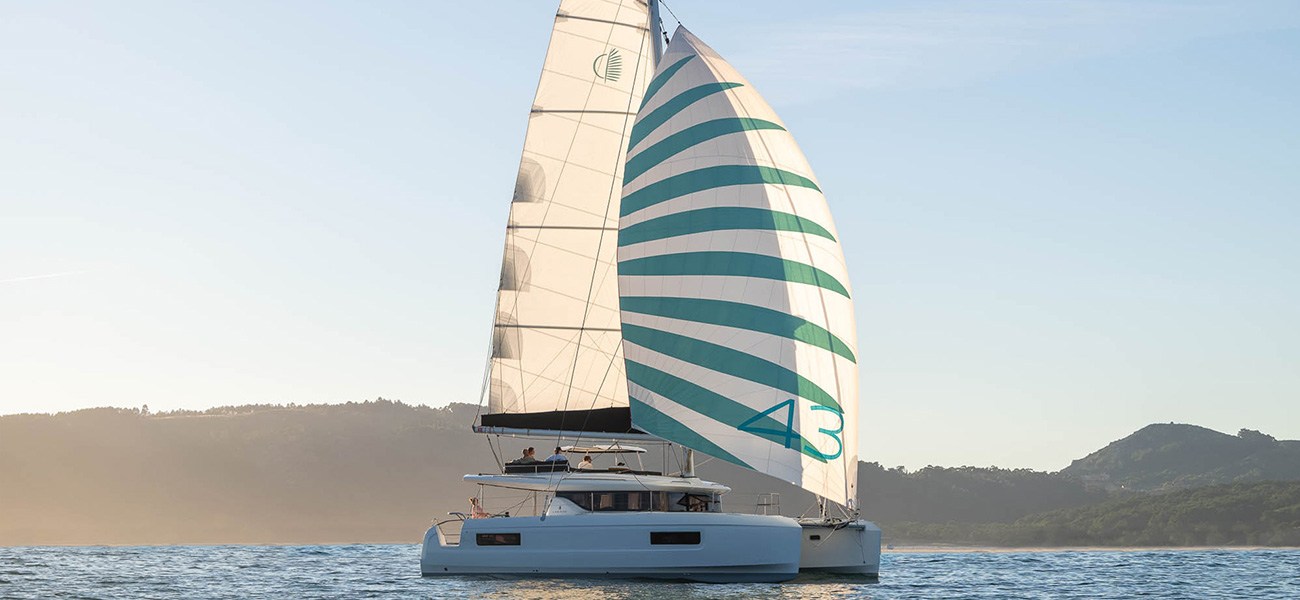
Yacht-based viewing provides distinct advantages over land-based observation or large commercial vessels. Understanding these benefits helps travelers select appropriate viewing platforms.
Larger yachts provide elevated viewing positions improving sighting distances substantially. The height advantage allows observers to spot distant blows, fins, or breaching before surface-level viewers detect activity. This early detection increases total viewing time and allows vessel positioning for optimal encounters.
Yacht mobility enables active pursuit of sighted animals within ethical approach distances. Unlike stationary land positions, vessels adjust positions following animal movements and optimizing lighting conditions. Captained charter services provide professional navigation maximizing viewing opportunities while maintaining legal and ethical separation distances protecting wildlife.
Private yachts accommodate 6-20 passengers versus commercial vessels carrying 50-150 guests. The reduced numbers improve individual viewing quality through less crowding at rails and greater flexibility responding to guest interests. Small groups also reduce noise levels potentially affecting animal behavior particularly with sensitive species.
Large commercial vessels offer advantages including naturalist programs, hydrophones for whale vocalizations, and often lower per-person costs. However, rigid schedules and crowded conditions limit flexibility and personal attention. Ocean wildlife adventures benefit from small group dynamics allowing customization impossible on mass-market tours.
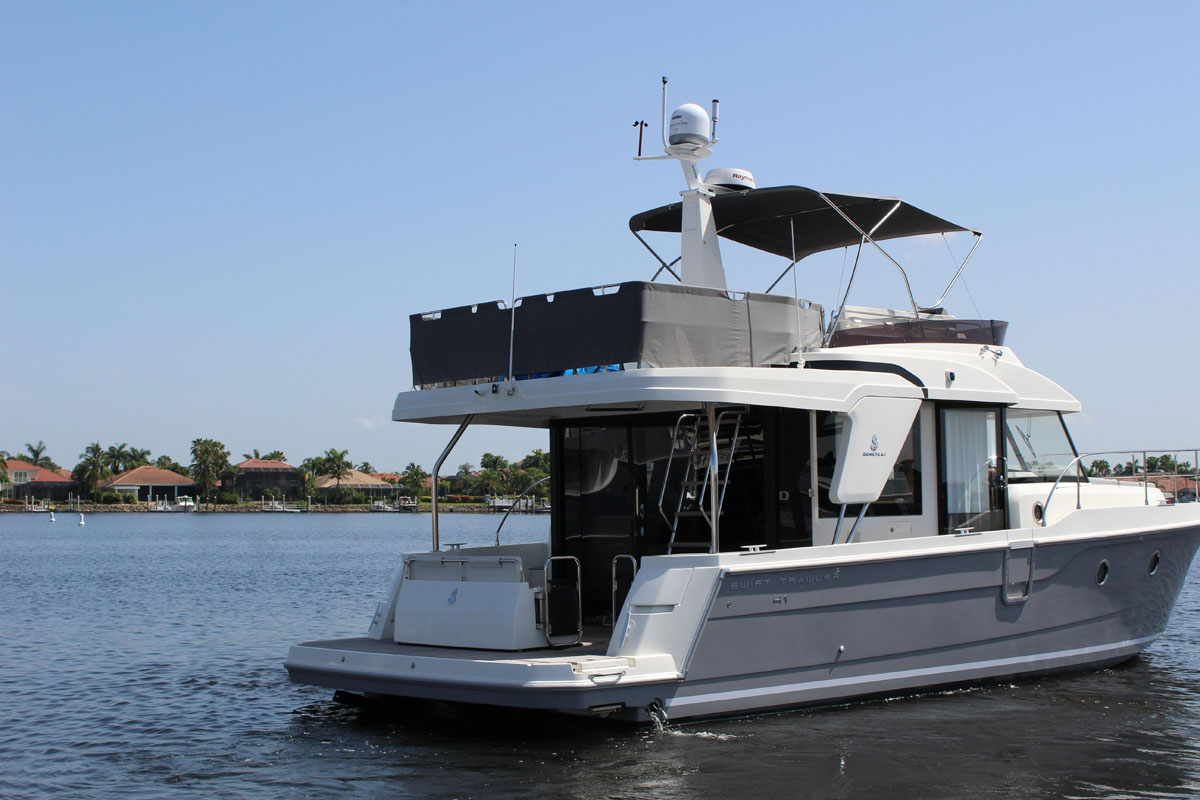
Enclosed cabins provide weather protection during December's cooler temperatures and potential precipitation. The ability to retreat to heated interior spaces maintains comfort during extended tours when continuous deck exposure becomes uncomfortable. Onboard facilities including restrooms, food service, and seating areas enhance overall experience quality.
Premium vessels offer stabilization systems reducing motion during elevated swells. This technology significantly improves comfort for motion-sensitive guests and enhances photography through reduced platform movement. The comfort improvements prove particularly valuable during December when conditions potentially exceed summer's typically calm patterns.
Strategic planning maximizes December wildlife viewing success. Following structured approaches helps guests secure optimal experiences within scheduling and budget constraints.
Marine wildlife tours typically run 2-2.5 hours providing sufficient time for travel to productive areas and extended observation periods. Several local operators like Newport Whales and Davey's Locker offer tours with multiple daily departures available. Morning trips often benefit from calmest conditions though afternoon departures sometimes encounter increased animal activity as daily feeding cycles peak.
December peak migration timing varies by region and target species. Gray whale southbound migration peaks mid-December through January while northbound movement occurs March through May. Understanding specific species timing prevents scheduling during transition periods when animal density drops between migration waves.
Tidal cycles influence marine mammal behavior particularly for species feeding in shallow coastal areas. Strong tidal currents concentrate baitfish attracting predators creating feeding frenzies. Scheduling tours during optimal tidal windows increases encounter probability substantially compared to slack tide periods with minimal water movement.
December's shortened daylight requires realistic scheduling. Sunset occurs around 4:30-5:00 PM in many regions limiting afternoon tour options. Morning departures maximize usable daylight though require early commitments potentially challenging for some guests. The compressed daylight also affects photography requiring strategic timing for optimal lighting conditions.
Marine forecasts provide essential information including wind speed, wave height, and visibility predictions. These specialized forecasts prove more accurate for ocean conditions than standard weather reports designed for land-based audiences. Checking marine forecasts the day before and the morning of tours allows informed decisions about participation based on current conditions.
Small craft advisories and marine warnings indicate dangerous conditions when tours should be canceled regardless of the desire for wildlife viewing. Reputable operators prioritize safety over revenue canceling when conditions exceed safe parameters. Understanding that cancellations protect guest wellbeing rather than representing operator shortcomings helps maintain appropriate perspectives during disappointing weather-related changes.
Proper preparation enhances comfort and viewing success significantly. Strategic packing ensures readiness for varying conditions without excessive gear creating storage challenges.
Layering proves essential for December comfort as temperatures and wind exposure fluctuate throughout tours. Base layers, insulating mid-layers, and waterproof outer shells accommodate varying conditions. The ability to add or remove layers maintains comfort during diverse activities from vigorous spotting to stationary observation.
Wind-resistant outer layers prove more important than simple warmth as wind chill dramatically affects perceived temperature. A calm 60°F feels comfortable while the same temperature with 20-knot winds creates genuine discomfort. Waterproof layers protect against spray particularly on smaller vessels or during closer animal encounters when whales' blows create mist covering nearby observers.
Fast lenses (f/2.8-f/4) prove essential for December's lower light levels particularly during early morning or late afternoon tours. Telephoto reach (200-400mm) allows capturing distant animals without excessive cropping maintaining image quality. Image stabilization becomes crucial on moving vessels where motion blur challenges even experienced photographers.
Binoculars (8x42 or 10x42) provide an optimal balance between magnification and stability on moving platforms. Higher magnifications amplify vessel motion making stable viewing difficult. Waterproof or water-resistant optics protect against spray and humidity. Quality optics substantially improve the viewing experience justifying investment for serious wildlife enthusiasts planning multiple tours.
Seasickness medications prove valuable given December's potentially elevated motion compared to summer's calm conditions. Preventive dosing before departure proves more effective than reactive treatment after symptoms develop. Alternative remedies including ginger supplements and acupressure wristbands provide options for guests preferring non-pharmaceutical approaches.
Sunscreen remains necessary despite winter timing as marine light reflection creates burn risks during extended exposure. Lip balm protects against wind and sun. Small snacks help maintain blood sugar preventing nausea while warm beverages provide comfort during cooler periods. These simple items collectively enhance overall experience by preventing predictable discomforts.
Understanding animal behaviors enhances viewing experiences and provides context for observed activities. Basic behavioral literacy transforms simple sightings into meaningful wildlife encounters.
Tours led by experienced captains and naturalists who provide educational commentary throughout trips help guests interpret observed behaviors. Feeding behaviors including lunging, bubble-net feeding, and coordinated hunting demonstrate complex social structures and learned techniques. These activities often occur in specific locations where prey concentrations create reliable opportunities.
Breaching—whales propelling entire bodies from water—serves multiple purposes including communication, parasite removal, and play. The spectacular displays create memorable viewing moments though predicting occurrences proves difficult as breaching happens sporadically. Migration behaviors appear less dramatic but observing steady directional travel connects viewers to epic journeys spanning thousands of miles.
Early December features initial migration wave arrivals while late December shows peak densities as the bulk of the population passes through viewing areas. Daily variations occur based on weather, prey availability, and individual animal schedules creating unpredictable elements even during peak periods. Understanding that wildlife viewing involves uncertainty rather than guaranteed sightings helps maintain realistic expectations.
Some days produce dozens of sightings while others yield minimal activity despite identical locations and conditions. This variability reflects natural systems' complexity rather than operator competence. Accepting uncertainty as inherent to authentic wildlife experiences rather than controlled zoo-like predictability creates more satisfying perspectives.
Experienced guides detect subtle indicators including distant blows, bird activity concentrating over baitfish, or water disturbances suggesting subsurface animal movements. These clues allow proactive positioning before obvious surface activity begins. The pattern recognition skill develops through thousands of hours observing marine environments creating expertise that guests cannot replicate during occasional visits.
Guides also interpret behaviors explaining what specific actions indicate about animal motivation, social dynamics, and likely next movements. This contextual information transforms passive observation into educational experiences connecting viewers more deeply with observed animals and their ecological roles.
Ethical wildlife viewing protects animals while ensuring sustainable tourism supporting conservation. Understanding and following best practices demonstrates respect for marine life and natural environments.
Legal regulations typically require 100-yard minimum distances from marine mammals with greater separations for specific species or situations. These distances prevent harassment disturbing natural behaviors. Excessive proximity causes stress potentially affecting feeding efficiency, rest periods, or maternal care creating cumulative impacts across multiple viewing incidents.
Speed restrictions in wildlife areas prevent collisions and reduce acoustic disturbance. Corporate charter operations following proper protocols demonstrate environmental responsibility while protecting long-term viewing opportunities through sustainable practices preventing habituation or avoidance behaviors.
Research operator certifications, memberships in conservation organizations, and documented commitment to viewing guidelines. Reputable operators clearly communicate their ethical standards and educate guests about proper wildlife interaction. Questions about approach protocols and environmental policies during booking conversations reveal operator priorities and professionalism.
Reviews mentioning aggressive pursuit, excessive proximity, or attempts to trigger behaviors indicate problematic operations. These practices jeopardize animal welfare and violate regulations risking citations and permit revocations. Supporting ethical operators through patronage decisions encourages industry-wide responsibility while boycotting irresponsible operations removes financial incentives for harmful practices.
Choose operators using fuel-efficient vessels and implementing waste reduction programs. Single-use plastic elimination, proper waste disposal, and gray water management demonstrate environmental commitment. Guests support these efforts by bringing reusable water bottles, minimizing trash generation, and following onboard recycling protocols.
Participate in citizen science programs documenting sightings through platforms like Whale Alert or iNaturalist. These contributions support research and conservation while enhancing personal engagement with observations. The dual benefit creates meaningful participation beyond passive consumption supporting scientific understanding of marine ecosystems.
Group composition significantly influences appropriate tour selection. Honest assessment of capabilities and preferences prevents mismatches diminishing experience satisfaction.
December wildlife tours accommodate families well though children should demonstrate sufficient patience for extended observation periods without constant activity. The educational components engage curious young minds while spectacular whale sightings create lifelong memories. Motion sensitivity requires honest evaluation as seasickness substantially diminishes enjoyment particularly for younger children.
First-time boaters benefit from December's generally mild conditions in prime viewing regions. The moderate seas provide authentic ocean experiences without extreme challenges discouraging future participation. Shorter tour durations (2-2.5 hours) accommodate uncertain tolerance levels without committing to extended periods potentially becoming uncomfortable.
Photographers should prioritize smaller vessels allowing positioning flexibility and reduced crowding at optimal shooting positions. Fleet selection balancing stability for sharp images against size restrictions affecting shooting angles proves crucial. Morning tours offer best lighting though afternoon options sometimes provide more dramatic conditions.
Communicate photography priorities during booking ensuring operators understand needs for positioning, extended observation periods, and tactical maneuvering. Some operators specifically accommodate photographers through specialized trips or seating arrangements. The advance coordination prevents conflicts between photographic objectives and general tourist priorities on mixed-use tours.
Vessel accessibility varies substantially from simple boarding stairs to challenging transfers requiring significant agility. Inquire specifically about boarding procedures, deck access, and restroom facilities ensuring adequate accommodation for mobility limitations. Some larger vessels provide wheelchair accessibility while smaller boats present substantial barriers.
Comfort-focused guests should prioritize larger stabilized vessels with enclosed cabin access. The enhanced amenities justify premium pricing for guests prioritizing comfort over authentic small-boat experiences. Understanding personal comfort priorities rather than accepting inadequate accommodations creating miserable experiences proves essential for satisfaction.
Systematic comparison ensures optimal selection among diverse operators and tour formats. Following structured evaluation approaches prevents overlooking critical factors during decision-making.
Target species and sighting probability drive route selection. Some operators access offshore waters targeting pelagic species while others emphasize coastal areas viewing pinnipeds and nearshore cetaceans. Understanding these distinctions prevents booking tours unlikely to encounter desired animals despite quality operators.
Duration balances sufficient observation time against fatigue and motion exposure. Two-hour tours provide adequate experiences for most guests while extended trips benefit serious enthusiasts seeking maximum time with animals. Price comparisons should account for duration differences ensuring fair value assessments across varying tour lengths.
Research operator safety records through regulatory agency databases and customer reviews. Coast Guard citations, accident histories, and insurance coverage indicate professionalism and risk management competence. Safety should never be compromised for cost savings as inadequate operations jeopardize guest well-being.
Local expertise developed through years operating specific regions substantially improves sighting success. Transient operators lacking deep local knowledge cannot match veterans' understanding seasonal patterns, productive locations, and daily tactical decisions maximizing encounters. This expertise justifies premium pricing through superior results.
Confirm exact inclusions, cancellation policies, and weather rescheduling options. Understanding refund eligibility and alternative date flexibility protects against financial loss from unavoidable cancellations. Clarify whether naturalist commentary, food, beverages, or other amenities include in base pricing or require additional payment.
Ask about typical December sighting success rates, species diversity, and weather conditions during the intended booking period. Realistic expectations prevent disappointment when conditions prevent ideal experiences despite operator's best efforts. Understanding that wildlife viewing involves inherent unpredictability creates appropriate perspectives for authentic natural experiences.
December marine wildlife viewing combines spectacular migrations, comfortable conditions, and exceptional educational opportunities creating unforgettable ocean experiences. The seasonal timing brings over 20,000 migrating gray whales, massive dolphin pods, and diverse seabirds to coastal waters during peak viewing periods. Strategic planning maximizing December's unique advantages while preparing for variable conditions ensures successful adventures respecting both wildlife and guest comfort.
Contact Newport Beach Sailing Charters today to plan your December marine wildlife adventure. Our experienced captains and naturalist guides provide expert commentary while navigating Southern California's productive waters during peak migration season. Whether seeking family-friendly educational experiences, photography-focused expeditions, or simply witnessing nature's majesty, our professional team ensures memorable encounters with December's spectacular marine life through ethical, comfortable, and expertly guided adventures.