


First-time sailing in Newport Beach feels far less intimidating when a professional captain is in control. You need no prior boating experience, sailing knowledge, or navigation skills. The captain handles all technical operations while you choose your participation level, and our first-time charter checklist covers the basics before you book.
Read on for what to expect on a charter in Newport Beach, from booking to dock return. We walk through booking decisions, boarding, safety briefings, family preparation, participation options, and how to pack for an easy sailing trip in Newport Beach that matches your group's needs.
A captained charter means you rent a yacht with a professional captain who runs the boat, adjusts sails, watches the weather, and follows safety protocols. Your only job is showing up ready to relax or pitch in.
The charter includes the yacht, captain, safety gear, cleanup, mooring and anchoring fees, and fuel. Guests need no boating licenses or prior sailing experience because a professional captain makes your charter safe and accessible for first-time sailors. You can also meet our captains before your trip.
A captained charter includes a professional captain, so guests need no boating experience or licenses. A bareboat charter requires the renter to operate the vessel, which calls for boating skills, navigation knowledge, and valid licensing.
Bareboat rentals suit experienced sailors who want independent control, while first-time guests usually choose captained charters to focus on the scenery and their companions.
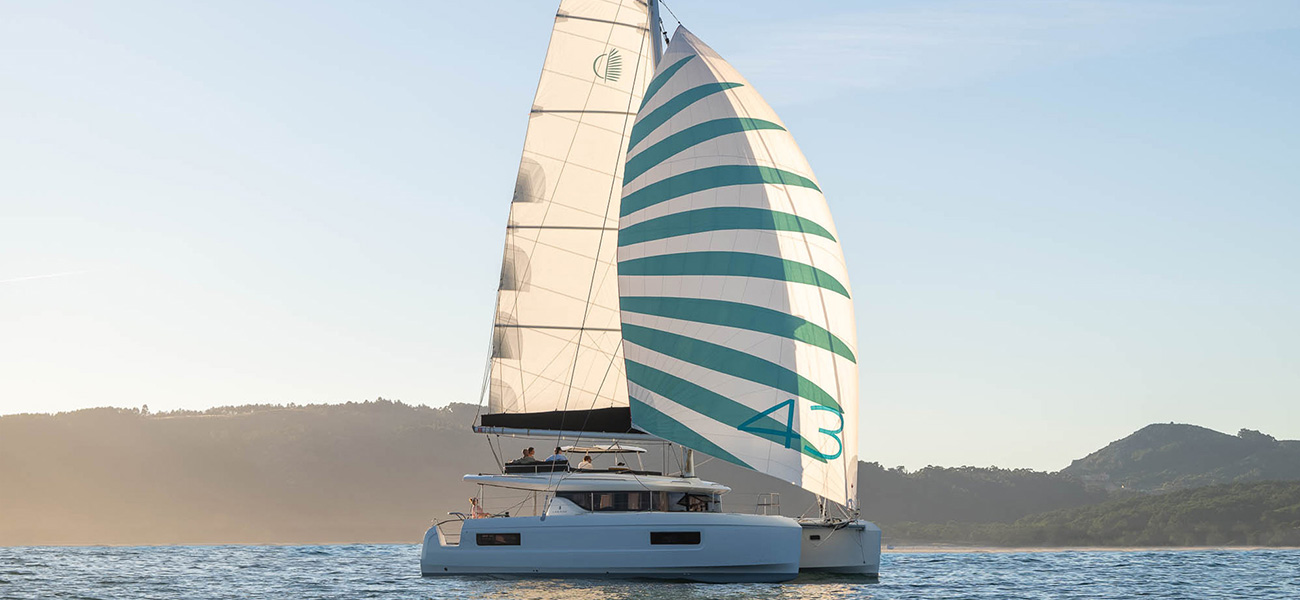
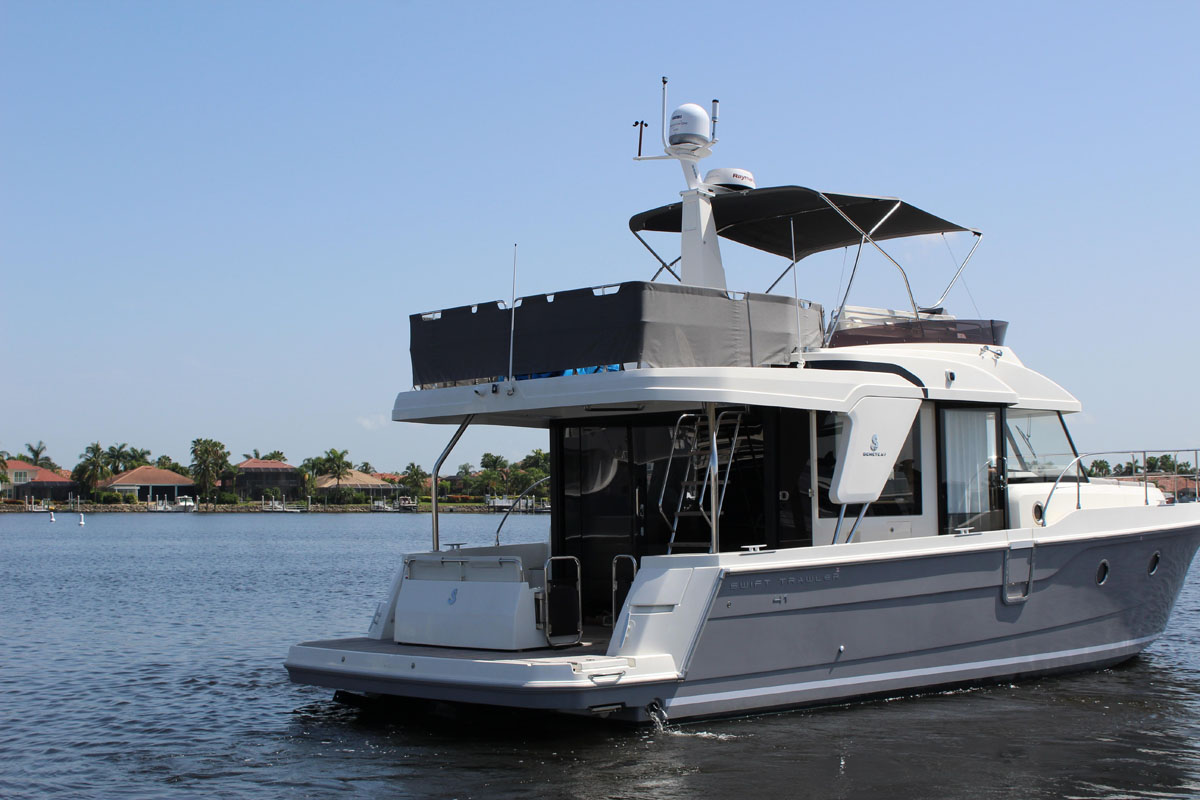
Vessel types for a beginner sailboat charter in Newport Beach include sailboats, powerboats, and catamarans. The table below compares how each one feels on the water.
| Vessel Type | How It Feels | Good Fit For |
|---|---|---|
| Sailboat | Wind-powered, leans (heels) under sail, classic sailing motion | Guests who want to steer and trim sails |
| Catamaran | Twin hulls, wide and flat deck, very little heeling | Families, larger groups, and guests worried about motion |
| Powerboat | Engine-powered, faster, smoother in variable conditions | Guests who want to cover more coastline |
Choosing the perfect sailboat for your Newport Beach charter depends on group size, comfort priorities, and whether you prefer wind-powered sailing or engine-powered cruising. If motion is a concern, compare catamaran and monohull stability before you book.
Charter length determines travel distance and activity time. Newport Beach Sailing Charters & Yacht Rentals offers day yacht charters in 3, 4, 5, 6, 7, or 8 hour lengths. Shorter charters stay in the harbor and near-coastal areas, while longer charters can reach destinations like Emerald Bay or extended stretches of coastline.
| Charter Length | Typical Route | Good Fit For |
|---|---|---|
| 3 hours | Newport Harbor and the harbor entrance | First-timers, young kids, and sunset sails |
| 4 hours | Harbor plus near-coastal sailing | Beginners who want time to try steering |
| 5 to 6 hours | Longer coastal stretches with a possible anchoring stop | Groups comfortable on the water and celebrations |
| 7 to 8 hours | Extended coastline or destinations like Emerald Bay, conditions permitting | Full-day groups bringing meals aboard |
Routes depend on charter duration, weather, wind direction, sea state, and guest preferences. The captain adjusts the route during the trip to match marine conditions, so your actual path may differ from the initial plan.
Booking choices set the vessel, time on the water, and charter price. You select a date, charter length, and boat, then view pricing for that rental, so you know what the charter includes before you commit. Booking early for peak season gives you more boats and time slots to choose from.
A three-hour harbor cruise and an eight-hour coastal trip differ in distance, meal planning, and how long kids stay engaged, so these early decisions set expectations for the whole day.
Pick a duration that matches your group's comfort and attention span. A shorter harbor or coastal outing lets beginners test their sea legs before committing to longer trips. Families with young children often find three- to four-hour charters easier to manage for snacks, restroom breaks, and keeping kids engaged.
For the date, consider seasonal weather and whether you want midday sun or late-afternoon light for photos. Booking several weeks ahead gives you more options during peak summer months.
Beginners and families should prioritize stability, deck space, and restroom access. Catamarans offer wide, flat decks that reduce heeling and give kids room to move. Sailboats feel more like classic sailing, with more pronounced movement that some first-timers love and others do not.
Charter style matters too. Some first-time guests want hands-on participation, while others prefer complete relaxation during their private yacht charter experience. Share your preference during booking so the captain knows whether you want to steer, trim sails, or simply enjoy the view.
Start by asking what the charter price includes. Inclusions typically cover the yacht, captain, safety gear, cleanup, mooring and anchoring fees, and fuel. The boat is not stocked with beverages, ice, or snacks, so guests bring their own food and drinks. For pricing by boat and length, see charter costs and options.
Also ask about child-sized PFDs, restroom facilities, boarding for guests with limited mobility, cancellation policies, and weather-related route changes.
The first fifteen minutes set the tone for safety. Arriving early leaves time to park, find the correct slip, meet your captain, and settle in before the boat moves.
Every charter starts with the captain greeting guests and showing where to step between dock and boat, where to keep bags dry, and where children should sit while underway.
Arrive at least fifteen minutes before departure and listen closely to the captain's instructions about stepping aboard, especially if moving between floating platforms is new to you. Stow bags in designated areas that keep them secure and dry.
Find the restroom, or head, right after boarding, and ask whether any areas are off-limits before leaving the dock.
Every charter begins with a short safety briefing before departure. It covers PFD locations and proper use, emergency procedures, safe movement on deck, and what to do if someone falls overboard. PFD stands for Personal Flotation Device, the technical term for a life jacket.
The captain also explains where safety equipment is stored, how to communicate during the trip, and any rules specific to your vessel. The briefing takes five to ten minutes and sets the foundation for sailing in comfort throughout your charter.
Children should stay seated in designated areas while the vessel is underway. Once the boat is stable and clear of dock traffic, the captain points out safe zones where kids can sit, stand, or move. Set movement rules with children before departure and back up the captain's instructions.
The head on most vessels is small, so ask your captain about the calmest times for bathroom breaks and whether children need adult help.
Captained charters support both active participation and complete relaxation. Guests can take the wheel or trim sails under the captain's supervision, or sit back while the captain handles everything. That flexibility takes the pressure off beginners who are unsure how involved they want to be.
Your participation level can change during the charter, from watching at first to steering later, or the other way around.
Once you reach open water with steady conditions, the captain may invite you to take the helm. Steering gives you direct control of the boat's direction while the captain monitors and coaches you. It also shows first-timers how wind, waves, and rudder input affect the boat.
Trimming sails means adjusting sail position to catch the wind efficiently and control speed and angle. If you are interested, the captain teaches basic trimming techniques while keeping safety oversight.
Interactive sailing by choice means you can join in or simply watch, with no pressure either way. Some guests steer, adjust sails, and ask about navigation, while others read, take photos, or talk with friends. The captain respects both approaches and adjusts to your stated preference.
Your comfort comes first. If you feel uneasy once underway, tell the captain you would rather relax.
Newport Harbor offers views of waterfront homes, yacht clubs, historic landmarks, and busy boat traffic. Coastal routes pass beaches, cliffs, and coves where sea lions, dolphins, and seasonal seabirds often appear. Sightings depend on season, time of day, and animal movement, so they are never guaranteed.
Sunset charters offer golden-hour light for photos, while midday trips give clear views of coastline details.
Family preparation centers on safety, comfort, and realistic expectations for children on a moving boat. Before the trip, explain to kids how boats move differently than cars, why following the captain matters, and what activities to expect. Many families choose catamarans because their stability at sea makes the day easier for kids.
Knowing PFD requirements, movement rules, and emergency procedures ahead of time lets you focus on enjoying the charter.
U.S. Coast Guard rules require children under 13 to wear a USCG-approved life jacket while a vessel is underway, unless they are below deck or inside an enclosed cabin. Every recreational vessel must also carry a USCG-approved wearable PFD for each person aboard. State rules can add their own requirements, so confirm your vessel's policy with the captain.
The U.S. Coast Guard's 2024 Recreational Boating Statistics report counted 556 boating deaths, with drowning as the most common cause. The same report found that 87% of drowning victims were not wearing a life jacket. Proper life jacket use matters for every guest, especially children.
Pack simple, non-messy snacks that need no refrigeration. Crackers, fruit pouches, granola bars, and pre-cut fruit in sealed containers work well. Skip greasy, heavy, or strongly scented foods that can trigger motion discomfort.
Hydration matters more on the water because sun reflection and ocean breeze hide how fast kids dehydrate. Bring a reusable water bottle for each child and encourage regular sips, since distracted children often ignore thirst.
The head is the restroom on a boat, and it is smaller and trickier to use than a household bathroom, so children may need adult help. Plan bathroom breaks for calmer moments.
Motion comfort varies by child, sea conditions, and vessel type, so parents should know what they love about charters that keep kids comfortable. Some children handle movement easily, while others need horizon views, fresh air, and light snacks to stay well.
Weather, tides, wind, and sea state all shape the captain's route decisions. Conditions change hour by hour, so the captain monitors marine forecasts and adjusts plans. NOAA provides tide predictions for Newport Harbor at the Corona del Mar station (9410580), which captains reference when planning departures. Our seasonal wind and weather guide explains how conditions shift through the year.
Keep expectations flexible. A route planned for a calm morning may shift if afternoon winds build or the sea state becomes uncomfortable.
The captain puts guest safety and comfort ahead of a fixed route. Wind direction affects sail efficiency and speed, sea state determines how much wave action you feel on deck, and tide timing affects harbor depth and current strength.
These real-time calls rely on the local knowledge professional captains bring to every charter.
Layers let you adjust as sun, wind, and air temperature shift. Start with a moisture-wicking base, add a light long-sleeve shirt for sun protection, and bring a windbreaker or fleece for cooler morning or evening stretches. Avoid cotton, which stays wet and cold after spray or a brief shower.
Non-marking shoes grip wet fiberglass or wood without scuffing the deck. Flat, rubber-soled boat shoes or athletic shoes work well, while flip-flops, high heels, and black-soled shoes should stay home.
Eat a light, bland meal like toast or fruit before departure, and avoid alcohol, excess caffeine, and greasy foods, since they raise seasickness risk.
Watch the horizon instead of reading or looking at your phone, which can worsen the mismatch between your eyes and inner ear. Stay on deck in fresh air rather than going below if you feel queasy, and ask your captain about proven tips to prevent and manage seasickness before symptoms get worse.
Bring only what you need in a small, soft-sided bag, since extra gear clutters the deck and loose items can blow overboard. Use this checklist to pack light and still be ready.
| Item | Why It Matters |
|---|---|
| High-SPF sunscreen | Sun reflecting off the water burns skin faster than on land |
| Polarized sunglasses | Cut glare from the water surface |
| Hat with a chin strap | Stays on in gusty wind |
| Layers and a windbreaker | Temperatures drop with wind and late-day light |
| Non-marking, rubber-soled shoes | Grip wet decks without scuffing |
| Reusable water bottles | Ocean breeze hides how fast you dehydrate |
| Food and drinks in sealed, unbreakable containers | The boat is not stocked with food, beverages, or ice |
| Personal medications | There are no stores once you leave the dock |
| Small, soft-sided bag | Stows easily in tight spaces |
Reapply high-SPF sunscreen every two hours and after any water contact, even with water-resistant products. Wide-brimmed hats cover more than baseball caps, but any hat needs a chin strap or clip on a moving boat.
Kids get messier on boats than most parents expect. Pack a full change of clothes in a waterproof bag in case of spills or spray, plus a light jacket or sweatshirt, since wind on the water feels cooler than the air temperature suggests.
Child-specific sun protection includes sunscreen for sensitive skin, rash guards for clothing-based coverage, and small sunglasses with straps. A favorite small toy or blanket can help if your child feels anxious about new experiences.
Guests are welcome to bring food and beverages because the boat is not stocked with beverages, ice, or snacks. Pack food in sealed containers, and choose simple finger foods over meals that need plates and utensils.
Bring drinks in unbreakable containers, since broken glass on deck is a hazard. Learn more about bringing your own food and drinks on a charter for container tips, alcohol policies, and cleanup expectations.
Your first time yacht rental in Newport Beach should feel approachable once you know what to expect. The right charter length, vessel type, and participation level let you shape a day that fits your comfort zone, while Newport Beach Sailing Charters & Yacht Rentals provides the vessel, captain, and safety equipment.
Family charters go well when parents plan around child safety rules, comfort needs, and realistic attention spans. Understanding what to expect when first-time sailing helps you prepare for a day that balances adventure with low stress. Weather and sea conditions shape every trip differently, which makes each charter a personal experience rather than a scripted tour.
Your first day on the water should feel exciting, not stressful. Since 2006, Newport Beach Sailing Charters & Yacht Rentals has welcomed first-time guests, families, and groups aboard captained sailboats, catamarans, and powerboats from Balboa Marina. You decide whether to take the helm or kick back, and our captains handle the rest.
Book direct for our lowest rate guarantee with no booking fees. Call us at (800) 609-3203 or request a quote online and tell us your date, group size, and how hands-on you want to be. We will help you pick the right boat and charter length for your first sail.
No. On a captained charter, a professional captain operates the boat, handles the sails, and manages safety for the entire trip. You do not need a boating license or any prior sailing knowledge. If you want to learn, the captain can show you how to steer and trim sails once conditions are steady.
Most first-time guests do well with a three- or four-hour charter. That length gives you time to settle in, see Newport Harbor, and try steering, and it is easier for families with young kids. Once your group knows it enjoys the water, a five- to eight-hour charter opens up longer coastal routes.
Charter pricing typically includes the yacht, a professional captain, safety gear, cleanup, mooring and anchoring fees, and fuel. The boat is not stocked with food, beverages, or ice, so guests bring their own. Your price depends on the date, charter length, and vessel you select. Booking directly means you pay no booking fees.
Yes, with the right preparation. Children under 13 should wear a USCG-approved life jacket while the boat is underway, and each vessel carries a wearable PFD for every person aboard. Ask about child-sized PFDs when you book, and keep kids seated while the boat is moving. Catamarans are a popular family choice because their wide, stable decks reduce motion.
Dress in layers so you can adjust as the sun, wind, and temperature change. A moisture-wicking base, a light long-sleeve shirt, and a windbreaker cover most conditions. Wear non-marking, rubber-soled shoes that grip a wet deck, and leave flip-flops and heels at home. Add a hat with a chin strap, polarized sunglasses, and high-SPF sunscreen.Your First Sailing Experience: What to Expect on a Newport Beach Charter