


Newport Beach waters host extraordinary marine wildlife displays throughout summer, with June marking the beginning of spectacular dolphin mega pod season. Common dolphins gather in groups numbering thousands, creating breathtaking wildlife encounters alongside early-season blue whale arrivals. This coastal destination combines accessible departure points, diverse charter options, and exceptional year-round marine mammal activity.
Nutrient-rich upwelling, protected coastal waters, and migratory patterns create optimal conditions for family marine wildlife observation. Professional charter operators provide specialized vessels ranging from large stable catamarans to intimate Zodiac boats. Understanding seasonal patterns, vessel differences, and booking requirements helps visitors maximize their dolphin spotting Newport Beach opportunities during peak activity months.
Newport Beach offers consistent marine mammal encounters due to its strategic location along migratory corridors and nutrient-dense feeding zones. The continental shelf edge lies within 12 miles of shore, creating accessible deep-water habitat where cetaceans concentrate. Year-round resident populations combine with seasonal migrants to ensure reliable wildlife viewing.
Protected harbor facilities provide safe vessel departures regardless of ocean conditions, maintaining high operational reliability. Multiple charter operators offer diverse vessel types suited to different comfort levels and group sizes. Proximity to Los Angeles and Orange County positions Newport Beach as the most convenient Southern California wildlife charter destination.
Common dolphins represent the most frequently encountered species, with resident pods numbering hundreds visible year-round. Bottlenose dolphins patrol nearshore zones, often approaching vessels and bow-riding alongside charters. Pacific gray whales migrate southbound from December through February and return northbound from March through May, passing close to shore.
Blue whales arrive during summer to exploit seasonal krill concentrations created by coastal upwelling. Humpback whales display acrobatic behaviors, including breaching and tail-slapping, from May through October. Fin whales and minke whales appear irregularly but provide memorable encounters when sighted.
Blue whale peak season occurs during July-August, with the highest concentration due to upwelling creating rich feeding grounds. May sighting success rate reaches 85-90% as returning humpback whales perform spectacular acrobatic displays. Blue whale sighting success rate exceeds 95% during peak summer months when feeding aggregations stabilize.
Weather-dependent sighting success rates fluctuate based on ocean visibility, wind conditions, and sea state. Seasonal availability varies by species, with gray whales dominating winter months and blue whales concentrating in summer. Fall and spring transitions bring diverse species combinations as migration patterns overlap across different charter scheduling periods.
Mega pods describe massive dolphin aggregations numbering thousands gathered for coordinated feeding on abundant prey schools. Common dolphins form these spectacular groupings when anchovy and sardine concentrations reach critical densities. The formations span miles of ocean surface, creating dramatic wildlife displays visible from considerable distances.
Mega pod sightings represent peak wildlife encounter opportunities, offering continuous dolphin activity including leaping, bow-riding, and synchronized swimming. These gatherings attract additional marine life, including sea lions, seabirds, and predatory fish. June marks the beginning of mega pod frequency increases that continue through summer.
Urban visitors comprise 60-65% of market demand, primarily from Los Angeles, San Diego, and Orange County. Suburban visitors represent 25-30% of the market share, typically families seeking weekend educational activities. International and wider tourist markets account for 15-20% of participants.
Millennials ages 25-40 travel most frequently and seek experiential activities worthy of social media documentation. Generation X, ages 41-56, prioritize balanced comfort and adventure, choosing mid-range options with quality amenities. Baby Boomers prefer leisurely paced tours with premium comfort features, while Generation Z seeks authentic, shareable experiences.
Urban visitors demonstrate higher disposable incomes and value convenience, frequently choosing premium charter options and weekday departures. Suburban visitors prioritize family-friendly features, including restrooms, snack bars, and stable vessel platforms, minimizing seasickness risks. International tourists prove less price-sensitive, seeking iconic California experiences.
Millennials ages 25-40 influence booking patterns through online reviews and social media. Generation X ages 41-56, balance adventure with comfort requirements, driving demand for mid-range catamaran options. Each demographic segment displays distinct booking windows, vessel preferences, and seasonal timing aligned with vacation patterns.
Wildlife encounter quality holds 30-35% importance to consumers, measured by viewing distances, encounter duration, and vessel crowding levels. Educational value represents 20-25% importance through expert naturalist guides providing species identification and behavioral interpretation. Safety and comfort account for 15-20% importance via proper licensing, safety equipment, and vessel stability.
Responsible practices carry 10-15% importance as eco-conscious travelers seek operators following wildlife interaction guidelines. Price and value represent 8-12% importance, with consumers demonstrating willingness to pay premiums for superior experiences. These preference hierarchies guide operators in designing June whale & dolphin tours that satisfy primary decision drivers.
Expert naturalist guides transform wildlife sightings into educational experiences by explaining cetacean behavior, migration patterns, and ecosystem relationships. Structured interpretation ensures satisfaction even during lower wildlife activity by contextualizing marine environments and conservation challenges. Educational components justify premium pricing while enhancing perceived value.
Conservation messaging promotes responsible ocean stewardship and supports species protection. Many operators contribute revenue portions to marine research programs or habitat protection initiatives. Educational emphasis differentiates quality operators from basic sightseeing tours, attracting environmentally conscious demographics.
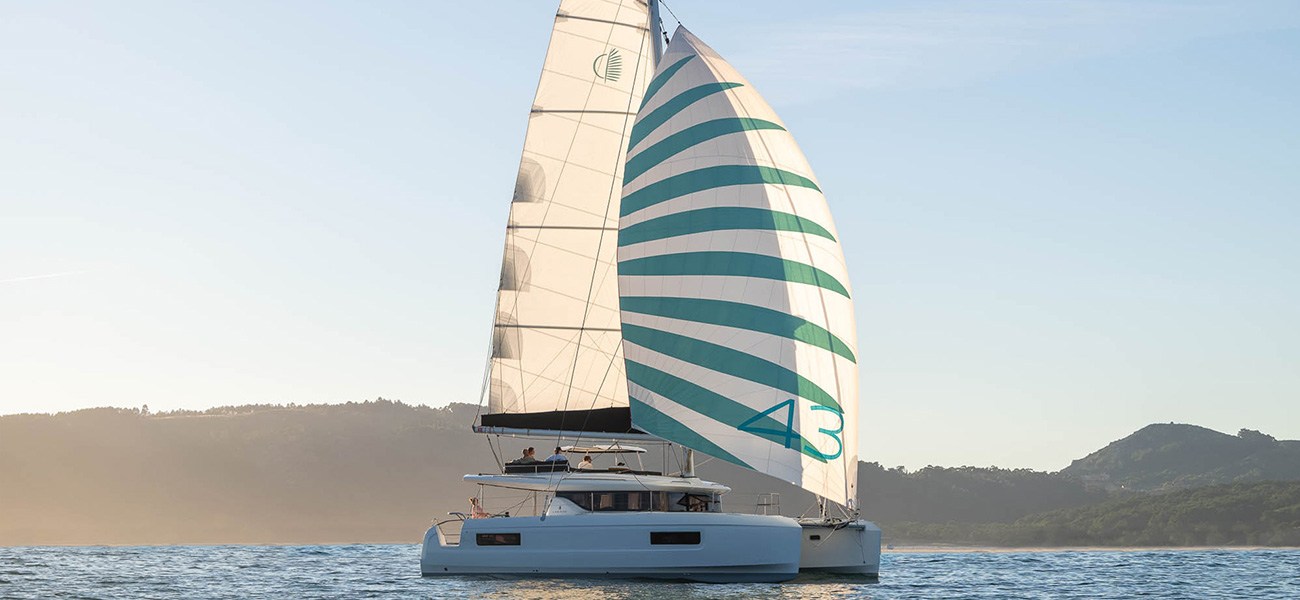
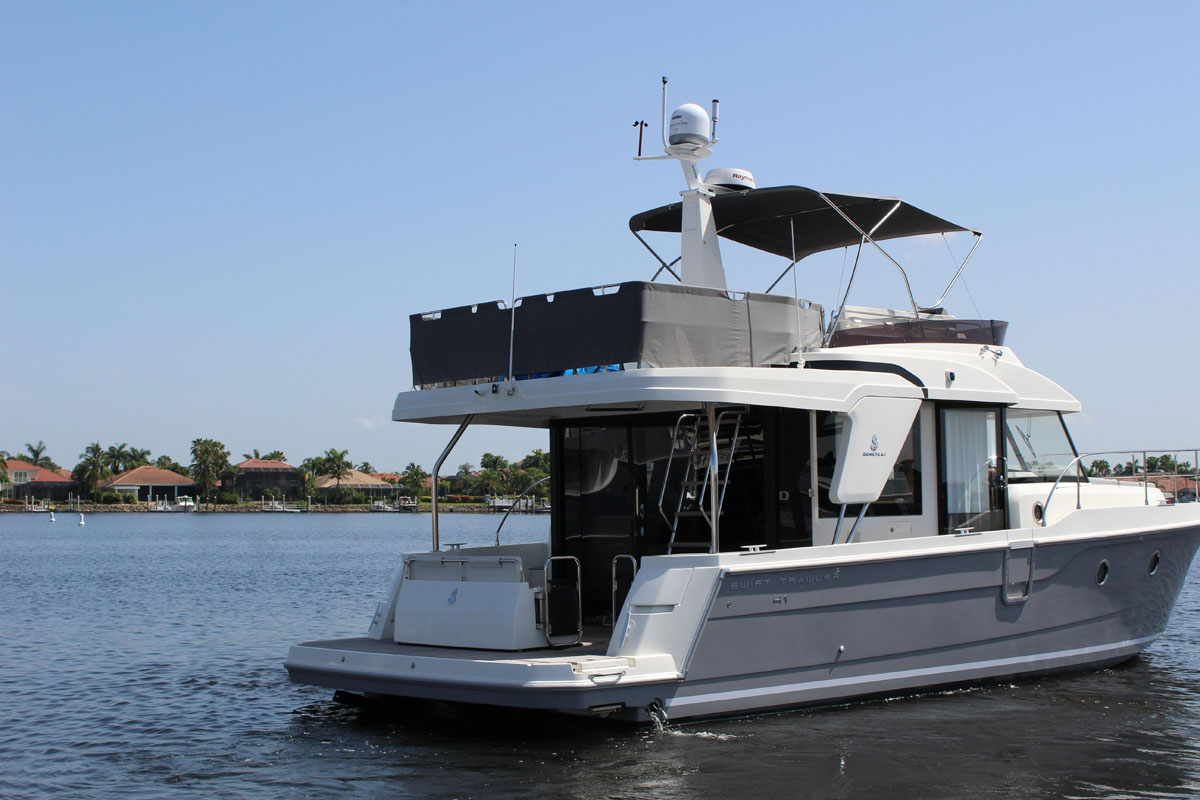
Budget-friendly standard tours utilize large catamarans measuring 80+ feet, accommodating 100-150 passengers with indoor/outdoor seating and snack bars. Mid-range comfort tours operate medium catamarans spanning 50-60 feet, carrying 40-50 passengers with cushioned seating and partial coverage. Premium intimate experiences employ small zodiac boats 25-35 feet long, hosting 6-19 passengers with water-level viewing perspectives.
Private charters provide dedicated vessels with custom itineraries, exclusive crew assignments, and personalized experiences. Each tier addresses specific consumer priorities, balancing encounter quality, comfort features, group size, and budget constraints. Vessel selection significantly impacts overall satisfaction based on individual preferences.
Budget-friendly standard tours feature large catamarans 80+ feet long, accommodating 100-150 passengers with excellent stability and essential amenities. High-capacity vessels provide indoor/outdoor seating, snack bars, restrooms, and shade areas appealing to families and first-time visitors. Twin-hull construction minimizes rolling motion, reducing seasickness risks.
Mid-range comfort tours utilize medium catamarans 50-60 feet long, carrying 40-50 passengers with cushioned seating and partial weather protection. Some vessels feature underwater viewing pods allowing below-surface marine life observation. Premium intimate experiences employ Zodiac boats providing water-level perspectives ideal for photography and close wildlife approaches.
Budget-friendly standard tours range $33-$45 per adult, capturing 35-40% market share through accessible pricing and family-friendly features. Mid-range comfort tours price $75-$85 per adult, attracting couples and small groups seeking enhanced comfort. Premium intimate experiences cost $90-$192 per adult, serving wildlife enthusiasts and photographers prioritizing encounter quality.
Private charters begin at $350+ with customizable group rates based on vessel size, duration, and included services. Pricing reflects passenger capacity, crew expertise, vessel features, and operational costs. Understanding charter costs helps consumers identify options matching their budget and experience priorities.
Large catamaran capacity reaches 100-150 passengers, making them ideal for families, budget-conscious travelers, and first-time visitors. Medium catamaran capacity of 40-50 passengers suits couples, friend groups, and those seeking balanced comfort with manageable crowds. Small zodiac capacity of 6-19 passengers serves serious wildlife enthusiasts, photographers, and adventure seekers.
Wildlife encounter quality improves through close viewing distances, extended encounter durations exceeding 40 minutes, and reduced vessel crowding. Premium tours offer unobstructed eye-level perspectives ideal for photography versus standard tours with elevated viewing decks. Zodiac tours reach wildlife faster due to higher speed capabilities, maximizing encounter time.
June represents the prime season for dolphin mega pods as common dolphins aggregate in massive formations numbering thousands. Early blue whale arrivals coincide with June departures, providing dual encounter opportunities. Summer months deliver the highest sighting reliability due to stable upwelling patterns maintaining abundant prey concentrations.
May offers spectacular humpback whale acrobatic displays during northbound migration with 85-90% sighting success rates. July-August constitutes blue whale peak season with 95%+ encounter reliability driven by maximum krill availability. Understanding seasonal patterns enables strategic timing for specific species encounters and optimal weather conditions.
June demand increases 35-40% above average months as mega pod formation frequency accelerates with seasonal prey abundance. Common dolphins respond to spawning anchovy and sardine schools that concentrate in Newport Beach waters during early summer. Temperature gradients and upwelling intensity reach optimal levels, triggering massive dolphin aggregations.
Visit in May for the most spectacular acrobatic displays as humpback whales perform breeding behaviors. June balances excellent dolphin activity with emerging blue whale presence, offering diverse encounter possibilities. Operators schedule additional departures during June to accommodate elevated demand and capitalize on reliable wildlife activity.
Blue whale peak season occurs during July-August, with the highest concentration due to upwelling creating rich feeding grounds. Krill populations reach maximum density during late summer, attracting earth's largest animals to accessible nearshore feeding areas. Summer peak revenue from July-August represents 50-55% of annual operator income, driven by premium pricing and maximum capacity bookings.
May delivers returning humpback whale populations displaying energetic surface behaviors. September and October extend the blue whale season as feeding conditions remain favorable. Each summer month offers distinct wildlife characteristics, with June providing transitional diversity between species and behavioral patterns.
May demand increases 20-25% versus average months as spring whale migration draws regional visitors. Book during June-August peak season for blue whales and massive dolphin pods, requiring advanced reservations and accepting premium rates. Operators implement dynamic pricing, with summer months commanding the highest per-passenger rates due to exceptional wildlife reliability.
Shoulder seasons, including April-May and September-October, offer reduced pricing while maintaining strong sighting success rates. Winter gray whale migration from December through March provides alternative peak periods. Strategic booking timing balances desired wildlife encounters with budget constraints and crowd avoidance.
Expert naturalist guides provide continuous interpretation explaining cetacean behavior, identification features, and ecological relationships throughout charter durations. Real-time species identification includes age class determination, behavioral state assessment, and individual recognition based on distinctive markings. Guides contextualize sightings within broader migration patterns, population status, and conservation challenges.
Hydrophones broadcast underwater vocalizations, allowing passengers to hear dolphin whistles, whale songs, and echolocation clicks. Educational materials, including species guides, migration maps, and conservation information, enhance understanding. Operators emphasize responsible viewing practices, including approach distances, duration limits, and behavioral sensitivity, protecting animal welfare.
Professional naturalists deliver structured presentations covering local marine ecosystem characteristics, seasonal wildlife patterns, and species-specific natural history. Interactive question-and-answer sessions address passenger curiosity while customizing content to audience age ranges. Visual aids, including laminated identification guides, enable passengers to distinguish species through field mark recognition.
Conservation messaging explains threats facing marine mammals, including ship strikes, entanglement, pollution, and climate change impacts. Many operators partner with research institutions, sharing sighting data that contributes to population monitoring. Educational emphasis transforms simple yacht dolphin adventure outings into meaningful learning experiences that foster environmental stewardship.
Large catamarans versus zodiacs demonstrate superior stability versus water-level viewing, each offering distinct advantages. Twin-hull construction minimizes rolling motion compared to single-hull vessels, significantly reducing seasickness incidence. Coast Guard certification ensures all vessels meet federal safety standards regarding equipment, crew training, and operational protocols.
Seasickness risk increases on smaller vessels versus large catamarans due to a more pronounced wave response. Large vessels offer essential amenities like restrooms and snack bars, versus smaller vessels with limited facilities. Limited amenities on Zodiac vessels represent acceptable trade-offs for serious wildlife enthusiasts prioritizing close encounters.
Licensed operators follow federal Marine Mammal Protection Act guidelines, maintaining minimum approach distances and preventing behavioral disturbance. Speed reductions near wildlife prevent collision risks while minimizing underwater noise that disrupts cetacean communication and feeding. Parallel vessel positioning rather than head-on approaches reduces perceived threat and allows animals control over interaction distances.
Time limits prevent prolonged disturbance, with responsible operators departing after reasonable viewing periods. Engine cutoffs during close stationary encounters eliminate propeller strike risks and reduce acoustic disturbance. Responsible dolphin watching practices ensure sustainable tourism that protects populations while delivering quality encounters.
Vessel capacity directly impacts viewing quality, with a large catamaran capacity of 100-150 passengers creating crowded viewing conditions. Medium catamaran capacity of 40-50 passengers balances reasonable group sizes with per-passenger cost efficiency and vessel stability. Small zodiac capacity of 6-19 passengers maximizes individual viewing opportunities and enables close approaches impossible for larger vessels.
Personal comfort requirements, including seasickness susceptibility, mobility limitations, and amenity needs, determine appropriate vessel selection. Budget constraints versus experience quality preferences guide tier selection between budget, mid-range, and premium options. Proper planning considerations ensure charter selection aligns with participant expectations and physical capabilities.
Large catamaran capacity of 100-150 passengers suits budget-focused families accepting crowded viewing conditions for accessible pricing. Medium catamaran capacity of 40-50 passengers serves those seeking comfort upgrades without premium costs. Small zodiac capacity of 6-19 passengers attracts dedicated wildlife enthusiasts willing to sacrifice amenities for superior encounters.
Premium tours offer unobstructed eye-level perspectives ideal for photography versus standard tours with elevated viewing decks. Zodiac tours reach wildlife faster, maximizing encounter time during fixed charter durations. Choosing appropriate vessels requires an honest assessment of priorities, physical limitations, and experience goals.
Families with young children benefit from large catamaran stability, restroom access, and indoor refuge from sun exposure or temperature changes. Budget-friendly pricing accommodates multiple family members while educational programming engages children. Snack bars and comfortable seating enable longer charter durations without discomfort.
Photographers require unobstructed low viewing angles, minimal vessel crowding, and fast positioning capabilities best delivered by premium Zodiac options. Adventure seekers prioritize close wildlife proximity, dynamic vessel handling, and immersive water-level perspectives over comfort amenities. Understanding diverse marine life helps set realistic expectations for different charter types and seasonal variations.
Book 3-4 weeks in advance during the summer season to secure preferred departure dates and optimal time slots. Premium tier tours and private charters sell out earliest due to limited capacity and high demand. Weekend dates require earlier booking windows than weekday departures, particularly during July-August blue whale peak season.
Last-minute availability occasionally exists for budget-tier large catamaran tours due to higher passenger capacity. Flexible travelers willing to accept alternative dates have access to better availability and occasional discounted rates. Early booking ensures optimal charter experiences during preferred timeframes.
The global wildlife tourism market, valued at $155.4 billion to $180 billion as of 2024, reflects sustained growth in experiential travel. Marine wildlife tour segment holds nearly 40% of market share, demonstrating strong consumer preference for ocean-based encounters. Market projected to grow at a CAGR of 5.2% to 8.35% over the next decade, driven by increasing environmental awareness.
The market potentially reaches $258.1 billion by 2035 as developing economies expand middle-class participation. Whale watching tourism market valued at $2.85 billion to $3.1 billion in 2024 represents a significant economic impact supporting coastal communities. Newport Beach captures substantial Southern California market share through strategic location, diverse charter options, and exceptional year-round wildlife reliability.
June mega pod sightings and blue whale season position Newport Beach as a premier North American marine wildlife destination. Consistent dolphin spotting in Newport Beach opportunities, combined with seasonal whale diversity, create compelling value propositions attracting domestic and international visitors. The combination of accessible urban location, protected harbor infrastructure, and nutrient-rich offshore waters establishes sustainable competitive advantages within expanding global wildlife tourism markets.
Newport Beach Sailing Charters offers personalized wildlife encounters with flexible itineraries designed around individual preferences and group dynamics. Professional crews combine local expertise with commitment to responsible wildlife viewing practices, protecting marine mammal populations. Whether seeking hands-on sailing participation or relaxed observation, customized charters deliver memorable encounters with California's spectacular marine wildlife.
When thousands of common dolphins surge through these waters this June, you'll want more than a crowded deck and a distant view. Charter privately with Newport Beach Sailing Charters & Yacht Rentals and bring only your people, on your schedule, at your pace. Sit close to the water as bow-riders glide alongside, scan the horizon for an early blue whale spout, and let your captain read the conditions to put you right where the activity is happening.
Book direct and you get the lowest rate guaranteed: no booking fees, no shared vessel, no rushed itinerary. Just your group, your yacht, and one of the most extraordinary wildlife displays on the Pacific coast. June dates fill 3 to 4 weeks ahead. Reserve yours before the pods peak. Contact our team to design your personalized Newport Beach wildlife charter with expert guidance and transparent pricing.