

Key Takeaways:
Newport Beach delivers year-round marine wildlife encounters through nutrient-rich waters supporting diverse species populations. Unlike seasonal whale migrations, dolphins maintain a constant presence along Southern California's coast, creating reliable viewing opportunities regardless of departure dates. Understanding what species appear regularly, when sightings peak, and how charter vessels enhance encounters helps determine whether wildlife-focused trips match specific travel interests.
The San Pedro Channel's nutrient-dense waters create thriving ecosystems where dolphins, sea lions, seabirds, and occasional whales concentrate predictably. Charter access to offshore feeding areas increases encounter frequency and quality compared to shore-based observation. The following sections clarify which species appear most commonly, what behaviors guests observe, and how responsible viewing practices support long-term wildlife health while maximizing charter satisfaction.
Species diversity distinguishes Newport Beach waters from single-focus wildlife destinations. Understanding the range of animals appearing regularly helps set realistic expectations while appreciating ecosystem complexity beyond simply spotting dolphins.
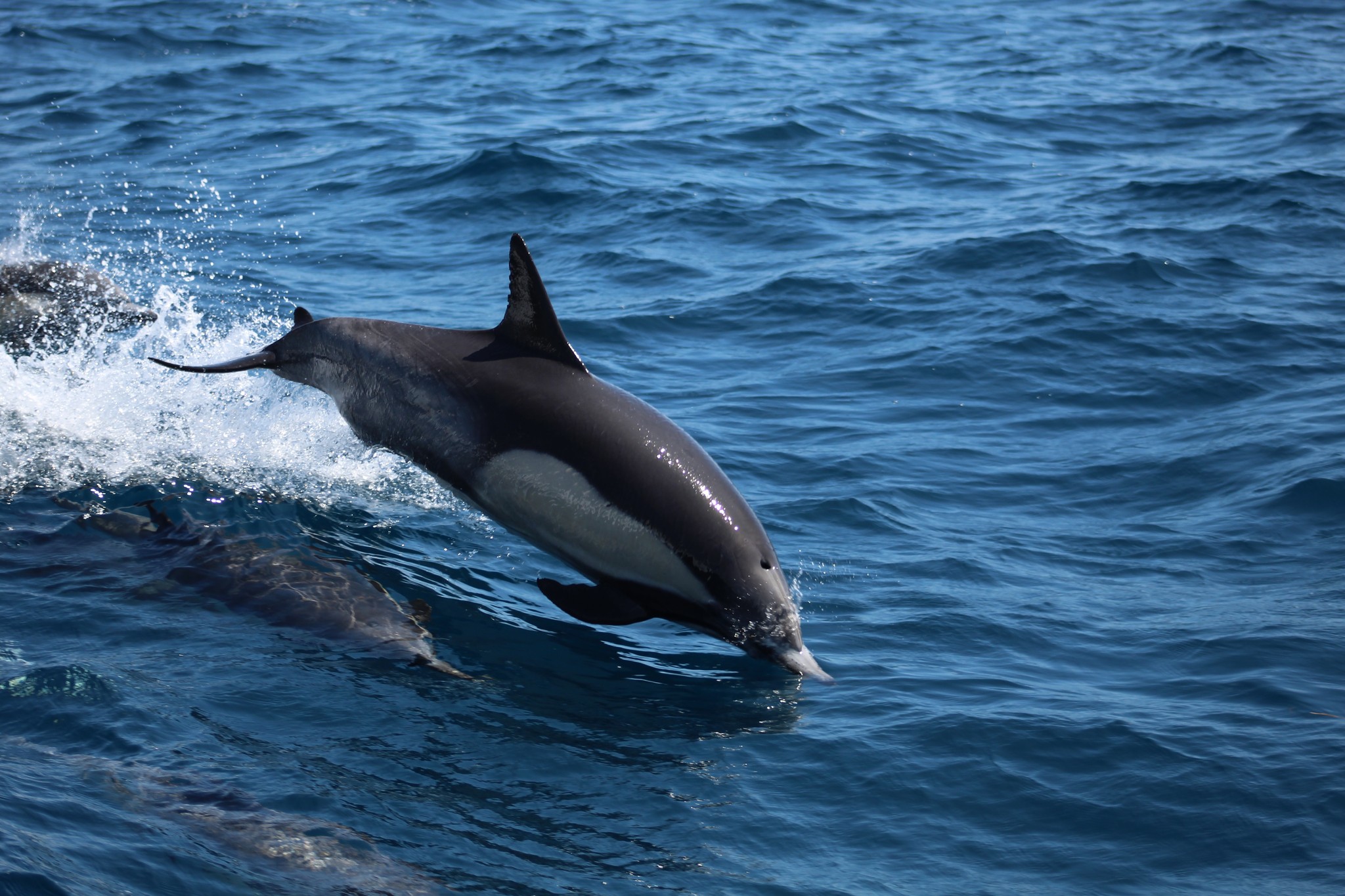
Common dolphins appear in massive groups sometimes numbering hundreds or even thousands in "super pods" creating breathtaking surface spectacles. These smaller, more slender dolphins display distinctive hourglass patterns on their sides while demonstrating high-speed stampedes and energetic leaps. The sheer scale and energy mesmerize charter guests when ocean surfaces fill with synchronized movements and audible calls from vast congregations.
Bottlenose dolphins, famous for intelligence and charisma, prove larger and more robust than common dolphins. They frequent waters closer to shore, exhibiting playful behaviors including bow-riding and surfing in boat wakes. Marine biologists note these interactions demonstrate dolphins' playful nature and strong social bonds, though such vessel engagement proves rare compared to typical offshore travel patterns. Late spring super pod encounters showcase hundreds to thousands of common dolphins leaping, splashing, and racing alongside vessels for extended periods.
California sea lions prove abundant, often basking on buoys and jetties throughout Newport Harbor and coastal areas. Harbor seals maintain presence but remain shyer and less commonly observed than their gregarious sea lion counterparts. The contrast in visibility stems from behavioral differences rather than population disparities.
Mola mola or sunfish, the heaviest bony fish in the world, create unique sightings when basking on their sides at the surface for warmth. Shark species including mako, thresher, and occasionally great white sharks inhabit local waters though encounters remain uncommon during typical charters. Seabirds fill airspace as densely as marine mammals populate waters—pelicans, cormorants, gulls, and terns constantly patrol for feeding opportunities. Summer charters exemplify this diversity when single trips encounter mola mola, bottlenose dolphins, and California sea lion colonies within hours, demonstrating how Newport Beach waters consistently deliver surprising variety.
Geographical and oceanographic factors create consistent dolphin presence. Understanding why this area attracts and maintains populations helps appreciate the reliability distinguishing Newport Beach from less predictable wildlife destinations.
Nutrient-rich waters of the San Pedro Channel create thriving ecosystems supporting diverse species arrays making any day on the water a potential wildlife adventure. The upwelling patterns bring deep, nutrient-dense water to surface layers where sunlight triggers phytoplankton blooms. These blooms support small fish populations that attract dolphins, larger fish, and marine mammals throughout the food chain.
The concentration effect means prey species gather predictably in these productive zones, drawing dolphins to specific coastal corridors repeatedly. This reliability allows charter operators to target high-probability areas rather than searching vast ocean expanses hoping for chance encounters. The ecosystem stability creates year-round opportunities versus seasonal windows limiting other destinations.
Newport Beach ranks among the best places in the world to see large dolphin pods, with these marine mammals serving as star attractions known for acrobatic displays and playful boat interactions. The coastal configuration funnels dolphin travel through nearshore corridors accessible to charter vessels without extensive offshore passages. This proximity means more observation time and less transit time compared to destinations requiring hour-long approaches to wildlife areas.
Year-round presence contrasts with seasonal whale migrations that concentrate viewing into specific months. Dolphins maintain constant coastal traffic regardless of season, though abundance and species composition shift somewhat throughout the year. Frequently asked questions address common inquiries about dolphin sighting reliability and species identification.
Seasonal patterns and daily timing affect encounter quality. Understanding these variables helps schedule charters during optimal windows while maintaining realistic expectations for shoulder periods.
Marine life appears year-round though certain months offer higher likelihood for specific encounters beyond dolphins' constant presence. Wildlife encounter calendars show common dolphins peak during late spring when super pods concentrate most densely. Summer brings diverse marine life including blue whales, mola mola, bottlenose dolphins, and active sea lion colonies creating varied experiences within single charters.
The seasonal variation means charter goals should align with timing—summer diversity versus spring dolphin density versus winter whale migration overlap. However, dolphins' year-round presence ensures wildlife encounters occur regardless of season, distinguishing these charters from whale-watching trips dependent on narrow migration windows. The reliability reduces scheduling pressure since acceptable viewing opportunities exist throughout the calendar.
Typical tours lasting 2-3 hours depart from Newport Harbor providing views of Orange County's stunning coastline during transit to offshore wildlife areas. Morning departures often encounter calmer seas and better lighting conditions for photography, though afternoon trips prove equally productive for sightings. The marine mammals' feeding and travel patterns operate independently of human scheduling preferences, meaning time-of-day matters less than weather conditions and seasonal factors.
Operators schedule multiple daily departures accommodating various guest preferences for morning versus afternoon experiences. The flexibility allows fitting wildlife charters into diverse itineraries without rigid timing requirements limiting other activities. Day charters provide standard scheduling options balancing wildlife viewing with convenient departure times.
Vessel type and charter format significantly impact encounter quality. Understanding these distinctions helps select appropriate options matching budgets, group sizes, and desired intimacy levels.
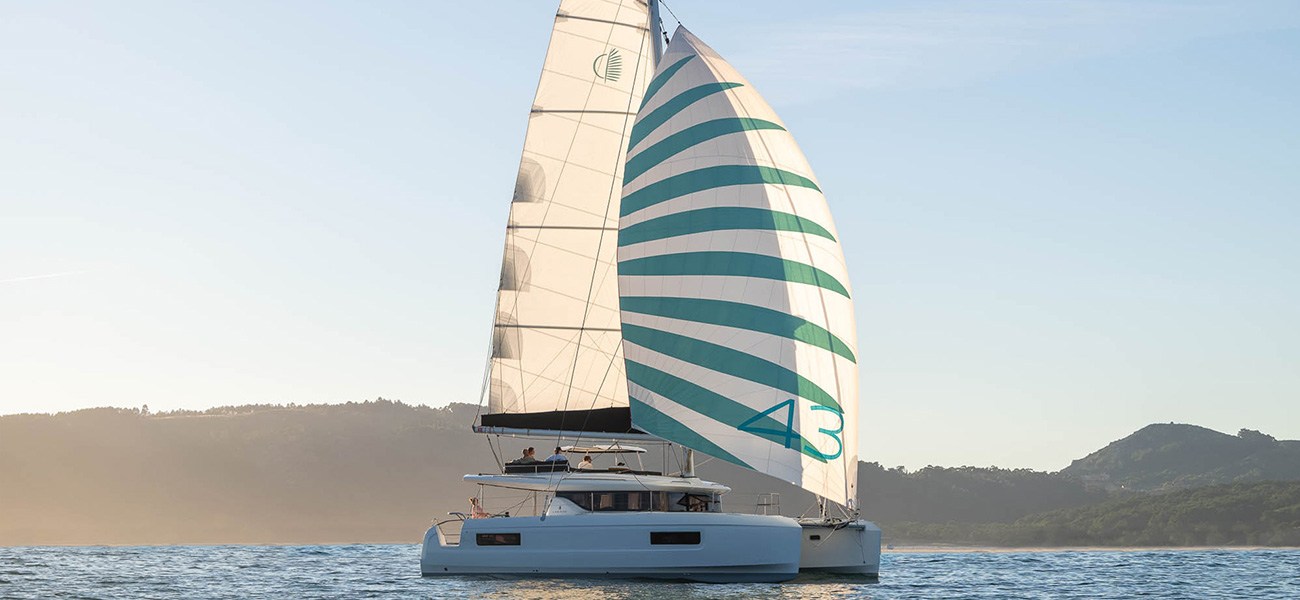
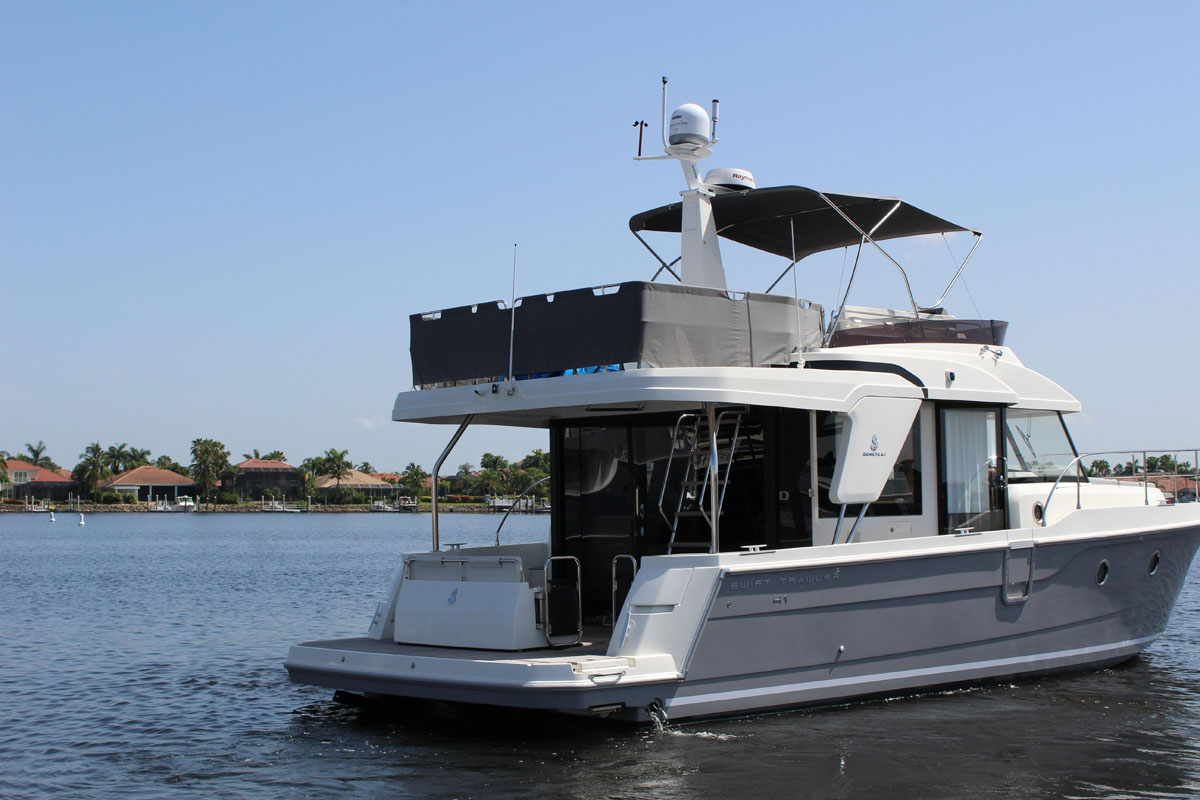
Group tours on large, stable vessels accommodate 50-150+ people for $38-$55 per person over 2-2.5 hours, providing affordable access great for families and casual observers. Small group tours using catamarans or smaller yachts carry 6-49 people for $65-$95 per person over 2-3 hours, delivering more intimate experiences. Private charters on luxury yachts or sailboats handle 2-40 people for $950-$3,500+ total over 2-4+ hours, offering maximum flexibility and personalized attention.
The vessel size affects more than simple economics. Smaller vessels prove more maneuverable for positioning at active dolphin locations without disturbing animals. Underwater viewing pods available on some vessels provide unique perspectives impossible on standard charters. The offshore access all charter types provide exceeds shore-based observation by reaching feeding areas and travel corridors where dolphins concentrate most densely.
Dolphin pods demonstrate acrobatic displays and playful interactions with boats beyond behaviors exhibited toward stationary objects or observers. Bow-riding where dolphins surf pressure waves at vessel bows and wake-surfing where they ride stern waves represent play behaviors triggered specifically by moving vessels. These interactions create memorable encounters impossible from shore or anchored positions.
The movement attracts attention from curious dolphins investigating the vessel, creating approach behaviors that bring animals closer than passive observation allows. Racing alongside boats, synchronized leaping, and splashing directed toward vessels all represent engagement impossible without the dynamic element moving charters provide. This interactive component transforms wildlife viewing from simple observation to participatory experience.
Understanding common behaviors helps guests recognize and appreciate what they're witnessing. This knowledge enhances experiences by providing context for observed actions.
Bow-riding where dolphins position themselves in pressure waves at vessel bows represents classic boat interaction behavior. Wake-surfing where dolphins ride turbulent water behind moving vessels demonstrates playful engagement with man-made wave patterns. Racing alongside boats while leaping and splashing creates dynamic surface activity easily photographed and remembered by guests.
These interactions prove voluntary—dolphins choose to engage with vessels rather than being pursued or forced into proximity. The self-directed nature means some encounters last minutes while others extend to 30+ minutes when dolphins remain interested in vessel presence. Synchronized movements where multiple dolphins leap or dive together showcase the social coordination characterizing pod dynamics.
High-speed stampedes where large groups race in concentrated formations typically indicate travel behavior between feeding areas or along migration routes. Energetic leaps can signal play, communication, or celebration after successful feeding though distinguishing motivations proves difficult without extensive observation. The sound of calls audible above water indicates active communication during group movements coordinating pod actions.
Synchronized movements where dozens or hundreds of dolphins dive and surface in coordinated patterns demonstrate the social cohesion allowing efficient travel and feeding. These behaviors occur independently of boat presence, meaning charters often observe natural patterns rather than performances directed toward guests. The authentic behavioral repertoire provides educational value beyond simple entertainment.
Marine ecosystems create multi-species encounters where dolphins appear alongside other animals. Understanding what else might appear helps appreciate the comprehensive wildlife experiences these charters deliver.
Gray whales migrate past Newport Beach during peak season from December through April, occasionally appearing during dolphin-focused charters when timing overlaps. Blue whales visible during summer months create dramatic contrast to dolphins' smaller size when distant spouts mark feeding areas. Fin whales referenced in seasonal wildlife calendars represent additional species guests might encounter during longer trips or fortuitous timing.
The whale appearances prove less predictable than dolphin sightings but add exceptional value when they occur. Summer charters focused on blue whales sometimes spot distant spouts while closer encounters with dolphins and mola mola provide the primary action. This variability means every trip carries potential for unexpected species beyond the reliable dolphin populations. Adventure charters emphasize this multi-species approach versus single-target wildlife focus.
Pelicans, cormorants, gulls, and terns fill airspace above productive waters where dolphins feed, creating complete ecosystem observations spanning surface to sky. California sea lions barking and lounging on buoys provide reliable nearshore encounters, particularly around harbor entrances and coastal rock outcroppings. Harbor seals, though shyer and less gregarious, occasionally appear during quiet moments when patient observation reveals their subtle presence.
The variety means single trips encounter multiple species even when specific targets remain elusive. This diversity distinguishes Newport Beach from single-species destinations where unsuccessful primary sightings result in disappointing trips. The layered ecosystem ensures satisfying wildlife experiences regardless of whether star attractions appear as expected.
Understanding ideal guest profiles helps determine whether wildlife-focused trips match specific interests and capabilities compared to alternative charter types.
Families find group tours great for casual observation, with affordable pricing supporting multi-person expenses without excessive costs per participant. Birdwatchers appreciate the variety of seabird species concentrated around productive feeding areas. Those seeking holistic marine wildlife experiences rather than single-species focus discover Newport Beach delivers consistent diversity.
Educational components prove significant since onboard naturalists or marine biologists provide fascinating insights transforming simple boat rides into inspiring adventures. Marine naturalists report emotional connections developing as guests recognize conservation importance: "People protect what they love, and I believe our guests are walking away with a new understanding and appreciation of our beautiful blue planet." This educational dimension appeals to travelers prioritizing learning over pure entertainment or relaxation.
Wildlife charters suit guests wanting active animal encounters versus passive scenery viewing during leisurely sailing. The 95%+ success rates for spotting marine life during peak seasons virtually guarantee meaningful wildlife experiences. Beyond dolphin encounters, charters commonly deliver sea lion sightings, diverse seabird observations, and occasional whale appearances creating comprehensive marine ecosystem exposure.
Knowledgeable guides significantly enhance trips by explaining behaviors, identifying species, and providing ecological context impossible during self-guided scenic cruises. Year-round marine life encounters distinguish these trips from seasonal whale-watching windows limiting other wildlife charter types. The combination of reliability, diversity, and education creates value propositions differing fundamentally from relaxation-focused coastal sailing. Captained charters provide professional guidance maximizing wildlife encounter quality through expert positioning and interpretation.
Individual actions and operator selection both affect wildlife welfare. Understanding these factors allows guests to contribute positively while enjoying encounters.
Bringing reusable water bottles reduces plastic waste threatening marine life through ingestion and entanglement. Reef-safe sunscreen free of harmful chemicals like oxybenzone and octinoxate prevents toxic compounds from entering ecosystems when guests swim or sunscreen washes off during spray exposure. Binoculars allow closer looks without disturbing wildlife by eliminating the need to approach within uncomfortable proximity.
Cameras with zoom lenses capture photos from respectful distances maintaining animal comfort zones. Layered clothing including windbreakers or waterproof jackets prepares guests for changing conditions without requiring single-use disposable rain gear. Non-slip shoes prevent falls on boat decks, reducing accident risks and associated environmental impacts from emergency responses. Seasickness medication prevents discomfort leading to charter disruptions while hat and sunglasses protect against sun exposure.
Reputable charter companies adhering to strict NOAA guidelines ensure dolphins and whales remain undisturbed during encounters, preventing habituation or stress affecting natural behaviors. Portions of ticket sales supporting marine research and conservation efforts mean charter spending directly contributes to species protection beyond simple observation. Choosing certified eco-tour operators creates market incentives rewarding responsible practices over exploitative approaches prioritizing profits over animal welfare.
Whale and Dolphin Conservation's Whale SENSE program certification recognizes companies committed to responsible wildlife viewing practices. Onboard naturalist presence indicates commitment to education and conservation beyond entertainment provision. Sighting guarantees offering "whale checks" or free return trips demonstrate operator confidence in practices and locations supporting reliable encounters. Smaller vessels and group sizes create more intimate and less intrusive encounters where animals approach willingly rather than fleeing overwhelming presence. Online reviews mentioning company respect for wildlife and viewing guideline adherence signal operators worth supporting through charter bookings.
The long-term benefits extend beyond individual trips. Responsible practices prevent population declines from harassment, maintain natural behaviors providing authentic experiences, and support research advancing conservation knowledge. Guests selecting certified operators and following guidelines contribute to sustainable wildlife tourism allowing future generations to enjoy these encounters. The collective impact of thousands of annual charterers either supports or undermines marine mammal populations depending on whether responsible practices dominate the industry.
Operator selection proves critical since not all charters maintain equal standards. Research before booking identifies companies prioritizing wildlife welfare alongside customer satisfaction. Questions about naturalist presence, certification status, vessel size, and viewing protocols reveal operator values and practices. The extra effort ensures charter spending supports conservation rather than exploitation.
The economic incentives matter significantly. When responsible operators succeed financially, they demonstrate market viability of sustainable practices encouraging industry-wide improvements. Conversely, when irresponsible operators thrive through lower costs from ignoring guidelines, market signals discourage conservation investments. Guest choices through booking decisions shape industry evolution toward or away from sustainability.
Education during charters creates conservation advocates who support marine protection beyond their immediate experiences. Understanding dolphin ecology, threats facing populations, and individual actions supporting conservation transforms passive tourists into active stakeholders. This multiplier effect where single charters create lifelong conservation supporters justifies the educational emphasis responsible operators maintain.
The relationship between responsible viewing and encounter quality proves direct rather than inverse. Animals undisturbed by respectful observation approach vessels willingly, creating closer, longer, more interactive encounters than harassment produces. Stressed animals flee or avoid boats, reducing sighting success and interaction quality. The apparent trade-off between animal welfare and guest satisfaction proves false—both improve through identical practices.
Long-term population health ensures future encounter availability. Populations declining from harassment, pollution, or climate change reduce sighting reliability and diversity affecting charter viability. Supporting conservation through responsible practices, research funding, and policy advocacy protects the resource base sustaining the entire wildlife tourism industry. This enlightened self-interest should motivate operator and guest conservation support beyond pure altruism.
Newport Beach Sailing Charters provides year-round dolphin and marine life encounters with experienced naturalists, comfortable vessels, and proven commitment to responsible wildlife viewing. Our diverse fleet accommodates groups from intimate couples to large families, with every charter emphasizing education, conservation, and memorable animal interactions. Professional crews position vessels for optimal viewing while naturalists explain behaviors and ecology.
Ready to experience dolphins, sea lions, seabirds, and diverse marine ecosystems with expert guidance and conservation-focused practices? Contact us today to discuss charter options matching your group size, wildlife interests, and scheduling preferences for authentic Southern California marine encounters supporting long-term species protection.