

A sunset dinner cruise in Newport Beach combines exceptional coastal scenery with curated dining experiences. The Pacific coastline provides optimal conditions for golden hour viewing while guests enjoy meals prepared for maritime settings. Newport Beach offers diverse vessel options accommodating different group sizes and dining preferences.
Success depends on three factors: precise timing, quality catering, and appropriate vessel selection. Understanding seasonal sunset variations ensures guests experience the full golden hour. Matching boat type to occasion and group size directly impacts comfort and satisfaction.
Key Takeaways
Newport Beach provides advantages that elevate dining at sea beyond typical restaurant experiences. The harbor's protected waters and proximity to the open ocean create varied scenic backdrops. Vessels navigate past coastal estates, harbor islands, and rock formations while guests dine.
Movement, changing light, and ocean air create sensory experiences impossible to replicate on land. Temperature shifts as the sun descends require strategic planning for comfort. Evening cruises transform familiar coastlines into dramatically lit landscapes, enhancing the dining atmosphere.
Dining during golden hour provides optimal natural lighting, enhancing both food presentation and photography. The period around sunset delivers warm, diffused light that flatters subjects and creates vivid color saturation. This lighting transforms standard meal service into visually striking experiences.
The ocean setting removes typical restaurant distractions while creating intimate environments focused on conversation. Water reflections amplify sunset colors, creating 360-degree visual interest that static venues cannot match. Guests experience continuous environmental changes as the vessel moves through different harbor zones.
Newport Beach's geography offers protected harbor waters transitioning smoothly into coastal ocean routes. The harbor contains multiple islands, yacht clubs, and landmarks providing visual interest before sunset begins. Vessels can access calm inner harbor areas or venture toward the open ocean, depending on preferences.
Coastal navigation reveals sea lion colonies, waterfront estates, and natural cliffs that vary dramatically with changing light. The harbor's configuration allows operators to adjust routes based on weather and sunset direction. Newport Beach is Southern California's premier sailing destination due to consistent weather and diverse marine environments.
Dinner cruise catering in Newport ranges from plated multi-course meals to casual buffet service, depending on vessel type. Many operators provide customizable menus accommodating dietary restrictions, including vegetarian, vegan, and gluten-free requirements. Service formats adapt to boat size and group dynamics.
Some vessels feature onboard galley preparation, while others utilize pre-prepared meals from partnered restaurants. Menu quality directly correlates with guest satisfaction, scoring 90% importance in consumer priority rankings.
Optimal timing for sunset dinner cruise booking depends on seasonal variations and local demand. Summer features later sunsets, accommodating work schedules, but faces higher competition for premium slots. Fall and winter offer earlier departures, aligning with comfortable temperatures and reduced booking pressure.
Advance reservation timelines vary between standard weekday cruises and high-demand holiday periods. Understanding when to book your Newport Beach sunset cruise ensures access to preferred vessels and departure times. Seasonal pricing fluctuations affect overall value, with early booking often securing better rates.
Summer sunsets occur between 7:30 PM and 8:45 PM, requiring departures from 5:30 PM to 6:45 PM for optimal viewing. These later times suit guests finishing work, but reduce flexibility for extended durations. Warmer temperatures allow comfortable outdoor dining without weather disruptions.
Fall sunsets shift earlier to 5:45 PM through 7:15 PM, with departures between 3:45 PM and 5:15 PM. Winter features the earliest sunsets from 5:30 PM to 6:45 PM with departures starting at 3:30 PM. Spring timing balances between extremes with sunsets from 6:45 PM to 7:45 PM and departures from 4:45 PM to 5:45 PM.
October represents peak season for photography enthusiasts seeking ideal sunset conditions with comfortable evening temperatures. This month delivers consistently clear skies and moderate winds, optimizing both visibility and vessel stability. Demand surges during this period require extended advance booking.
Wave Season spans January through March when charter companies offer early-bird discounts for summer bookings. This promotional period allows budget-conscious guests to lock in lower rates months before their cruise. Holiday weekends, including Fourth of July and New Year's Eve, book completely months in advance.
The average booking window for premium sunset cruises stands at 27 days in advance for standard dates. This timeline allows operators to confirm crew availability and prepare customized catering. Last-minute bookings remain possible during off-peak periods, but limit vessel selection and customization.
Holiday weekends require reservations 2 to 3 months in advance to secure availability on quality vessels. Popular proposal dates like Valentine's Day and New Year's Eve book even earlier as limited intimate vessel options sell quickly. Flexible date selection increases the chances of finding available slots during high-demand periods.
Vessel selection for the best boats for dining at sea depends on group size, desired amenities, and navigation preferences. Motor yachts offer speed and luxury features suiting formal dining with extensive onboard facilities. Catamarans provide exceptional stability, benefiting motion-sensitive guests while maximizing usable deck space.
Electric Duffy boats and Venetian gondolas serve niche markets, prioritizing intimacy and unique cultural experiences. Each vessel type features distinct construction affecting passenger comfort and operational capabilities. Matching boat characteristics to occasion type ensures optimal satisfaction.
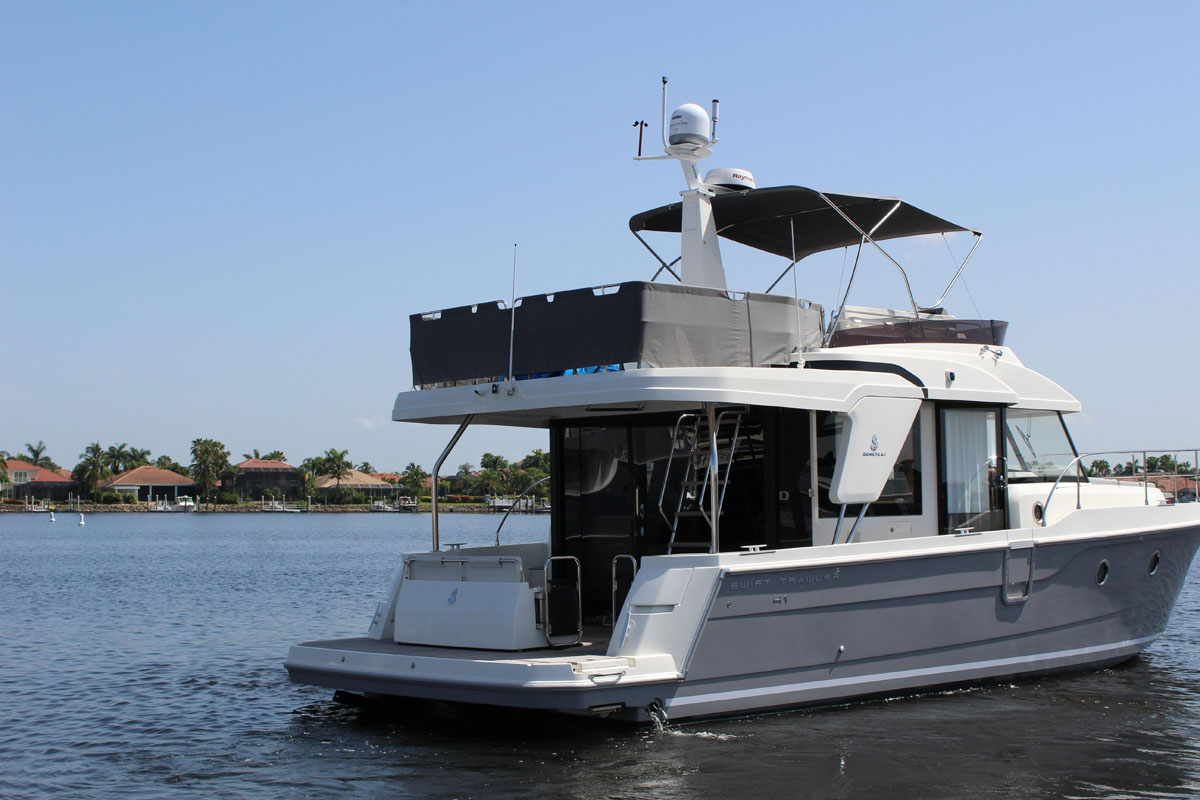
Motor yachts deliver fast transit times, maximizing time spent in optimal sunset viewing positions. Modern designs incorporate climate-controlled cabins, full galley facilities, and bathroom amenities, enhancing extended cruise comfort. Fiberglass hull construction provides smooth navigation through variable sea conditions while supporting sophisticated interior appointments.
These vessels consume significantly more fuel than alternatives, increasing operational costs reflected in charter pricing. Choosing between sailboats and motor yachts depends on whether guests prioritize speed and amenities over quiet, wind-powered navigation. Engine noise levels vary considerably between older and newer models equipped with sound-dampening systems.
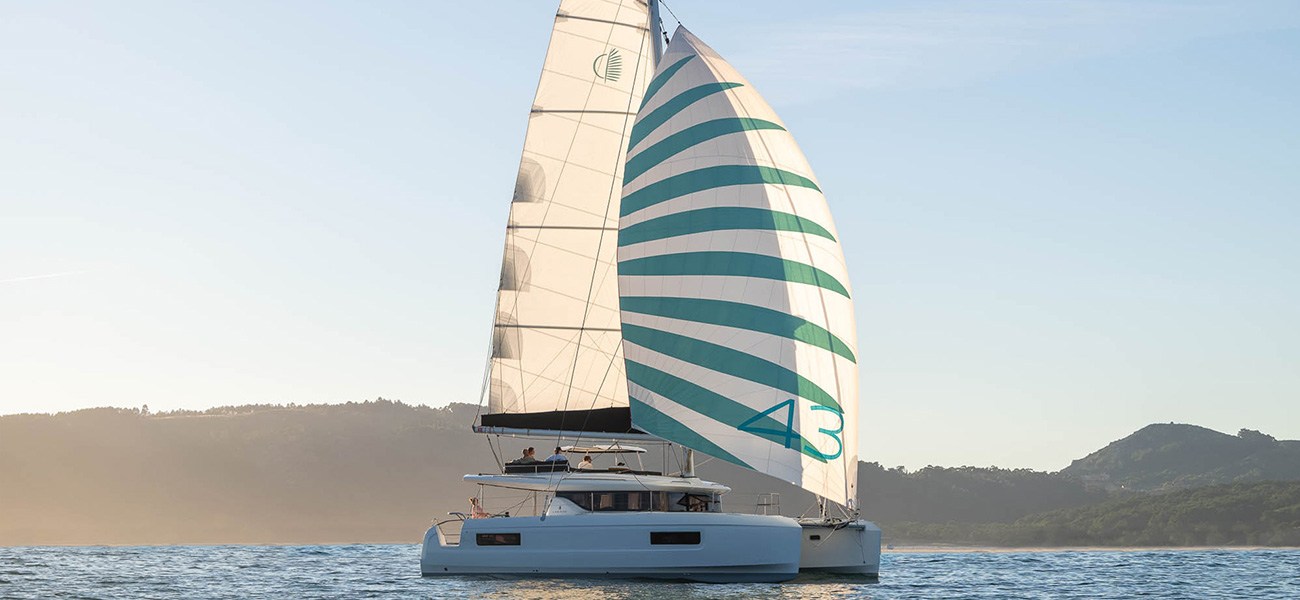
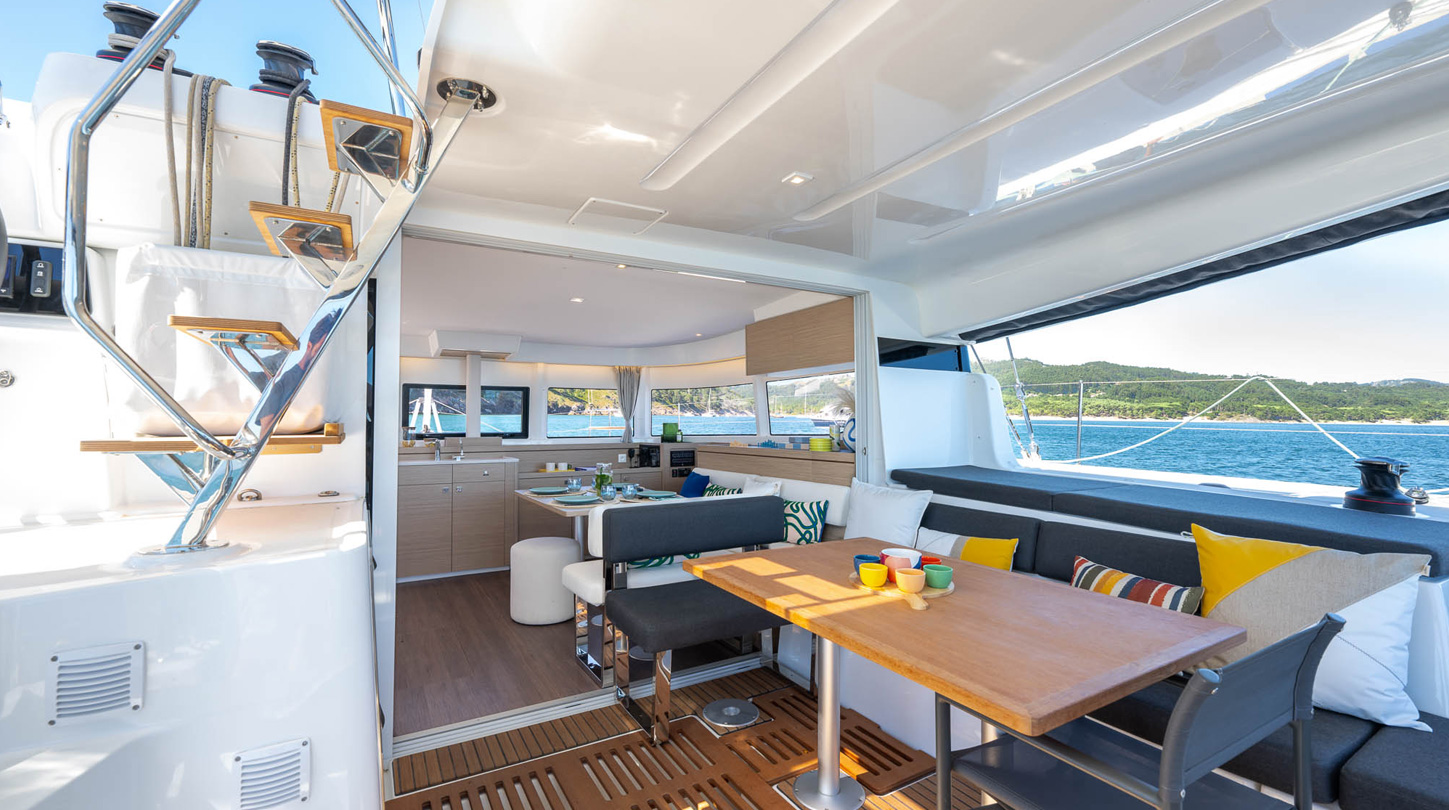
Catamarans feature dual-hull designs delivering exceptional stability, reducing seasickness risk for sensitive passengers. The wide beam creates expansive deck areas accommodating larger groups while maintaining comfortable personal space. Catamarans are the best choice for group sailing due to this combination of stability and spacious layout.
Shallow draft capabilities allow catamarans to navigate closer to shore and access areas unavailable to deeper-hulled vessels. The wider beam restricts access to certain narrow harbor channels compared to monohull designs. Fiberglass and aluminum construction create lightweight yet durable structures suitable for coastal cruising.
Electric Duffy boats operate silently using battery power, creating peaceful environments perfect for conversation and intimate gatherings. These vessels remain eco-friendly while accommodating small groups seeking casual, self-catered experiences within harbor boundaries. Easy operation makes them popular for bareboat rentals where guests control their timing and routes.
Slow maximum speeds limit Duffy boats to protected harbor waters, preventing access to coastal ocean areas. Venetian gondolas provide highly intimate settings ideal for proposals, anniversaries, and romantic celebrations requiring authentic cultural experiences. Limited capacity of 2-4 people and higher per-person costs make gondolas impractical for larger gatherings.
Catering quality directly determines guest satisfaction, with dining quality ranking 90% in consumer priority surveys. Menu execution must account for unique maritime challenges, including limited galley space and vessel motion during preparation. The timing of sunset dinner cruise coordination between service pacing and sunset progression requires an experienced crew familiar with local conditions.
Temperature control, presentation standards, and dietary accommodation separate exceptional catering from basic meal service. Professional operators maintain relationships with quality food suppliers and experienced maritime chefs who understand shipboard constraints. Service style selection between plated courses and buffet formats affects both guest interaction and crew workload.
Guest dietary restrictions require advance notification to ensure adequate preparation time for specialized menu items. Vegetarian, vegan, gluten-free, and allergy-sensitive options demand separate preparation protocols to prevent cross-contamination. Children's menus and age-appropriate portions enhance family-friendly cruise experiences.
Cultural and religious dietary requirements, including kosher and halal preparation, need specialized sourcing and handling. Alcohol preferences range from full premium bar service to BYOB policies, reducing overall costs. Clear communication during booking prevents last-minute menu disappointments.
Menu quality separates memorable dining experiences from forgettable meals, detracting from overall cruise satisfaction. Fresh, locally sourced ingredients showcase regional cuisine while supporting sustainable food systems and superior flavor profiles. Variety within courses prevents monotony during extended cruises where meals span multiple hours.
Seasonal menu adjustments reflect ingredient availability and align dishes with ambient temperature conditions. Presentation standards must account for vessel motion that can disrupt plated arrangements during service. Premium ingredients justify higher charter costs while delivering tangible value that guests recognize.
Plated service provides formal dining experiences where crew members serve individual courses in timed succession. This format works best for intimate groups and special occasions requiring elegant presentation and attentive service. Preparation complexity limits plated service to vessels equipped with adequate galley facilities and experienced culinary staff.
Buffet-style service accommodates larger groups by allowing guests to serve themselves at their preferred pace. This casual format encourages social interaction and movement around the vessel. Family-style service presents shared dishes, encouraging conversation and communal dining experiences suitable for celebration gatherings.
Consumer decision-making follows predictable patterns based on measurable priority rankings. Sunset timing quality dominates all other considerations, reflecting the fundamental purpose of scheduling cruises around golden hour. Secondary factors, including dining quality and boat amenities, combine to create comprehensive experience expectations.
Price versus perceived value considerations influence final booking decisions after primary requirements receive confirmation. The Newport Beach dinner cruise guide approach emphasizes matching consumer priorities to available vessel and service options.
Sunset timing quality scores 95 out of 100 in passenger importance rankings, exceeding all other measurable factors. Guests book cruises specifically to experience golden hour lighting, making precise scheduling essential for satisfaction. Operators who miscalculate seasonal sunset variations risk missing the critical lighting period, justifying premium pricing.
Weather forecasting and backup date policies protect both operators and guests from disappointing experiences caused by overcast conditions. Clear communication about seasonal timing variations prevents unrealistic expectations regarding available departure windows. Sunset cruises require perfect evening adventure timing that accounts for both astronomical predictions and local weather patterns.
Boat amenities and comfort rank 85% in consumer priority surveys, falling below timing and dining but exceeding price considerations. Climate-controlled cabins, bathroom facilities, and quality seating directly impact guest comfort during extended cruises. Sound systems, lighting options, and deck configurations affect social dynamics and atmosphere creation.
Vessel age and maintenance standards become immediately apparent to guests boarding older boats with worn furnishings. The largest catamaran fleet on the West Coast offers variety, allowing guests to match specific amenity requirements to available vessels. Safety equipment visibility and crew professionalism contribute to overall comfort perceptions beyond physical amenities.
Price and value rank 80% in importance, indicating consumers willingly pay premiums for superior timing, dining, and amenities. Transparent pricing without hidden fees builds trust and simplifies comparison shopping. All-inclusive packages bundling catering, beverages, and gratuities streamline budgeting compared to itemized add-on structures.
Early booking discounts during Wave Season provide measurable savings, rewarding advance planning. Group size pricing tiers affect per-person costs significantly, making larger parties more economical than intimate gatherings. Direct booking policies eliminating third-party fees deliver better value while supporting local charter operations.
Preparation strategies directly influence guest comfort levels and overall experience quality. Appropriate clothing selection accounts for temperature drops occurring as the sun descends below the horizon. Physical readiness, including advanced arrival, provides adequate time for orientation and settling before departure.
Strategic planning matches vessel selection to specific occasion requirements rather than defaulting to generic options. Understanding these preparation elements separates well-executed cruises from disappointing experiences marred by preventable discomfort.
Dress in layers for evening temperature changes occurring reliably as the sun sets over the Pacific. Lightweight jackets or sweaters accommodate drops of 10-15 degrees, typical during summer and more dramatic shifts during winter. Closed-toe shoes with non-slip soles prevent accidents on wet deck surfaces becoming slippery from ocean spray.
Sun protection, including hats, sunglasses, and sunscreen, remains necessary during afternoon departures despite evening destination timing. Cameras and phones require secure storage or lanyards to prevent loss overboard during photography sessions. Small bags contain personal items more securely than pockets on moving vessels.
Arrive 30 minutes prior to departure, allowing adequate time for parking, locating the vessel, and completing boarding procedures. Harbor parking facilities often require walking distances consuming more time than anticipated, especially during peak season. Early arrival prevents rushed boarding, causing stress and reducing time for crew orientation and safety briefings.
Late arrivals disrupt departure schedules and affect other guests expecting on-time departures. Crews use pre-departure time to explain vessel features, review safety equipment locations, and answer questions. This buffer accommodates unexpected traffic delays common around coastal areas during summer weekends.
Match boat type to occasion by considering group size, formality level, and desired guest interaction patterns. Intimate proposals and anniversaries suit small gondolas or private motor yachts, minimizing outside distractions. Corporate events and large celebrations require spacious catamarans or powerboats accommodating standing groups and networking activities.
Family reunions benefit from stable catamarans with ample seating and bathroom facilities for mixed-age participants. Sunset dinner cruises offer September's perfect evening adventures when weather conditions and timing align optimally across all vessel types. Active groups seeking hands-on sailing experiences choose traditional sailboats over passive motor yacht tours.
Environmental consciousness increasingly influences vessel selection as guests prioritize sustainable tourism and minimal ecological impact. Electric propulsion systems eliminate fossil fuel consumption and noise pollution, disturbing marine wildlife. Cultural authenticity adds unique dimensions to cruise experiences beyond standard sightseeing and dining.
Construction materials and operational practices vary significantly across vessel types, affecting both environmental footprints and maintenance requirements. Understanding these distinctions allows environmentally conscious consumers to align booking decisions with personal values.
Duffy boats operate as small, electric-powered vessels constructed primarily of fiberglass, operating silently through harbor waters. These eco-friendly designs eliminate engine noise and emissions traditionally accompanying motorized vessels. Battery power limits range and speed, but provides peaceful, environmentally responsible experiences within protected harbor boundaries.
Quiet operation allows natural sound appreciation, including water movement, marine bird calls, and distant harbor activity. Electric systems require less maintenance than combustion engines while reducing operational costs passed to consumers through competitive pricing. Limited capacity suits intimate groups prioritizing environmental responsibility over speed and expansive deck space.
Newport Gondola offers authentic Venetian gondolas replicating traditional Italian craftsmanship and romantic ambiance. These specialized vessels provide culturally immersive experiences distinct from standard motorized or sailing options. Gondoliers often incorporate Italian music and cultural narratives, enhancing romantic atmosphere during sunset navigation.
Limited capacity between 2-4 passengers creates highly intimate settings unsuitable for larger groups. Traditional wooden construction requires extensive maintenance compared to modern fiberglass alternatives, but preserves authentic aesthetics. Higher per-person costs reflect the specialized nature and limited availability of genuine gondola experiences in California.
Fiberglass construction dominates modern vessel manufacturing due to durability, low maintenance, and cost-effective production. This material resists corrosion from saltwater exposure while allowing complex hull shapes to optimize performance and stability. Weight advantages compared to traditional wood construction improve fuel efficiency and handling.
Aluminum construction offers lighter weight than fiberglass with superior strength-to-weight ratios favored for performance-oriented vessels. Wood construction provides traditional aesthetics and cultural authenticity but demands intensive ongoing maintenance and higher replacement costs. Multi-hull designs sacrifice marina accessibility for stability advantages, benefiting specific use cases.
Successful sunset dinner cruise planning requires coordinating multiple elements, collectively determining overall experience quality. Seasonal timing variations demand flexible scheduling, accounting for astronomical sunset predictions and local weather patterns. Catering selection must balance menu ambitions with realistic shipboard preparation constraints and dietary accommodation needs.
Vessel selection integrates capacity requirements, desired amenities, and environmental considerations into comprehensive booking decisions. These interconnected factors work together rather than independently, requiring holistic planning approaches. Newport Beach Sailing Charters specializes in coordinating these complex elements to deliver seamless experiences.
Understanding consumer priorities helps allocate resources effectively across timing precision, dining excellence, and vessel comfort. The 95% importance rating for sunset timing confirms that this factor deserves primary consideration during initial planning. Secondary elements, including 90% dining quality and 85% amenity comfort, follow in logical progression.
Advance booking timelines averaging 27 days for standard dates and 2-3 months for holidays protect against disappointment from sold-out availability. Strategic reservation during Wave Season, January through March, captures early-bird discounts for summer cruises. These planning fundamentals create foundations for exceptional evenings exceeding guest expectations.
The right timing, the right food, and the right boat make all the difference between a good evening and one your guests talk about for years. At Newport Beach Sailing Charters & Yacht Rentals, we handle every detail — from departure scheduling and vessel selection to catering coordination — so you can focus on the moment itself.
Whether you're planning a romantic dinner for two, a milestone birthday, or a private group celebration, our team will help you put together the perfect evening on the water. Book direct and get the lowest rate with no booking fees. Schedule a call with our team today, and let's start planning your sunset cruise.