


Key Takeaways:
Newport Beach charter selection extends beyond choosing vessel size or amenities. The fundamental propulsion choice—wind or engine—determines your entire charter experience, from noise levels and speed to environmental impact and cost. Understanding how sailboats and motor yachts differ ensures alignment between vessel capabilities and charter goals.
This guide clarifies the practical differences between wind-powered and engine-driven vessels for Newport Beach waters. The comparison focuses on speed, maneuverability, noise, cost, and scheduling reliability that directly impact charter satisfaction. Whether planning a romantic sunset cruise or hosting corporate guests, the propulsion type influences activities, routes, and guest comfort in measurable ways.
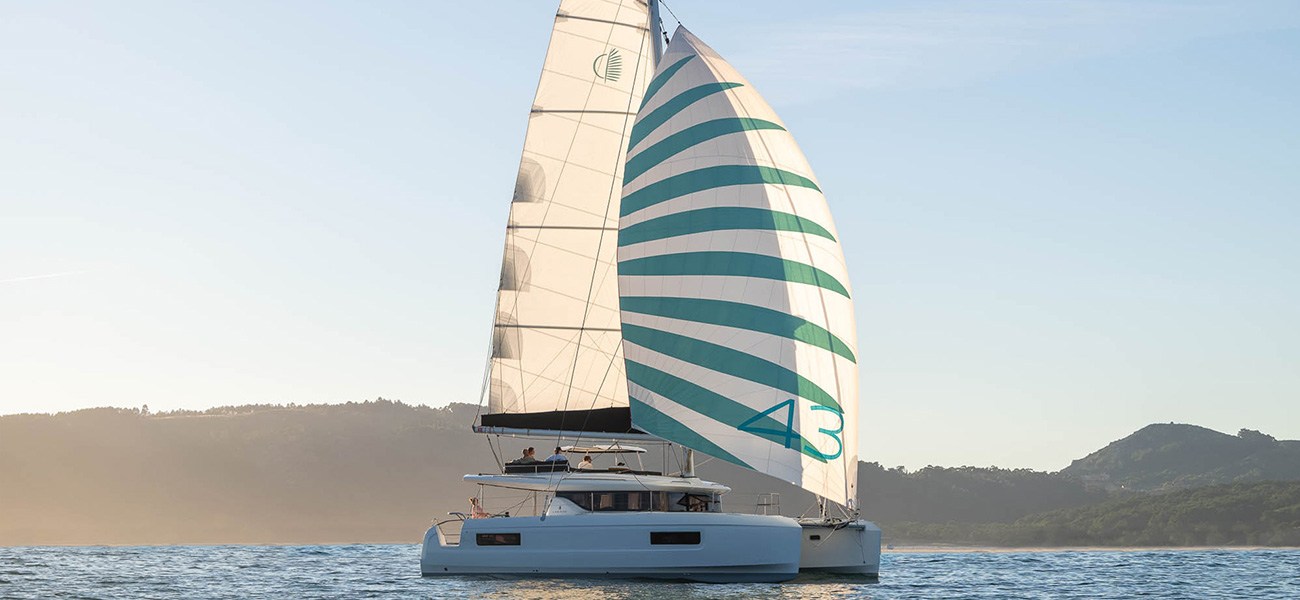
Propulsion type defines the charter experience fundamentally. Sailboats harness wind power for movement, creating quiet, eco-friendly experiences dependent on weather conditions. Motor yachts use engine power for consistent speed and control regardless of wind. These different approaches create distinct experiences that suit different charter purposes.
Sailboats deliver optimal experiences for performance sailing and beginner lessons, both rating 10/10 for suitability. Romantic cruises favor sailboats at 9/10 for intimate, traditional sailing atmospheres. Average speeds of 6-8 knots with cruising speeds around 6 knots reflect wind-powered capabilities that prioritize experience over rapid transit.
The defining characteristic remains exceptional quietness at 2/10 noise level. Only wind and water sounds accompany the journey, creating peaceful charter experiences impossible on engine-powered vessels. This minimal fuel use translates to superior environmental performance while delivering authentic sailing engagement that connects guests to maritime traditions and natural elements.
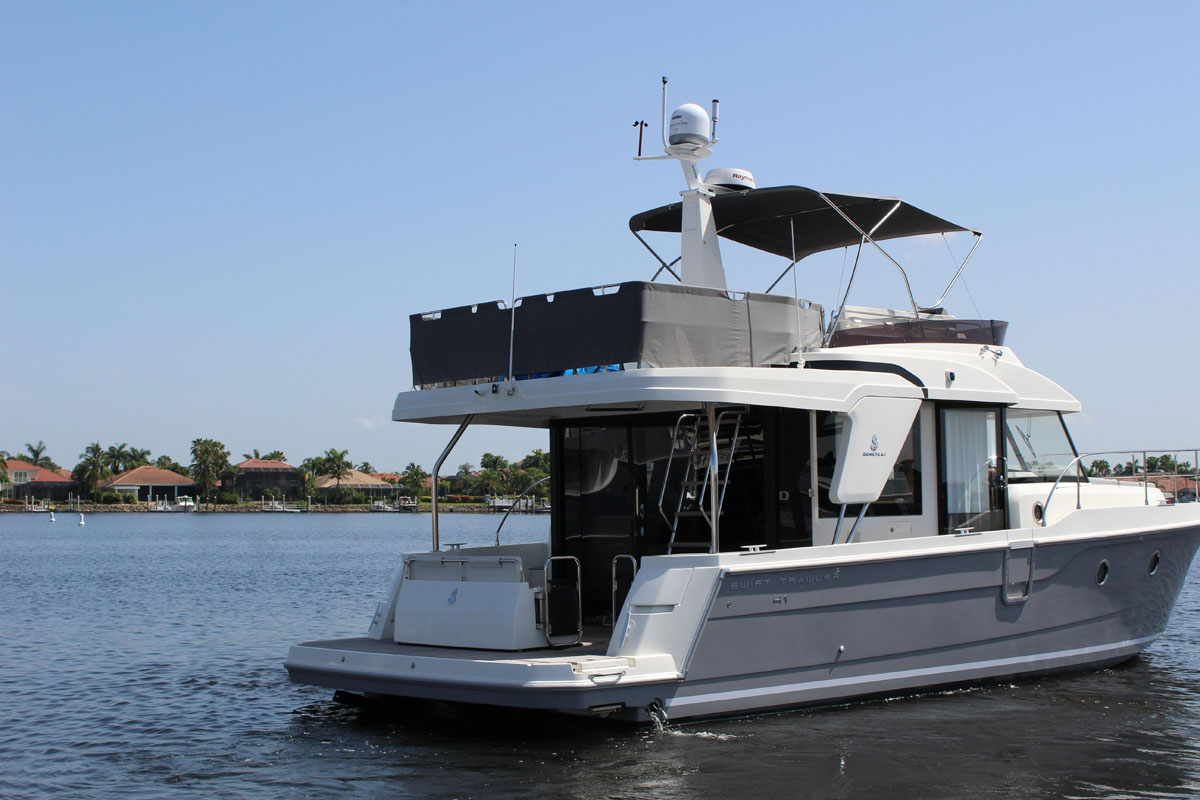
Motor yachts excel at luxury entertainment and water sports activities, both rating 10/10 for suitability. Average speeds of 15-25 knots with cruising speeds around 20 knots provide rapid transit between destinations. Harbor maneuverability rates 9/10, offering superior control for docking and navigating crowded marinas.
Engine power delivers consistent propulsion independent of wind conditions. This reliability ensures predictable scheduling for time-sensitive events or guests with rigid itineraries. However, constant engine operation creates 7/10 noise levels that dominate the acoustic environment throughout the charter. Our yachts showcase both propulsion options tailored to different charter priorities.
Propulsion methods create cascading differences that affect every aspect of chartering. Wind dependency versus engine independence determines speed capabilities, route flexibility, noise environments, and operational costs. These fundamental distinctions influence which vessel type serves specific charter goals effectively.
Motor yachts provide 3-4 times faster speeds compared to sailboats, cruising at 20 knots versus 6 knots respectively. This speed advantage dramatically alters what charterers can accomplish within fixed time windows. A four-hour motor yacht charter covers distances requiring eight to twelve hours under sail, fundamentally changing itinerary possibilities.
Harbor maneuverability favors motor yachts at 9/10 versus sailboats at 7/10, though both rate 8/10 in open water. Motor yachts excel in predictable scheduling independent of conditions, while sailboats depend on wind for optimal performance. This reliability difference matters significantly for events requiring guaranteed departure and arrival times versus flexible explorations that adapt to natural conditions.
The acoustic environment differs dramatically between propulsion types. Sailboats rate 2/10 for noise with only wind and water sounds creating peaceful, quiet experiences. Motor yachts rate 7/10 with constant engine noise throughout operation. This sevenfold difference in noise levels fundamentally changes the charter atmosphere and conversation dynamics.
The peaceful sailing experience allows natural sounds to dominate, creating meditative environments that reduce stress and encourage relaxation. Motor yacht engine noise, while not excessive, maintains constant mechanical presence that prevents the quiet intimacy sailboats provide naturally. This distinction influences which vessel type suits romantic occasions, contemplative experiences, or social gatherings where conversation quality matters.
Charter purpose should drive propulsion selection rather than generic preferences. Specific use cases align predictably with either wind or engine advantages based on measurable performance characteristics.
Sailboats prove optimal for romantic, intimate traditional sailing experiences and performance sailing enthusiasts. Beginner sailing lessons rate sailboats at 10/10 for suitability, as does performance sailing for experienced sailors. Romantic sunset cruises favor sailboats at 9/10, leveraging the peaceful acoustic environment and authentic sailing engagement.
The traditional sailing experience suits leisure and scenic exploration where the journey matters more than rapid arrival. Guests seeking connection to maritime heritage, natural wind patterns, and quiet contemplation find sailboats deliver experiences motor yachts cannot replicate regardless of amenities or luxury appointments. The slower pace encourages observation, conversation, and presence in the moment rather than rushing toward destinations.
Motor yachts rate 10/10 for both luxury entertainment events and water sports charters. Superior harbor maneuverability at 9/10 facilitates docking for guest boarding and departure during events. Predictable scheduling proves critical for planned celebrations where delayed arrivals or extended durations disrupt coordinated logistics.
The speed advantage allows motor yachts to reach destination venues, facilitate water sports activities, and return within tighter time windows. Entertainment events benefit from the stable platform and reliable timing rather than wind-dependent variability. While engine noise rates are higher at 7/10, social gatherings with music and conversation often mask mechanical sounds that would prove intrusive during quiet romantic cruises.
Beyond preference and purpose, practical constraints often determine which propulsion type serves charter needs effectively. Budget, schedule flexibility, and environmental priorities create decision filters that narrow appropriate choices.
Operating costs differ significantly: sailboats average $50 per hour versus motor yachts at $200 per hour. This fourfold cost difference reflects fuel consumption, maintenance requirements, and operational complexity. Motor yachts cost four times sailboat operating expenses but deliver three to four times faster speeds for time-sensitive itineraries.
The speed advantage proves critical when covering specific distances within limited time windows. Charter guests with rigid schedules, connecting flights, or coordinated events often require guaranteed timing that only engine-powered vessels provide reliably. Our fleet offers both options to match diverse scheduling needs and budget parameters. Sailboat economics favor extended charters where time flexibility reduces cost per hour enjoyed on the water.
Sailboats depend on wind for propulsion while motor yachts operate independent of wind conditions. This fundamental difference creates reliability implications for charter planning. Fuel efficiency favors sailboats dramatically at 95% efficiency versus motor yachts at 30% due to significant fuel consumption under power.
Environmental impact ratings reflect this efficiency gap: sailboats rate 10/10 with minimal emissions while motor yachts rate 4/10 with higher emissions. Motor yachts provide guaranteed departure and arrival times regardless of weather, critical for inflexible schedules. Sailboats offer superior fuel efficiency and environmental performance but require schedule flexibility to accommodate variable wind conditions that affect speeds and routing.
The weather dependence trade-off balances environmental responsibility and cost savings against scheduling certainty and control. Charterers prioritizing sustainability and operating economy choose sailboats despite weather variability. Those requiring guaranteed timing and rapid transit accept higher costs and environmental impact for motor yacht reliability.
The decision framework weighs priorities across multiple dimensions rather than defaulting to subjective preferences. Objective criteria guide selection toward the propulsion type that serves specific needs effectively.
Choose sailboats when prioritizing quiet, peaceful experiences at 2/10 noise levels that facilitate conversation and relaxation. Budget-conscious timelines favor sailboat economics at $50 per hour versus $200 per hour for comparable motor yachts. Environmental sustainability matters significantly to charterers selecting sailboats rated 10/10 for minimal emissions versus 4/10 for motor yachts.
Romantic or traditional sailing experiences rate sailboats at 9-10/10 for suitability, creating intimate atmospheres through acoustic quietness and authentic sailing engagement. Open scheduling flexibility based on wind conditions proves acceptable when charter purpose emphasizes experience over rapid transit. Performance sailing or beginner lessons rate sailboats at 10/10 suitability, leveraging wind power for educational and skill development goals.
Choose motor yachts when needing predictable, time-sensitive scheduling independent of wind variability. The three to four times faster speeds at 20 knots versus 6 knots cruising prove essential for covering specific distances within limited windows. Hosting luxury entertainment or celebrations rates motor yachts at 10/10, providing reliable timing and superior harbor maneuverability.
Water sports activities favor motor yachts at 10/10 suitability, combining speed for location access with stable platforms for equipment deployment. Harbor maneuverability at 9/10 versus sailboats at 7/10 matters significantly for navigating crowded marinas during peak seasons. Charterers willing to invest four times operating cost accept this premium for speed and control advantages.
The cost-benefit equation balances four times operating expense against three to four times speed advantage. This roughly proportional relationship means motor yachts deliver equivalent cost per mile covered at higher speeds. The actual decision depends on whether charter value derives from distance covered, time on water, or experience quality during the journey.
Superior fuel efficiency and environmental performance favor sailboats for charterers prioritizing sustainability. Predictable scheduling and control favor motor yachts for guests requiring guaranteed timing regardless of natural conditions. The trade-off between peaceful quiet experience and power-driven convenience determines which propulsion type aligns with charter priorities.
Additional factors influence the selection beyond primary considerations. Weather forecast reliability affects sailboat viability—consistent wind predictions increase confidence in sailing performance while variable forecasts suggest motor yacht reliability advantages. Guest physical capabilities matter since sailing often involves more active participation than motor yachting's passive cruising.
Experience level influences appropriate choices. Novice sailors benefit from wind-powered education that teaches fundamental concepts, while experienced motor yacht operators appreciate precise control that engines provide. Group dynamics affect selection since larger parties often prefer motor yacht stability and predictable timing over sailing's more intimate, weather-dependent nature.
Route planning interacts with propulsion choice. Destinations requiring upwind sailing favor motor yachts that maintain consistent speeds regardless of wind direction. Downwind routes suit sailboats that achieve optimal performance with favorable wind angles. Harbor congestion levels influence maneuverability requirements where motor yachts' 9/10 rating proves advantageous.
Season timing affects both propulsion types differently. Summer's lighter winds may reduce sailboat performance below average 6-8 knot speeds, potentially favoring motor yachts for maintaining schedules. Winter's stronger winds can enhance sailing speeds while creating rougher conditions that motor yachts handle through power rather than sail management.
Charter duration influences cost considerations significantly. Short two-hour charters favor sailboats where $100 total cost versus $400 for motor yachts creates fourfold savings. Extended eight-hour charters see costs of $400 versus $1,600, where the absolute difference grows though the proportional relationship remains constant.
The environmental impact consideration extends beyond emissions to broader sustainability concerns. Sailboats minimize fossil fuel consumption, reduce carbon footprint, and operate nearly silently without disturbing marine life. Motor yachts' higher environmental impact ratings at 4/10 reflect these broader ecological considerations beyond simple fuel efficiency metrics.
Noise sensitivity varies among charter guests. Groups seeking social interaction, entertainment, and active engagement may find motor yacht 7/10 noise levels acceptable or even preferable to sailboat quietness. Conversely, guests valuing peaceful contemplation, intimate conversation, or nature connection strongly prefer sailboat 2/10 noise ratings.
Ultimately, the propulsion choice reflects value definition. Charterers valuing authentic sailing experiences, environmental responsibility, and acoustic peacefulness select sailboats despite weather dependency and slower speeds. Those prioritizing scheduling certainty, rapid transit, and operational control choose motor yachts despite higher costs and noise levels.
Neither option proves universally superior. Each propulsion type excels at specific charter purposes where its inherent characteristics align with guest priorities and practical requirements. Matching these characteristics to actual needs ensures satisfaction rather than discovering incompatibilities after departure.
The decision becomes straightforward when priorities clarify. Romantic couples seeking intimate sunset experiences choose sailboats for quietness and traditional atmosphere. Corporate groups hosting time-sensitive events select motor yachts for reliable scheduling and superior maneuverability. Performance sailors wanting authentic wind-powered challenges choose sailboats rated 10/10 for sailing engagement. Entertainment hosts requiring luxury venues select motor yachts rated 10/10 for event suitability.
Mixed priorities complicate decisions where trade-offs become necessary. Budget-conscious charterers wanting speed must either increase spending for motor yachts or accept slower sailboat economics. Environmentally concerned guests needing guaranteed timing must either compromise sustainability for motor yacht reliability or accept schedule flexibility for sailboat efficiency.
These trade-off scenarios require weighting priorities to determine which factors prove non-negotiable versus which remain flexible. Absolute schedule requirements typically override environmental preferences when missing flights or disrupting events creates unacceptable consequences. Conversely, strong sustainability commitments may justify schedule adjustments when timing flexibility proves possible.
The thoughtful selection process evaluates charter purpose, guest demographics, budget constraints, schedule requirements, and environmental values holistically. This comprehensive assessment identifies which propulsion type serves the specific charter effectively rather than relying on assumptions about which option performs better universally.
Newport Beach Sailing Charters offers both sailboats and motor yachts matched to diverse charter goals and guest preferences. Our experienced team guides propulsion selection based on your specific schedule requirements, budget parameters, activity plans, and environmental priorities. Professional captains maximize charter value by leveraging each vessel type's strengths for routes, conditions, and guest expectations.
Ready to explore Newport Beach waters with the ideal propulsion for your charter? Contact us today to discuss whether wind or engine power best serves your goals and discover how the right vessel type transforms your Newport Beach charter from functional transportation to exceptional experience.