
Seasickness concerns prevent many people from experiencing the beauty of Southern California's coastline from the water. Newport Harbor cruises offer a naturally protected alternative that addresses these worries through harbor geography, professional captains, and thoughtful planning. The harbor's sheltered environment creates a different experience than heading straight into open Pacific swell.
Below, you'll find why Newport Bay stays calmer than the open ocean, how captains and the harbor's 5 mph limit keep the ride gentle, and simple steps that help first-timers, families, and event planners book with confidence. You can also browse our yacht fleet to see how a captained harbor trip works.
Seasickness happens when your body receives conflicting motion signals from different sensory systems. Motion sickness occurs when the brain processes mismatched information from your inner ears, eyes, muscles, and joints simultaneously. This sensory confusion triggers nausea, dizziness, and discomfort that can affect anyone regardless of boating experience. The anxiety about seasickness often stems from past car or amusement park experiences that create legitimate concerns about similar reactions on water.
Your inner ear detects movement while your eyes may see a stable cabin interior. Motion sickness is a mismatch between signals from the inner ear, eyes, muscles, and joints that the brain struggles to reconcile. Your vestibular system sends one message while your visual system sends another, creating neurological conflict. This explains why reading or scrolling on your phone while underway often intensifies discomfort, because your eyes focus on a stationary screen while your body feels motion.
Certain groups experience motion sickness more frequently than the general population does. Motion sickness is more common in children, pregnant women, and people taking certain medicines that affect balance or neurological function. Individual susceptibility to seasickness varies based on genetics, prior experience, stress levels, and overall health conditions. Some people never experience symptoms while others feel discomfort even in minimal motion, making personalized planning essential.
Many people assume all boating equals rough, unpredictable ocean conditions that guarantee discomfort. A first-time harbor cruise is not the same as being far offshore where swells, wind, and distance from land create genuine motion challenges. Newport Harbor cruises are often a calmer, lower-anxiety entry point than exposed-ocean boating because the environment itself provides natural protection. Starting with a harbor experience lets you gauge your personal response before committing to longer or more exposed trips.
Harbor geography creates fundamentally calmer conditions than unprotected coastal waters offer. Newport Bay is described by NOAA Coast Pilot as an extensive lagoon bordered on the seaward side by a 3-mile sandspit that blocks direct Pacific swell. Newport Bay is an important yachting and sport fishing center offering excellent anchorage for large yachts and small craft under all weather conditions. This natural protection means seasickness prevention in Newport Harbor strategies start with choosing the right location rather than relying solely on personal remedies.
| Comfort factor | Newport Harbor cruise | Open-ocean boating |
|---|---|---|
| Water protection | Sandspit and inland channels block Pacific swell | Open water with no barrier to swell |
| Cruising speed | 5 mph harbor limit for a slow, steady ride | Higher speeds that can pound in chop |
| Swell exposure | Sheltered, so motion stays gentle | Steady wave trains create constant motion |
| Captain oversight | Routes set by wind, tide, and traffic each day | Longer runs with fewer sheltered options |
| First-timer fit | A controlled way to test your comfort | Better once you know the harbor suits you |
The harbor's physical structure separates inland waters from ocean exposure through natural and engineered barriers. The sandspit running parallel to the coast absorbs wave energy before it reaches the harbor interior. Marina channels, residential islands, and yacht clubs create additional sheltered zones where water remains noticeably calmer than open coastline. Choosing harbor or ocean routes directly impacts the motion experience your group encounters during the charter.
Physical harbor entrances and navigation rules define where protected waters begin and end. Newport Bay entrance is between jetties 275 yards apart that channel incoming swells and mark the transition zone. Waters inside demarcation lines are inland-rules waters governed by different navigation regulations than open ocean. The COLREGS demarcation line for Newport Bay runs between Newport Bay East Jetty Light 4 and West Jetty Light 3, establishing clear boundaries. The federal main channel maintains a 20-foot depth to the turning basin, while the Balboa Island North Channel offers a 10-foot depth for smaller vessels.
Protected channels and island configurations create physical barriers that dampen wave action throughout the harbor. A harbor cruise is a very different experience from heading straight into open Pacific swell, where uninterrupted wave trains create constant motion. Residential islands, marina breakwaters, and the curved bay shape all absorb and redirect water movement. These calm sailing tips about route selection matter more than many first-timers realize when booking their charter.
Professional captains combine regulatory limits, local knowledge, and real-time conditions to optimize passenger comfort. Newport Bay has a 5 mph speed limit that creates a fundamentally slower, more controlled cruising pace than high-speed boating. Speed alone does not prevent seasickness, but it supports gentler turns, reduced wake impact, and a sightseeing rhythm that minimizes aggressive motion. Licensed captains adjust routes and timing based on daily conditions rather than following rigid itineraries regardless of weather.
Harbor speed regulations enforce a leisurely pace that reduces sudden acceleration and deceleration. The mandatory 5 mph maximum prevents the pounding and jarring motions that high-speed boats create in choppy conditions. Slower speeds also give captains more time to steer around wakes from other vessels and adjust course smoothly. This regulatory framework makes harbor cruising inherently gentler than many open-water experiences where speed and distance objectives dominate.
Professional captains assess multiple environmental factors before finalizing each day's route and timing. Captains check wind, tide, traffic, and weather before choosing the day's route to maximize passenger comfort and safety. NOAA tide station 9410580 recorded high tide at 2026-08-19 14:42 local time at 4.773 ft MLLW, while low tide occurred at 2026-08-19 23:07 at 1.347 ft MLLW. Tide height alone does not determine motion comfort, but captains consider tidal flow, wind interaction, and channel traffic when planning. Working with experienced captains ensures someone monitors conditions continuously rather than passengers worrying about variables they cannot control.
Newport Bay benefits from Southern California's generally mild maritime climate throughout most of the year. Severe storms are rare, but captains still check weather and conditions before every departure to maintain safety standards. Santa Ana winds are exceptional northeast/east winds that can blow violently for a short duration during fall and winter months. These events receive advance forecasting that allows captains to reschedule charters rather than operate in uncomfortable or unsafe conditions.
Strategic planning before booking reduces anxiety and increases the likelihood of a positive first experience. Choosing charter length, vessel type, seating location, and personal preparation strategies all contribute to harbor cruise health outcomes. Most seasickness concerns can be managed through thoughtful decisions rather than avoiding boating entirely. First-timers benefit from starting conservatively and building confidence gradually rather than attempting challenging trips immediately.
Shorter charters let you test your response without committing to extended time on the water. Day boat rentals are 3, 4, 5, 6, 7, or 8 hours depending on your schedule and comfort goals. Choose a shorter 3-4 hour charter for cautious first-timers who want to experience harbor cruising without prolonged exposure. Longer charters remain available once you confirm that harbor conditions suit you, allowing progressive confidence building. A complete charter checklist helps you consider all planning factors beyond just duration.
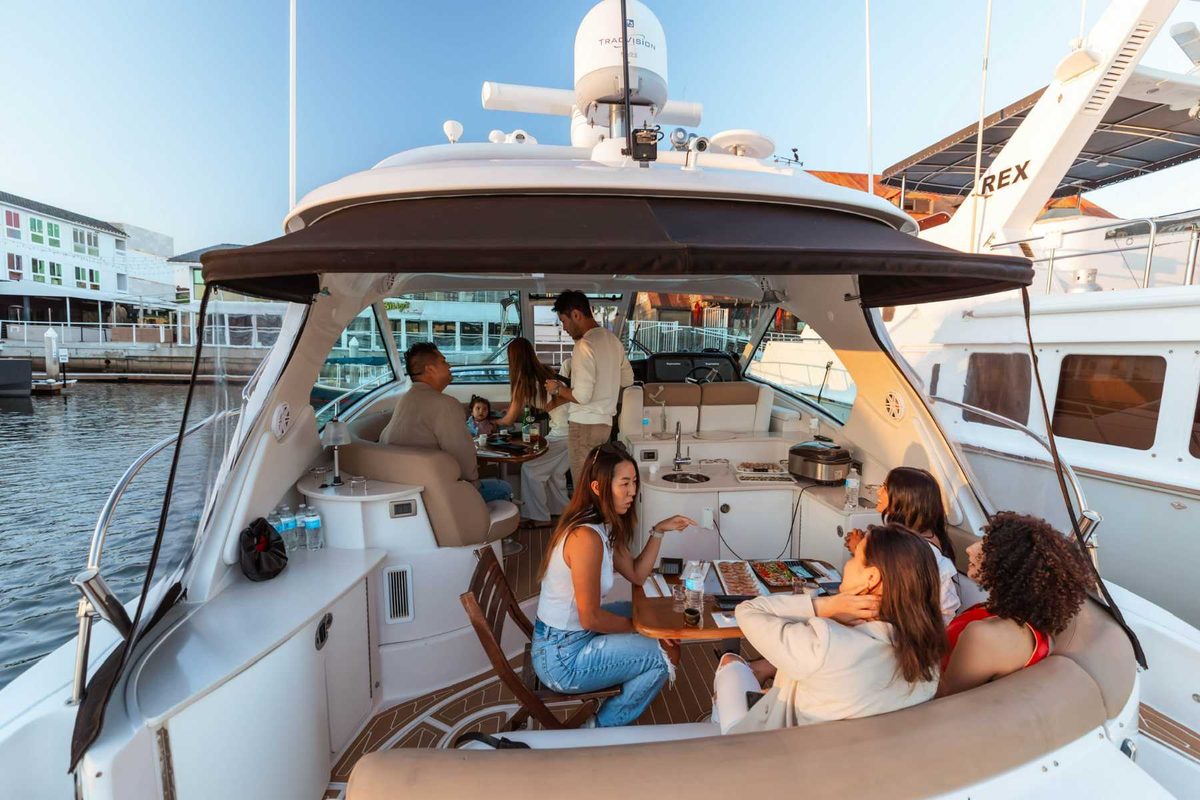
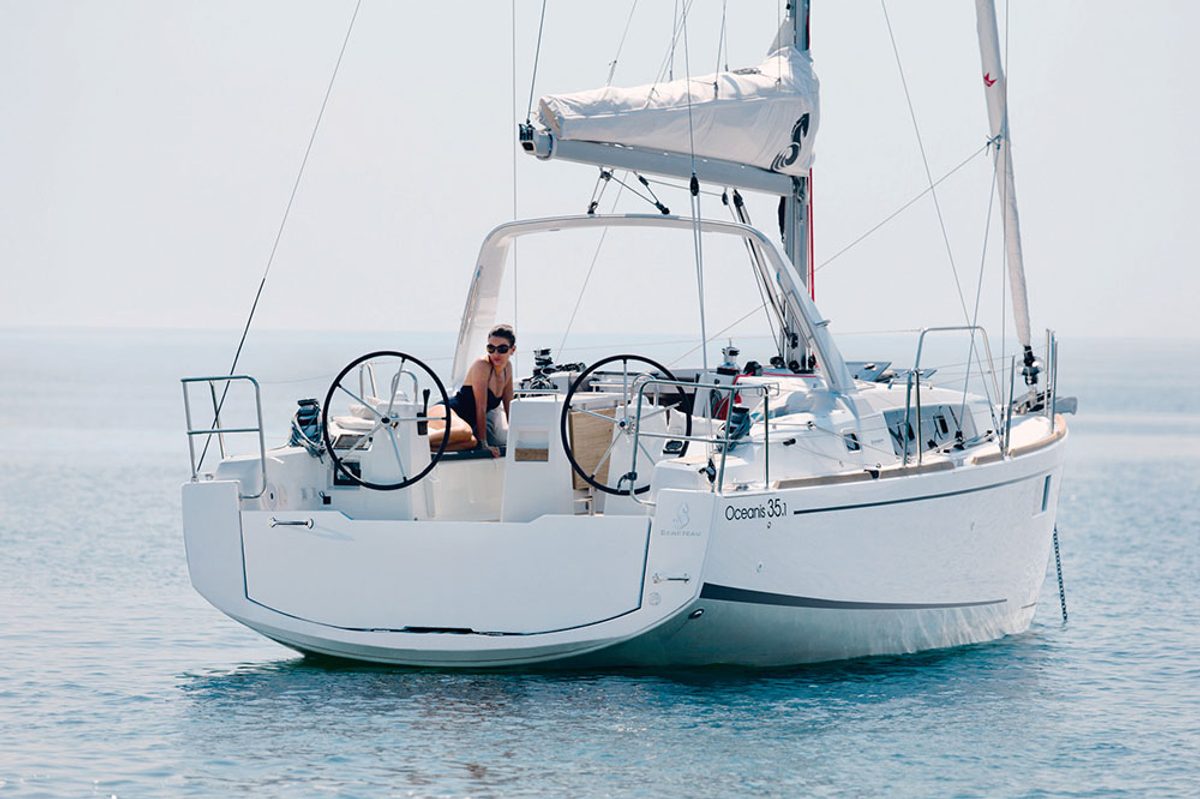
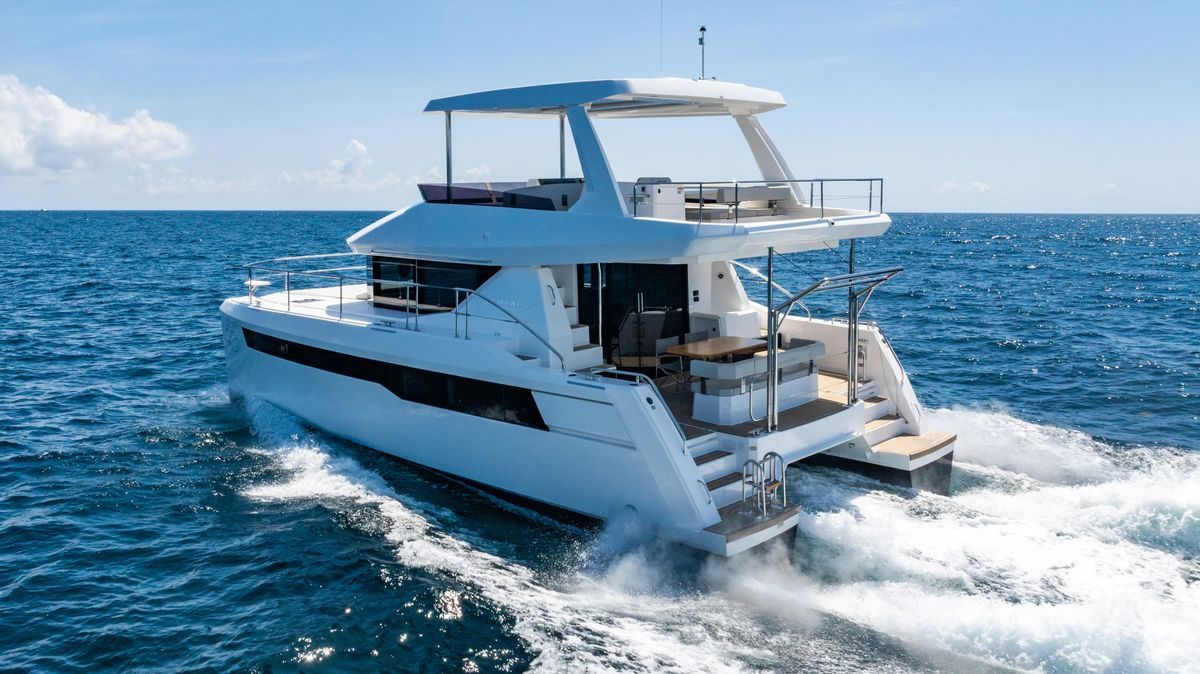
Vessel size, configuration, and seating position all influence individual comfort levels during the cruise. The fleet includes boats with capacities from 4-12 passengers, letting you match group size to vessel type. Catamarans and powerboats have 12-passenger capacity with spacious layouts that offer multiple seating options and stability characteristics. The upper deck on a boat may give a smoother ride compared to enclosed cabin spaces where you cannot see the horizon. Ask the captain where to sit for comfort based on the day's conditions and your personal concerns. They have seated thousands of guests and understand what works.
Simple habits reduce symptoms more than most people expect. The table below lists the strategies our captains recommend most, from watching the horizon to choosing your seat. Additional prevention and management strategies offer detailed guidance for guests with specific concerns.
| Strategy | Why it helps |
|---|---|
| Watch the horizon | Gives your eyes a stable reference that matches the motion your body feels |
| Skip reading and phones | Screen focus conflicts with your inner ear and adds to discomfort |
| Eat a light meal first | An empty or heavy stomach makes nausea more likely |
| Stay hydrated | Dehydration makes symptoms worse, so bring water on board |
| Ask about remedies | A pharmacist can suggest over-the-counter options before your trip |
| Pick your seat with the captain | Open-air seats with a clear view ride easier than enclosed cabins |
Protected harbor cruising appeals to distinct groups who value controlled environments and customizable experiences. Understanding which audiences find harbor cruising particularly suitable helps you determine whether this matches your own priorities. The combination of natural calm, professional oversight, and flexible planning serves multiple guest types effectively.
Couples and small friend groups often want authentic California coastal experiences without extreme adventure sports risks. Harbor cruises offer hands-on participation options where you can helm or trim sails under captain guidance or simply relax while the crew handles everything. This flexibility lets Experience Seekers engage at their comfort level rather than forcing everyone into identical participation. Selecting appropriate boat types for stability ensures the vessel matches your adventure tolerance and motion sensitivity.
Birthday parties, anniversaries, and retirement celebrations require environments where all guests feel comfortable throughout the event. Harbor cruises eliminate the worry that rough conditions will overshadow the celebration or make elderly relatives uncomfortable. Kids 12 and under are required by law to wear life jackets, providing safety reassurance for parents considering family outings. Grandparents, young children, and guests with varying physical abilities can all participate comfortably in the protected harbor setting. Family charter safety considerations address specific concerns parents raise when planning multigenerational events.
Business professionals organizing team-building events or client entertainment need predictable, professional environments that reflect well on their companies. Harbor cruising eliminates the reputational risk of guests becoming ill during an important business function. The controlled pace and calm waters let participants focus on networking, presentations, or relationship building rather than managing physical discomfort. Corporate organizers appreciate Newport Beach's reputation as a sailing destination when selecting venues that impress clients and employees.
Direct access to charter information, captain expertise, and logistical details reduces planning uncertainty for first-timers. Reviewing vessel options, understanding what captains provide, and confirming practical details builds confidence before booking. Newport Beach Sailing Charters & Yacht Rentals makes this information accessible through multiple channels designed to answer common questions.
Day charters include a friendly, knowledgeable captain, all required safety gear, and the flexibility to customize your harbor itinerary. Parking lot location is 201 E. Coast Hwy in Newport Beach, offering one of the largest private free parking facilities in the area. Captains handle navigation, safety, and cleanup while you focus entirely on enjoying the experience with your group.
The fleet page displays sailboats, powerboats, and catamarans with detailed specifications, capacity limits, and onboard amenities. Comparing vessel options helps you select the boat that matches your group size and comfort priorities. Photos and descriptions clarify what each yacht offers so you can make informed decisions before booking.
Direct conversations with captains answer specific questions about routes, conditions, and personal concerns that generic information cannot address. The FAQ section covers common logistical questions about life jackets, food and beverage policies, rescheduling, and what to bring. These resources reduce pre-trip anxiety by providing clear, specific answers from experienced local professionals.
Protected harbor geography, professional captains, flexible charter options, and thoughtful personal preparation combine to create accessible boating experiences for first-timers. Newport Bay's natural lagoon structure, maintained channels, and harbor speed limits establish fundamentally calmer baseline conditions than open-ocean routes. Starting your boating journey in this environment lets you build confidence gradually while enjoying authentic Southern California coastal beauty. Whether planning a milestone celebration, corporate event, or personal adventure, harbor cruising removes many of the variables that cause legitimate seasickness concerns for first-time boaters.
Newport Beach Sailing Charters & Yacht Rentals specializes in creating customized harbor experiences that match your comfort level and celebration goals. Our local captains know exactly which routes, boats, and timing deliver the calmest possible conditions for nervous first-timers and experienced sailors alike.
Ready to see the harbor for yourself? Call Newport Beach Sailing Charters & Yacht Rentals at (800) 609-3203, or request a quote and our team will match you with the right boat, captain, and departure time for a calm first trip. Book direct for the lowest rate with no booking fees, and keep the whole deck private for your group. Our local captains have guided guests through Newport Bay since 2006 and know exactly which routes stay smooth.
Most guests do not, because the harbor stays far calmer than the open ocean. The sandspit and inland channels block Pacific swell, and the 5 mph speed limit keeps the ride slow and steady. First-timers who feel unsure can start with a shorter trip and pick an open-air seat with a clear view. Tell your captain if you are prone to motion sickness so they can plan the calmest route.
A 3- or 4-hour charter works well for a first trip. It gives you enough time to relax and see the harbor without a long stretch on the water. If you feel comfortable, you can book a longer 5- to 8-hour charter next time. Starting short lets you learn how your body responds before you commit to a full day.
Eat a light meal, drink water, and get a good night's rest before you board. Skip heavy or alcohol-heavy meals, since they make nausea more likely. On board, watch the horizon and avoid reading or scrolling on your phone. If you have a history of motion sickness, ask a pharmacist about over-the-counter remedies before your charter.
Yes. The protected harbor and slow pace suit grandparents, young children, and guests with different physical abilities. Children 12 and under are required by law to wear life jackets, and captains keep safety gear on board for everyone. The calm water makes it easier for multigenerational groups to enjoy the same trip together.
A harbor cruise stays inside Newport Bay, where the sandspit and channels shelter the water and captains hold a 5 mph pace. An open-ocean cruise crosses the jetties into Pacific swell, where wind and waves create steady motion. The harbor option feels gentler and gives nervous first-timers a controlled way to try boating. You can move to longer coastal or Catalina trips once you know the harbor suits you.