

May marks peak whale migration activity along Southern California's coast. Newport Beach becomes a prime viewing corridor for multiple species during their northbound journey to Arctic feeding grounds. Spring whale sightings offer exceptional opportunities as nutrient-rich upwelling creates feeding hotspots attracting Earth's largest marine mammals.
Active migration and favorable ocean conditions make May ideal for whale watching yacht tours. Water temperatures stabilize between 58-62°F, creating comfortable surface conditions while maintaining cold-water productivity that concentrates prey species. Visibility extends beyond summer levels as spring storms clear particulates from coastal waters.
Key Takeaways
May delivers optimal whale watching through migration timing and favorable weather convergence. The May whale calendar shows peak sighting probabilities for multiple species traveling California's coastal waters. Spring upwelling intensifies during this period, bringing nutrient-dense waters to the surface, supporting massive krill and small fish concentrations.
Newport Beach's geographic position provides direct access to feeding corridors used by migrating cetaceans. The continental shelf drops dramatically just miles offshore, creating deep-water channels where whales concentrate. These conditions allow yacht charters to reach prime viewing areas within 30-45 minutes of departure.
Blue whales demonstrate 95% sighting probability throughout May in Southern California waters. These magnificent animals reach 80-100 feet and arrive as krill populations explode in spring upwelling zones. Fin whales appear with 65% sighting probability following similar migration routes.
Humpback whale charters benefit from 88% sighting probability as these acrobatic cetaceans travel north from Mexican breeding lagoons. Gray whales show 82% sighting probability during May, with mothers and calves moving slowly along the coast. Minke whales round out spring sightings at 55% probability.
May whale watching demand reaches 85/100, reflecting strong interest without peak-season overcrowding. Yacht charter demand similarly sits at 85/100, creating balanced markets with vessel availability and responsive booking windows. These levels contrast with July and August, when both indices exceed 95/100, and availability becomes constrained.
May weather delivers calmer seas and lighter winds than summer months, when afternoon thermal breezes intensify. Morning departures often encounter glass-calm conditions ideal for spotting distant whale blows and surface behavior. The spring Newport Beach sailing calendar shows consistent offshore conditions with minimal storm disruption.
California coastlines from San Diego to Monterey Bay provide exceptional May whale watching, with Newport Beach positioned centrally. Alaska and British Columbia represent additional hotspots where spring migration begins later. Blue whale sightings in Newport areas benefit from the proximity to the Channel Islands, where deep submarine canyons concentrate prey.
The Canary Islands and Azores serve as Macaronesian destinations with year-round populations supplemented by spring migrants. Mediterranean hotspots, including the Aeolian Islands and Ionian Islands, attract fin whales and sperm whales. The Dalmatian Coast offers emerging opportunities, though sighting probabilities remain lower than on Pacific routes.
Blue whales dominate May sightings as Earth's largest animals congregate in California feeding grounds. These filter-feeding giants consume up to 4 tons of krill daily during peak season. Their distinctive mottled blue-gray coloration and massive blow spouts reaching 30 feet high make them unmistakable from considerable distances.
Humpback whales provide the most dramatic surface behaviors, frequently breaching and slapping their 15-foot pectoral fins. Gray whales appear more frequently in nearshore waters as mothers guide calves through their first northbound migration. Additional species, including fin whales and minke whales, round out the May roster.
Blue whale sightings in Newport waters occur when these massive cetaceans arrive to exploit spring krill concentrations. Their streamlined bodies can exceed 100 feet, with females slightly larger than males. The distinctive small dorsal fin positioned far back appears tiny relative to their enormous size.
Blue whales feed by lunging through krill swarms with mouths agape, filtering water through baleen plates. Dives typically last 8-15 minutes, with blow patterns creating tall, columnar spouts visible for miles. Mottled pigmentation creates unique identification patterns that researchers use to catalog individual whales returning annually.
Humpback whales measure 40-50 feet with robust body shapes and distinctive long pectoral fins. Their knobby heads feature tubercles containing sensory hairs detecting water movement and prey distribution. May sightings often include breaching behavior as whales leap entirely clear of the water.
Gray whales average 45 feet with mottled gray skin heavily marked by barnacles and whale lice. Mother-calf pairs travel close to shore, with calves nursing frequently during their 5,000-mile journey from Baja lagoons. These bottom-feeding whales appear more scarred due to their unique feeding strategy of stirring seafloor sediments.
Fin whales represent the second-largest cetacean species at 60-80 feet, distinguished by asymmetrical jaw coloration. Their right lower jaw displays white pigmentation while the left remains dark. These fast swimmers can reach 25 miles per hour when pursuing prey aggregations.
Minke whales range from 25 to 35 feet and often approach vessels closely. Their dark gray backs feature distinctive white flipper bands that flash during surface rolls. Dolphin and whale watching excursions may also encounter common dolphins, bottlenose dolphins, and Pacific white-sided dolphins traveling alongside larger cetaceans.
Consumer research reveals 95% of whale watching participants rate viewing distance as highly important. This overwhelming preference reflects the desire for close encounters while respecting marine mammal protection regulations mandating 100-yard minimum distances. Charter operators must balance proximity with ethical wildlife viewing practices, preventing disturbance to feeding and migrating animals.
Cost ranks as highly important for 72% of consumers, though it falls below experiential factors like viewing quality and time with animals. This hierarchy suggests most participants prioritize encounter quality over absolute price. Charter options range from shared tours starting at $30 per person to exclusive yacht charters exceeding $2,500 daily.
Time with whales receives highly important ratings from 88% of consumers seeking extended observation opportunities. Charter durations ranging from 3 to 8 hours allow multiple encounters and patient tracking of individual whales. Species variety ranks highly important for 82% of participants who value diverse encounters.
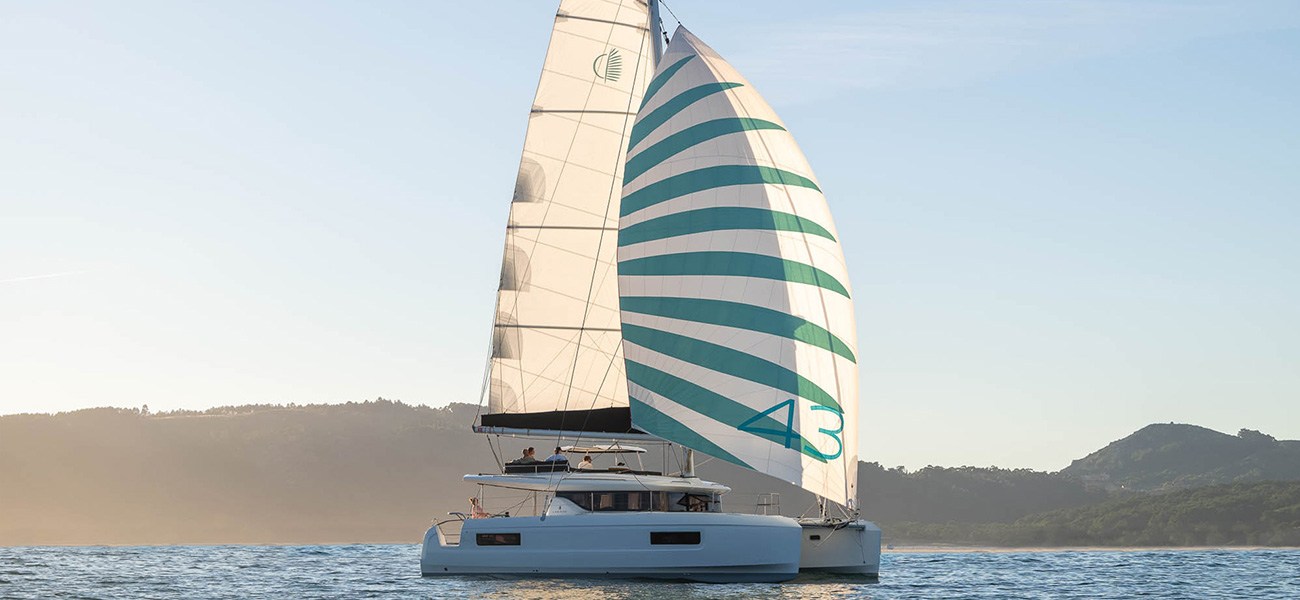
Boat crowding concerns 80% of consumers who prefer uncrowded viewing decks. Guide expertise matters to 78% of participants seeking certified marine naturalists, providing educational context. Choosing the perfect sailboat for whale watching involves balancing passenger capacity with viewing platform quality and maneuverability.
Younger adults aged 18-25 show 48% preference for sunset cruises combining whale watching with evening ambiance. Species-focused tours attract 35% of this demographic, often driven by photography interests. The 26-35 age group increases sunset cruise preference to 55% while raising species-focused interest to 42%.
Family tours dominate preferences for 36-45 year-olds at 65%, as parents prioritize child-friendly educational experiences. The 46-55 demographic is distributed evenly across family tours, luxury charters, and species-focused experiences at 58%, 58%, and 52%. Adults 56-65 and older strongly favor luxury charters at 68-72% alongside species-focused tours at 58-62%.
Small vessels measuring 9.5-12 meters accommodate a maximum of 12 passengers for intimate encounters with minimal distance from water. These nimble craft offer superior maneuverability when following active whales and position passengers just feet above the ocean surface. Catamaran advantages include stability, multiple viewing platforms, and protected seating, appreciated by families and motion-sensitive passengers.
Medium catamarans accommodate up to 70 passengers while maintaining reasonable deck space. Large catamarans handle 70-88+ passengers with maximum stability and all-weather capabilities but sacrifice personal attention. Vessel selection significantly impacts encounter quality, with smaller craft providing closer proximity but less shelter from elements.
Species-focused tours capture 28% market adoption among participants prioritizing specific whale encounters. These specialized excursions employ certified marine biologists providing expert commentary on behavior, ecology, and conservation. General ocean wildlife tours hold 22% market share, offering a broader focus including dolphins, sea lions, seabirds, and multiple whale species.
Premium yacht charters represent 20% market adoption for clients seeking exclusive, customized experiences. Sunset yacht cruises capture 18% adoption, combining golden hour photography with evening whale watching. Dinner cruises hold 12% market share, though these prioritize culinary experiences over dedicated wildlife observation.
Species-focused tours command $150-$300+ per person pricing reflecting specialized expertise and targeted encounter strategies. These expeditions dedicate 3-5 hours specifically to locating and observing priority whale species using hydrophones and communication networks. General ocean wildlife tours range $30-$100 per person with a broader focus and shorter durations.
Higher costs reflect smaller group sizes, expert guides, and equipment, including underwater microphones. Participants accept that sightings of specific species are not guaranteed despite elevated probabilities during peak seasons. Gray whale migration charters demonstrate how seasonal timing dramatically influences encounter success rates.
Sunset yacht cruises hold 18% market adoption among participants seeking atmospheric evening experiences combining wildlife and ambiance. These departures occur 45-60 minutes before sunset, allowing vessels to reach optimal viewing locations during golden hour. Pricing ranges $100-$250+ per person, depending on vessel size, amenities, and included food service.
May sunset timing in Newport Beach occurs between 7:30 and 8:00 PM, providing extended daylight for whale observation before transitioning to evening atmosphere. Spring sunset cruises take advantage of calmer evening seas and softer lighting, ideal for photography. Blue hour begins 25-27 minutes after sunset when stars emerge, and twilight creates serene return conditions.
Premium yacht charters command $2,500-$20,000+ per person per day for exclusive multi-day experiences with customized itineraries. These luxury offerings include professional crew, gourmet chef-prepared meals, and private access to premier whale watching locations. Vessels range from 50-100+ feet with multiple staterooms, stabilization systems, and premium amenities.
Premium charters require significant advance planning, often booking 6-12 months ahead for peak May availability. Extended trips may include overnight anchorages near the Channel Islands or Catalina Island for multi-day expeditions. Celebrating with extended charters allows milestone events to incorporate wildlife encounters within luxury hospitality frameworks.
Small vessels ranging 9.5-12 meters provide a maximum of 12 passengers with close water proximity and agile maneuvering. These craft position passengers within arm's reach of the ocean surface for intimate whale encounters. However, small vessels offer less shelter from wind, spray, and sun exposure.
Weather dependence significantly limits small vessel operations as sea states above 3-4 feet create uncomfortable conditions. Limited amenities mean minimal seating, basic restroom facilities, and no food service beyond packaged snacks. These trade-offs become acceptable for photographers and enthusiasts prioritizing close encounters over comfort.
Small vessels excel at following active whales through quick direction changes and rapid positioning adjustments impossible for larger craft. The low profile and minimal engine noise reduce disturbance to resting or feeding animals. Passengers experience unobstructed 360-degree views without crowding or multi-level deck structures blocking sightlines.
Weather-dependent operations mean frequent cancellations when wind or swell exceeds safe parameters. Limited amenities include basic seating, minimal shade, and restricted movement space when seas are rough.
Medium catamarans measuring 17.5 meters accommodate up to 70 passengers while maintaining stability through twin-hull design. These vessels offer covered seating, full galley facilities, and restroom access appreciated during 3-4 hour excursions. The broad beam creates stable platforms, minimizing seasickness while providing elevated viewing positions.
Medium vessels potentially create crowded viewing areas when passenger counts approach maximum capacity. The largest catamaran fleet on the West Coast demonstrates how operator experience and vessel maintenance significantly impact guest satisfaction. Multiple deck levels allow passengers to select protected or exposed positions based on preferences.
Large catamarans exceeding 17.5 meters handle 70-88+ passengers with maximum stability and all-weather operational capabilities. These vessels provide extensive amenities, including full bar service, prepared meals, and climate-controlled interior spaces. Multiple viewing decks distribute passengers across bow, stern, and upper observation areas, reducing crowding.
Large vessels provide the least personal attention from guides who must address many passenger questions. Crowded experiences during peak bookings can limit movement between viewing positions. A greater distance from the water surface means fewer intimate encounters, though elevated positions extend visual range for spotting distant blows.
The global whale watching tour market reached $2.6 billion USD in 2024, with projections to $4.8 billion by 2033. This growth reflects 7.2% compound annual growth driven by increasing eco-tourism interest and marine conservation awareness. North America holds 36% of the global market share, with California's extensive coastline and established infrastructure supporting this dominance.
The yacht charter market, valued at $8.35 billion in 2024, projects growth to $14.80 billion by 2033 as luxury travel rebounds. Newport Beach benefits from its position within Southern California's high-income demographic corridor with strong demand for premium ocean experiences. Spring shoulder season gains popularity among experienced travelers seeking uncrowded conditions and optimal wildlife viewing.
Tenerife receives 5.6 million annual visitors, with 17.5% participating in whale watching activities as a mass tourism destination. This Canary Island attracts generalist visitors seeking overall satisfaction rather than specialized species encounters. El Hierro demonstrates contrasting dynamics with 88.4% of visitors from European Iberia drawn by scientific program approaches.
São Miguel experiences 15.5% annual growth in whale watching participation as the Azores gain international recognition. The island balances moderate tourism intensity with high species diversity, attracting mixed profiles of generalist and specialized visitors. El Hierro's scientific program approach attracts specialized tourists seeking rare beaked whale encounters unavailable at mass tourism destinations.
Urban residents demonstrate a higher propensity for booking premium yacht charters and specialized species-focused tours seeking escape from metropolitan environments. These participants typically spend $150-$300+ per person and prioritize expert guides, small groups, and extended time on water. City dwellers often book spring departures to avoid summer crowds.
Rural residents favor general ocean wildlife excursions and family-oriented tours priced $30-$100 per person with a broader focus. These participants typically prioritize value and accessibility over specialized encounters or luxury amenities. Geographic proximity to coastal areas influences booking patterns, with rural residents making day trips while urban visitors combine whale watching with extended coastal vacations.
May bookings benefit from spring shoulder season dynamics, offering optimal weather without peak-season crowding or premium pricing. Experienced travelers increasingly recognize this timing advantage, driving May whale watching demand to 85/100. Yacht charter demand similarly reaches 85/100 as vessel availability remains strong and responsive booking windows accommodate last-minute decisions.
Summer months, July and August, see demand indexes exceeding 95/100 with corresponding availability constraints and elevated pricing. Spring pricing typically runs 15-25% below peak summer rates while maintaining identical whale sighting probabilities for most species. Advanced bookings secure preferred vessels and departure times, though May's moderate demand allows shorter planning horizons.
May sunset timing in Newport Beach ranges from 7:30-8:00 PM, providing extended afternoon and evening light for combined whale watching and atmospheric cruising. Golden hour spans 55-60 minutes of soft, warm, directional light prized by photographers capturing whale behaviors. Optimal departure occurs 45-60 minutes before sunset, allowing vessels to reach prime viewing locations before light quality peaks.
Sea conditions are typically calm during evening hours as daytime thermal winds diminish. May's spring atmosphere delivers comfortable temperatures between 65-72°F during sunset hours without summer's intense heat or winter's chill. This thermal balance creates ideal conditions for deck seating without heavy layering or excessive sun protection.
Golden hour begins 30 minutes before sunset when the sun's low angle creates warm, directional light emphasizing texture and color. Departures 45-60 minutes before sunset position vessels in optimal viewing areas as golden hour commences. This timing allows initial whale observation during full daylight before transitioning to enhanced atmospheric conditions.
Blue hour occurs 25-27 minutes after sunset when twilight creates deep blue skies and stars begin emerging. This period offers serene return conditions with calm seas and diminished glare from the water surface reflections. Twilight navigation provides peaceful closure to whale watching excursions while maintaining sufficient visibility for safe harbor approaches.
May weather patterns deliver more stable conditions than summer when afternoon thermal winds intensify to 15-20 knots. Spring sea states typically remain below 3 feet during evening hours, creating comfortable platforms for observation and photography. Morning marine layer often clears by early afternoon, ensuring clear western horizons for unobstructed sunset viewing.
Wind forecasts become critical for sunset charter planning as even moderate breezes can diminish comfort. Operators monitor weather closely, with conditions above 15 knots potentially requiring itinerary adjustments. May's generally benign weather patterns result in cancellation rates below 5% compared to winter's 15-20% weather-related disruptions.
May delivers an optimal balance between warm temperatures and comfortable evening conditions without summer's oppressive afternoon heat. Spring's cooler water temperatures create less marine layer formation than summer months, when fog frequently persists past noon. Clear western horizons during sunset hours provide dramatic color displays as the sun descends toward the Pacific.
The combination of active whale migration and extended daylight creates unique opportunities for wildlife observation extending into evening hours. Whales continue feeding actively through sunset as krill populations remain near the surface during twilight transitions. This behavioral pattern allows sunset cruises to maintain wildlife focus while incorporating atmospheric elements that purely daytime charters cannot access.
May represents the peak convergence of whale migration, favorable weather, and uncrowded coastal conditions throughout Southern California waters. Newport Beach's geographic position provides direct access to prime feeding corridors where multiple whale species concentrate during northbound journeys. The 95% sighting probability for blue whales during this month reflects the reliable timing of spring upwelling and prey aggregations.
São Miguel's model of balancing moderate tourism intensity with high species diversity offers relevant lessons for California destinations. Newport Beach similarly benefits from strong infrastructure, expert guides, and diverse vessel options serving both specialized and generalist visitors. The market's projected growth to $4.8 billion by 2033 demonstrates economic viability and consumer interest, driving continued expansion.
Spring yacht charters combine exceptional wildlife viewing with premium amenities and personalized service unavailable during peak summer crowding. The May whale calendar provides reliable planning data for booking excursions during optimal sighting windows while weather conditions remain favorable. Consumer preferences emphasizing viewing distance, time with whales, and guide expertise align perfectly with May's operational advantages and seasonal characteristics.
Newport Beach Sailing Charters delivers these premium experiences through customized itineraries and expert local knowledge of Southern California's marine environment. Whether seeking close encounters with Earth's largest animals or combining wildlife observation with sunset ambiance, May offers unmatched conditions. The spring season provides the perfect opportunity to experience California's magnificent whales before summer crowds arrive and vessel availability becomes constrained.
Ready to plan your May whale watching adventure in Newport Beach? Contact us to customize your spring charter and experience blue whales, humpbacks, and gray whales during peak migration season.