


Key Takeaways:
Newport Beach provides front-row access to one of nature's most spectacular migrations: gray whales traveling over 12,000 miles annually between Arctic feeding grounds and Baja California breeding lagoons. February represents peak viewing season when northbound whales, often accompanied by newborn calves, swim close to the Southern California coast. Understanding what makes this month optimal and how yacht charters enhance wildlife encounters helps determine whether migration-focused trips match specific travel goals.
The combination of predictable whale corridors, experienced charter operators, and over 95% sighting success rates distinguishes February whale watching from casual marine tours. These charters deliver educational wildlife experiences rather than simple boat rides, with naturalists providing context for behaviors and ecosystem roles. The following sections clarify what defines gray whale migration, why February matters specifically, and how proper planning maximizes encounter quality.
Gray whale migration represents one of Earth's longest and most visible mammal journeys. Understanding the basic biology and patterns helps appreciate the scale and significance of February encounters off Newport Beach.
Gray whales travel over 12,000 miles annually in their complete migration cycle, making this one of the longest mammal migrations on the planet. These 40-ton animals journey from Arctic summer feeding grounds to warm, sheltered lagoons in Baja California for breeding and calving before returning northbound. The sheer distance and physical demands distinguish gray whale migration as exceptional even among marine mammals known for extensive travel.
The round-trip nature means whales pass Southern California coastlines twice annually—southbound toward Baja in winter and northbound returning to Arctic waters in spring. This dual passage creates extended viewing windows though seasonal timing, whale behavior, and proximity to shore vary significantly between directions. February's positioning during northbound migration when whales swim closer to coast creates the optimal viewing conditions Newport Beach charterers seek.
Gray whales migrate to warm, sheltered lagoons of Baja California specifically for breeding and calving in protected environments. The Arctic feeding grounds provide rich food sources during summer months but prove unsuitable for vulnerable newborn calves. The lagoons offer calm, warm waters where mothers can nurse calves safely while building strength for the northbound journey.
After calving season concludes, whales return north to Arctic summer feeding grounds where nutrient-rich waters support their massive size and energy requirements. Northbound whales swim closer to the coast than their southbound counterparts, creating the proximity advantage February charterers enjoy. This coastal route brings 40-ton animals within miles of Newport Beach, allowing intimate encounters impossible during the more offshore southbound migration.
Timing determines wildlife charter success more than any other planning factor. February's positioning within migration cycles and whale behavior patterns creates the season's most reliable and rewarding encounters.
February and March represent the best months for gray whale sightings according to experienced charter operators, with peak season running December through April overall. February specifically features northbound whales, often with newborn calves, creating the most memorable encounters of the migration season. The combination of mothers with calves plus closer coastal proximity produces viewing opportunities unavailable during other migration phases.
The February-March window concentrates whale density along the Newport Beach corridor as the bulk of the population passes northbound simultaneously. This concentration means multiple sightings during single charters prove common rather than exceptional. The predictability allows charter operators to maintain over 95% success rates for spotting whales and other marine life during this peak period, making February bookings low-risk investments for wildlife-focused travelers.
Over 95% success rates for spotting whales and marine life during peak season reflect the concentrated whale density passing Newport Beach in February. The northbound migration timing coincides with whales swimming closer to the coastline compared to southbound routes, increasing both encounter frequency and viewing quality. Higher concentrations mean less searching time and more observation time during typical 2-3 hour charters.
The density effect compounds with behavioral factors—nursing mothers move more slowly and predictably than non-calving whales, allowing extended viewing periods. The combination of proximity, density, and predictable movement patterns creates the 95%+ success rates distinguishing February from shoulder season months where sightings prove less reliable despite whales still migrating through the area.
Migration corridors follow predictable patterns though specific daily locations vary. Understanding general routes and whale proximity helps set realistic expectations for encounter distances and viewing angles.
Waters off Newport Beach, Laguna Beach, and Crystal Cove represent prime viewing areas where whales pass consistently during February migration. Most charters depart from Newport Harbor and travel a few miles offshore to the whales' migration corridor rather than requiring extensive passages to distant waters. The relatively short distances mean more time observing whales and less time in transit compared to destinations requiring hour-long approaches.
Specific locations vary daily based on whale movements, weather conditions, and ocean currents affecting their routes. Experienced captains and naturalists prove adept at finding the best spots for encounters through combination of radio communication with other vessels, whale behavior knowledge, and real-time observation. Frequently asked questions address common concerns about travel distances and time spent reaching viewing areas.
Northbound whales swim closer to coast than southbound whales, bringing these 40-ton animals within miles of Newport Beach during February. The coastal proximity allows smaller charter vessels to reach migration corridors quickly without offshore passages requiring extensive fuel and time. This accessibility distinguishes Newport Beach from locations requiring significant distance to reach whale routes.
Gray whales demonstrate curious behavior toward boats rather than avoidance, creating intimate encounters when vessels follow proper protocols. Andrew Trites, Director of the Marine Mammal Research Unit at University of British Columbia, explains: "The whale turns on its side, looks you in the eye. It clearly is very curious about people. It isn't people running up to whales, it's whales coming to people." This curiosity means properly conducted charters often experience whales approaching vessels rather than requiring pursuit, creating memorable interactions while maintaining respectful distances.
Charter vessel type significantly impacts encounter quality, viewing angles, and overall experience. Understanding options helps match preferences and budgets to appropriate choices.
Private charters and small group tours offer more intimate and flexible experiences compared to large group tours, allowing personalized attention from crew and route adjustments based on real-time whale sightings. Group tours accommodate 50-150+ people for $38-$55 per person over 2-2.5 hours. Small group tours carry 6-49 people for $65-$95 per person over 2-3 hours. Private charters handle 2-40 people for $950-$3,500+ total over 2-4+ hours, providing maximum flexibility and customization.
The flexibility benefits extend beyond simple routing—private charters can extend time at particularly active whale locations, adjust departure times for optimal conditions, and incorporate guest preferences for photography versus simply viewing. Some vessels feature amenities like underwater viewing pods providing unique perspectives impossible on standard charters. Daily route adjustments based on whale movements and radio reports from other vessels allow dynamic planning responding to actual conditions rather than fixed itineraries.
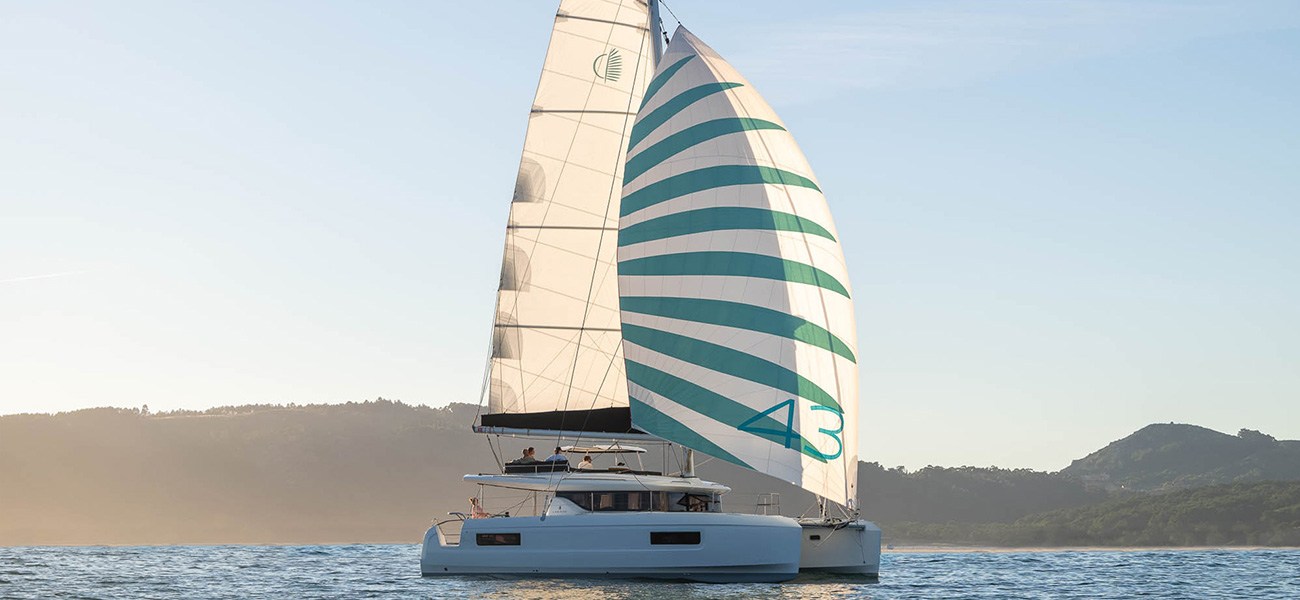
Smaller vessels prove more maneuverable for better viewing angles without disturbing wildlife, allowing positioning adjustments large vessels cannot execute safely or quickly. The 6-49 passenger capacity on catamarans and smaller yachts versus 50-150+ on large vessels creates less intrusive encounters where whales approach more readily. Luxury catamarans specifically provide stable, comfortable viewing platforms combining maneuverability with reduced motion affecting seasick-prone guests.
The intimacy factor matters beyond simple numbers—smaller groups allow quieter environments where whale sounds prove audible and naturalist explanations reach all passengers easily. Large vessel noise and crowding can overwhelm the experience, reducing education opportunities and creating competitive viewing where prime rail positions prove difficult to access. Day charters on appropriately sized vessels balance capacity economics against quality encounter delivery.
Whale behavior and accompanying marine life create the complete experience. Understanding typical encounters helps set realistic expectations while appreciating the diversity beyond simply spotting whales.
Common whale behaviors include breaching where whales leap from water, spy-hopping with vertical surface positioning, and the telltale spout or blow indicating breathing. Calf breaching represents play and communication behavior signaling healthy, energetic young whales according to onboard naturalists. These behaviors create photographic and viewing opportunities beyond simple surface sightings of backs and flukes.
A February case example demonstrates typical encounter quality: a mother gray whale and calf swimming gracefully northward with the calf breaching multiple times over nearly an hour of observation. The naturalist explained calf behavior significance, transforming simple viewing into educational experience. This extended observation timeframe—watching whales for 30-60 minutes rather than brief glimpses—distinguishes quality charters from rushed experiences where boats move constantly seeking next sighting.
Common dolphins appear in massive groups sometimes numbering hundreds or thousands in "super pods," displaying distinctive hourglass patterns on smaller, more slender bodies. They demonstrate high-speed stampedes and energetic leaps creating spectacular surface activity. Bottlenose dolphins prove larger and more robust, often seen closer to shore, exhibiting playful behaviors like bow-riding and surfing in boat wakes.
California sea lions prove abundant, basking on buoys and jetties in Newport Harbor and along the coast. Harbor seals appear but remain shyer and less commonly observed. Mola mola or sunfish, the heaviest bony fish in the world, often bask on their sides at the surface creating unusual sightings. Shark species including mako, thresher, and occasionally great white sharks inhabit local waters though sightings prove less common. Seabirds including pelicans, cormorants, gulls, and terns fill the airspace, completing the marine ecosystem visible during charters. Adventure charters emphasize this holistic wildlife experience beyond single-species focus.
Winter ocean conditions require different preparation than summer charters. Understanding typical conditions and proper preparation prevents discomfort and maximizes enjoyment.
Ocean weather changes quickly during winter months, requiring layered clothing including waterproof jackets for varying conditions throughout single trips. Non-slip shoes prove essential for boat decks that become slippery from spray and moisture. Sun protection including sunscreen, sunglasses, and hats remains necessary even on overcast days when UV exposure occurs despite cloud cover.
The variable conditions mean mornings may start calm and cool before afternoon winds develop, or vice versa depending on weather patterns. Guests unprepared for this variability experience discomfort reducing enjoyment of wildlife encounters. The ocean environment differs fundamentally from land-based winter activities, requiring specific preparation matching maritime exposure rather than simply dressing for cold temperatures.
Specific whale locations vary daily based on movements and ocean conditions affecting their routes and feeding patterns. Experienced captains navigate these changing conditions, adjusting routes to maintain passenger comfort while maximizing whale encounter opportunities. Seasickness medication proves recommended for those prone to motion sickness since February ocean conditions create more movement than calm summer seas.
Booking in advance becomes essential since February represents a popular month, especially for weekend departures when demand peaks. The advance booking requirement reflects both popularity and limited vessel availability during peak season. Weather variability means some flexibility in scheduling helps—guests able to reschedule around poor weather windows achieve better experiences than those locked into single dates regardless of conditions.
Charter demographics and motivations vary significantly. Understanding ideal profiles helps determine whether migration-focused trips match specific interests and capabilities compared to alternative marine experiences.
Families find group tours great for casual observers, with affordability supporting multi-person expenses without excessive costs. Travelers seeking educational experiences benefit from onboard naturalists or marine biologists providing fascinating insights into whale lives, behaviors, and ecosystem roles. Nature enthusiasts wanting holistic marine wildlife experiences beyond simple whale sightings appreciate the dolphins, sea lions, and seabirds commonly encountered.
Wildlife photographers need cameras with zoom lenses and binoculars for capturing images from respectful distances without disturbing animals. The educational component transforms simple boat rides into inspiring adventures according to marine naturalists: "I cried like three times, that was MAGICAL!… People protect what they love, and I believe our guests are walking away with a new understanding and appreciation of our beautiful blue planet." This emotional connection and conservation awareness represents charter value beyond entertainment.
February-March proves optimal for seeing northbound whales with calves, the migration phase creating most memorable encounters unavailable during other seasons. The 95%+ success rate for wildlife sightings during peak season eliminates the uncertainty affecting shoulder season trips where whale presence proves less predictable. Typical 2-3 hour tours provide concentrated wildlife focus versus longer coastal cruises emphasizing scenery and leisurely sailing.
Beyond the thrill of seeing 40-ton whales' surface, charters offer complete marine ecosystem experiences with dolphins, sea lions, and diverse seabirds. This ecosystem focus appeals to travelers prioritizing wildlife education and conservation awareness over pure relaxation or social experiences. Scenic coastal cruises serve different purposes—leisurely sailing, sunset viewing, or social gatherings—while migration charters deliver concentrated wildlife encounters within compressed timeframes.
Proper planning maximizes sighting probability and ensures comfortable, rewarding experiences. Understanding booking requirements, preparation needs, and responsible practices prevents common mistakes.
Book in advance since February represents a popular month, especially weekends when demand exceeds available capacity on quality vessels. Typical 2-3 hour durations provide adequate time for travel to migration corridors, observation periods, and return while fitting within half-day schedules. Departures from Newport Harbor minimize travel time to prime viewing areas compared to more distant ports requiring longer approaches.
Experienced captains and naturalists find best daily spots through radio communication, whale behavior knowledge, and real-time observations rather than fixed routes ignoring actual whale locations. Essential items include reusable water bottles reducing plastic waste, reef-safe sunscreen free of oxybenzone and octinoxate, binoculars for closer looks without disturbing wildlife, and cameras with zoom lenses for photos from respectful distances. Layered clothing including windbreakers or waterproof jackets, non-slip shoes, hats, sunglasses, and seasickness medication if prone to motion sickness complete proper preparation.
Gray whales once faced near-extinction from hunting but made remarkable recovery thanks to international protection. Current threats include ship strikes, entanglement in fishing gear, and climate change impacting food sources, requiring continued conservation vigilance. Reputable charter companies adhere to strict NOAA guidelines ensuring whales remain undisturbed during encounters, maintaining distances and avoiding behaviors causing stress or disruption.
Portions of ticket sales support marine research and conservation efforts, making charter selection a conservation contribution when choosing certified eco-tour operators. Look for Whale SENSE program certification from Whale and Dolphin Conservation recognizing companies committed to responsible practices. Presence of trained naturalists or marine biologists indicates commitment to education and conservation beyond simple entertainment. Some companies offer "whale checks" or free return trips if no sightings occur, demonstrating confidence in their success rates and customer satisfaction priorities.
Smaller vessels and group sizes create less intrusive encounters where whales approach more readily without feeling threatened or overwhelmed. Online reviews mentioning wildlife respect and viewing guideline adherence indicate reputable operators worth supporting. These selection criteria ensure charter spending supports responsible operators advancing conservation rather than companies treating wildlife as mere attractions without regard for animal welfare or ecosystem health. Captained charters with experienced crews demonstrate proper wildlife protocols throughout encounters.
The decision framework balances multiple factors—budget constraints, group size, desired intimacy level, educational priorities, and schedule flexibility. Group tours suit budget-conscious families and casual observers wanting affordable access to migration spectacle. Small group tours appeal to travelers seeking more personalized experiences without full private charter costs. Private charters serve groups wanting maximum flexibility, extended time, and customized experiences justifying premium pricing.
Understanding these trade-offs prevents mismatches where expectations exceed realistic delivery for chosen charter types. February's popularity and high success rates mean most charter types deliver satisfying experiences when properly selected for actual guest priorities rather than aspirational preferences disconnected from budget or group dynamics realities.
Weather contingency planning matters since ocean conditions affect passenger comfort significantly. Guests with flexibility can reschedule around particularly rough days, improving experiences versus forcing trips during poor windows. However, February generally provides favorable conditions compared to late fall or early spring when storm frequency increases. The seasonal positioning balances good weather probability against peak migration timing.
Physical capabilities influence charter selection since motion sensitivity, mobility limitations, or health conditions affect suitable vessel types. Stable catamarans reduce motion better than monohulls, benefiting seasick-prone guests. Vessels with easy boarding and minimal ladder climbing accommodate elderly or mobility-impaired travelers better than vessels requiring athletic capability for access.
Children's ages and attention spans determine appropriate charter durations and types. Young children may struggle with 3+ hour trips while teenagers and adults appreciate extended time. The 2-2.5 hour group tour format often suits families with young children better than extended private charters where attention wanes before trips conclude.
The educational versus entertainment balance varies by charter type and operator. Some emphasize naturalist presentations and species identification while others focus on simply viewing whales without extensive interpretation. Understanding personal preferences for learning versus pure viewing helps select operators matching desired experience styles.
Photography priorities affect vessel selection since stable platforms, unobstructed views, and positioning flexibility matter for serious photographers. Private charters allow more control over positioning and duration at active locations versus group tours following fixed schedules regardless of photography opportunities. Communication with operators about photography intentions helps secure appropriate vessels and timing.
Conservation values influence operator selection when supporting responsible practices matters beyond simple wildlife viewing. Eco-certified operators cost more but deliver knowledge that charter spending advances conservation rather than exploiting wildlife for profit without regard for animal welfare. This value alignment creates satisfaction beyond encounter quality alone.
Newport Beach Sailing Charters provides February whale watching experiences with experienced naturalists, comfortable vessels, and proven track records for successful encounters. Our intimate group sizes and flexible scheduling maximize viewing opportunities while maintaining responsible wildlife practices supporting conservation. Professional crews handle navigation and positioning while naturalists explain behaviors, creating educational experiences beyond simple sightings.
Ready to witness gray whale migration during peak February season with expert guidance and comfortable vessels? Contact us today to discuss charter options matching your group size, schedule, and wildlife encounter goals for memorable Southern California marine experiences during this spectacular annual migration event.