

Marine sanctuary sailing represents a specialized approach to coastal navigation that balances recreational enjoyment with environmental protection. This practice occurs within designated marine protected areas where strict regulations govern vessel operations to preserve delicate ecosystems. Newport Beach serves as an ideal launching point for accessing Southern California's protected coastal waters, where seasonal wildlife migrations and year-round resident species create exceptional viewing opportunities.
Key Takeaways
Marine sanctuary sailing operates within federally designated protected zones where vessels must adhere to environmental protocols. These expeditions prioritize wildlife observation while maintaining safe distances from marine mammals and sensitive habitats. Specialized charters combine educational components with recreational sailing, often featuring marine biologists who provide ecological context for observed species.
Eco-conscious vessels integrate technology designed to minimize environmental impact. Solar panels mounted on deck surfaces generate electrical power for navigation systems. Bio-diesel and electric-hybrid propulsion systems reduce emissions while operating in sensitive zones where noise pollution affects wildlife behavior.
Advanced construction methods distinguish these craft from conventional vessels. Carbon fiber construction paired with vacuum-bagged honeycomb cores reduces weight while maintaining structural integrity. Lightweight designs decrease fuel consumption and allow shallower drafts that minimize seafloor disturbance during anchoring.
Marine sanctuary sailing creates direct economic incentives for protecting coastal ecosystems through sustainable tourism revenue. Charter operators contribute to conservation funding through permit fees and often allocate booking revenue toward marine research initiatives. Educational programming raises public awareness about threatened species and habitat preservation among participants who become informed advocates.
Passenger observation data collected during expeditions provides valuable information for marine biologists studying migration patterns. Crew members trained in wildlife identification protocols document sightings with GPS coordinates and photographic evidence submitted to research databases. This citizen science model transforms recreational sailing into active conservation monitoring.
Protected waters charters must comply with federal and state regulations limiting vessel speeds within sanctuary boundaries. The National Marine Sanctuary system enforces approach distance requirements prohibiting boats from positioning closer than 100 yards to marine mammals. Operators face significant penalties, including vessel seizure and permanent permit exclusion for violations.
Seasonal closures restrict access to specific zones during critical wildlife periods such as gray whale calving seasons. Charter operators must obtain specialized permits demonstrating crew training in sanctuary protocols and vessel compliance with noise reduction standards. These frameworks ensure commercial sailing activities remain compatible with ecosystem health and species protection.
Newport Beach provides direct access to multiple marine protected areas within California's sanctuary system. The harbor infrastructure supports eco-tourism vessels with specialized bio-diesel fueling stations and electrical charging facilities. Proximity to deep-water channels allows rapid transit to offshore sanctuary zones where pelagic species congregate along nutrient-rich upwelling currents.
Newport Beach marine tours encounter diverse species across seasonal migration cycles and year-round resident populations. Gray whales pass through local waters during their December through April migrations between Arctic feeding grounds and Baja breeding lagoons. Common dolphins and bottlenose dolphins inhabit coastal zones throughout the year, often approaching vessels in large pods.
Marine sanctuary sailing offers unpredictable wildlife sightings depending on oceanographic conditions and animal behavior. Blue whales occasionally appear during the summer months when krill concentrations support these endangered filter feeders. Seabird colonies, including brown pelicans and cormorants, nest on protected offshore rocks visible during breathtaking catamaran sailing adventures departing from Newport Harbor.
The Newport Beach market offers half-day wildlife observation tours and multi-day sanctuary expeditions. Three-hour harbor departures focus on nearshore dolphin populations and coastal seabird viewing, with minimal sailing experience required. Extended charters venture to Channel Islands sanctuary zones where participants engage in hands-on sailing while naturalists provide continuous wildlife interpretation.
Private charters accommodate customized itineraries matching specific ecological interests such as whale photography or seabird identification. Group tours operate on scheduled departures throughout peak migration seasons with flexible cancellation policies accounting for weather constraints. These options serve both experienced sailors and novice participants, prioritizing educational wildlife encounters.
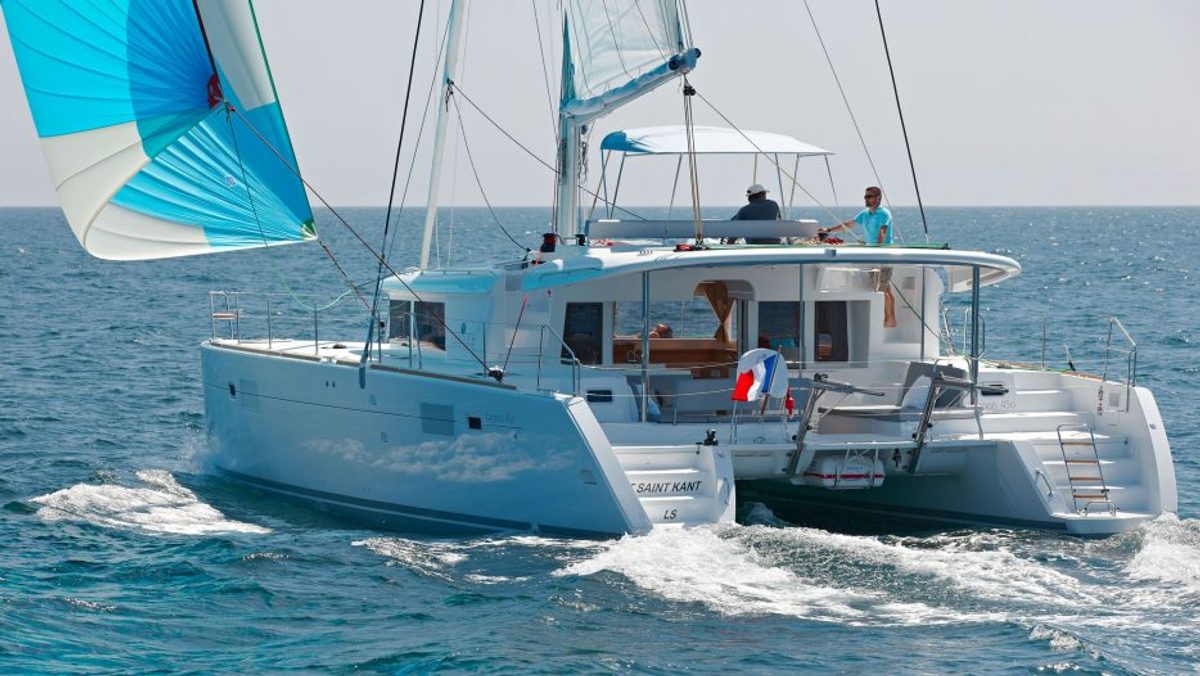
Newport Beach operators maintain specialized fleets designed for low-impact sanctuary access and comfortable wildlife observation. Stable catamaran platforms provide expansive deck space where passengers move freely during wildlife encounters without compromising balance. Operators emphasize transparent pricing with environmental permit fees clearly itemized.
Local crews include USCG-licensed captains with marine biology backgrounds who combine navigation expertise with species identification knowledge. These professionals adjust routes in real-time based on reported sightings and oceanographic conditions. Their dual expertise creates immersive experiences where sailing instruction integrates with dolphin and whale watching educational programming.
Marine sanctuary sailing emphasizes environmental stewardship and wildlife observation rather than speed or competitive performance. Vessel selection prioritizes stability for passenger comfort during extended observation periods over racing-oriented hull designs. Routes follow predictable seasonal migration corridors rather than performance-optimized sailing courses.
Catamarans demonstrate superior initial stability compared to monohulls, eliminating heeling motion that causes seasickness among inexperienced passengers. This stability proves essential during wildlife encounters when passengers gather on one side to observe approaching dolphins. Dual-hull designs accommodate larger observation groups without cramped conditions.
Catamarans currently hold over 55% revenue share in the cruising-racing market due to family-oriented design features. However, their wider beam restricts marina access at facilities designed for traditional monohull dimensions. Higher docking fees at premium marina locations offset operational advantages, particularly in congested harbor environments like Newport Beach.
Charter sailboats maintain 35% market preference among experienced sailors who value traditional handling characteristics over catamaran spaciousness. Budget sailboat charters range from USD 1,000-2,500 weekly for basic bareboat configurations, while premium offerings reach USD 10,000-25,000 weekly. These monohull vessels provide authentic sailing experiences where heel angle and sail trim directly influence performance.
Crewed charters include professional captains and crew who manage all vessel operations while passengers enjoy sanctuary observation. Bareboat charters appeal to certified sailors preferring independent navigation. Professional skipper costs add USD 250-350 daily to bareboat rates, representing a significant expense for week-long sanctuary expeditions requiring specialized local knowledge.
Performance sailing requires highly specialized skills to operate safely, making these vessels inappropriate for sanctuary eco-tourism. Racing-oriented designs feature narrow performance envelopes where conditions outside optimal parameters compromise safety and comfort. High maintenance costs associated with carbon fiber construction and advanced rigging increase operational expenses without corresponding benefits for wildlife observation.
Performance sailboats offer limited comfort for cruising with minimal interior amenities to save weight. Stripped-down cabin configurations lack the seating, galley facilities, and restroom accommodations expected during half-day or full-day sanctuary tours. These design compromises make performance sailing experiences better suited to experienced racing enthusiasts than families seeking comfortable wildlife viewing platforms.
Marine sanctuary expeditions typically operate on four to eight-hour itineraries with flexible scheduling accommodating tidal and weather windows. Vessels depart Newport Harbor following Coast Guard safety briefings and sanctuary protocol orientation covering wildlife approach regulations. Crews monitor marine radio channels for real-time sighting reports from commercial fishing vessels and other charter operators.
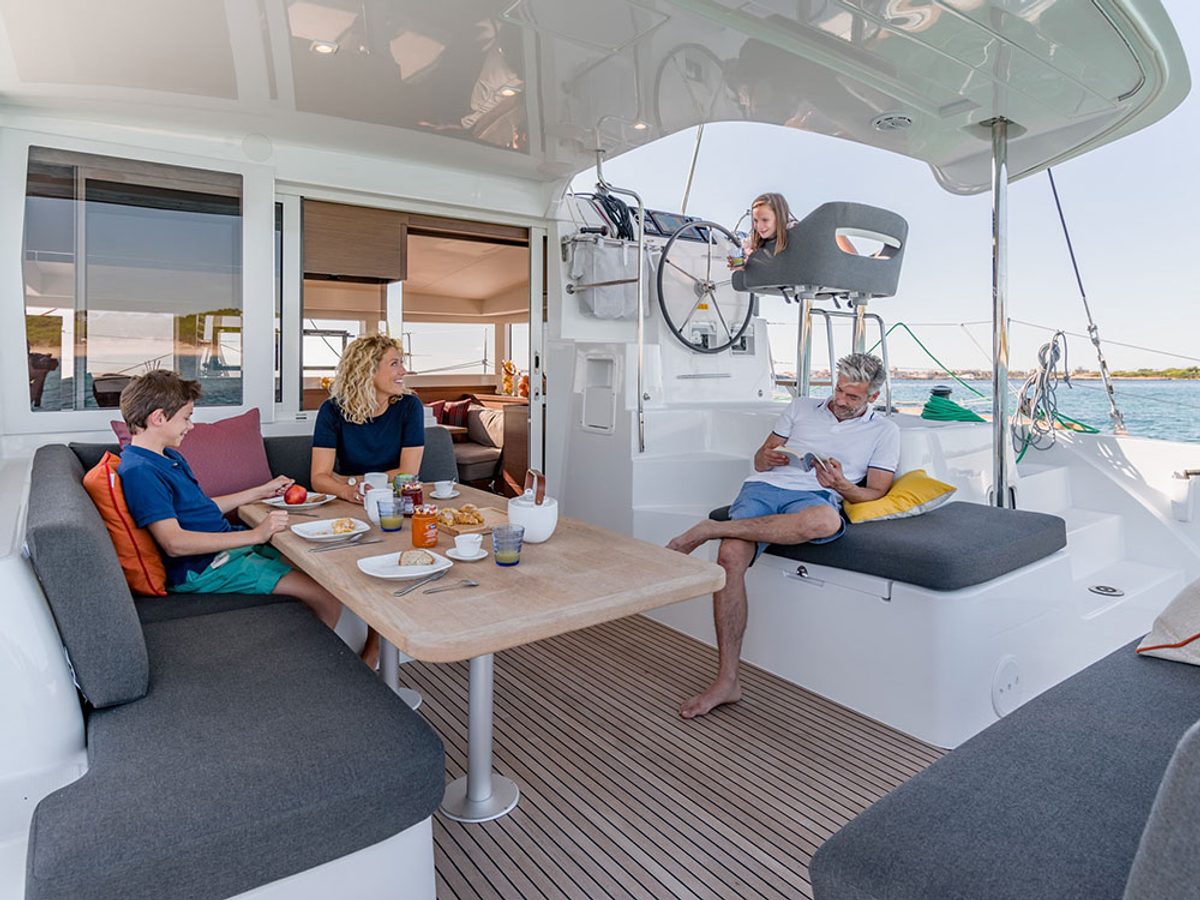
Modern sanctuary charter vessels feature spacious salon areas with panoramic windows providing protected observation points during inclement weather. Cushioned seating along wide gunwales allows comfortable extended viewing as pods circle vessels or whales surface nearby. Onboard restroom facilities eliminate discomfort during longer expeditions.
Shade structures protect passengers from intense Southern California sun during midday departures when wildlife activity peaks. Some operators provide binoculars, field guides, and hydrophones, allowing participants to hear whale vocalizations during close encounters. These amenities transform basic transportation into immersive educational experiences.
Naturalist crew members provide continuous interpretation connecting observed behaviors to broader ecological concepts and conservation challenges. Real-time identification of species, age classes, and behavioral states helps passengers understand individual animal contexts within larger populations. Photographers receive guidance on ethical wildlife photography techniques that capture compelling images without disturbing natural behaviors.
Vessels maintain required approach distances while positioning to maximize observation opportunities as animals move through their environment. Captains cut engines when marine mammals approach voluntarily, creating quiet encounters where only wind and water sounds accompany whale respirations. These carefully managed interactions create memorable experiences while modeling responsible wildlife viewing practices that passengers can apply during future marine life adventures.
Protected waters present unique safety considerations, including unpredictable wildlife movements requiring immediate vessel maneuvering to maintain legal distances. Crews maintain constant visual scanning patterns, watching for surfacing whales that could collide with hulls. Radio communication with other vessels creates awareness networks, preventing multiple boats from simultaneously approaching the same animal groups.
Emergency protocols address potential passenger injuries during sudden course changes required to avoid marine mammal collisions. All crew members maintain current CPR and first aid certifications with dedicated medical kits positioned for rapid access. Weather monitoring systems track approaching fog banks and wind shifts that could compromise safe harbor return.
Preparation begins with selecting appropriate charter dates that align with target species migration schedules and favorable weather patterns. Winter months from December through April offer optimal gray whale viewing as thousands migrate past Newport Beach. Summer and fall provide calmer seas suitable for novice sailors, while resident dolphin populations remain consistently active.
Budget catamaran charters range from USD 4,500-6,000 weekly for bareboat configurations suitable for experienced sailing groups. Mid-range options span USD 6,000-12,000 weekly with professional crews handling vessel operations and wildlife interpretation duties. These pricing tiers reflect the 44% increase in bookings during winter 2025 compared to previous years as demand for yacht charter conservation experiences accelerates.
The Lagoon 42 catamaran achieved 60% year-over-year booking increases due to ideal dimensions balancing stability with marina accessibility. Global yacht charter markets reached a USD 8.98 billion valuation in 2025, with projections indicating growth to USD 18.20 billion by 2034. This expansion reflects growing consumer interest in experiential travel, combining adventure with environmental education.
Catamarans represent 28% market preference among eco-tourism participants, prioritizing stability and observation deck space over traditional sailing performance. Marine sanctuary sailing holds 15% market preference within the broader yacht charter sector as environmental consciousness influences vacation decisions. Vessel selection should match group size with available cabin configurations, preventing overcrowding.
Prospective charterers should verify vessel compliance with sanctuary regulations, including required permits and crew certification documentation. Engine noise ratings indicate suitability for close wildlife approaches where excessive sound drives animals away. Understanding these sailboat charter selection criteria ensures optimal vessel matching with specific sanctuary sailing objectives and participant experience levels.
Bareboat sanctuary charters require demonstrated sailing competency, including coastal navigation and emergency response capabilities verified through certification programs. Participants should possess basic weather interpretation skills enabling informed decisions about safe departure windows and return timing. Knowledge of right-of-way rules in congested harbor environments prevents dangerous situations during marina entry and exit.
First-time sanctuary sailors benefit from crewed charter arrangements where professional captains assume all navigation and safety responsibilities. These arrangements allow participants to focus entirely on wildlife observation and photography without operational distractions. Crew members provide hands-on sailing instruction for interested passengers while maintaining ultimate control over vessel positioning and sanctuary regulation compliance.
Emerging trends reflect technological innovation, combining with evolving consumer expectations for sustainable travel options and authentic experiences. Younger demographics demand transparent environmental practices with verifiable conservation contributions rather than superficial "greenwashing" marketing claims. Operators respond by investing in genuinely low-impact vessels and formalized partnerships with marine research institutions demonstrating measurable ecosystem benefits.
Electric and hybrid propulsion adoption grows at 11.99% CAGR as battery technology improves range and charging infrastructure expands. Vacuum-bagged composites utilize vacuum pressure during construction to eliminate air pockets and optimize resin distribution throughout structural laminates. Hydrofoils represent underwater wings that lift boat hulls above water surfaces, dramatically reducing drag and fuel consumption.
Fiberglass represents 66.72% of the catamaran construction market share due to established manufacturing processes and reliable performance characteristics. However, carbon fiber adoption accelerates among premium sanctuary vessels where weight reduction enhances both fuel efficiency and passenger capacity. Solar panel integration continues expanding beyond basic electronics charging to include propulsion system support during low-speed wildlife observation operations.
The 18-35 age group represents 25% of market participants seeking wildlife encounters combined with authentic environmental education. Participants aged 36-50 constitute 42% of family charters where parents prioritize experiential learning opportunities for children over traditional resort vacations. The 51+ demographic maintains 56% of traditional sailing participation, with preferences for luxury amenities and extended cruising itineraries.
Ecotourism market expansion accelerates at 16.26% CAGR as travelers increasingly select destinations and activities based on environmental credentials. The broader yacht charter market grows at 8.19% CAGR with sanctuary-focused segments outpacing traditional charter categories. These demographic trends indicate sustained long-term growth for operators offering authentic conservation-oriented sailing experiences.
Sustainability credentials now influence booking decisions as consumers research operators' environmental practices before committing to charters. Vessels featuring certified sustainable construction materials and documented carbon offset programs command premium pricing from environmentally conscious clients. Operators publish transparent environmental impact reports detailing fuel consumption, waste management, and conservation funding contributions to differentiate authentic programs from superficial marketing claims.
Partnership programs connecting charter operators with marine research organizations create tangible conservation outcomes that resonate with educated consumers. Passenger fees directly support satellite tagging studies, habitat restoration projects, and educational programs in coastal communities. These verifiable connections between recreational sailing and measurable environmental benefits justify premium pricing while building customer loyalty among conservation-minded travelers.
Consumer priorities increasingly emphasize authentic experiences over passive tourism consumption as travelers seek meaningful engagement with visited ecosystems. Sanctuary sailing appeals to participants valuing educational depth and conservation contribution over simple wildlife photography opportunities. These priorities drive demand for smaller group sizes, enabling personalized naturalist interaction.
Comfort and stability achieve 92% priority scores among consumers selecting sanctuary charter vessels. Space and living quarters score 85% priority ratings as families and groups require adequate personal areas during multi-day expeditions. Safety concerns register 78% priority levels with consumers researching captain credentials and vessel maintenance records.
Onboard amenities, including functional galleys, private cabins, and climate control systems, score 72% priority ratings. Speed and performance rank lowest at 45% priority scores since sanctuary sailing emphasizes wildlife observation over sailing performance. These priority hierarchies explain catamaran dominance in eco-tourism markets where dual-hull designs optimize the highest-ranking consumer decision factors.
Urban consumers represent 72% of sanctuary charter participants, with preferences favoring crewed arrangements that eliminate operational responsibilities. These participants typically lack sailing experience and prioritize turnkey experiences where professional crews handle all technical aspects. Rural and coastal consumers constitute 28% of participants, with higher rates of bareboat preferences reflecting existing sailing competency.
Urban participants demonstrate stronger preferences for comprehensive interpretation programs and structured educational components. Coastal consumers often possess baseline marine ecology knowledge and prefer flexible itineraries allowing independent exploration within sanctuary boundaries. These demographic differences require operators to maintain diverse service offerings, accommodating varying experience levels.
Safety considerations drive vessel selection among first-time sailors who prioritize catamaran stability over monohull performance characteristics. Families with young children emphasize wider decks, secure railings, and protected cabin areas that prevent accidental water entry. Medical emergency response capabilities, including crew training and onboard equipment, influence decisions among older demographics with health considerations.
Comfort features directly impact booking conversion rates as consumers compare amenities across competing charter options. Climate-controlled cabins extend viable season length beyond traditional summer peaks by enabling comfortable sailing during cooler months. Spacious layouts that prevent claustrophobic conditions during poor weather receive consistent positive reviews that drive future bookings.
Marine sanctuary sailing enhances Newport Beach's position as Southern California's premier coastal destination by offering conservation-focused alternatives to traditional recreation. The integration of educational wildlife observation with accessible sailing experiences attracts environmentally conscious travelers seeking meaningful coastal engagement. Local operators contribute to regional ecosystem preservation while generating sustainable tourism revenue, supporting harbor infrastructure and marine research initiatives.
Newport Beach Sailing Charters exemplifies this integration through diverse fleet offerings matching various experience levels and conservation interests. The company's commitment to transparent pricing and personalized service creates accessible entry points for urban consumers exploring marine sanctuary experiences. As ecotourism demand continues to accelerate, Newport Beach maintains competitive advantages through established infrastructure, diverse wildlife populations, and proximity to multiple protected marine zones supporting year-round sanctuary sailing operations.
The tranquility of catamaran sailing combined with expert wildlife interpretation creates transformative experiences that convert casual tourists into conservation advocates. These expeditions demonstrate that luxury and environmental stewardship coexist when operators prioritize sustainable practices and authentic educational programming. Understanding Newport Beach charter costs and available options enables informed decisions matching specific sanctuary sailing objectives with appropriate vessel selections and crew expertise.
The ocean has its own rules out here — and that's exactly what makes it worth exploring. At Newport Beach Sailing Charters & Yacht Rentals, our spacious catamarans give you the wide-open deck space to take in every dolphin sighting, every gray whale pass-through, and every mile of Southern California coastline without the crowds of a tour boat. Our captains know these waters and the wildlife that calls them home. Whether you're out for the day or planning a longer coastal adventure, we'll get you out there responsibly — and unforgettably. Book your private charter today!