

The peak blue whale season transforms Newport Beach into a premier destination for marine wildlife encounters. Upwelling currents create nutrient-rich feeding grounds that attract the largest animals ever known to exist on Earth. Charter operators offer diverse vessel options tailored to different experience levels, budgets, and viewing preferences during this spectacular summer phenomenon.
Blue whale sightings in Newport Beach reach their highest probability from July through August. The concentration of these massive cetaceans creates opportunities for close-range observation aboard specialized charter vessels. Understanding seasonal timing, vessel categories, and consumer preferences helps travelers select the optimal charter experience for witnessing these remarkable marine giants.
The blue whale season represents a predictable annual migration pattern driven by food availability. These marine mammals follow krill concentrations that bloom in coastal waters during the summer months. The peak blue whale season occurs when upwelling processes bring cold, nutrient-dense water to the surface, supporting massive plankton populations that sustain whale feeding activity.
This seasonal phenomenon holds ecological and economic significance for coastal communities. The convergence of the world's largest marine animal with accessible coastal waters creates unparalleled wildlife viewing opportunities. Charter operations generate substantial revenue while raising conservation awareness through direct exposure to these endangered species.
The season begins in May with preliminary arrivals and builds through the summer. July-August represents the absolute peak period, delivering 95%+ sighting success rates due to the highest concentration of blue whales and rich feeding grounds. May experiences 85-90% sighting success with a 20-25% increase in demand as humpback whale return migration brings breaching and tail-slapping displays.
June marks the transition into high season with 35-40% increased demand. First blue whale arrivals coincide with dolphin mega pods numbering in the thousands. Premium pricing takes effect as operators anticipate peak season demand.
Blue whales command attention as the largest animals ever known to exist. Adults reach lengths of 80-100 feet and weights exceeding 200 tons. Their seasonal presence in accessible coastal waters creates rare opportunities for observation aboard standard recreational vessels.
The species' endangered status adds conservation value to viewing experiences. Direct encounters foster environmental awareness and support for marine protection initiatives. Educational components integrated into charter tours transform passive observation into meaningful learning experiences about marine ecosystems.
Blue whale aggregations drive seasonal tourism patterns along the California coast. Marine wildlife tour segments hold nearly 40% of the wildlife tourism market share. The whale watching tourism market reached $2.85-3.1 billion in 2024, reflecting a strong post-pandemic recovery.
Summer peak season accounts for 50-55% of summer revenue for charter operators. Premium-tier whale charters in Newport Beach and private charters frequently reach full capacity during July-August. Seasonal demand fluctuations require advance booking to secure preferred dates and vessel types.
Charter operations segment into four distinct categories based on vessel size and pricing. Each tier offers specific advantages aligned with different consumer priorities. The market structure provides options ranging from accessible group experiences to exclusive private encounters.
Vessel selection significantly impacts viewing conditions, comfort levels, and overall satisfaction. Understanding category differences enables informed decisions matching personal preferences and budget constraints. Operators maintain diverse fleets to serve the full spectrum of consumer needs.
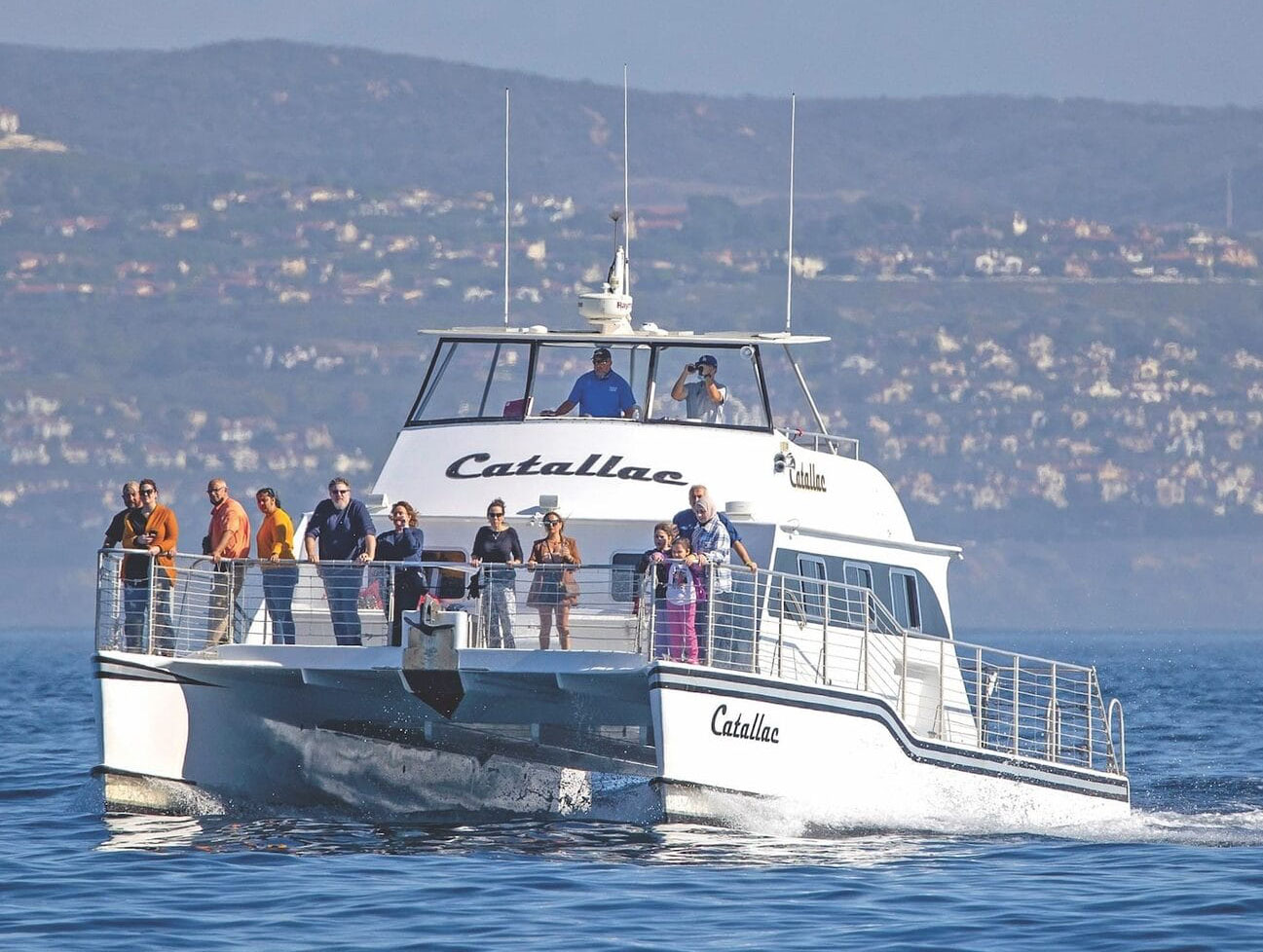
Budget-friendly tours operate large catamarans priced at $33-45 per adult. These vessels accommodate 100-150 passengers on platforms exceeding 80 feet in length. Large catamarans feature indoor/outdoor seating, snack bars, and excellent stability due to twin-hull construction.
This category captures 35-40% market share by serving families and first-time visitors. The high-capacity model reduces per-person costs while maintaining professional naturalist guides. Stability advantages minimize seasickness risk, making these vessels suitable for passengers with motion sensitivity.
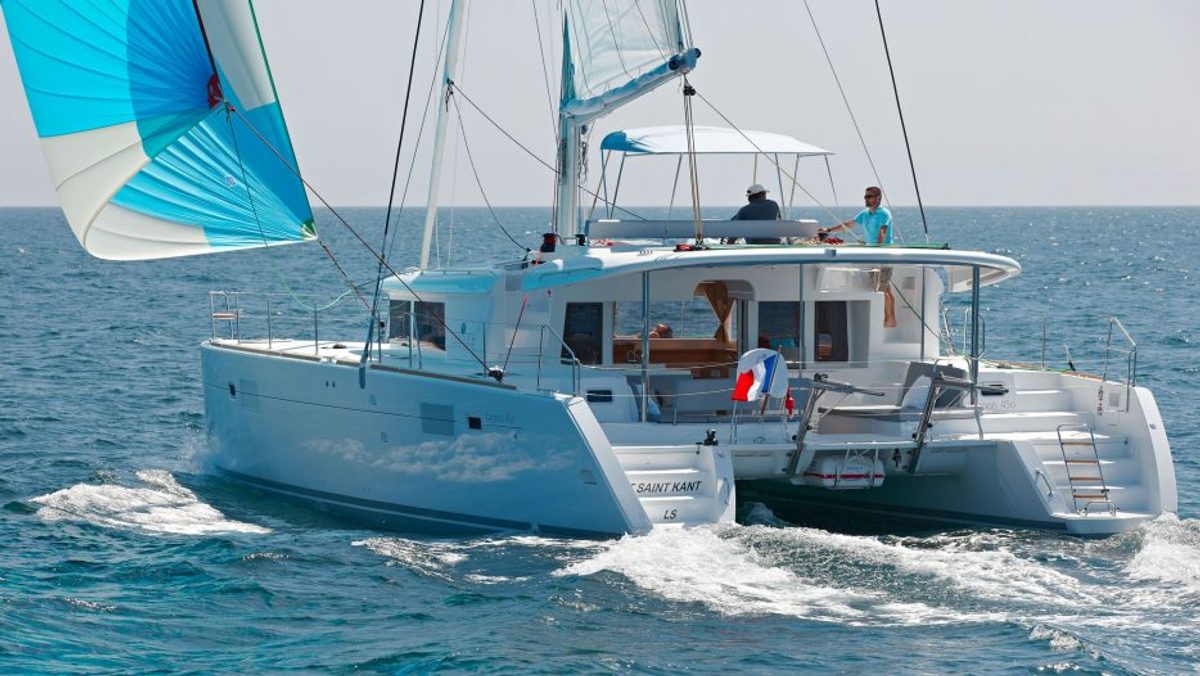
Mid-range tours utilize medium catamarans priced at $75-85 per adult. Vessels measuring 50-60 feet accommodate 40-50 passengers with cushioned seating and partial coverage. Some mid-range catamarans incorporate underwater viewing pods for unique perspectives.
This segment holds 30-35% market share, targeting couples and small groups. Reduced passenger counts allow closer positioning to wildlife while maintaining catamaran stability benefits. Catamaran yacht charter Newport Beach experiences a balance of comfort with enhanced viewing proximity.
Premium intimate experiences operate small Zodiac boats priced at $90-192 per adult. These rigid-hull inflatable boats (RHIBs) measure 25-35 feet and carry 6-19 passengers. Zodiac features include water-level viewing, high speed for rapid wildlife approach, and anti-exposure suits for weather protection.
Premium experiences capture 15-20% market share among wildlife enthusiasts and photographers. Private charters priced at $350+ per group hold 10-15% market share. Yacht whale watching tours deliver fully customizable itineraries with dedicated crews and exclusive vessel access.
Consumer demographics span multiple age groups with distinct travel behaviors. Millennials travel most frequently, while Baby Boomers spend the highest amounts annually. Generation X balances frequency and spending, prioritizing quality experiences over budget constraints.
Regional origin significantly influences tour preferences and booking patterns. Urban visitors from Los Angeles, San Diego, and Orange County comprise 60-65% of the market. Suburban visitors account for 25-30%, while international and wider tourist markets represent 15-20%.
Millennials ages 25-40 seek experiential activities influenced by social media visibility. They prefer mid-range and premium intimate experiences that provide shareable content. Baby Boomers ages 57-75 prioritize comfort, stability, and premium amenities, gravitating toward large and medium catamarans.
Generation X, ages 41-56, balances adventure with relaxation preferences. Generation Z, ages 18-24, demonstrates high eco-consciousness but faces budget constraints. This younger demographic splits between budget-friendly standard tours and high-adrenaline zodiac adventures.
Urban visitors possess higher disposable incomes and value convenience. This segment prefers premium options and shorter booking windows. Suburban visitors typically plan family-oriented weekend trips, seeking value pricing and safe, fun, and spacious charter options.
International tourists remain less price-sensitive, pursuing bucket-list experiences during summer peaks. This segment books further in advance and selects premium tiers. Regional variations create distinct demand patterns requiring flexible capacity management.
Wildlife encounter quality dominates consumer preferences at 30-35% importance. Close viewing distances, extended encounter durations exceeding 40 minutes, and reduced vessel crowding drive satisfaction scores. Educational value ranks second at 20-25% importance through expert naturalist guides and structured learning components.
Safety and comfort account for 15-20% importance as baseline expectations. Responsible practices hold 10-15% importance among environmentally conscious consumers. Price/value represents only 8-12% importance, indicating willingness to pay premium rates for superior experiences.
Seasonal patterns create distinct activity windows for different marine species. May through August delivers continuous wildlife encounters with shifting focal species. Understanding these transitions helps consumers align visits with preferred viewing opportunities.
Wildlife behavior varies throughout the season, influencing encounter types. Early season features migratory movements, while peak season emphasizes feeding activity. These behavioral differences create unique viewing experiences across the four-month window.
May wildlife activity centers on the humpback whale return migration. Breaching, tail-slapping, and pectoral fin displays characterize this species' acrobatic behavior. The 85-90% sighting success rate during May attracts photographers seeking action shots.
June introduces dolphin mega pods, referring to massive gatherings numbering in thousands. Common dolphins aggregate in spectacular formations visible from miles away. First blue whale arrivals during June overlap with peak dolphin activity, creating diverse encounter opportunities.
July-August brings the highest concentration of blue whales to Newport Beach waters. Upwelling creates nutrient-rich feeding grounds supporting massive krill populations. The 95%+ sighting success rate makes this period the most reliable for guaranteed encounters.
Summer peak season generates 50-55% of total summer revenue for charter operators. Demand intensity drives premium pricing and requires booking 3-4 weeks in advance. Booking your Newport Beach yacht charter during this window ensures availability for preferred dates and vessel categories.
Blue whales exhibit sustained surface feeding throughout July-August. Animals spend 10-15 minutes at the surface between deep dives. Surface intervals allow close observation of blow patterns, dorsal fins, and fluking behavior.
Feeding activity concentrates whales in predictable locations near krill swarms. Operators track feeding grounds daily to position vessels efficiently. Multiple whale encounters during single tours become common during peak concentration periods.
Vessel selection requires evaluating personal comfort requirements against viewing priorities. Large catamarans offer superior stability versus Zodiac boats, providing water-level viewing. Twin-hull catamaran construction minimizes rolling motion versus single-hull vessels.
Physical comfort with water-level exposure influences zodiac suitability. Passengers prone to motion sensitivity benefit from larger platforms. Understanding these tradeoffs prevents dissatisfaction and ensures appropriate vessel matching.
Large catamarans provide optimal stability for families with young children. Twin-hull construction significantly reduces rolling motion common on single-hull vessels. Indoor seating, restroom facilities, and snack bars support comfort during 3-4 hour tours.
Seasickness risk increases substantially on smaller vessels in choppy conditions. Medium catamarans balance capacity reduction with maintained stability advantages. How to choose the perfect sailboat depends on group composition and comfort priorities.
Premium zodiac tours deliver unmatched photographic opportunities through water-level perspectives. Small vessels measuring 25-35 feet maneuver quickly to optimal positions. High-speed capabilities allow rapid response to wildlife movements and closer approach distances.
Water-level viewing places cameras at eye level with surfacing whales. Anti-exposure suits provided by operators enable extended viewing in spray conditions. Zodiac tours require physical comfort with dynamic vessel movements and water exposure.
Booking 3-4 weeks in advance during the summer season ensures availability. Premium-tier tours and private charters reach capacity earliest. Last-minute bookings during July-August often result in limited vessel selection or sold-out dates.
Limited sightings occur during non-peak seasons outside May-August windows. Weather conditions improve progressively from May through August. Morning departures typically encounter calmer seas before afternoon wind development.
Wildlife encounter quality drives consumer satisfaction more than any other factor. Extended viewing durations and close proximity create memorable experiences. Operators invest in faster vessels and advanced wildlife tracking to maximize encounter quality.
Market segmentation reflects diverse consumer priorities across age groups and origins. Premium tier growth indicates willingness to pay for enhanced experiences. Understanding these preferences allows operators to optimize fleet composition and service offerings.
Wildlife encounter quality accounts for 30-35% of consumer preference importance. Close viewing distances under 100 yards significantly elevate satisfaction scores. Extended encounter durations exceeding 40 minutes allow photography and sustained observation.
Reduced vessel crowding enhances individual viewing opportunities. Premium tiers limit passenger counts specifically to improve encounter quality. Operators balance capacity utilization against experience quality to maintain reputation.
Educational value represents 20-25% of consumer preference importance. Expert naturalist guides transform observation into learning experiences. Structured commentary about whale biology, behavior, and conservation increases satisfaction even when sightings prove limited.
Educational components justify premium pricing for mid-range and upper-tier tours. Guides explain feeding strategies, migration patterns, and population recovery efforts. Newport Beach sailing charters incorporating naturalist expertise command higher per-person rates.
Safety and comfort account for 15-20% of consumer priorities as baseline expectations. Proper vessel licensing, safety equipment, and crew training represent non-negotiable requirements. Operators maintaining Coast Guard certifications and insurance coverage build consumer trust.
Responsible practices hold 10-15% importance among environmentally conscious consumers. Adherence to wildlife viewing distance regulations and speed restrictions protects marine mammals. Eco-friendly operations supporting conservation initiatives attract higher-spending demographics.
The Newport Beach charter market segments by budget-friendly, mid-range, premium intimate, and private categories. This four-tier structure serves diverse consumer segments with appropriate vessel types. Why Newport Beach is Southern California's premier sailing destination includes optimal marine wildlife access and year-round operating conditions.
Market positioning leverages proximity to major population centers and international airports. The local fleet composition reflects demand distribution across pricing tiers. Strategic capacity allocation matches seasonal demand fluctuations.
Budget-friendly standard tours at $33-45 per adult serve price-conscious families. Mid-range comfort tours at $75-85 per adult target couples and small groups. Premium intimate experiences at $90-192 per adult attract wildlife enthusiasts and photographers.
Private charters priced at $350+ per group deliver fully customizable experiences. Pricing reflects vessel operating costs, capacity limits, and service levels. The tiered structure creates clear differentiation across consumer segments.
May sees 20-25% increased demand compared to average months. June experiences 35-40% demand growth as blue whales begin arriving. July-August peak season generates 50-55% of total summer revenue.
Premium-tier tours and private charters sell out earliest during peak periods. Large capacity vessels maintain better availability but lose pricing power. Off-peak seasons outside May-August show dramatically reduced demand and lower sighting success rates.
The global wildlife tourism market, valued at $155.4-180 billion as of 2024, provides a growth context. The market projects a CAGR of 5.2-8.35% over the next decade. Potentially reaching $258.1 billion by 2035, the sector demonstrates sustained expansion.
Operators focus on wildlife encounter quality through vessel upgrades and crew training. Educational programming development enhances value perception across all pricing tiers. Safety certifications and responsible practices build long-term reputation and consumer trust.
The peak blue whale season from May through August represents an exceptional natural phenomenon accessible through diverse charter options. Understanding vessel categories, seasonal timing, and consumer priorities enables optimal experience selection for viewing the world's largest marine animal in Newport Beach waters.
Newport Beach Sailing Charters combines local expertise with diverse fleet options to deliver personalized blue whale viewing experiences. Professional crews and customizable itineraries ensure memorable encounters, whether you prefer stable catamaran comfort or dynamic zodiac proximity.
Peak viewing windows fill fast, and the calendar shrinks every week from June into August. Newport Beach Sailing Charters & Yacht Rentals puts you on the water during the highest-probability blue whale sighting period of the year. Watch a 100-foot giant surface beside the boat. Feel the spray on your face. Hear the deep exhale that carries across the open water. This is the kind of encounter you cannot recreate from shore.
Every voyage is private and built around your group. No shared decks, no crowded rails, no fixed itinerary. Choose your departure time, your route, and your pace. Take the helm if you want, or settle in with your group while our captain tracks the day’s feeding grounds. Book direct with us and lock in our lowest rate guarantee. No third-party booking fees, no hidden markups, just a clear path from your first inquiry to departure morning.
Contact Newport Beach Sailing Charters & Yacht Rentals today to reserve your July or August charter date before the season’s prime windows close.