
Sailing from Newport Beach to Catalina covers a 26-nautical-mile crossing that ranks among Southern California's signature charter experiences. Vessel choice decides whether you reach Avalon within two hours aboard a motor yacht or spend a full day under sail aboard a traditional monohull. A Catalina Island yacht charter can match route coordinates, seasonal conditions, and the right vessel to the trip you plan, which keeps passage safe and expectations realistic.
Below, you'll find how vessel type, route, timing, pricing, and charter format shape the crossing. First-time charterers can weigh motor yacht speed against sailing yacht authenticity, catamaran stability against bareboat independence, and crewed comfort against self-skippered adventure.
Three vessel categories serve this route, each with distinct strengths. Motor yachts win on speed and convenience, sailing yachts offer a traditional feel, and catamarans add stability. Each choice shapes crossing time, comfort, and cost.
Vessel selection drives both journey time and total cost. Motor yachts hold most of the global charter market for their convenience and amenities, while catamarans are gaining share fast among group travelers.
| Vessel Type | Cruising Speed | Time to Avalon | Strength | Trade-Off |
| Motor yacht | 15 to 20 knots | 1.4 to 1.8 hours | Speed, climate-controlled cabins, fixed schedule | Fuel surcharges, deeper draft limits shallow bays |
| Sailing yacht | 5 to 7 knots | 5 to 7 hours | Wind power, marine life, traditional feel | Needs skipper skill; heeling can bring seasickness |
| Catamaran | Varies with rig | Varies with rig | Stable twin hulls, wide decks, shallow draft | Higher price; wide beam is harder to dock |
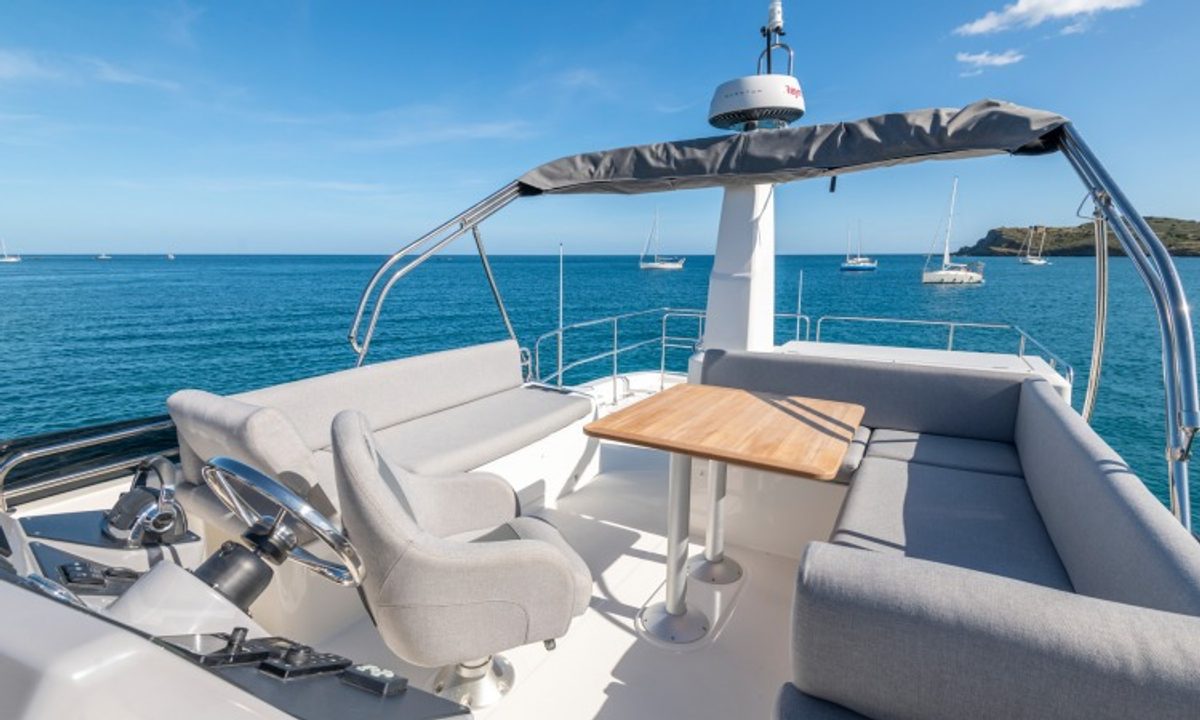
Motor yachts reach Avalon in 1.4 to 1.8 hours at 15 to 20 knots. They offer climate-controlled cabins, full galleys, stabilization systems, and spacious decks without requiring sailing expertise, and keep a consistent schedule in any wind.
Fuel dependency is the main drawback for motor yachts, adding $300 to $800 in surcharges on Catalina trips. Their deeper draft also limits access to shallow, secluded bays.
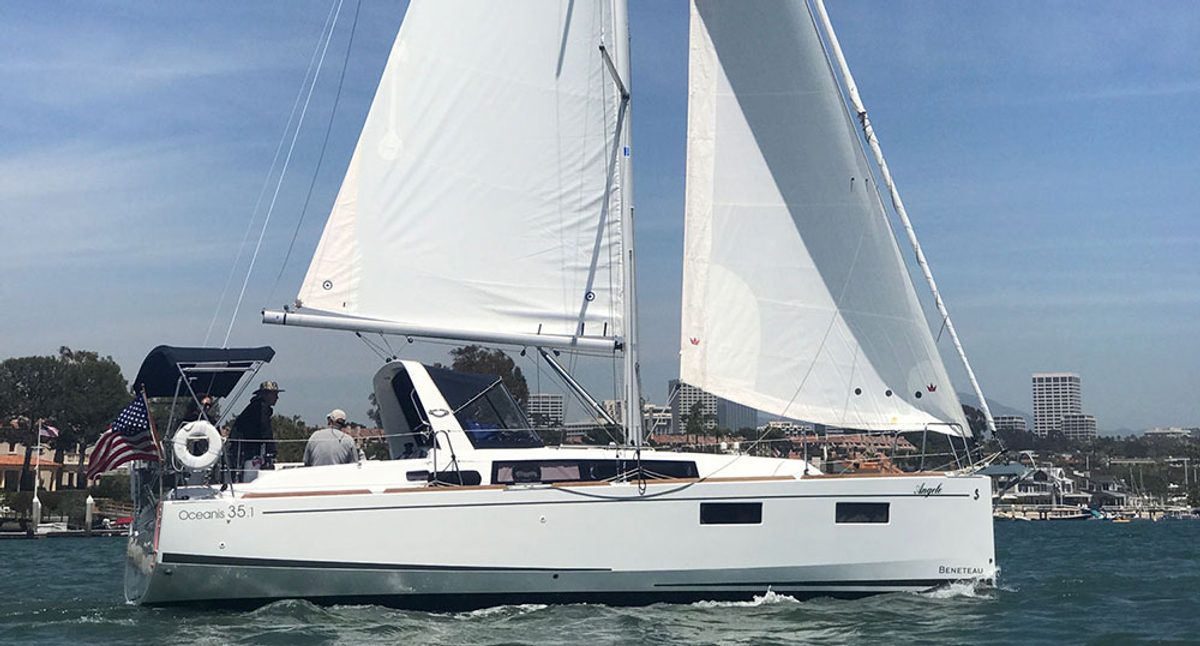
Sailing yachts run on wind power, which brings eco-friendly passage, close marine-life encounters, and a traditional feel. They cruise at 5 to 7 knots and take 5 to 7 hours for the crossing. Monohulls handle well and appeal to purists and eco-minded charterers.
A sailing yacht needs a certified skipper or a hired skipper. The heeling motion can worsen seasickness on open water, and the interior space is tighter than on a comparable motor yacht or catamaran.
Catamarans use twin hulls that cut the rolling motion that monohulls feel offshore. They add wide deck space and cabin volume, working like floating condos for groups. Their shallow draft also reaches secluded bays that deeper motor yachts cannot.
Catamarans cost more than comparable monohulls because of their added space and stability. The wide beam also makes docking in tight slips harder. Even so, they lead group charters where stability and space justify the higher rate.
Crossing times run from 90 minutes to a full day, depending on vessel type and speed. Motor yachts cut transit time, while sailing yachts turn the passage into an all-day adventure. Knowing these ranges helps you plan an itinerary and pick the right vessel.
Route planning weighs distance, course heading, and the choice between Avalon and Two Harbors, while weather and seasonal winds affect how long the passage takes.
Power yachts at 15 to 20 knots reach Avalon in about 1.4 to 1.8 hours in normal conditions. That quick transit supports same-day round trips and leaves more time at anchor for swimming, sightseeing, and watching sea life.
Sailing yachts at 5 to 7 knots need 5 to 7 hours to reach Avalon. Wind direction drives the pace, since downwind runs move faster than upwind tacks. Many sailing charters leave at dawn to arrive by early afternoon.
Newport Beach to Avalon measures 26 to 28 nautical miles on the standard course from Bell Buoy #1. A 240° magnetic heading runs straight across the San Pedro Channel to Avalon's protected harbor, the shortest and most reliable route.
Two Harbors, on Catalina's west end, sits 32 to 37 nautical miles from Newport Beach. It offers scenic beauty, quieter anchorages, and fewer crowds than Avalon but a longer passage. Many multi-day charters visit both.
Afternoon winds typically build after morning hours, creating rougher seas and headwinds for return passages. Departing between 5:00 AM and 8:00 AM capitalizes on calmer morning conditions before afternoon sea breezes accelerate. Wind patterns directly impact sailing yacht speeds and passenger comfort levels.
June Gloom fog can drop visibility below safe limits on early-summer mornings, though the marine layer usually burns off by mid-morning. October brings a good balance of calm seas and clear visibility for scenic tours and crossings.
Safe passage depends on reading shipping traffic, using the right crossing technique, and checking weather. The San Pedro Channel holds active lanes serving the Ports of Los Angeles and Long Beach. Good technique and radio gear prevent dangerous encounters.
Departure timing and weather limits are non-negotiable for small craft. VHF monitoring, radar use, and perpendicular lane crossings anchor safe practice.
The Newport Beach to Catalina route crosses active commercial shipping lanes serving major container ports. Vessels must cross these lanes perpendicularly rather than traveling parallel to minimize exposure time. Maintaining a steady course and speed allows commercial traffic to predict your path accurately.
Monitoring VHF Channel 16 provides real-time awareness of commercial vessel movements and emergency broadcasts. Utilizing radar and AIS systems identifies approaching ships and tracks their courses relative to your position.
The optimal departure window spans 5:00 AM to 8:00 AM when seas remain calmest before thermal winds develop. Morning departures provide full daylight for navigation and adequate time for slower sailing vessels to reach Catalina. Early starts also secure preferred anchorage positions before afternoon arrivals crowd popular bays.
Crossings should be postponed if winds exceed 20 knots or wave heights surpass 6 feet. Visibility below 1 mile mandates cancellation unless equipped with professional-grade radar and an experienced crew.
Every vessel must carry required Coast Guard safety gear: life jackets, flares, fire extinguishers, and sound devices. VHF radios cover weather updates and emergencies. A float plan filed with the marina or family speeds rescue if a vessel is overdue.
Experienced crew members should brief passengers on safety procedures, life jacket locations, and emergency protocols before departure. Engine checks, fuel calculations, and weather forecast reviews form standard pre-departure checklists.
Charter costs shift with vessel category, duration, guest count, and season. Base rates are only the start, since fuel surcharges, gratuities, and provisioning add 30 to 50 percent. Clear cost structures prevent budget surprises.
Shoulder-season dates create value for flexible charterers, while peak dates carry surcharges. The full budget breakdown helps first-time charterers set realistic expectations.
Entry-level options range from electric harbor boats to small motor yachts for a short, budget-friendly harbor experience. The table below lists base rates by vessel category, size, guest count, and duration.
Larger sailboats, catamarans, and motor yachts carry bigger groups for longer trips. Premium motor yachts in the 60 to 80 foot range are a popular pick for group sailing experiences.
| Vessel Category | Length | Guests | Duration | Base Rate |
| Electric harbor boats | 16 to 22 ft | 6 to 12 | 3 to 4 hrs | $299 to $795 |
| Entry-level motor yachts | 30 to 40 ft | 6 to 12 | 4 hrs | $800 to $1,200 |
| Sailboats and catamarans | 35 to 60 ft | 6 to 49 | 4 to 6 hrs | $1,850 to $4,300 |
| Mid-size motor yachts | 40 to 55 ft | 12 to 20 | 4 to 6 hrs | $1,500 to $2,400 |
| Premium motor yachts | 60 to 80 ft | 12 to 30 | 4 to 8 hrs | $3,300 to $6,000 |
The Advance Provisioning Allowance collects 30 to 35 percent upfront for fuel, food, drinks, and docking on multi-day charters. It covers costs that change with consumption and itinerary. Unused funds return to you, while overages are settled at the end.
Crew gratuity runs 15 to 20 percent of the base fee for good service. Harbor cruising burns only $40 to $80 in fuel, while Catalina trips add $300 to $800. Week-long premium charters cost $3,000 to $8,000 plus 20 to 30 percent in added expenses.
High-season rates from mid-July through August climb 50 to 70 percent above shoulder-season pricing. Peak periods also cut availability, so premium dates need booking 2 to 3 months out. Holidays and corporate demand push prices higher still.
October offers an optimal balance of value pricing and favorable weather conditions with fewer crowds at Catalina anchorages. Understanding seasonal charter duration options helps optimize both experience quality and budget allocation.
Charter customers range from first-time tourists focused on safety to seasoned sailors after an authentic adventure. The average charterer is now 40 to 50 years old. Under-50 buyers make up 60 percent of the high-end market.
Preferences shift with experience: novices stress safety, while veterans want itinerary flexibility. Millennials increasingly pick charters over ownership through fractional and peer-to-peer models.
Younger travelers now shape the market, with ultra-high-net-worth charterers averaging 40 to 50 years old and 60% under age 50. That shift drives demand for active itineraries, water sports gear, and customizable experiences over standard onboard amenities.
Millennials favor access over ownership, choosing charters instead of buying. They book through digital platforms and peer-to-peer services more than through traditional brokers.
First-time tourists rate safety highest at 95 percent when picking charter companies, followed by sailing programs at 92 percent and service quality at 85 percent. Easy access within an hour of the city rates 78 percent for these customers.
Experienced tourists prioritize sailing programs over safety considerations, indicating baseline comfort with maritime operations. This group values itinerary flexibility, vessel selection options, and opportunities for hands-on sailing participation.
Novice charterers select crewed charters with professional captains who manage navigation, safety protocols, and itinerary execution. These consumers value transparent pricing, full insurance coverage, and detailed pre-departure briefings. Customer testimonials and safety certifications heavily influence booking decisions.
Experienced sailors pursue bareboat charters that allow independent navigation and itinerary control at reduced costs. This segment possesses the required certifications and offshore navigation experience for self-skippered crossings. Advanced charterers prioritize vessel performance characteristics and equipment specifications over amenity packages.
Charter categories cover crewed full-service trips, bareboat self-skippered rentals, and cabin berths on shared vessels. Each brings a different service level, cost, and set of responsibilities. Matching the type to your experience and budget is the key choice.
Crewed charters generate 62% to 82% of industry revenue through premium pricing for full-service packages. Bareboat options appeal to certified sailors seeking independence and cost savings, while cabin charters accommodate budget-conscious individuals joining shared trips. The comparison between vessel types extends beyond hull design to encompass operational models and service expectations.
Crewed charters are full-service, with professional captains and crew running the vessel. Packages cover navigation, meals, water toys, and itinerary. Crew-to-guest ratios often reach 1:2 for close attention.
Bareboat charters are self-captained rentals that require certified sailing experience and navigation skills. The charterer takes on operation, safety, route planning, and crew. Cabin charters rent single berths on shared yachts, splitting the cost among passengers on set itineraries.
Crewed charters cost more but fold captain, fuel, crew meals, and insurance into the base price, leaving few hidden costs beyond provisioning and gratuity. The crew also manages emergencies, weather routing, and marina coordination.
Bareboat charters carry lower daily rates but shift fuel, provisioning, and insurance to the charterer. The model calls for careful inspections, damage deposits, and proof of certification. Savings reach 30 to 40 percent versus crewed trips, but demand real experience.
Crewed charters serve milestone celebrations, corporate entertainment, and family gatherings where guests focus on socializing rather than sailing. Professional crews deliver smooth experiences, prepare gourmet meals, and provide local destination expertise.
Bareboat charters draw experienced sailors who want hands-on navigation and quiet destinations. Charter Management Programs let owners offset costs by placing yachts in charter fleets. Cabin charters suit solo travelers and budget-minded groups willing to share space.
Thorough preparation turns the Catalina crossing into a predictable, enjoyable passage. Good planning covers departure timing, weather monitoring, route coordinates, and communication before you leave the dock. First-time charterers gain the most from a detailed pre-trip checklist.
Successful crossings depend on wind patterns and sailing conditions by season, so choose departure dates that match calm windows. Multi-day trips also need anchorage and return-timing planning.
The calmest window runs from 5:00 AM to 8:00 AM, before thermal winds build. Early starts give full daylight for navigation and help slower sailing vessels finish the passage, and they secure preferred anchorages before crowds arrive.
The standard course runs 240° magnetic from Bell Buoy #1 across the San Pedro Channel, crossing shipping lanes at safe angles. Essential navigation preparation and packing lists confirm the vessel carries charts, plotting tools, and backup equipment.
Postpone the crossing when winds exceed 20 knots, waves pass 6 feet, or visibility drops below 1 mile. Check several sources first, including NOAA marine forecasts and VHF weather channels.
June Gloom fog can delay early-summer departures, and afternoon winds build rough return seas. Planning weekend adventures to Catalina Island calls for flexible scheduling around weather windows.
Keep a continuous watch on VHF Channel 16 for traffic, emergency broadcasts, and Coast Guard calls. A handheld VHF radio serves as backup if the primary set fails.
Radar and AIS track approaching ships and their closest point of approach, which matters most in fog and at night. GPS chart plotters show real-time position against hazards, shipping lanes, and your destination.
The Newport Beach to Catalina crossing changes with vessel choice, season, and charter type. Motor yachts deliver fast transit, sailing vessels reward patience with an authentic passage, and catamarans balance speed, stability, and space for groups.
Successful planning integrates weather monitoring, route coordination, safety protocols, and realistic budget expectations spanning base rates plus 30-50% additional costs. First-time charterers benefit from crewed services that eliminate navigation stress while experienced sailors pursue bareboat independence.
Ready to plan your Newport Beach to Catalina crossing? Newport Beach Sailing Charters & Yacht Rentals runs private charters with no shared decks, so your group has the boat to itself the entire way to Avalon. Book direct and you get no booking fees plus our lowest rate guarantee, with a captain who matches the right vessel to your date, group size, and budget. Call (800) 609-3203 or reach the team to check dates and reserve your charter.
Motor yachts reach Avalon in about 1.4 to 1.8 hours at 15 to 20 knots, while sailing yachts average 5 to 7 knots and need roughly 5 to 7 hours. Wind direction changes sailing times, since downwind runs move faster than upwind tacks. Most sailing charters leave at dawn to arrive by early afternoon.
Newport Beach to Avalon measures 26 to 28 nautical miles along the standard course from Bell Buoy #1, on a 240-degree magnetic heading across the San Pedro Channel. Two Harbors sits farther west at 32 to 37 nautical miles. Many multi-day trips visit both Avalon and Two Harbors on one itinerary.
The calmest window runs from 5:00 AM to 8:00 AM, before thermal winds build. Early departures give full daylight for navigation and secure preferred anchorages before crowds arrive. Crews postpone crossings when winds exceed 20 knots, waves exceed 6 feet, or visibility drops below 1 mile.
Charter rates run from about $800 to $6,000 for 4 to 8 hours, depending on vessel type and size. Multi-day trips add a 30 to 35 percent Advance Provisioning Allowance plus 15 to 20 percent crew gratuity. High-season dates from mid-July through August can raise rates by 50 to 70 percent, so booking 2 to 3 months ahead helps.
No experience is required when you book a crewed charter, since a licensed captain handles navigation, safety, and the itinerary. Bareboat charters are the exception, as they require proof of certification and offshore experience. First-time charterers usually choose a crewed trip for a stress-free crossing.