
Catamaran vs. sailboat is the first decision that shapes a Newport Beach charter. The right vessel turns an ordinary outing into a standout day on the water. Understanding how catamarans and sailboats differ in stability, space, speed, and cost helps groups make confident decisions about the charter yacht fleet that fits their plans.
Both vessel types deliver memorable Southern California coastal experiences but serve distinct group needs and preferences. Your choice depends on party size, comfort priorities, activity levels, and whether you value spacious relaxation or hands-on sailing.
Catamarans and sailboats represent two distinct approaches to wind-powered ocean navigation. Each vessel type delivers unique advantages for Newport Beach charter groups.
The fundamental difference lies in hull configuration and resulting performance characteristics. Modern charter fleets offer both options to accommodate varied guest preferences and group dynamics.
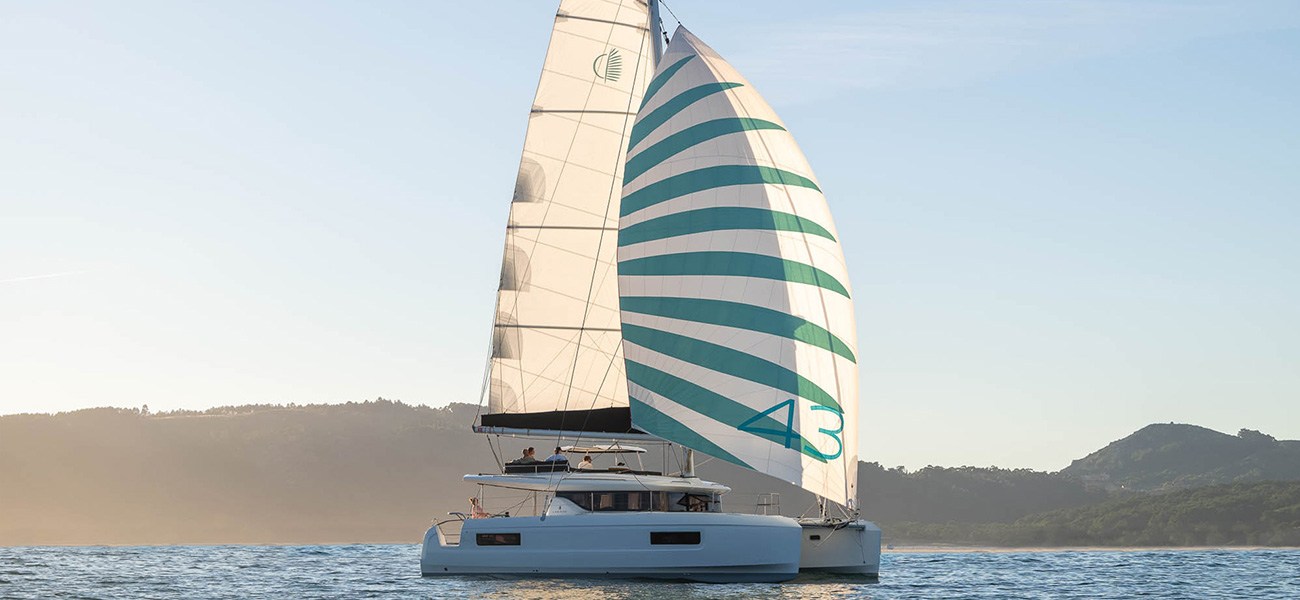
A catamaran features two parallel hulls connected by a wide deck platform. This dual-hull design provides exceptional stability that prevents the rolling motion common in single-hull vessels.
Catamarans offer extensive deck and cabin space that functions like a floating condominium. Their shallow draft allows access to secluded bays and beaches unreachable by deeper-keeled vessels.
A sailboat, or monohull, uses a single hull with a deep keel for stability. These vessels rely on wind power exclusively, making them eco-friendly alternatives to motor-powered craft.
Sailing monohulls deliver excellent maneuverability through responsive steering and quick directional changes. They provide the classic heeling sensation as wind fills the sails and tilts the boat.
Monohulls offer less interior living space compared to multihull vessels of similar length. A catamaran's wide beam creates docking complexity in tight marina slips and narrow channels.
Motor yachts feature deeper drafts that limit shallow anchorage access in protected coves. Sailing catamarans accounted for 73.4% of the catamaran market share in 2025, reflecting growing popularity.
The primary distinctions between these vessels affect comfort, capacity, and onboard experience directly. When you compare catamaran and sailboat options, these differences determine guest satisfaction levels.
Charter success depends on matching vessel characteristics to your group's specific priorities and expectations. Understanding stability, space, and performance contrasts guides informed selection decisions for Newport Beach waters.
| Factor | Catamaran | Sailboat (Monohull) |
| Stability | Dual hulls stay level, less roll | Heels under wind, more motion |
| Deck and cabin space | Wide beam, open social layout | Narrower, cozier layout |
| Seasickness risk | Lower for sensitive guests | Higher during heeling |
| Speed | Faster in equal wind | Slower under equal wind |
| Maneuverability | Wider turns, needs room to dock | Responsive in tight channels |
| Shallow anchorages | Shallow draft reaches hidden coves | Deeper keel limits access |
| Ideal group | Large or mixed groups seeking comfort | Active sailors seeking hands-on time |
Catamarans deliver exceptional stability through their dual-hull design that prevents rolling motion. This configuration reduces seasickness risk significantly for passengers sensitive to wave-induced movement patterns.
Heeling motion in monohulls can exacerbate seasickness for guests unaccustomed to nautical experiences. Sailing monohulls provide the classic heeling sensation that active sailors find thrilling and authentic.
Catamarans provide extensive deck and cabin space that accommodates large groups comfortably. Wide beam configurations create open layouts ideal for social gatherings and event hosting.
Monohulls offer less interior living space compared to multihull vessels of equivalent length. Narrower beam dimensions result in cozier cabins suited to smaller, more intimate charter parties.
Sailing monohulls demonstrate excellent maneuverability with responsive handling in tight navigation situations. Their deep keels and narrow profiles allow precise directional control through confined harbor channels.
Sailing monohulls typically achieve slower speeds than catamarans under equivalent wind conditions. The single-hull configuration creates greater water resistance compared to the streamlined twin-hull catamaran design.
Charter pricing structures and service levels differ significantly based on vessel type and duration. Understanding typical costs helps groups budget accurately for sailboat rental in Newport Beach.
The charter model selected determines crew involvement, vessel access, and overall guest responsibility levels. Crewed charters provide full-service hospitality, while bareboat rentals require self-captained operation with certified maritime experience.
Sailboat and catamaran charters ranging from 35-60 feet accommodate 6-49 guests for 4-6 hours. Base pricing falls between $1,850 and $4,300 depending on vessel size and amenities.
Typical week-long charter costs in premium markets range from $3,000 to $8,000 plus additional expenses. Crewed charters deliver full-service, high-touch experiences with professional captains and dedicated hospitality crews.
Advance Provisioning Allowance collects 30% to 35% upfront to cover fuel, food, and docking fees. This APA system ensures transparent budgeting for multi-day charter expeditions beyond Newport Harbor.
Crew gratuity standards range from 15% to 20% of the base charter fee. Harbor cruising fuel costs $40-$80, while coastal or Catalina trip fuel surcharges add $300-$800.
| Cost item | Typical range | Notes |
| Base charter (4 to 6 hours) | $1,850 to $4,300 | 35 to 60 foot vessels, 6 to 49 guests |
| Week-long charter | $3,000 to $8,000+ | Varies by size and season |
| Advance Provisioning Allowance | 30% to 35% upfront | Covers fuel, food, and docking |
| Crew gratuity | 15% to 20% | Based on the base charter fee |
| Harbor fuel | $40 to $80 | Short in-harbor cruising |
| Catalina or coastal fuel | $300 to $800 | Longer open-water crossings |
Crew-to-guest ratios for crewed charters maintain 1:2 staffing levels for attentive service delivery. Professional crews handle navigation, meal preparation, and guest entertainment throughout the charter duration.
Crewed charters generate 62% to 82% of industry revenue, reflecting strong consumer preference. Cabin charters allow individuals to rent single berths on shared yachts for budget-conscious travelers.
Timing and route selection significantly impact charter availability, pricing, and overall experience quality. Seasonal variations affect both vessel availability and ocean conditions for group sailing options throughout the year.
Local knowledge of Newport Beach waters and Catalina Island logistics prevents common planning mistakes. Understanding departure windows, crossing times, and weather patterns ensures safe, enjoyable charter experiences for all participants.
High season months from mid-July through August create maximum demand and limited vessel availability. Prices surge 50% to 70% compared to shoulder seasons during this peak summer period.
October offers optimal value with beautiful weather and less crowded harbors throughout Southern California. Late August to early September provides the warmest water temperatures for swimming and water sports.
The distance from Newport Beach to Avalon spans 26-28 nautical miles across the open ocean. Two Harbors sits 32-37 nautical miles from Newport Harbor, requiring longer crossing times and fuel consumption.
Power yachts reach Avalon in 1.4 to 1.8 hours, traveling at 15-20 knots. Sailing yachts require 5 to 7 hours at 5-7 knots, and understanding Newport Beach to Catalina sailing times helps with itinerary planning.
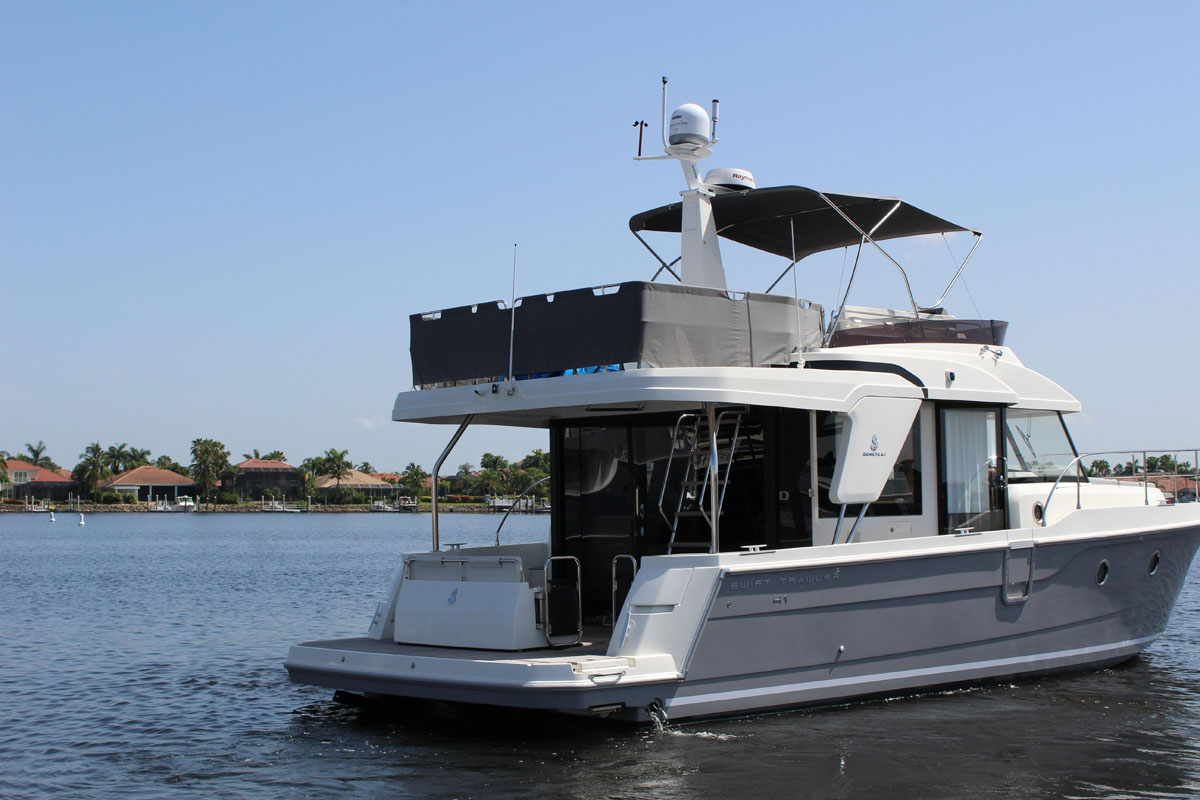
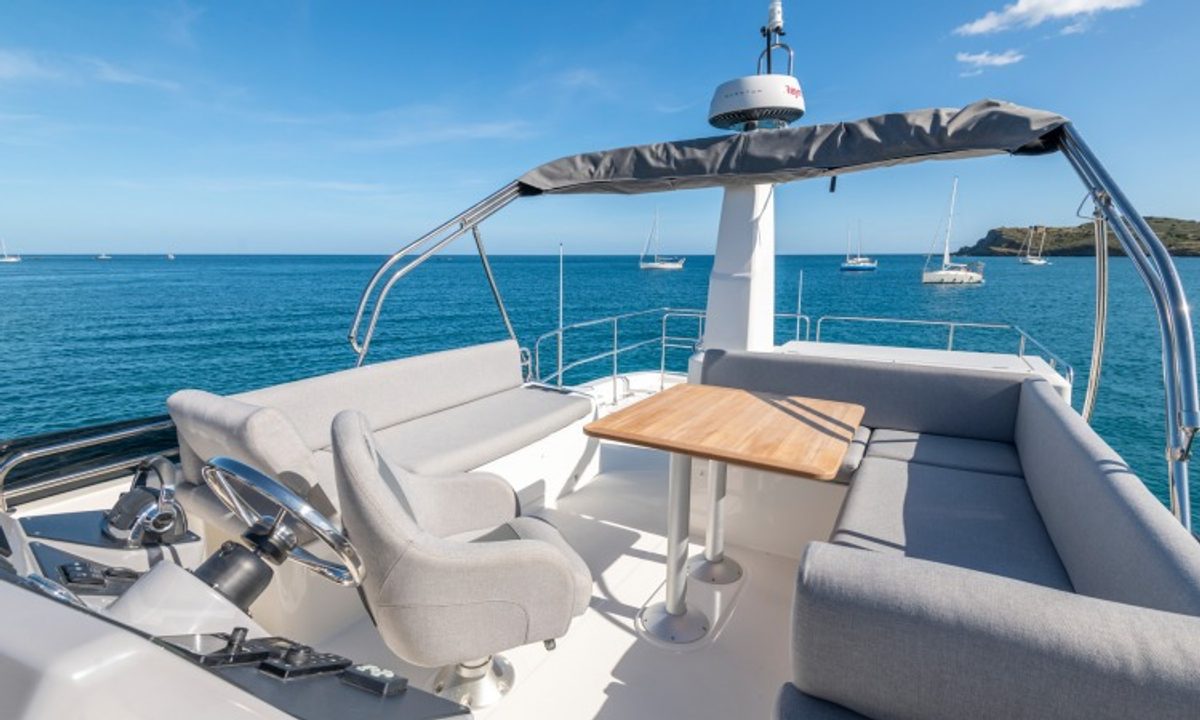
Motor yachts prove ideal for beginners and large groups prioritizing comfort over sailing participation. These vessels require no sailing expertise and provide stable platforms for social events.
Experienced tourists prioritize sailing programs and custom itineraries above basic safety considerations. First-time tourists identify safety as their paramount concern when selecting catamaran charters newport beach operators provide.
Safety protocols and vessel accessibility rank as the highest priorities for inexperienced charter groups. First-time charterers score safety at 95% importance when evaluating Newport Beach charter comparison factors between operators.
Understanding maritime navigation requirements and crew qualifications reduces anxiety for nervous first-time guests. Proper safety preparation transforms potentially intimidating experiences into confident, enjoyable ocean adventures for all participants.
Vessels must cross shipping lanes perpendicularly while maintaining steady courses and monitoring communications. VHF Channel 16 monitoring ensures constant awareness of commercial traffic and emergency broadcasts.
Crossings should be postponed if winds exceed 20 knots or wave heights surpass 6 feet. Active commercial shipping lanes between Newport Beach and Catalina require vigilant navigation and radar monitoring.
Motor yachts require no sailing expertise, making them accessible for complete beginners and non-sailors. Push-button controls and intuitive steering systems allow anyone to enjoy the charter experience comfortably.
Sailing yachts demand steep learning curves or hired professional skippers for safe operation. First-time tourists assign accessibility 78% importance when selecting appropriate vessel types for their groups.
First-time tourists rate sailing programs at 92% importance for educational charter experiences. Hands-on instruction transforms passive passengers into active participants learning navigation, sail trim, and seamanship.
Newport Beach Sailing Charters specializes in captained charters with integrated sailing instruction and Catalina crossings. Professional captains balance safety oversight with educational opportunities that build guest confidence and maritime knowledge.
Vessel selection should align directly with group size, activity preferences, and comfort priorities. Matching vessel characteristics to specific group dynamics ensures everyone enjoys the charter experience fully.
Different group compositions require distinct vessel features for optimal satisfaction and safety margins. Analyzing your party's mobility levels, seasickness susceptibility, and participation preferences clarifies the ideal choice.
Catamarans offer extensive deck and cabin space that accommodates large parties comfortably without crowding. Wide beam designs create multiple social zones, allowing simultaneous activities and quiet retreat spaces.
The dual-hull design provides exceptional stability that keeps elderly guests and children secure. Level decks eliminate tripping hazards and allow easy movement for guests with mobility limitations.
Sailing monohulls deliver the classic heeling sensation that active participants find exhilarating and authentic. This dynamic sailing experience appeals to adventure-seekers wanting hands-on involvement with navigation and sail handling.
Heeling motion in monohulls can exacerbate seasickness for passengers preferring stable, level platforms. Groups containing seasickness-prone members benefit significantly from catamaran stability and reduced rolling motion.
Catamarans with shallow drafts access secluded bays and beaches unreachable by deeper-keeled vessels. This capability opens hidden coves and protected anchorages, perfect for swimming and beachcombing activities.
Motor yachts with deeper drafts limit shallow anchorage access to established harbors and marinas only. Monohull sailboats offer intermediate draft characteristics, balancing coastal exploration with marina accessibility for overnight stays.
The charter-versus-purchase decision requires careful financial analysis and honest lifestyle assessment for prospective owners. Industry experts strongly recommend that first-time charter guests test multiple vessel types extensively before committing to purchases.
Charter experiences reveal personal preferences, maintenance realities, and actual usage patterns without long-term financial commitments. Understanding true ownership costs prevents buyer's remorse and helps determine whether purchasing makes economic sense.
Industry recommendations emphasize chartering extensively before purchasing any yacht to test preferences thoroughly. Chartering allows comparison of catamarans, monohulls, and motor yachts across different destinations and conditions.
Flexible charter arrangements let groups experience varied vessel sizes without ownership responsibility or maintenance costs. This trial approach reveals which features matter most before making six-figure purchase commitments.
Annual operating costs consume 10% to 15% of total yacht value for maintenance and operations. Slip and mooring fees range from $3,000 to $15,000+ annually, depending on location and vessel size.
Insurance costs 0.5% to 1.5% of hull value while routine maintenance consumes another 2-3% annually. These recurring expenses often surprise first-time buyers expecting lower ongoing financial commitments after the initial purchase.
Charter Management Programs allow owners to place purchased vessels into professional charter company fleets. Charter revenue offsets ownership costs while owners retain allotted weeks for personal use annually.
Professional management handles maintenance, crew scheduling, and guest bookings while owners enjoy hassle-free access. This hybrid model suits buyers wanting ownership benefits without full-time maintenance responsibilities or operational headaches.
Your vessel choice fundamentally shapes the charter experience for every group member present. Catamarans excel when stability, spacious layouts, and shallow-water access rank as the highest priorities for your party.
Sailboats suit groups desiring authentic heeling sensations, hands-on sailing participation, and traditional maritime experiences. Consider guest ages, seasickness susceptibility, activity preferences, and comfort expectations when making final vessel selections.
Successful charters match vessel capabilities to group characteristics and booking timing strategies that optimize availability. Both catamarans and sailboats deliver unforgettable Southern California coastal experiences when properly matched to participant needs.
Newport Beach Sailing Charters & Yacht Rentals matches your group to the right catamaran or sailboat. Our captains have guided Newport Beach and Catalina Island waters since 2006, and every trip runs as a private charter with no booking fees, a lowest rate guarantee, and no shared decks. Call (800) 609-3203 to talk through your date, group size, and route. Prefer to plan online? Request your quote through our contact page, and a specialist will help you choose the vessel that fits.
A catamaran is the steadier choice for mixed-age groups. Its two hulls keep the deck level and cut the rolling motion that triggers seasickness. Level decks also reduce trip hazards and make it easier for children and older guests to move around. Sailboats heel under wind, which active sailors enjoy but sensitive passengers may not.
Most 4- to 6-hour charters on 35- to 60-foot vessels run from $1,850 to $4,300 and seat 6 to 49 guests. Week-long trips in premium markets range from $3,000 to $8,000 or more. Plan for added costs such as 15% to 20% crew gratuity and fuel surcharges from $40 for harbor cruising up to $800 for Catalina crossings. Multi-day trips also collect a 30% to 35% Advance Provisioning Allowance upfront.
Travel time depends on the vessel. Power yachts reach Avalon in about 1.4 to 1.8 hours at 15 to 20 knots. Sailing yachts take 5 to 7 hours at 5 to 7 knots. Avalon sits 26 to 28 nautical miles out, and Two Harbors is 32 to 37 nautical miles, so build crossing time and fuel into your plan.
No experience is required. On a crewed charter, a professional captain handles navigation and sail work while you relax. Motor yachts and catamarans are the most beginner-friendly and require no sailing skills. If you want to learn, our captains offer hands-on instruction so you can steer and trim the sails at your own pace.
Mid-July through August is peak season, with the highest demand and prices 50% to 70% above shoulder months. October offers strong value, pleasant weather, and quieter harbors. Late August into early September brings the warmest water for swimming. Booking a few weeks ahead protects your preferred date and vessel during busy periods.