

Performance sailing transforms traditional boating into an adrenaline-fueled pursuit of speed and precision. These specialized vessels combine advanced materials, cutting-edge design, and responsive handling to deliver thrilling sailing experiences that push the boundaries of what's possible on the water.
Newport Beach provides exceptional conditions for high-speed sailing boats with consistent coastal winds and protected waters. The combination of skilled sailors, premium yacht technology, and Southern California's favorable climate creates opportunities for unforgettable sailing adventures that Newport Beach enthusiasts and visitors seek year-round.
Key Takeaways
Performance sailing focuses exclusively on speed, maneuverability, and competitive racing rather than comfort or cruising capability. These vessels sacrifice living space and amenities to achieve maximum velocity through specialized construction and aerodynamic design.
Performance sailing newport vessels utilize lightweight construction materials that prioritize speed over traditional yacht amenities. Carbon fiber hulls, specialized rigging systems, and minimalist interiors reduce overall weight while maximizing responsiveness. Electric and hybrid propulsion adoption is growing at 11.99% CAGR as manufacturers integrate sustainable technologies. These systems provide auxiliary power without compromising the weight-to-performance ratio that defines modern racing yachts.
Fiberglass represents 66.72% market share in yacht construction due to its durability and cost-effectiveness. Performance vessels increasingly incorporate carbon fiber and Kevlar for superior strength-to-weight ratios. Advanced composites use vacuum-bagged honeycomb cores to achieve maximum stiffness while reducing hull weight. Aerodynamic hull shapes and specialized keel designs minimize drag and maximize speed potential.
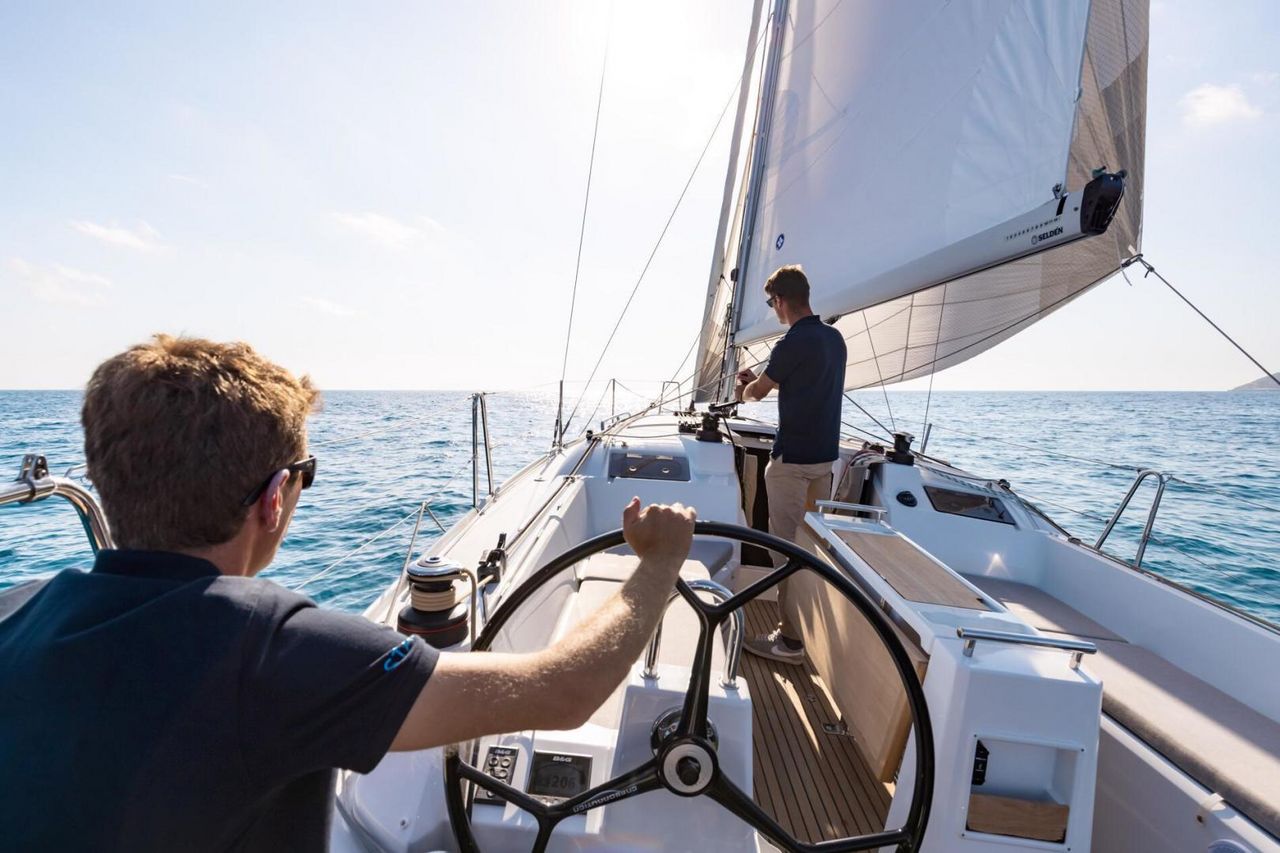
Performance sailing elevated experiences deliver unmatched acceleration and handling responsiveness that appeals to competitive sailors. These vessels integrate cutting-edge technology, including hydrofoils and advanced sail control systems. Performance sailing requires highly specialized skills to operate safely in varying wind conditions. Speed sailing charter Newport options demand experienced crew members familiar with the narrow performance envelope of racing yachts.
High maintenance costs and limited comfort present significant challenges for performance sailing enthusiasts. These vessels require frequent equipment inspections and specialized repair expertise. Extremely limited comfort for cruising makes performance yachts impractical for extended voyages or family vacations. The focus on speed creates a sailing experience fundamentally different from traditional cruising.
Performance sailing occupies a distinct niche within the broader sailing market compared to cruising-focused vessels. Understanding these differences helps sailors select the appropriate vessel type for their specific goals and experience level.
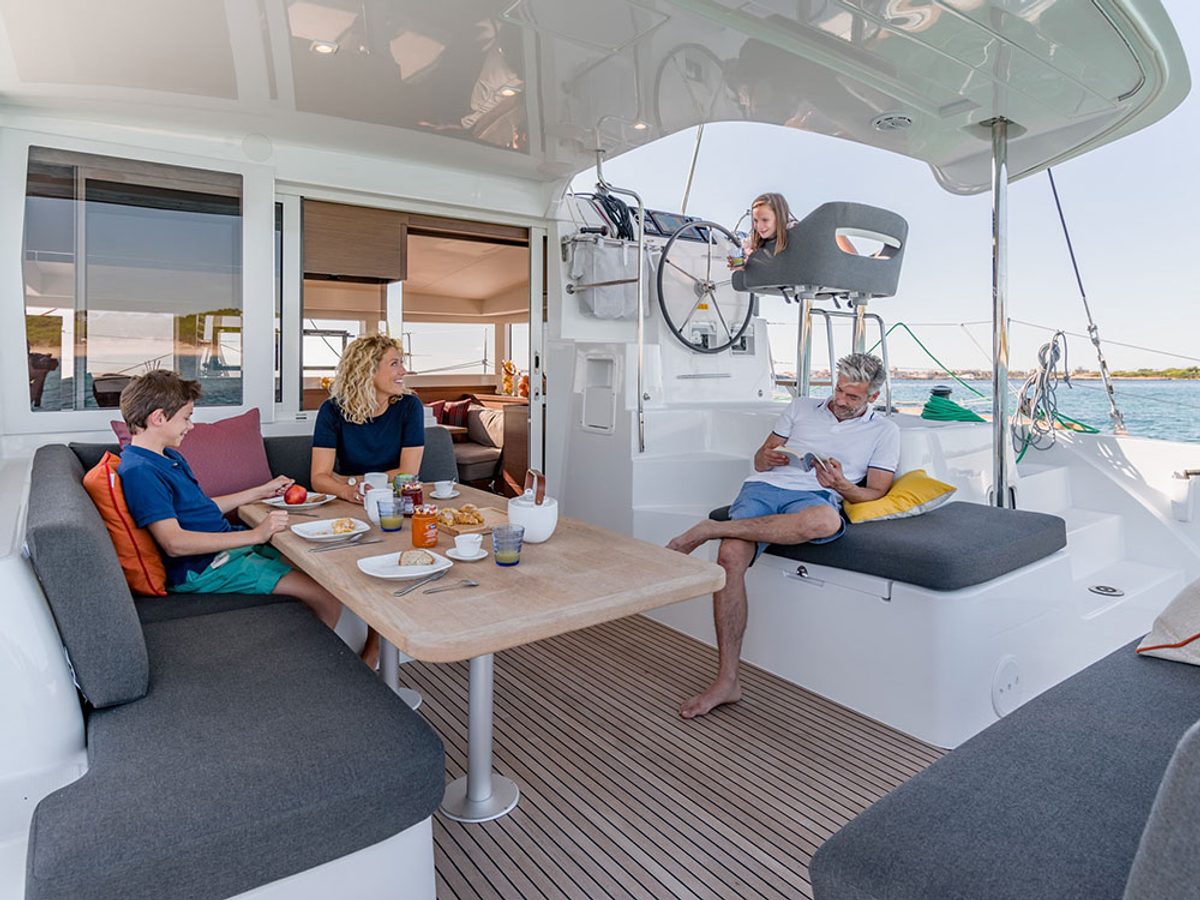
Catamarans deliver superior initial stability with minimal heeling that appeals to families and casual sailors. Their dual-hull design creates massive living space advantages over monohulls and performance vessels. A shallow draft allows access to secluded anchorages that deeper-keeled boats cannot reach. Choosing between catamarans and monohulls depends on whether comfort or performance takes priority.
Catamarans have wider beams, limiting marina access and increasing docking fees compared to narrower vessels. They perform slower in heavy upwind conditions than performance-oriented monohulls. The spacious layouts that make catamarans excellent for cruising add weight that reduces overall speed. These trade-offs make catamarans ideal for comfort-focused charters rather than competitive racing.
Monohulls deliver excellent upwind sailing performance through deep keels and traditional hull designs. Their self-righting capabilities provide superior safety in extreme weather conditions compared to catamarans. Lower marina fees due to a narrower beam make monohulls more economical for long-term docking. Traditional sailing characteristics appeal to purists who value the authentic heeling experience.
Monohulls cause heeling that can trigger seasickness for inexperienced guests unaccustomed to the motion. They offer less interior space than catamarans of similar length. Deeper draft limits anchorage options in shallow coastal areas. Performance sailboats take monohull characteristics to extremes by minimizing weight and maximizing speed potential.
Marine sanctuary sailing uses low-impact vessels focused on wildlife observation and environmental education. These specialized charters emphasize sustainable practices and minimal disturbance to marine ecosystems. Marine sanctuary sailing is highly weather and season-dependent due to animal migration patterns. Operators face strict regulatory restrictions in protected areas that limit vessel access and group sizes.
Marine sanctuary sailing experiences deliver unpredictable wildlife sightings that vary by location and timing. These tours provide educational value but lack the adrenaline and speed of performance sailing. Restricted areas in marine sanctuaries prevent high-speed operation that characterizes racing yachts. The two sailing types serve completely different audiences with distinct priorities and expectations.
Performance sailing appeals to specific demographic groups seeking adrenaline and competitive challenge rather than relaxation. Understanding these audience segments helps charter operators target appropriate marketing channels and service offerings.
Sailors aged 18-35 years represent 25% of the market and gravitate toward adventure-oriented experiences. This younger demographic seeks thrilling sailing experiences that combine physical challenge with social engagement. Sailors aged 36-50 years represent 42% of family charters but typically prefer stability over speed. The 51+ years segment represents 56% of traditional sailing participation, with preferences for comfort and luxury amenities.
Performance sailing attracts experienced sailors within the younger demographics who prioritize speed over comfort. These participants often have prior racing experience or competitive athletic backgrounds. Selecting the perfect sailboat requires matching vessel characteristics to passenger experience levels and comfort expectations.
Speed and performance priority scores reach 45% among general sailing consumers but approach 90% for racing enthusiasts. Safety priority scores of 78% demonstrate that even thrill-seekers value proper equipment and an experienced crew. Comfort and stability priority scores of 92% explain why performance sailing remains a niche market. Space and living quarters score 85% priority, confirming that most consumers prefer spacious vessels over minimal racing designs.
Onboard amenities priority scores of 72% show mainstream preference for well-equipped yachts with full galleys. Performance sailing participants willingly sacrifice these amenities for enhanced speed and handling. The significant gap between general consumer preferences and performance sailing characteristics limits market growth. This specialized segment values technical excellence and competitive achievement over conventional comfort measures.
Urban consumers represent 72% of the sailing market and typically prefer crewed charters with full service. These clients seek convenient experiences without requiring extensive sailing knowledge. Rural and coastal consumers represent 28% and demonstrate a higher interest in bareboat charters and performance sailing. This segment often possesses prior sailing experience and the technical skills needed for high-speed vessels.
Newport Beach attracts both urban professionals from Los Angeles and experienced sailors from coastal communities. The region's accessibility and premium facilities serve a diverse clientele with varying skill levels. Performance sailing Newport Beach offerings must balance accessibility for newcomers with technical challenge for experts. Urban audiences may participate in supervised performance experiences while coastal sailors pursue independent racing opportunities.
Performance sailing requires specialized equipment designed to maximize speed and handling precision. These components differ significantly from standard cruising yacht systems in materials, design, and operational requirements.
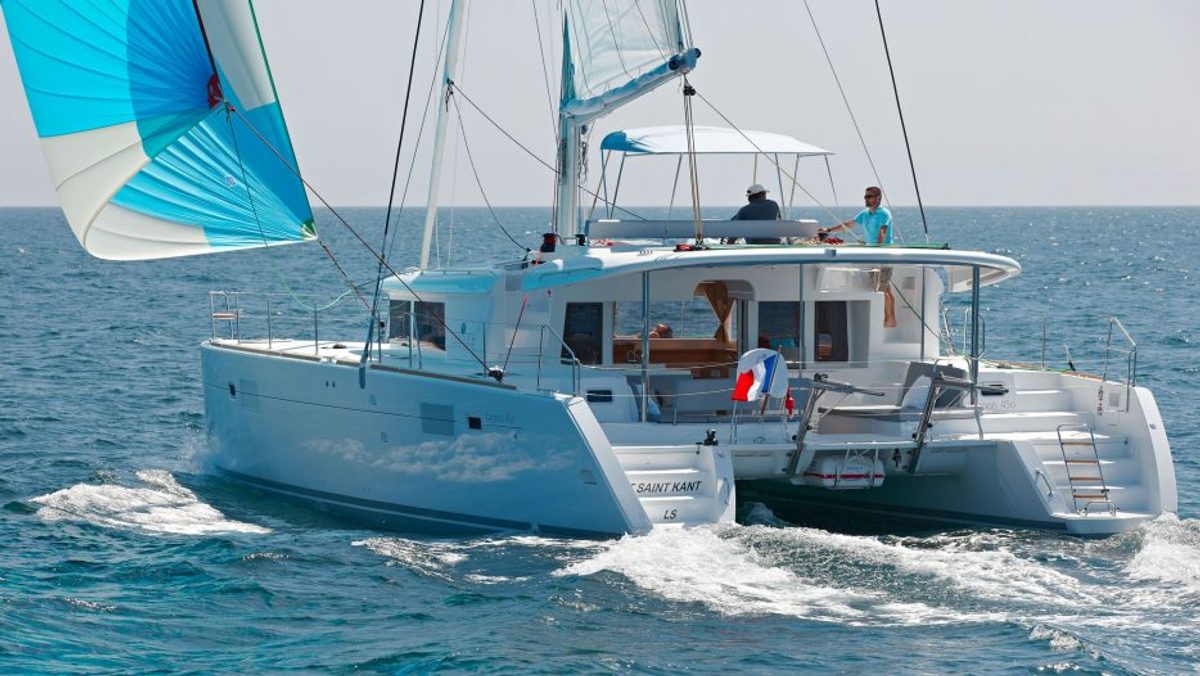
Performance yachts utilize asymmetric spinnakers and code zero sails for optimal downwind speed. These specialized sails require precise trimming and constant adjustment to maintain maximum efficiency. High-modulus rigging made from carbon fiber or PBO reduces stretch and weight. Advanced winch systems and control lines allow rapid sail adjustments during competitive racing.
Fractional rigs with swept-back spreaders enhance pointing ability and reduce overall weight aloft. Adjustable backstays and checkstays provide precise mast bend control for varying wind conditions. The complexity of performance rigging systems demands extensive training and ongoing practice. Improper handling can damage expensive equipment or create dangerous situations.
Carbon fiber construction delivers exceptional strength while minimizing hull weight for maximum acceleration. Vacuum-bagged honeycomb cores create rigid panels that resist flexing under load. Kevlar reinforcement in high-stress areas provides impact resistance without adding significant weight. These advanced materials cost substantially more than traditional fiberglass construction.
Hydrodynamic hull shapes with fine entry angles reduce drag and improve upwind performance. Bulb keels concentrate ballast at the lowest point for superior stability and reduced wetted surface. Some performance yachts incorporate hydrofoil technology that lifts hulls partially out of the water. These innovations deliver dramatic speed increases but require expert handling and favorable conditions.
Performance sailing demands advanced GPS chartplotters with real-time wind and current data. Tactical software analyzes optimal routing and predicts competitor positions during races. High-speed vessels require robust autopilot systems capable of maintaining course in challenging conditions. Radar and AIS transponders provide collision avoidance in crowded racing environments.
Safety equipment includes offshore-rated life rafts, EPIRB emergency beacons, and comprehensive medical kits. Performance sailors wear specialized harnesses and tethers to prevent overboard incidents during aggressive maneuvers. Corporate groups participating in sailing regattas must receive thorough safety briefings before racing activities. Communication systems maintain contact with race committees and emergency services throughout events.
Success in performance sailing requires proper preparation, skill development, and risk awareness. Prospective participants should understand training requirements and safety protocols before attempting high-speed sailing.
Performance sailing demands advanced boat handling skills beyond basic sailing certification levels. Sailors must master spinnaker work, tactical racing rules, and crew coordination under pressure. Many operators require ASA 104 certification or equivalent, demonstrating bareboat cruising competency. Additional performance-specific training covers high-wind techniques and emergency maneuver execution.
Newport Beach sailing schools offer progressive instruction from basic keelboat skills through racing tactics. Experienced instructors provide hands-on training aboard performance-oriented vessels in controlled conditions. Simulator training helps sailors develop decision-making skills before facing real-world racing scenarios. Building competency requires consistent practice and gradually increasing challenge levels.
Weather assessment becomes critical for performance sailing due to the vessels' sensitivity to wind conditions. Operators monitor marine forecasts continuously and postpone activities when conditions exceed safe parameters. Crew briefings cover emergency procedures, including man overboard recovery and dismasting protocols. Performance yachts carry comprehensive safety equipment exceeding Coast Guard minimum requirements.
Proper physical conditioning helps sailors handle the demanding nature of high-speed sailing. The athletic requirements exceed casual cruising, with constant movement and quick reactions needed. Pre-departure vessel inspections verify rigging integrity and equipment functionality before departure. Parents appreciate safety-focused charter operations that prioritize thorough preparation and risk mitigation.
Entry-level racing experiences start around $50,000 to $150,000 for vessel purchases. Mid-range performance cruisers range from $150,000 to $500,000, depending on size and equipment. Premium racing yachts exceed $500,000, with top-tier vessels reaching $2,000,000 or more. Charter options provide access without ownership commitment for occasional performance sailing participants.
Newport Beach yacht charter costs vary based on vessel type, duration, and crew requirements. Performance sailing charters typically cost more per hour than cruising vessels due to specialized equipment. Adding a professional racing crew increases daily rates by $250 to $350 per person. Off-season booking and weekday availability may reduce costs for budget-conscious sailors.
Performance sailing continues evolving through technological innovation and changing consumer preferences. Market analysis reveals growth patterns and emerging trends shaping the industry's future direction.
Performance sailing represents 18% market share within the broader sailing and charter industry. This niche segment attracts dedicated enthusiasts willing to sacrifice comfort for speed and handling. The relatively small market share reflects the specialized skills and conditions required. Newport Beach's position as Southern California's premier sailing destination supports diverse sailing interests, including performance racing.
Local adoption rates benefit from consistent winds and protected waters ideal for high-speed sailing. The region's sailing infrastructure includes experienced crew, maintenance facilities, and racing organizations. Performance sailing growth remains steady rather than explosive due to skill requirements and equipment costs. Newport Beach maintains its status through investment in facilities and community engagement.
Electric and hybrid propulsion systems are growing at 11.99% CAGR in performance sailing applications. These technologies reduce environmental impact while maintaining auxiliary power capabilities. Solar panels and regenerative hydro-generators provide sustainable energy for onboard systems. The sailing community increasingly values environmental responsibility alongside competitive performance.
Carbon fiber production processes are evolving to reduce manufacturing emissions and improve recyclability. Sustainable materials research explores bio-based composites that maintain performance characteristics while reducing ecological footprint. Racing organizations implement environmental guidelines encouraging the adoption of green technologies. The performance sailing market demonstrates that speed and sustainability can coexist through thoughtful innovation.
The performance sailing market valuation reached USD 1.5 billion in 2023, with projected growth continuing. The sector is growing at 4.7% CAGR as technological advances lower barriers to entry. Consumer demand increasingly focuses on experiential activities that deliver memorable moments and personal challenge. Performance sailing satisfies these desires through a unique combination of athleticism and technical skill.
Seasonal variations in Newport Beach sailing influence performance, sailing availability, and conditions. Summer months deliver consistent winds ideal for racing and high-speed adventures. Growing interest in corporate team-building events creates new performance sailing opportunities. The market evolution balances traditional racing culture with accessible experiences for newcomers.
Newport Beach provides exceptional natural conditions and infrastructure that elevate performance sailing beyond typical locations. The region's unique characteristics create opportunities unavailable in many coastal destinations.
Newport Beach benefits from consistent afternoon sea breezes that build predictably throughout the summer months. These thermal winds create ideal conditions for sailing adventures that Newport Beach operators leverage year-round. Protected harbor waters allow safe launching and recovery of high-performance vessels. Open ocean access beyond the harbor provides unlimited space for speed runs and racing.
Water temperatures remain moderate, enabling comfortable sailing without extreme weather gear requirements. Minimal fog compared to Northern California ensures reliable visibility for navigation and safety. The combination of sheltered practice areas and challenging open water suits all skill levels. Natural geography creates wind patterns that reward tactical knowledge and sailing expertise.
Newport Beach hosts numerous sailing regattas, attracting regional and national competitors throughout the year. The annual Newport to Ensenada International Yacht Race ranks among the premier West Coast racing events. Weekly beer can races provide accessible competition for local sailors developing performance skills. These events build community and introduce newcomers to competitive sailing culture.
Harbor parades and sailing festivals celebrate maritime heritage while showcasing modern performance technology. Youth sailing programs develop next-generation racers through structured instruction and mentorship. The active sailing community maintains high standards while welcoming participants with varying experience levels. Social events and awards ceremonies strengthen bonds among performance sailing enthusiasts.
Performance sailing adds diversity to Newport Beach tourism offerings beyond traditional beach activities. Visitors seeking unique experiences appreciate opportunities to participate in authentic racing environments. The visual spectacle of racing yachts attracts spectators and generates interest in sailing. Tourism infrastructure supports sailors with accommodations, dining, and entertainment options.
Charter operations benefit from strong tourist demand during peak seasons and special events. Performance sailing demonstrates Southern California's maritime culture and outdoor recreation opportunities. The activity complements other coastal attractions, creating a comprehensive destination appeal. Economic impact extends beyond sailing to support local businesses and community development.
Performance sailing delivers unmatched excitement through a combination of speed, skill, and natural beauty. Newport Beach provides ideal conditions for both competitive racing and recreational high-speed sailing experiences that create lasting memories.
Newport Beach Sailing Charters offers performance sailing opportunities aboard premium vessels with experienced crew. Our local expertise ensures safe, thrilling experiences tailored to your skill level and adventure goals.
Reading about performance sailing is one thing. Feeling the wind snap the sails taut and the bow cut through Newport Harbor at full speed — that's something else entirely. At Newport Beach Sailing Charters & Yacht Rentals, we put you in the action. Take the helm, trim the sails, and experience the power of the water firsthand on a private charter built around you. No crowds. No rigid itineraries. Just you, the coastline, and a captain who knows these waters inside out. Ready to experience the thrill of high-speed sailing boats on Newport Beach waters? Contact our team to plan your customized performance sailing adventure today.