
Newport Beach yacht charters have evolved into data-driven, technology-enabled maritime services balancing premium amenities with operational efficiency. The Southern California charter market now offers sophisticated options for travelers seeking value yacht charter Newport Beach experiences without compromising comfort or service quality. Smart chartering combines vessel technology, timing optimization, and informed decision-making to extract maximum value from every dollar invested in private maritime experiences. This methodology has gained traction as the global yacht charter market grows from $9.30 billion in 2025 toward projected $18.20 billion by 2034.
Smart chartering applies technology integration and strategic planning to reduce operational costs while maintaining premium on-water experiences in Newport Beach’s competitive maritime market. Fuel expenses, maintenance overheads, and operational inefficiencies traditionally inflate charter costs by 25-40% above base rates. Newport Beach harbor, with proximity to Catalina Island and extensive coastal cruising routes, creates ideal conditions for implementing smart charter strategies that optimize fuel consumption and route planning.
Modern charterers demand pricing transparency and measurable value metrics when evaluating Newport Beach yacht options. Smart chartering delivers quantifiable cost reductions, environmental benefits, and enhanced guest experiences supported by integrated vessel technology.
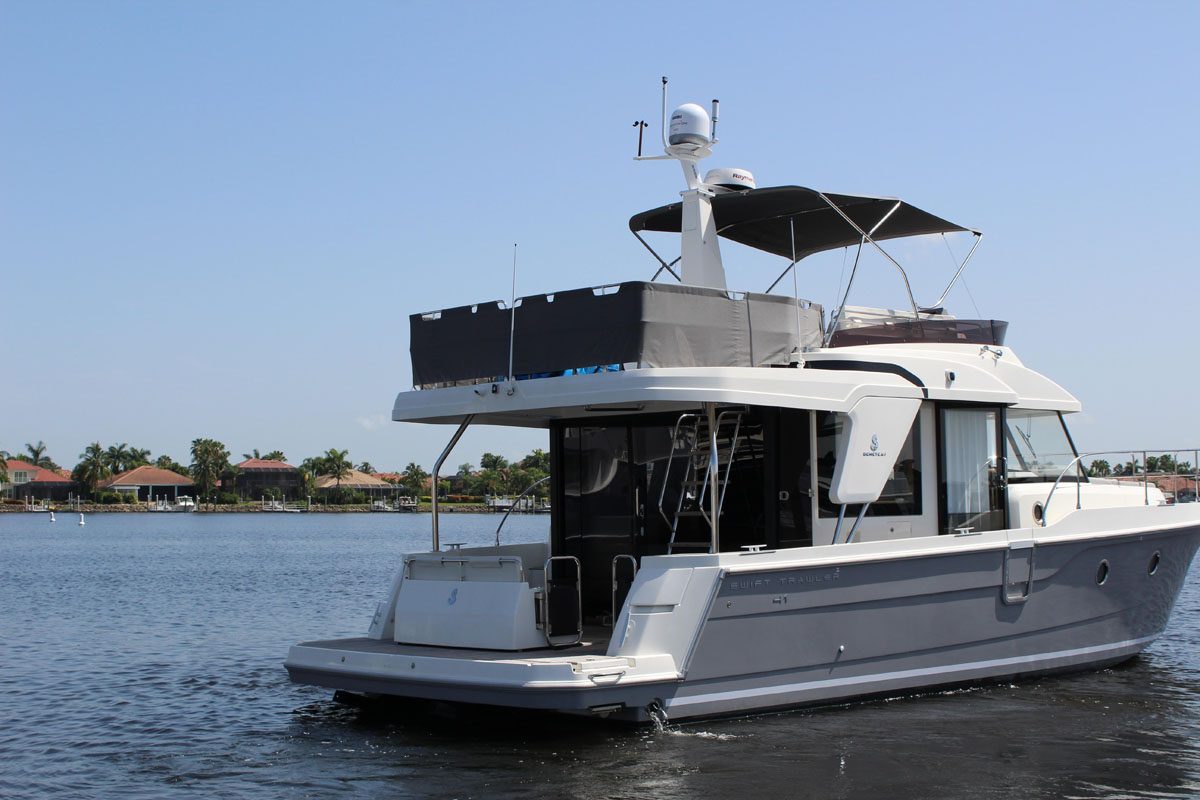
Smart yacht charters utilize technology-enabled vessels representing approximately 15% of Newport Beach bookings, featuring IoT-integrated systems and hybrid propulsion. These modern motor yachts, typically 55-85 feet, incorporate automated navigation, smart energy management platforms, and digital connectivity, reducing human error while optimizing fuel efficiency. Vessels feature digital control interfaces enabling real-time power consumption monitoring, route optimization algorithms calculating efficient cruising speeds, and hybrid engine systems switching between diesel and electric propulsion.
Smart charter features extend to personalized climate control, integrated entertainment systems, and connectivity platforms, maintaining high-speed internet during offshore passages. These technological integrations command 15-25% premiums on base charter rates but deliver operational savings offsetting initial costs through reduced fuel consumption and lower maintenance.
Technology integration delivers 20-30% reductions in fuel consumption through hybrid propulsion systems, optimizing power delivery across varying sea conditions. Smart yacht technology automatically adjusts engine output based on real-time factors, including wind direction, wave height, current strength, and arrival times, eliminating human estimation errors that waste fuel. The cost-effective charters Newport Beach market has embraced these fuel-saving technologies as operational expenses represent the highest variable cost in charter pricing.
IoT-enabled monitoring provides predictive maintenance alerts identifying potential mechanical issues before failures occur, reducing emergency repairs and charter cancellations. Smart vessels track component performance continuously, scheduling preventative maintenance during off-charter periods and extending engine life through optimized operating parameters.
Smart charter technology adds 15-25% premiums to base rates but delivers quantifiable operational savings through reduced fuel costs over charter duration. Traditional crewed charters focus exclusively on service quality and vessel aesthetics without integrated technology optimization, resulting in higher operating costs passed to charterers through elevated weekly rates and inflated Advance Provisioning Allowances. The Newport Beach price comparison reveals smart charters achieve cost parity with traditional vessels by the third charter day as fuel savings accumulate.
Bareboat charters remain 40-60% cheaper than crewed options but lack professional crew services, integrated technology platforms, and optimized route planning. Traditional charters prioritize human expertise and established service protocols, while smart charters balance professional crew knowledge with data-driven operational decisions.
Newport Beach charter consumers span multiple demographic segments, with millennials, Gen X professionals, and affluent baby boomers forming distinct markets with varying priorities. Millennials represent 35% of the charter market, demonstrating strong preferences for technology integration, digital booking platforms, and eco-friendly vessels. Gen X consumers form the market's core at 45% share, prioritizing family-friendly layouts, multi-generational accommodations, and high-touch professional crew services.
Consumer preferences have shifted toward shorter durations, with daily and 3-4 day bookings growing at 10.82% to 11.39% CAGR as urban professionals seek weekend sailing escapes. Weekly charters still account for 54.63% of bookings but face pressure from emerging short-duration segments offering lower total costs and greater scheduling flexibility.
Millennials represent 35% of market share, with 40% being first-time charterers who prioritize digital booking channels and experiential travel. This segment demonstrates strong preferences for smart vessel technology, eco-friendly operations, and social media-ready experiences. Millennial charterers average 32-42 years old with household incomes exceeding $150,000.
Gen X forms 45% of the market with average ages of 45-55, representing the highest-spending segment for multi-day charters and family accommodations. Baby Boomers represent 20% of market share, demonstrating the highest per-charter spending through preference for established premium brands, traditional broker relationships, and premium full-service crewed experiences.
Crewed charters dominate Newport Beach bookings with 61.58% revenue share as consumers prioritize hassle-free experiences with professional navigation and gourmet provisioning. Weekly charters account for 54.63% of bookings but face competition from rapidly growing daily and short-duration segments offering lower commitment levels. Bareboat charters represent approximately 25% of market volume despite lower revenue contribution, growing at 4.2% CAGR among experienced sailors.
Daily and short-duration charters achieve 10.82% to 11.39% CAGR growth as urban professionals seek weekend coastal escapes. Cabin charters grow at 9.31% CAGR through 2031, democratizing yacht access for middle-income travelers paying per-berth rates on shared vessels.
Personalized service and crew quality rank highest among consumer priorities, with 95/100 importance scores representing 28% of decision criteria. Comfort, space, and premium amenities score 88/100 with 24% priority weight as consumers evaluate stateroom configurations and entertainment systems. Itinerary customization and flexibility achieve 82/100 scores with 18% priority weighting as travelers demand control over routing and destination selection.
Privacy and exclusivity score 85/100 with 15% priority allocation. Price transparency and value considerations rank 75/100 with 10% weight while eco-friendliness scores 60/100 with only 5% priority allocation despite stated environmental concerns.
Newport Beach charter market segments into distinct categories serving specific consumer needs through specialized vessel types. Multi-day voyage charters represent approximately 20% of bookings utilizing 50-100 ft motor yachts and sailing catamarans for extended coastal explorations. Family and multi-generational accommodations comprise roughly 25% of market share featuring 70-100 ft flybridge motor yachts with multiple stateroom configurations.
Emerging smart yacht charters capture approximately 15% of bookings through technology-enabled vessels offering operational efficiency and reduced environmental impact. Each category delivers distinct value propositions addressing different consumer priorities across price sensitivity, experience preferences, and group composition.
Multi-day voyage charters represent approximately 20% of Newport Beach bookings, providing immersive maritime experiences lasting 2-14 days with overnight accommodations. These extended charters utilize 50-100 ft motor yachts equipped for offshore passages to Catalina Island, Channel Islands, and extended coastal routes. The experience allows complete detachment from shore-based schedules while exploring remote anchorages and island destinations unreachable through day charters.
Higher overall costs ranging from $15,000 to $50,000 per week require extensive logistics planning including provisioning coordination, weather monitoring, and backup itinerary development. Weather dependence creates operational risks as multi-day commitments face potential disruption requiring flexible scheduling and contingency planning.
Family and multi-generational accommodations comprise approximately 25% of charter bookings utilizing 70-100 ft flybridge motor yachts and large sailing catamarans with four to six staterooms. These vessels feature child safety equipment, diverse water toy collections, and convertible stateroom configurations accommodating varying family sizes. The shared-cost structure among extended family members reduces per-person expenses while providing private accommodations for each family unit.
Complex group coordination challenges arise from diverse activity preferences spanning young children, teenagers, adults, and elderly passengers. Successful family charters demand extensive pre-departure planning addressing dietary restrictions, mobility limitations, medical requirements, and entertainment preferences across multiple generations.
Smart yacht charters represent an emerging 15% market segment featuring modern 55-85 ft motor yachts with hybrid engines and integrated technology platforms. High initial technology investment of $200,000 to $500,000 beyond base vessel costs creates entry barriers limiting smart yacht fleet expansion. Complex maintenance demands require specialized technical expertise beyond traditional marine mechanics, as IoT systems, hybrid propulsion components, and integrated software platforms need ongoing updates.
Tech-enabled vessels require specialized maintenance combining traditional maritime mechanical knowledge with electrical engineering, software management, and digital system diagnostics. Despite maintenance complexity, operational fuel savings of 20-30% deliver measurable cost reductions offsetting technology premiums for budget-friendly coastal cruises exceeding three days.
Newport Beach charter market features established local operators, national brokerages, and emerging digital platforms, creating a competitive landscape with diverse service models and pricing structures. Local operators, including Paradiso Yacht Charters (established 1998) leverage deep harbor knowledge and community relationships, while multi-location operators like Luxury Liners provide diverse fleet options. Understanding this competitive environment helps consumers identify operators aligning with specific priorities regarding vessel selection, service quality, and pricing transparency.
Market navigation requires comparing pricing structures across yacht types, evaluating operator reputations through verified reviews, and understanding fee structures, including Advance Provisioning Allowances.
Paradiso Yacht Charters, established in 1998, specializes in multi-stateroom premium motor yachts offering corporate events, island getaways, and private celebrations. Their deep local expertise and high-touch service model differentiate them through personalized attention and extensive Newport Harbor knowledge. Luxury Liners operates a multi-location fleet spanning 40-135 ft vessels, including Azimut, Westport, Sunseeker, and Ferretti brands, with professional chef services.
Captain Newport positions as a premium local operator, focusing on high-end bespoke experiences, while SailTime Newport Beach offers fractional membership and value-focused options. Newport Beach, Marina del Rey, and San Diego form core West Coast charter hubs, with Newport Beach maintaining a premier position through harbor infrastructure and Catalina Island proximity.
A 40-43 ft sport cruiser typically costs $350-$500 hourly or $12,000-$15,000 weekly for skippered or bareboat configurations. Full-service motor yachts spanning 55-65 ft command $600-$1,000 hourly or $25,000-$35,000 weekly with full-service crewed operations. Flybridge yachts measuring 80-90 ft require $1,200-$1,800 hourly or $45,000-$60,000 weekly with a complete crew complement.
Superyachts ranging 100-135 ft demand $2,000-$3,500+ hourly or $80,000-$120,000+ weekly, representing the ultimate premium tier. Advance Provisioning Allowance (APA) deposits require 30-40% above the base charter fee, covering variable operating costs including fuel, dockage, provisions, and incidental expenses with final reconciliation after charter completion.
Broker-assisted offline bookings retained 69.74% market share in 2025, particularly for high-end superyacht charters requiring extensive customization. Online marketplaces grow at 11.80% CAGR driven by younger, tech-savvy consumers prioritizing price transparency and instant booking confirmation. GetMyBoat and Anchor Rides function as peer-to-peer platforms connecting vessel owners directly with charterers, reducing commission layers but requiring more consumer diligence.
Digital transformation continues to reshape distribution channels as operators balance traditional high-touch service with online convenience demanded by emerging consumer segments. The booking channel selection impacts total costs as direct operator relationships eliminate booking platform commissions ranging 10-20% while understanding charter cost structures requires evaluating complete fee disclosure.
Successful Newport Beach yacht charter planning follows a structured five-step workflow addressing vessel selection, itinerary customization, provisioning management, crew coordination, and port logistics. Proper planning prevents common failures, including vessel-group mismatches, inadequate provisioning, and logistical oversights. The planning timeline typically requires 60-90 days for complex multi-day charters, allowing adequate time for vessel selection, crew briefings, and provision sourcing.
Strategic planning maximizes charter value by aligning vessel capabilities with group requirements, optimizing routing for fuel efficiency, and coordinating crew expertise with guest expectations.
Vessel selection requires aligning group size, demographic composition, and accommodation requirements with appropriate yacht category. A group of twelve adults requires minimum 70-80 ft vessel providing adequate staterooms, social spaces, and onboard facilities. Family groups spanning multiple generations benefit from stable catamarans offering separated accommodation areas and shallow drafts enabling beach access.
Corporate groups prioritize professional crew execution, entertainment systems, and flexible deck configurations supporting presentations and client entertainment. Proper vessel-group matching prevents undersized vessels creating discomfort or oversized vessels inflating costs unnecessarily.
Itinerary customization involves mapping routes, calculating passage distances, and estimating fuel consumption based on vessel performance and expected sea conditions. Newport Harbor cruising provides sheltered waters suitable for relaxed dining while Catalina Island destinations including Avalon, Two Harbors, and Emerald Bay require 26 nautical mile crossing with 2-3 hour passage times. Advance Provisioning Allowance (APA) management secures 30-40% deposit above base charter fee covering fuel, dockage, provisions, and operating expenses.
Successful provisioning requires finalizing guest preference sheets capturing dietary restrictions, beverage preferences, and activity interests communicated to crew before departure. Route planning balances desired destinations against fuel costs, weather forecasts, and guest comfort levels.
Crew coordination finalizes briefings with captain, chef, and stewardesses communicating guest preferences, special occasions, dietary needs, and activity expectations before embarkation. Professional crew members develop customized service plans addressing individual guest requirements while maintaining flexible approaches accommodating spontaneous itinerary adjustments. Port and dockage logistics require securing slips in Newport Harbor or mooring balls at Catalina Island destinations with advance reservations during peak summer periods.
Tender transfer coordination manages guest boarding logistics particularly for larger vessels anchored offshore requiring dinghy shuttle services. Successful charter execution depends on seamless crew-guest communication establishing service expectations while respecting privacy boundaries appropriate for private yacht experiences.
Cost optimization balances strategic technology adoption, timing selection, and fee negotiation against premium experience expectations maintaining service quality standards. Smart technology integration reduces operational expenses through fuel savings while shorter charter durations lower total costs without diminishing per-hour experience quality. Understanding complete fee structures including base rates, APA deposits, gratuities, and optional services enables informed decision-making maximizing delivered value.
Successful cost optimization requires distinguishing essential comfort and experience elements from unnecessary premium additions that inflate costs without proportional experience enhancement.
Smart yacht technology delivers 20-30% fuel consumption reductions through hybrid propulsion systems, automatically optimizing power delivery. Hybrid engines switch between diesel and electric modes based on speed requirements, sea conditions, and battery charge levels, maximizing efficiency. IoT-enabled monitoring platforms track real-time fuel consumption, enabling dynamic route adjustments to optimize fuel costs against schedule flexibility.
Predictive maintenance systems reduce emergency repair costs by identifying component wear patterns before failures occur, scheduling preventative service during off-charter periods. Technology-enabled vessels justify 15-25% rate premiums through measurable operational savings accumulated over multi-day charters, where fuel expenses represent the highest variable cost.
Charter timing significantly impacts pricing as off-peak periods offer 20-40% discounts compared to peak summer demand during July and August. Shoulder seasons, including May, June, September, and October, deliver optimal weather conditions with reduced booking pressure, enabling favorable rate negotiations. Shorter charter durations of 3-4 days provide exceptional on-water experiences at substantially lower total costs than traditional week-long commitments.
Daily charters maximize charter experience for local residents seeking single-day sailing escapes. Strategic timing around major holidays requires advance booking, securing preferred dates while avoiding premium pricing surcharges during peak demand periods.
Transparent fee structures reveal complete charter costs, including base rates, mandatory APA deposits, recommended crew gratuities, and optional service additions, preventing unexpected expenses. Base charter rates represent vessel and crew costs, while APA deposits of 30-40% cover variable expenses including fuel, provisions, dockage, and incidental costs. Crew gratuities typically range 15-20% of base charter rates distributed among captain, chef, and stewardesses.
Optional additions, including premium provisioning, specialty equipment rentals, and extended cruising ranges, add incremental costs requiring evaluation against actual utilization likelihood. Direct operator bookings eliminate third-party commission layers ranging 10-20% while maintaining complete service quality and understanding Southern California's premier sailing advantages.
Smart chartering delivers measurable environmental benefits through reduced emissions and fuel consumption while enhancing guest experiences through integrated connectivity and personalization technology. Hybrid propulsion systems reduce carbon emissions proportionally to fuel savings, while electric-mode operation eliminates engine noise, creating serene anchorage experiences. Technology integration enables unprecedented personalization, allowing guests to customize climate, entertainment, and lighting preferences through mobile device interfaces.
Environmental consciousness increasingly influences charter decisions as consumers seek experiences aligning with sustainability values without sacrificing comfort and quality.
Hybrid propulsion systems reduce carbon emissions by 20-30% through optimized power delivery switching between diesel and electric modes. Electric propulsion eliminates engine noise during anchorage periods, creating peaceful environments for relaxation and wildlife observation. Shore power integration allows battery charging at dock facilities, reducing generator runtime and associated emissions during overnight harbor stays.
Sustainable provisioning practices, including local seafood sourcing, reusable tableware, and waste reduction protocols, minimize environmental impact without compromising culinary quality. Smart yachts increasingly incorporate solar panels to supplement electrical generation and reduce fossil fuel dependence during extended anchorage periods.
Integrated connectivity platforms maintain high-speed internet access throughout Newport Harbor and offshore passages, enabling remote work, social sharing, and communication continuity. Personalization technology allows individual climate control, entertainment selection, and lighting preferences customized per stateroom, accommodating varying guest preferences simultaneously. IoT-enabled systems learn guest patterns over multi-day charters, automatically adjusting environments to anticipated preferences.
Digital concierge platforms provide destination information, activity booking, and dining reservations integrated with yacht systems. Enhanced connectivity enables real-time itinerary sharing with shore-based family members and seamless yacht charter etiquette navigation through digital guidebooks and crew communication tools.
Smart charter design incorporates separated crew quarters with independent access, ensuring guest privacy while maintaining attentive service availability. Technology automation reduces intrusive crew presence during private moments while maintaining instant response capability through discreet communication systems. Sustainability features, including waste management systems, water purification, and energy monitoring, provide environmental benefits without requiring guest behavior modifications or comfort compromises.
Professional crews balance attentive service against privacy respect through subtle observation of guest preferences and proactive anticipation of needs. The integration of sustainability features, personalized technology, and professional service creates comprehensive, memorable experiences exceeding traditional approaches while supporting environmental responsibility.
Smart chartering transforms Newport Beach yacht experiences by integrating technology optimization, strategic planning, and informed decision-making that delivers measurable value without compromise. The combination of hybrid propulsion reducing fuel costs by 20-30%, strategic timing capturing off-peak discounts, and transparent fee structures eliminates unnecessary expenses while maintaining premium service standards. Successful value maximization requires understanding complete market landscape including vessel categories, operator positioning, pricing structures, and booking channel economics.
The future of Newport Beach chartering continues evolving toward greater technology integration, shorter booking durations, and enhanced sustainability as millennial and Gen X consumers reshape market preferences. Newport Beach Sailing Charters exemplifies this evolution through diverse fleet options, direct booking transparency, and personalized service delivery aligned with contemporary consumer priorities. Strategic charterers leverage smart technology, optimize timing, negotiate transparently, and select appropriate vessel categories matching group composition and experience objectives.
Whether planning milestone celebrations, family gatherings, or corporate events, applying smart chartering principles ensures optimal value extraction from every charter dollar invested in Southern California's premier maritime destination. The comprehensive approach, balancing perfect sailboat selection, strategic timing, technology adoption, and transparent operator relationships, delivers unforgettable maritime experiences at optimized cost structures.
Smart chartering starts with the right partner. Newport Beach Sailing Charters & Yacht Rentals offers private charters with no booking fees, a lowest rate guarantee, and no shared decks. Whether you’re planning a family outing, a corporate event, or a milestone celebration on the water, our experienced captains and diverse fleet are ready to deliver an experience built around you. Book directly and keep more of your budget for what matters most: the adventure. Request a quote and start planning your next Newport Beach sailing adventure.