

Yacht charter etiquette in Newport Beach covers everything from tipping yacht charter crews to understanding safety rules, BYOB policies, and guest conduct across vessel types. Whether you're boarding a sailboat, Lagoon catamaran, or luxury power yacht, the expectations are specific and non-negotiable. This guide breaks down standard tipping practices, captained charter rules, preparation for adventure charters and multi-day experiences, how charter type shapes etiquette, and how Newport Beach compares to sailing in the British Virgin Islands. Every section is built to get you dock-ready.
Key Takeaways
Yacht charter etiquette in Newport Beach exists to protect guests, crew, and the vessel. Every rule traces back to safety, professionalism, or preserving a boat worth more than most homes. The standards apply whether you’re boarding a 22-foot sailboat for a half-day harbor cruise or stepping onto a 65-foot power yacht for a corporate event off Catalina Island. Understanding these expectations before you arrive at the dock prevents awkward corrections, keeps the crew focused on hospitality instead of enforcement, and ensures every guest has the experience they paid for.
The "no shoes on deck" rule applies across vessel types. If footwear is allowed, only soft-soled, non-marking boat shoes work. Black soles leave scuff marks on teak decks that are expensive to repair, so most operators ban them outright. Barefoot policies are common on sailboats and smaller catamarans. Larger power yachts may provide deck-safe footwear instead.
Vessel type also shapes group dynamics. Catamarans handle 15–20 guests comfortably at $2,000–$4,300 for a 4–6 hour charter. A comparable motor yacht runs $3,300–$6,000. Whether you're booking adventure charters or a multi-day charter to Catalina, matching your group size to the right hull keeps costs and etiquette manageable.
Captained charters operate under strict USCG oversight. Captains hold Master licenses at 50-ton or 100-ton ratings, backed by 720 days of documented sea service, drug testing, background checks, and CPR/First Aid certification. Vessels carrying more than six paying passengers must display a valid Certificate of Inspection covering approved routes, safety equipment, and maximum capacity.
Charter companies carry $1–$5 million in liability coverage, hull insurance, and crew workers' compensation. The captain holds full authority to terminate any charter for safety violations or excessive intoxication. If a company won't share its licensing or insurance documentation, that's a red flag worth heeding.
Yacht charter etiquette for tipping follows clear industry norms. Knowing the standard before you board removes guesswork and shows respect for the crew. Tipping practices vary based on charter length, destination, and service level, but the core principle stays the same: gratuity reflects the quality of the experience and directly supports crew members who work long hours in physically demanding conditions. Newport Beach operators follow the same percentage-based structure used across major U.S. charter markets, making it straightforward to budget once you know the baseline.
For full-day charters on U.S.-based yachts, tip 15–20% of the base charter fee. Half-day trips run slightly lower at 10–15%. Present the gratuity to the captain at the end of the charter. The captain distributes it among all crew members based on roles and contributions. Cash is preferred for immediate, fair distribution, though wire transfers, Venmo, PayPal, and credit cards work through most charter brokers.
These crew members often work 16–18 hour days. Gratuity makes up a significant portion of their income. The final amount should reflect the quality of service and your overall satisfaction.
On a multi-day charter, tip 10–20% of the charter fee excluding provisioning costs (APA). Exceptional service warrants 25% or more. MYBA guidelines for extended voyages suggest 5–15%, with 10% as the baseline for week-long charters. Gratuity is almost never included in the charter fee unless explicitly stated, so budget accordingly. Fuel surcharges of $300–$800 for coastal and Catalina routes are separate from tip calculations.
Never tip individual crew members directly—it disrupts distribution and crew dynamics. If service falls short, raise concerns with the captain or broker during the trip rather than silently withholding gratuity.
Captained charters run on clear rules. Following them keeps everyone safe and lets the crew deliver the experience you’re paying for. These rules aren’t suggestions—they’re tied directly to USCG regulations, the vessel’s Certificate of Inspection, and the charter company’s insurance requirements. Violations can result in immediate charter termination without refund. The good news is that the expectations are straightforward: listen to the safety briefing, respect the crew’s authority, follow onboard conduct policies, and treat the vessel like the high-value asset it is.
Listen to the captain's safety briefing at boarding. Know where life jackets are stored before the vessel leaves the dock. Do not touch navigation equipment, stand on the bow while moving, or exceed the stated passenger capacity—USCG regulations tie guest count directly to the vessel's safety certification.
Children are the guests' responsibility at all times, including during swimming and water activities. Report any damage or accidents to the crew immediately. Vessels carry VHF radios, EPIRBs, GPS, radar, first-aid kits, man overboard recovery gear, and signaling devices. Emergency procedures cover fire, man overboard, medical events, and severe weather. The equipment is there for everyone's protection, but it only works when guests follow crew direction without hesitation.
Most charters allow BYOB, but bring food ready-to-serve—cooking facilities are rarely available. Glass containers are restricted on many vessels. Wine and liquor bottles may be allowed only on a designated bar area. All guests consuming alcohol must be 21 or older with valid ID. Intoxication can end the charter without a refund, and the captain can return impaired guests to the nearest dock.
Stay out of crew workspace and the flybridge unless invited. Smoking and drug use are prohibited on most vessels. Drone use and commercial photography require advance approval.
Preparation separates a great charter from a frustrating one. What you pack, confirm, and budget for before boarding shapes the entire experience. Day charters and multi-day voyages have different preparation requirements, and the financial commitment increases significantly as trip length grows. Guests who handle logistics in advance—confirming BYOB policies, packing the right footwear, budgeting for tax and gratuity, and reviewing cancellation terms—arrive at the dock relaxed and ready. Those who don’t often spend the first hour catching up.
Bring soft-soled, non-marking boat shoes—white or light-colored—as an alternative to going barefoot. Pack sunscreen, wind layers, and attire appropriate to the charter type. Take seasickness prevention before boarding, not after. If you start feeling unwell, tell the crew so they can reposition you where motion is minimal.
Confirm BYOB and glass restriction policies with the charter company before departure. Communicate dietary restrictions and catering needs in advance. Budget for the 15–20% gratuity plus Newport Beach's 7.75% sales tax on top of the base charter cost.
Adventure charters and multi-day experiences carry significantly higher price points. A 3-day charter ranges from $10,000 to over $100,000 depending on vessel size. Per-person rates run $770–$11,250, dropping with full occupancy. Premium Catalina Island trips on mega yachts start at $9,157–$14,000 for a half-day alone.
Book during off-peak windows like October weekdays or choose harbor-only routes to reduce costs. Communicate itinerary preferences, activity equipment needs, and special occasion details with the crew well in advance. Review the charter contract's weather cancellation policies, rescheduling procedures, and refund terms before signing. These details matter more on a multi-day charter where the financial commitment is substantial.
The vessel you choose sets the tone for everything—conduct, dress code, tipping expectations, and how guests interact with the crew. Charter type is the single biggest variable in yacht charter etiquette in Newport Beach. A sailboat charter operates more like a team activity where guests participate in the sailing. A power yacht runs closer to a formal hospitality experience with dedicated service staff. Understanding these differences before booking helps you match the right vessel to your group’s expectations and budget.
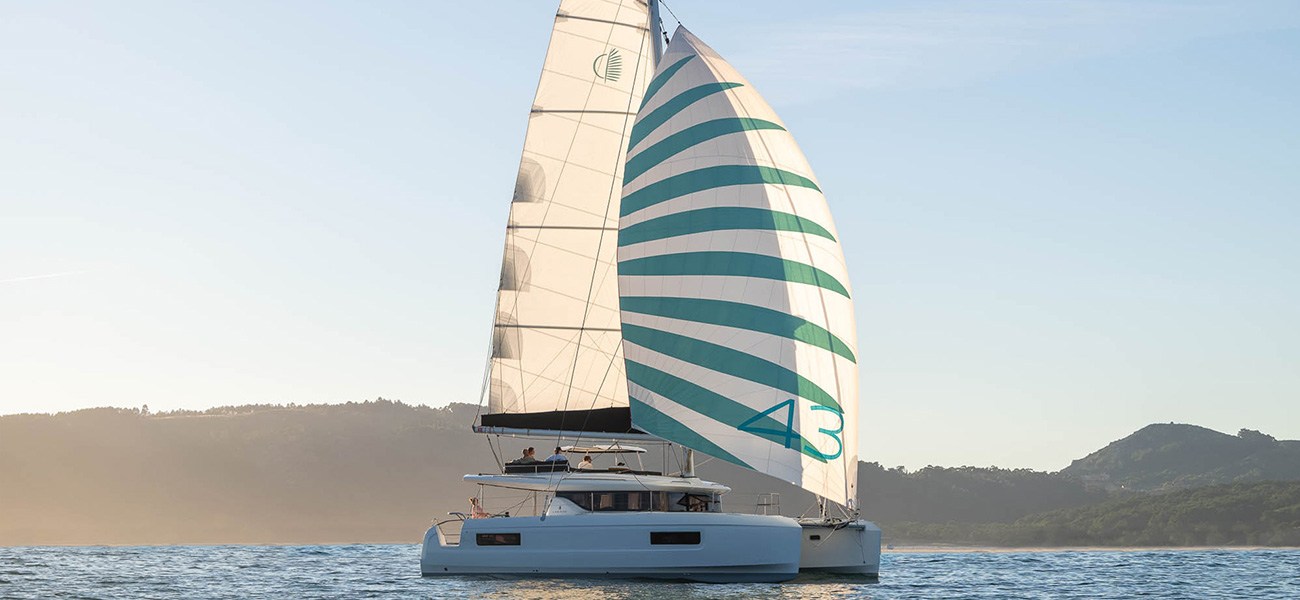
Sailboats demand active participation. Newport Beach Sailing Charters runs Catalina 22s, Catalina 25s, and a Lagoon 42 catamaran, where guests may handle lines or follow sailing instructions. Research shows sailing-based experiences create a "no place to hide" dynamic that makes communication and leadership patterns unusually visible. Etiquette here centers on cooperation and responsiveness to the crew.
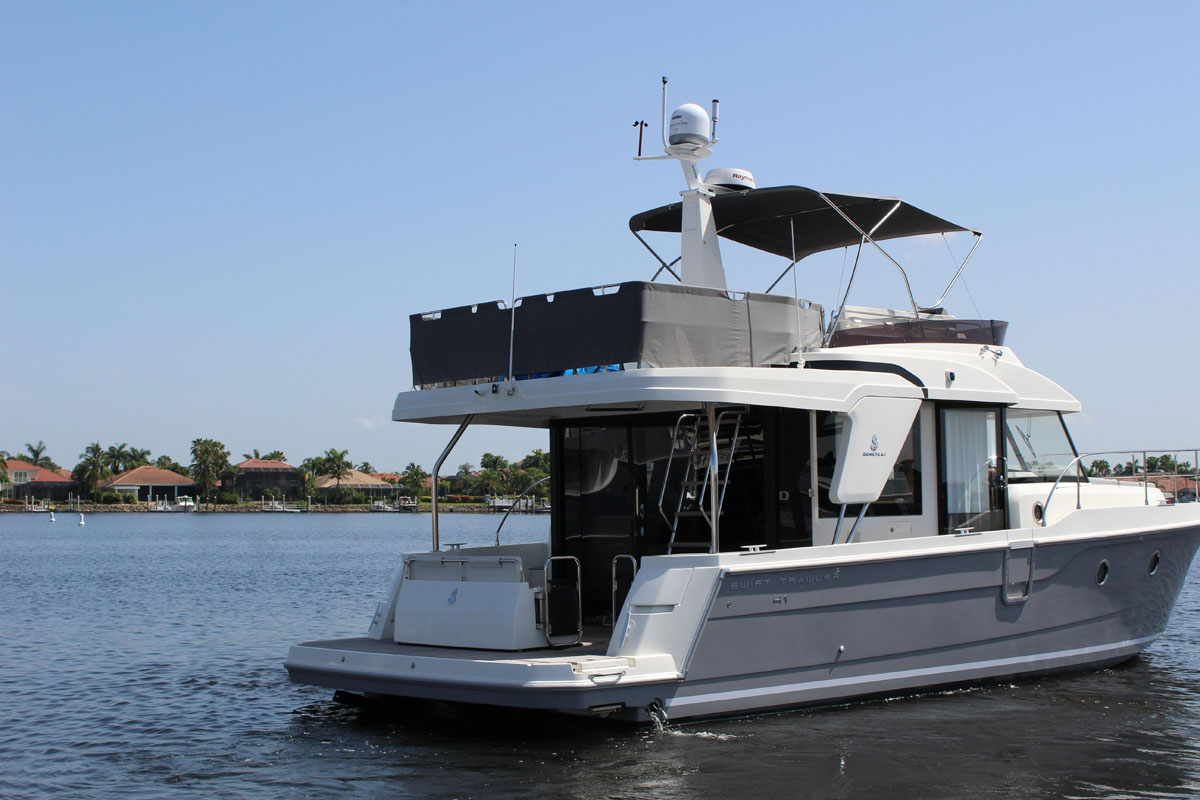
Power yachts shift toward formal hospitality. Newport Coast Marine operates vessels like the Ferretti 670 and Sunseeker 68, where etiquette leans into traditional guest conduct—respecting interior spaces, following onboard service protocols, and observing dress standards. Captain Newport accommodates up to 120 guests on vessels like the 42ft VanDutch and 65ft Willard, where large-group awareness matters most. Budget options like Duffy electric boats start at $299–$795 for 3–4 hours with more relaxed expectations.
Sailboat (Catalina 22/25): A wind-powered vessel where guests actively participate in sailing under crew direction. Best for small groups of 2–6 seeking a hands-on, immersive experience. Investment runs $500–$1,500 for a half-day. Expected outcomes include team-building benefits, visible communication dynamics, and a casual, cooperative atmosphere.
Lagoon Catamaran (Lagoon 42): A stable, dual-hull sailing vessel with spacious deck areas and a smoother ride than monohulls. Best for groups of 15–20 who want sailing with more comfort and social space. Investment ranges from $2,000–$4,300 for a 4–6 hour charter. Expected outcomes include a balance of participation and relaxation, with room for group activities.
Power Yacht (Ferretti 670/Sunseeker 68): A motor-driven luxury vessel with formal service, interior spaces, and dedicated crew. Best for corporate events, client entertainment, and groups up to 120 guests requiring polished presentation. Investment runs $3,300–$6,000+ for comparable durations. Expected outcomes include professional atmosphere, structured service, and high-end optics for business use.
Duffy Electric Boat: A quiet, low-speed electric vessel for calm harbor cruising. Best for casual social gatherings, couples, or budget-conscious groups. Investment starts at $299–$795 for 3–4 hours. Expected outcomes include relaxed expectations, minimal etiquette requirements, and a low-pressure experience.
Choose a sailboat if your group is small, you want hands-on involvement, and you value an active experience over luxury amenities. Choose a Lagoon catamaran when you need stability, social space, and sailing at a moderate price point for a mid-size group. Choose a power yacht when formal presentation matters—corporate events, client entertainment, or milestone celebrations where service standards and optics are paramount. Choose a Duffy electric boat when the priority is a relaxed, budget-friendly harbor cruise without strict conduct expectations.
Event type shapes etiquette as much as vessel type. Hornblower Cruises hosts up to 550 guests on dining and holiday cruises where formal attire, controlled noise levels, and structured service define the atmosphere. Balboa Event Planning and Tours runs bespoke sunset cruises, dinner charters, and whale watching with high-end presentation standards. Davey's Locker handles sportfishing groups up to 100 with a more casual framework.
Corporate charters carry the highest conduct expectations. All-inclusive packages covering catering, entertainment, and staffing simplify logistics, but professionalism stays paramount. Industry data shows 72% of executives say unique settings like yachts improve client retention, and social media sharing runs 3× higher than traditional venues—meaning guest behavior is visible well beyond the dock.
Core etiquette translates across premium charter destinations. The differences come down to local pricing structures, regional tipping norms, and market-specific expectations that shape how guests plan and behave. Newport Beach and the British Virgin Islands both attract experienced charter clients, but each market carries distinct cost structures, tax requirements, and vendor expectations. Understanding these differences helps guests budget accurately and avoid etiquette missteps that stem from assuming one destination’s norms apply everywhere.
The 15–20% gratuity standard holds across U.S. and Caribbean charters, including sailing in the British Virgin Islands. Mediterranean destinations trend lower at 5–15%. In all cases, present the tip to the captain for distribution. The "no shoes on deck" rule is universal. So are safety briefing compliance, guest count restrictions tied to vessel certification, responsible alcohol consumption, child supervision, and damage liability protocols.
The business case for yacht-based events also holds across geography. Northrop Grumman ran over 500 employees through a sailing-based "BoatWorks" leadership program in Annapolis, Chicago, and Southern California with consistent results. Industry data shows 85% of employees feel more valued in exclusive settings like yacht events, and engaged employees are 87% less likely to leave their companies.
Newport Beach pricing includes 7.75% sales tax and fuel surcharges of $300–$800 for coastal and Catalina routes. Expect itemized quotes covering base cost, taxes, gratuity, fuel, and extras. Charterer's Liability insurance runs 2–4% of the charter cost; general charter insurance runs 4–8%.
The local market supports strong corporate use. Newport Beach operators report 40–60% increases in team collaboration on yacht events versus land retreats. Corporate yacht events yield a 40% higher ROI than traditional venues, and companies with structured team-building programs have documented 7.5× returns—including 25% retention improvement and 5.6% productivity gains. Gallup data showing only 36% employee engagement reinforces why Newport Beach yacht charters position as a premium solution. Kenexa Research Institute findings that 50% of positive workplace communication changes trace to off-site social interaction validate the format.
When it makes sense: Choose Newport Beach when you need a day charter or corporate event with transparent, itemized pricing, USCG-certified captains, and strong vendor infrastructure for catering, entertainment, and logistics. Newport Beach is the stronger choice for business-focused charters where ROI tracking, team-building outcomes, and proximity to Southern California offices matter. Choose the British Virgin Islands when the priority is a multi-day bareboat or crewed sailing vacation with island-hopping itineraries and Caribbean pricing norms.
How they compare: Newport Beach carries higher per-day costs due to 7.75% sales tax, fuel surcharges of $300–$800, and premium vessel rates. The BVI offers lower base pricing for week-long crewed charters but requires international travel logistics. Tipping norms align at 15–20% in both markets. Safety protocols and crew professionalism standards are consistent across both destinations.
Expected outcomes: Newport Beach charters deliver measurable corporate results—40–60% collaboration increases, 40% higher ROI than land-based venues, and 7.5× returns on structured team-building programs. BVI charters deliver extended sailing experiences, multi-island exploration, and vacation-oriented outcomes. Both markets maintain the etiquette fundamentals covered in this guide.
Newport Beach Sailing Charters & Yacht Rentals operates with full USCG-licensed captains, transparent pricing that itemizes base cost, tax, fuel, and gratuity, and a fleet ranging from Catalina 22 sailboats to a Lagoon 42 catamaran. Every charter includes a pre-boarding safety briefing, professional crew, and etiquette guidance so guests know exactly what to expect before they step on deck. The company has served the Newport Beach market for years, building a reputation around sailing-focused experiences where guest participation and crew professionalism define the charter.
Choose Newport Beach Sailing Charters when you want a hands-on sailing experience with professional guidance, when your group values active participation over passive hospitality, or when you need a captained charter with clear pricing and no hidden fees. Our fleet handles day charters, multi-day Catalina trips, sunset cruises, and corporate team-building events with the same level of professionalism and safety compliance. Every booking includes itemized pricing, USCG-certified crew, and pre-departure etiquette guidance so your group arrives prepared and confident.
If your event requires a large power yacht for 50–120 guests with formal hospitality service, a dedicated catering staff, or a mega yacht experience, you’ll need a different operator. We specialize in sailing-based charters where guest participation and crew interaction define the experience—not white-glove service on a motor yacht. For large-scale corporate events, luxury power yacht charters, or holiday cruises with structured dining service, we can recommend trusted Newport Beach operators who specialize in those formats.
Newport Beach Sailing Charters & Yacht Rentals makes yacht charter etiquette in Newport Beach simple from the first inquiry. Every captained charter comes with professional crew, transparent pricing, and the guidance you need to tip appropriately, prepare correctly, and enjoy the experience without second-guessing onboard conduct. Whether you're planning a day charter, a multi-day charter to Catalina, or a corporate adventure charter, the team handles the logistics so you can focus on the water. Request a quote today.