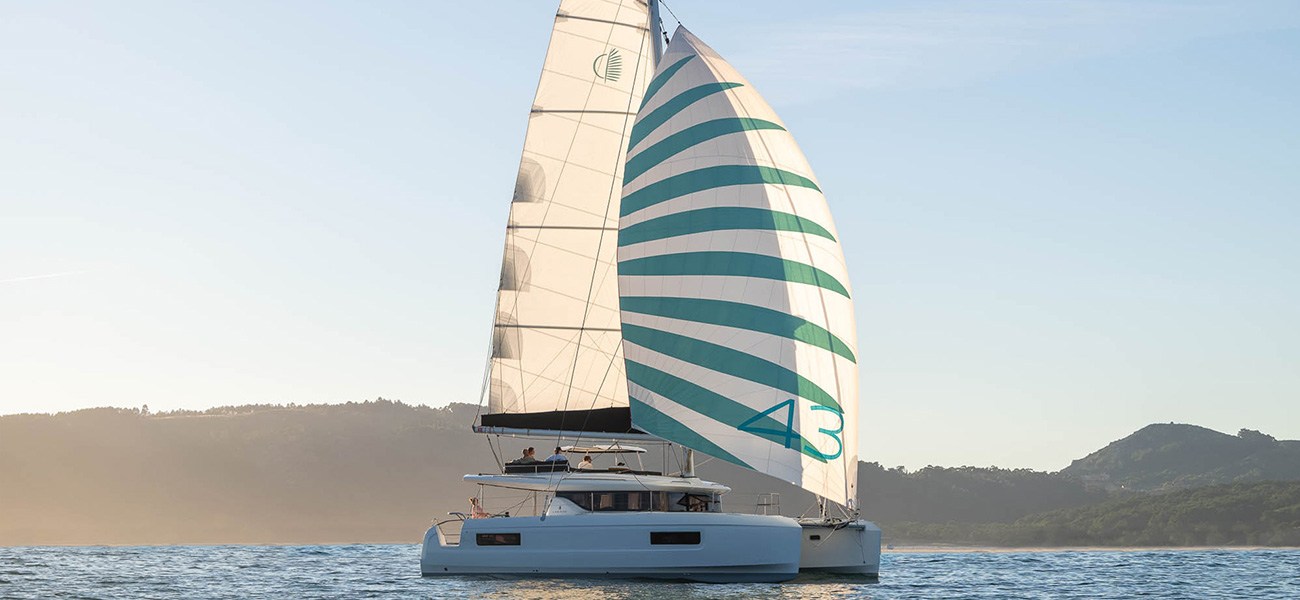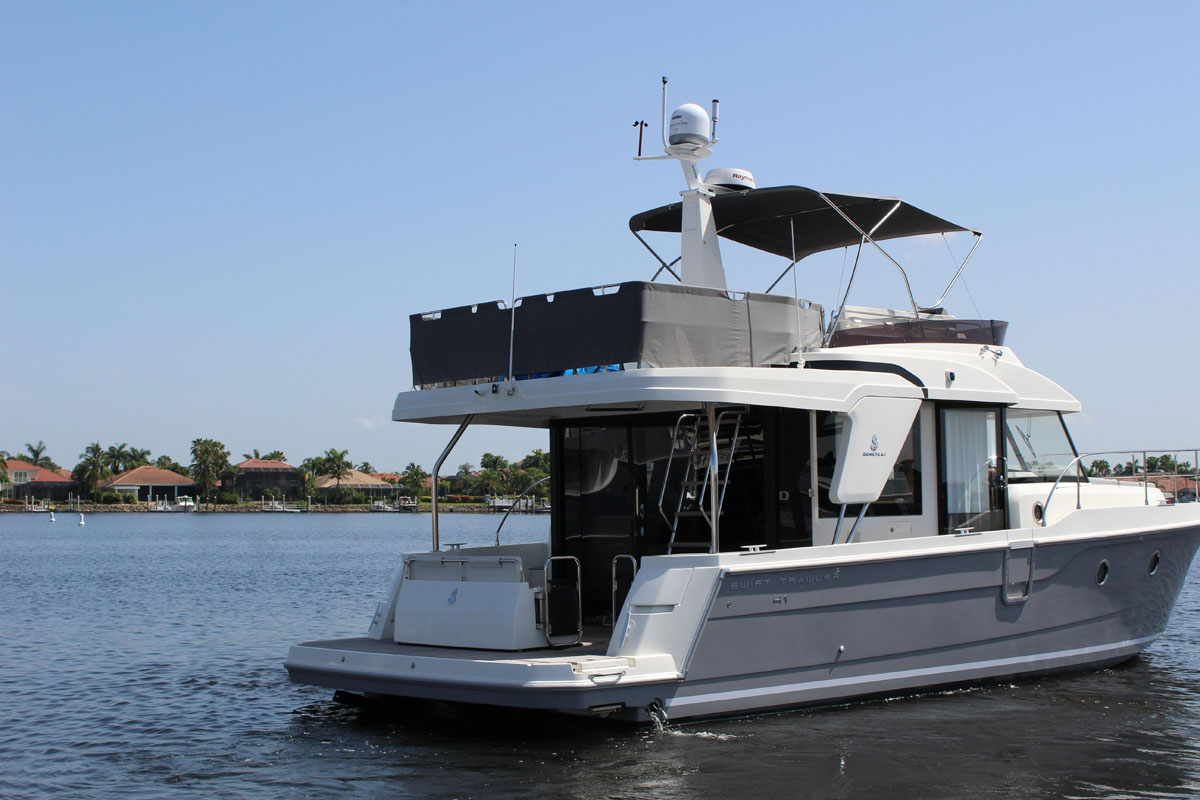



Late spring sailing represents the optimal window for yacht charters in Southern California coastal waters. Weather patterns, crowd dynamics, and marine ecosystems align during April and May to create exceptional conditions for both experienced sailors and first-time charterers.
Newport Beach experiences distinct seasonal variations that directly impact charter experiences throughout the year. Understanding these patterns allows charterers to match their preferences with conditions that best support their sailing objectives and comfort levels.
Newport Beach sailing conditions depend on three primary factors: wind patterns, temperature ranges, and marine ecosystem activity. These elements interact to create distinct experiences across different seasons and charter durations.
The Pacific Ocean and local geography create microclimates that influence daily sailing experiences. Charterers benefit from understanding how these conditions affect vessel performance, passenger comfort, and itinerary flexibility throughout the year.
Wind patterns determine vessel speed, comfort levels, and viable destinations for every charter type. Late spring winds average 10-15 knots from west/northwest directions, providing steady propulsion without excessive heel angles that can cause discomfort.
Summer conditions mirror late spring with similar 10-15 knot averages, while autumn brings lighter 8-12 knot breezes. Winter presents the most challenging environment with 15-25 knot winds that demand experienced crew capabilities and potentially limit passenger comfort during extended passages.
Late spring air temperatures average 60-70°F, creating comfortable deck conditions without excessive heat exposure. Water temperatures gradually warm during this period, making coastal swimming and water sports increasingly viable as the season progresses.
These moderate temperatures allow passengers to remain comfortably on deck throughout charter durations. The absence of extreme heat reduces sunburn risk and eliminates the oppressive conditions that characterize midsummer sailing in Southern California waters.
Marine life encounters significantly enhance charter value by creating memorable wildlife viewing opportunities. Late spring overlaps with Gray Whale migration endings and Blue Whale season beginnings, offering exceptional opportunities to observe these magnificent creatures in their natural habitat.
Dolphin pods, sea lions, and diverse seabird populations remain active throughout this period. These encounters transform standard sailing trips into educational experiences that appeal to families, photographers, and nature enthusiasts seeking authentic coastal wildlife interactions.
Late spring provides a convergence of optimal conditions that benefit every charter category and passenger demographic. Predictable weather patterns, manageable crowd levels, and active marine ecosystems create superior experiences compared to other seasonal windows.
The best charter season balances environmental factors with logistical considerations that affect booking availability and pricing. April and May represent this sweet spot where quality conditions meet reasonable demand levels before peak summer pricing takes effect.
Late spring delivers consistent west/northwest winds that provide reliable propulsion without excessive variability. These 10-15 knot conditions allow captains to plan accurate itineraries with confidence in maintaining scheduled departure and return times.
Early summer conditions begin transitioning during May as atmospheric patterns shift toward summer stability. This transition period offers the advantage of spring weather characteristics without the extreme boat traffic that develops by late June and continues through August.
Newport Beach population dynamics shift dramatically between seasons, affecting anchorage availability and harbor navigation complexity. The permanent population of 86,738 residents swells to over 100,000 during the summer months, with an additional 20,000 to 100,000 daily tourists creating congested conditions.
Late spring avoids these peak crowds while maintaining pleasant weather conditions. Charter vessels navigate harbors with greater ease, anchorages at destinations like Emerald Bay offer more space, and marina facilities operate below capacity, reducing wait times and stress levels.
May Gray describes the marine layer phenomenon, causing overcast mornings during late spring months. This atmospheric condition results from cool ocean air meeting warmer land temperatures, creating low-lying clouds that typically persist until late morning.
The May Gray phenomenon can cause overcast mornings, but usually burns off by midday. Afternoon sailing benefits from clear skies and comfortable temperatures, making charter planning around afternoon departures particularly effective during this seasonal transition period.
Each season presents distinct advantages and challenges that appeal to different charter preferences and experience levels. Understanding these variations allows charterers to align their booking decisions with conditions that support their specific objectives and comfort requirements.
Seasonal comparison reveals why yacht charter timing significantly impacts overall satisfaction and value. Weather stability, crowd density, and marine ecosystem activity create vastly different experiences depending on departure dates and charter durations.
Summer brings high boat traffic and crowded anchorages during peak season, with June Gloom creating morning marine layer conditions similar to May Gray. These factors combine with premium pricing to create less favorable value propositions despite excellent afternoon weather.
Autumn presents a strong Santa Ana wind risk that can create dangerous conditions and force itinerary changes. Winter delivers challenging conditions with stronger 15-25 knot winds and colder temperatures that limit passenger comfort, though experienced sailors appreciate reduced crowds and prime Gray Whale viewing opportunities.
The weather in Newport Beach follows predictable annual cycles influenced by Pacific Ocean currents and regional atmospheric patterns. Spring and summer feature predominantly clear afternoons with marine layer mornings, while autumn brings the clearest skies but occasional unpredictability in the wind.
Winter introduces the most variable conditions with stronger wind systems and occasional rain events. These patterns create a reliable framework for selecting optimal charter months based on individual priorities regarding weather stability, temperature ranges, and crowd avoidance.
Different charter durations perform best during specific seasonal windows based on weather requirements and activity objectives. Half-day and full-day charters benefit most from late spring's stable conditions, while sunset cruises achieve peak visual quality during longer summer daylight hours.
October often receives recognition for offering the best weather-to-cost ratio across all charter categories. Multi-day adventures achieve optimal conditions during spring and autumn when extended forecasts show greater reliability, and anchorage crowding remains minimal compared to summer peak periods.
Newport Beach charter operators offer four primary experience categories that serve different time commitments and budget levels. Each category provides distinct advantages based on passenger objectives, group composition, and desired destination accessibility.
Charter type selection determines itinerary possibilities, onboard amenities, and overall experience structure. Understanding these differences helps charterers match their expectations with appropriate vessel and duration combinations that maximize satisfaction and value.
Sunset cruises operate for 2-4 hours with departures between 4:30 PM and 5:30 PM to capture golden hour lighting. These shorter experiences prioritize romance and photography over destination coverage, making them ideal for celebrations and special occasions.
Half-day charters last 4-6 hours, providing sufficient time for coastal exploration without overnight commitments. Full-day charters extend 8+ hours, allowing Catalina Island crossings but requiring early morning starts and long 12-hour commitments that may not suit all passenger schedules.
Multi-day charter durations span 3-7 days, creating immersive experiences that access remote anchorages and island destinations. These extended adventures allow passengers to develop sailing skills, explore multiple locations, and experience the rhythm of life aboard a cruising yacht.
Multi-day charters require significant vacation time and budget resources that exceed many charterers' available allocations. Guests must provision their own food and beverages on most local multi-day charters, adding logistical complexity that some passengers prefer to avoid through shorter charter formats.
Millennials prefer sunset cruises at 45% and half-day charters at 40%, valuing Instagram-worthy experiences and time efficiency. These shorter formats align with busy schedules while delivering memorable moments that satisfy experiential travel priorities.
Generation X shows the highest preference for late spring charters at 45%, often selecting full-day and multi-day options. The average age of yacht charterers has fallen by 10 years over the past two decades, with average charterer age now typically 40-50 years across all charter categories.
Sailing conditions directly influence pricing structures through supply-demand dynamics that shift throughout the annual cycle. Peak weather periods command premium rates while shoulder seasons offer value opportunities without sacrificing quality experiences.
Understanding these pricing patterns allows charterers to optimize budget allocation and secure preferred dates. Booking timing strategies vary significantly based on charter type and seasonal demand levels.
Peak summer months command the highest pricing due to maximum demand from both local and tourist markets. Late spring offers more favorable rates while maintaining excellent conditions, creating superior value propositions for budget-conscious charterers.
Operators recommend booking 6 to 12 months in advance for peak seasons to secure preferred vessels. Shoulder seasons like late spring require 3 to 6 months advance booking, providing greater flexibility while still ensuring availability during increasingly popular periods.
Sunset cruises show average booking windows of 27 days in advance, with daily sell-outs during high-demand weekends. Half-day charters require 1-2 weeks advance notice, while full-day charters benefit from 2-4 months lead time.
Multi-day charters demand 3-6 months advance booking to coordinate crew schedules and ensure vessel availability. Early booking also allows charterers to submit detailed preference sheets before departure, enabling crews to customize provisioning and itinerary planning to match specific group requirements.
Passengers should arrive 30-45 minutes early for sunset cruises to complete boarding procedures without rushing. This buffer time prevents missed departures that result in losing optimal golden hour lighting conditions.
Charterers should provide detailed preference sheets addressing dietary restrictions, activity interests, and comfort priorities. These communications allow captains and crews to adjust sail plans, provisioning decisions, and pacing to match passenger expectations while maintaining safety standards.
Newport Beach charter operators differentiate themselves through fleet variety, local expertise, and service responsiveness. These competitive advantages create value beyond basic vessel rental by enhancing overall experience quality and reducing planning stress.
Top operators leverage seasonal knowledge to recommend optimal timing and itinerary combinations. Their deep familiarity with local conditions allows accurate forecasting and proactive adjustments that maintain schedule integrity despite weather variability.
Professional operators adjust fleet deployment and crew scheduling to match seasonal demand patterns and weather conditions. They position appropriate vessel types for prevailing conditions, ensuring passenger comfort and safety across varying wind and sea states.
Experienced operators also educate charterers about seasonal advantages through transparent communication about weather patterns and crowd dynamics. This advisory approach helps customers make informed decisions that align their expectations with realistic outcomes based on departure timing.
Late spring charterers benefit from operators' ability to offer flexible itineraries that capitalize on stable conditions. Captains can confidently plan Catalina crossings and coastal explorations without excessive weather contingency requirements.
Marine life viewing opportunities receive special emphasis during late spring when whale migrations create exceptional wildlife encounters. Operators position vessels near known congregation areas, maximizing passenger chances for memorable animal sightings that enhance overall charter value.
Top operators quote within 30 minutes, demonstrating responsiveness that builds customer confidence and enables rapid decision-making. This efficiency reflects deep operational knowledge and streamlined processes that reduce friction in the booking experience.
Customer satisfaction metrics validate this approach, with operations like Paradiso Yacht Charters rated 4.9/5 on Yelp with over 550 reviews. These ratings reflect consistent delivery of quality experiences enabled by accurate condition assessment and appropriate vessel-weather matching.
Maximizing late spring charter experiences requires proactive planning, clear communication, and realistic expectations about weather variables. Charterers who engage operators early and provide detailed preferences receive customized experiences that align with their specific objectives.
Understanding seasonal conditions allows charterers to set appropriate expectations and appreciate the unique advantages each period offers. This knowledge transforms generic boat rentals into curated experiences that leverage optimal timing for maximum enjoyment.
Advance planning secures preferred vessels and departure dates before calendar slots fill completely. Late spring popularity has increased as more charterers recognize its advantages, reducing last-minute availability for spontaneous bookings.
Early booking also enables comprehensive itinerary customization based on group composition and interests. Operators can coordinate special provisions, arrange specific route options, and prepare crews to deliver experiences tailored to individual charter objectives rather than generic default formats.
Open communication establishes a shared understanding of priorities, limitations, and flexibility parameters before departure. Captains appreciate knowing passenger experience levels, comfort boundaries, and specific interests that inform real-time decision-making during charter execution.
The captain has final say on safety and weather-related itinerary changes, a principle that protects passenger welfare. Charterers who trust this expertise and maintain flexible attitudes achieve superior experiences compared to rigid expectations that conflict with maritime safety requirements.
Golden hour provides a 55-60 minute window of optimal light occurring 30 minutes before sunset to 25 minutes after sunset. Sunset cruise departure times fall between 4:30 PM and 5:30 PM, depending on seasonal daylight variations.
Missing the departure window by 30 minutes loses the best light for sunset cruises, eliminating the primary visual attraction. Punctual arrival ensures passengers experience the full color progression as the setting sun creates dramatic sky conditions that define these specialized charter experiences.
Late spring sailing conditions in Newport Beach create an exceptional convergence of favorable factors that benefit every charter category. Moderate winds, comfortable temperatures, manageable crowds, and active marine life combine to deliver experiences that balance quality with value across all passenger demographics and vessel types.
Understanding seasonal variations empowers charterers to make informed decisions that align timing with objectives. Whether prioritizing weather stability, wildlife viewing, crowd avoidance, or cost optimization, late spring provides compelling advantages that position it as the premier charter season for Southern California coastal waters.
Newport Beach Sailing Charters leverages decades of local expertise to guide charterers toward optimal timing and itinerary decisions. Our direct booking approach eliminates unnecessary fees while providing personalized service that transforms standard rentals into memorable adventures tailored to your specific interests and comfort requirements.
Steady 10-to-15-knot breezes, comfortable 60-to-70-degree afternoons, whales still tracking up the coast, and harbors that haven't filled up yet. That's the late spring window in Newport Beach, and it closes the moment summer crowds arrive. Book your charter directly with Newport Beach Sailing Charters & Yacht Rentals and skip the third-party booking fees, the shared decks, and the one-size-fits-all itineraries. Every charter we run is private to your group, planned around your interests, and backed by our lowest rate guarantee. Take the helm and feel the wind fill the sails, or pour yourself a drink and watch the coastline drift past. The day belongs to you. Reach out to our team to lock in your April or May charter date and start planning the kind of day on the water you'll be talking about all summer.