


Key Takeaways
1. October-November Delivers Peak Conditions Autumn marine life viewing offers 70-80% humpback whale encounters, 90-95% dolphin sightings, and calm-sea conditions ideal for whale watching cruises from Newport Beach.
2. Early Morning Maximizes Success Cruise times 6:00-11:00 AM boost marine wildlife encounters by 15-20% as humpback whales and Pacific White-side Dolphin feed actively at Orange County feeding grounds.
3. Federal Distance Laws Protect Wildlife: Maintain 100 yards from whales, 50 yards from dolphins and sea lions. Wildlife-friendly routing on eco-friendly vessels ensures legal compliance during guided tours.
4. Migration Patterns Shift Through Fall Blue whale probabilities drop 50% to 20% through November. Gray whales begin their southbound migration in late November. Humpback whales extend their feeding behavior, making fall optimal.
5. Dolphins Offer Year-Round Reliability. Dolphin watching in Newport Beach delivers 90-95% daily encounters year-round from Balboa Pavilion to offshore marine sanctuaries on family-friendly charters.
Marine wildlife viewing is the observation of whales, dolphins, sea lions, seabirds, and other ocean species in their natural habitats. In Newport Beach and Orange County waters, viewing experiences range from guided tours on eco-friendly vessels to private group tours, with options for family-friendly charters that accommodate various skill levels. Unlike shore-based observation, boat-based marine life viewing provides access to feeding grounds 3-20 miles offshore where humpback whales, blue whales, minke whales, and Pacific White-side Dolphin populations concentrate.
October through November represent optimal conditions for autumn marine life encounters in Southern California. Water temperatures hold at 67-69°F, while average winds drop to 7.5 MPH—creating calm-sea viewing conditions ideal for dolphin watching Newport Beach visitors and whale watching cruises. Marine sanctuaries near Dana Point and Crystal Cove State Beach protect these feeding grounds, where wildlife-friendly routing ensures minimal disturbance to migrating species. Fall months deliver consistent marine exploration opportunities as humpback whales extend their feeding season and dolphin pods exhibit active behavior in cooler waters before winter migration patterns shift.
August through October deliver the calmest wind and sea conditions annually for marine life viewing along the Orange County coast. October specifically offers exceptional whale watching success rates: humpback whales maintain 70-80% encounter probability throughout the month as they extend feeding behavior before winter migration. Blue whale sightings reach 40-50% probability in early October, declining to 20-30% by month's end as populations move toward southern feeding grounds. Finback whales follow similar patterns, with 50-60% early October encounters dropping to 30-40% late month.
Dolphin watching Newport Beach excursions report 90-95% daily encounter rates year-round, with Pacific White-side Dolphin and common dolphin pods exhibiting heightened activity in autumn's cooler waters. Sea lions remain at 100% probability near harbor entrances, Balboa Island, and Newport Coastal Adventure routes. Marine sanctuaries between Dana Point and Crystal Cove State Beach concentrate marine wildlife as seasonal upwelling continues through November.
Early morning cruise times (6:00-11:00 AM) provide 15-20% higher success rates than midday departures. Calm-sea viewing conditions peak before 11:00 AM when westerly winds build. Marine exploration on family-friendly charters and private group tours benefits from wildlife-friendly routing that targets active feeding grounds during dawn hours when humpback whales, minke whales, and seabirds concentrate. Autumn marine life patterns shift as gray whales begin southbound migration in late November, while killer whales (orcas) make occasional appearances through marine sanctuaries.
| Species | Best Months | Encounter Probability | Prime Viewing Locations |
| Humpback Whales | March-November (Peak: July-September, October 70-80%) | High: 70-80% fall | 3-12 miles offshore Newport Beach, Dana Point marine sanctuaries, feeding grounds near kelp beds |
| Blue Whales | Mid-June-October (Peak: July-September) | Moderate-High: 40-50% early October, 20-30% late October | 5-15 miles offshore, 200+ fathom depths, Newport Coastal Adventure routes |
| Gray Whales | December-April (Southbound: Dec-March, Northbound: Feb-April) | High: 50-70% winter/spring | Close to shore (1-3 miles), visible from Crystal Cove State Beach, Balboa Pavilion viewing areas |
| Dolphins (Pacific White-side, Common, Long-beaked) | Year-round | Very High: 90-95% daily | All locations—harbor entrance to 20 miles offshore, Balboa Island Ferry routes, dolphin cruises |
| Minke Whales | Year-round (Peak: Spring-Fall) | Moderate: 30-40% | 5-20 miles offshore, often near humpback whale feeding grounds |
| Finback Whales | July-October (Peak: July-September) | Moderate: 50-60% early October, 30-40% late October | 8-20 miles offshore, deep channel waters, marine sanctuaries |
| Killer Whales (Orcas) | April-October (transient year-round) | Low-Moderate: 10-20% | Unpredictable—offshore waters, occasionally near Balboa Island, tracking marine mammal prey |
| Sea Lions | Year-round | Very High: 100% | Harbor entrances, buoys near West Jetty View Park, Balboa Pavilion docks, haul-out rocks |
| Seabirds (Pelicans, Cormorants, Gulls) | Year-round (migration adds species fall/spring) | Very High: 100% daily | Coastal routes, feeding frenzies mark bait balls, Crystal Cove State Beach shoreline |
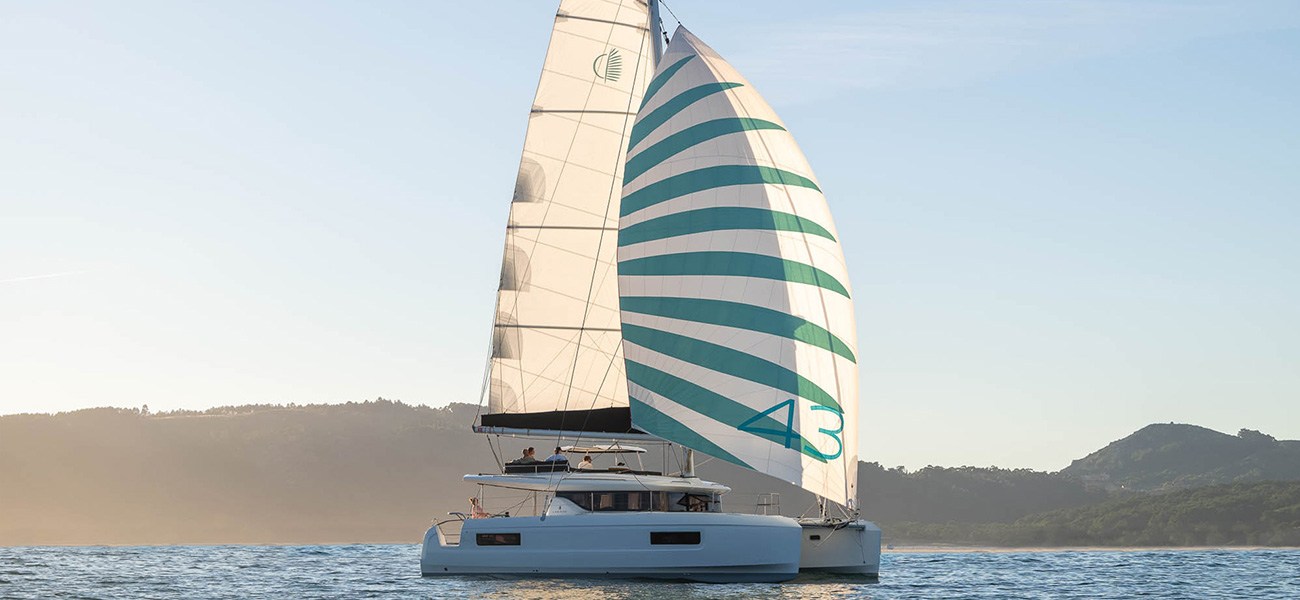
Migration Patterns Active in November: Gray whales begin their southbound journey in late November (arrive in Southern California waters in December). Humpback whales transition from feeding grounds toward winter breeding areas. Dolphin pod behavior shifts as water temperatures cool—vocal signals increase during autumn marine life activity changes. Seabird migration brings additional species through Orange County marine sanctuaries, creating photography opportunities on guided tours and whale watching cruises aboard catamaran yachts with wildlife-friendly routing protocols.
Humpback Whales – Fall Feeding Grounds: Newport Beach and Orange County waters deliver premier humpback whale encounters October through November as populations concentrate 3-12 miles offshore along marine sanctuaries. Family-friendly charters access feeding grounds near kelp beds where bubble-net feeding behavior provides exceptional photography opportunities. Whale watching cruises from Dana Point and Balboa Pavilion target these autumn marine life hotspots during morning cruise times when humpback whales surface-feed actively.
Beyond Southern California, Stellwagen Bank National Marine Sanctuary (Cape Cod, Massachusetts) reports 99% humpback whale sighting rates, May-October on guided tours. Alaska's Kenai Fjords and Resurrection Bay host populations from May to September, with viewings from Amalga Harbor. Maui, Hawaii, concentrates breeding humpback whales December-April where mother-calf pairs frequent shallow waters. Iceland offers 23 cetacean species, including humpback whales, April-October, while Tonga's Vava'u region permits snorkeling with humpback whales July-October during mating season (strict 4-swimmer maximum regulations).
Blue Whales – Deep Water Specialists: Newport Coastal Adventure routes position whale-watching tour vessels 5-15 miles offshore where blue whales—Earth's largest animals at 80-100 feet and 200,000+ pounds—feed on krill concentrations in 200+ fathom depths. October delivers 40-50% encounter rates early month, declining to 20-30% late in the month as blue whale populations shift southward. Marine biology research shows blue whales prefer deep channels between Newport Beach and marine sanctuaries near Dana Point, where spotter crews track distinctive 30-foot columnar blows visible from miles away.
Monterey Bay, California, extends blue whale season April-December with May-October peak viewing. Iceland's convergence of warm and cold currents creates spring/early summer (May-June) feeding opportunities. The Azores archipelago in the Atlantic hosts blue whales April-September alongside finback whales and sperm whales during migration stopovers.
Killer Whales (Orcas) – Apex Predator Sightings: Orca encounters remain unpredictable along the Orange County coast, with a 10-20% probability during autumn marine life viewing seasons. Transient killer whales (Bigg's ecotype) patrol Newport Beach to Crystal Cove State Beach marine sanctuaries year-round, tracking marine mammal prey, including sea lions and dolphin pods. Private group tours occasionally report orca vocal signals detected via hydrophone equipment on eco-friendly vessels during calm-sea viewing conditions.
The San Juan Islands, Washington, rank globally for orca watching with mid-April through early October peak season. Three resident pods ("Southern Residents") frequent Lime Kiln Point State Park waters—the world's best land-based orca viewing location. Vancouver Island's Johnstone Strait hosts May-October concentrations following salmon runs. Alaska's Kenai Fjords support 18 resident orca pods May-September. Antarctica claims half the world's orca population (approximately 25,000), with February-March peak viewing during expedition cruises.
Gray Whales – Winter Migration Spectacle: Gray whales do not appear in Newport Beach waters during October or November. Southbound migration begins late November with arrival in Southern California in December through March. Gray whale watching cruises from Balboa Pavilion and whale-watching tour operators near Crystal Cove State Beach deliver 50-70% encounter rates mid-December through March as 20,000 whales pass close to shore (1-3 miles offshore), traveling from Bering Sea feeding grounds to Baja California breeding lagoons. Northbound migration February-April brings mothers with newborn calves past Orange County marine sanctuaries. West Jetty View Park and shoreline vantage points offer land-based gray whale observations during winter peak season.
Whale sharks—the world's largest fish at up to 40 feet—do not inhabit Newport Beach or Orange County waters. These filter-feeding giants concentrate in tropical and subtropical regions where plankton blooms and seasonal spawning events create feeding opportunities. Marine biology enthusiasts seeking whale shark encounters must travel to specialized destinations with established marine sanctuaries and guided tours designed for snorkeling (scuba diving is often prohibited to protect animals).
Guaranteed Encounter Destinations:
Isla Holbox and Isla Mujeres, Mexico (May-September, Peak: July-August) – Hundreds of whale sharks aggregate in plankton-rich waters north of Cancun, delivering near-guaranteed encounters. Regulations limit interactions to 2 snorkelers per animal simultaneously. This represents the world's most reliable seasonal whale shark concentration, with wildlife-friendly routing protocols mandating no-touch policies and minimum distance requirements similar to marine sanctuaries protecting humpback whales and blue whales in Orange County waters.
Maldives South Ari Atoll (Year-Round, Peak: August-December) – The only truly year-round whale shark destination globally, maintaining 90% encounter rates through consistent juvenile male presence. Private group tours and guided tours operate from resort islands with marine biology education components. Unlike Newport Beach's autumn marine life patterns, where blue whale probabilities decline from October through November, Maldives whale sharks remain predictable across all seasons.
Ningaloo Reef, Australia (March-August) – Spotter planes guarantee sightings along Western Australia's coast, where 300+ individual whale sharks return annually. Operators reschedule at no charge if encounters fail, matching the confidence levels of Newport Coastal Adventure dolphin watching guarantees (90-95% daily probability). Ningaloo combines whale shark swimming with manta ray encounters, humpback whale migrations, and coral reef marine exploration on family-friendly charters.
Year-Round vs. Seasonal Locations:
Cenderawasih Bay, Indonesia (Year-Round, Best: April-November) offers unique encounters at fishing platforms ('bagans') where whale sharks feed on baitfish escaping nets—almost guaranteed sightings regardless of season. Tofo Beach, Mozambique, maintains year-round plankton availability, creating Africa's largest whale shark concentration (October-March peak), often accompanied by manta ray sightings similar to marine sanctuaries near Dana Point hosting multiple megafauna species.
Seasonal Hotspots: Philippines' Donsol Bay (November-June, peak February-April) established Southeast Asia's first whale shark tourism in 1998. Galapagos Islands' Wolf and Darwin sites (June-November) attract pregnant females exclusively—90% of sightings. Thailand's Richelieu Rock (March-June) combines whale sharks with manta rays in Andaman Sea feeding aggregations.
Whale shark encounters require calm-sea viewing conditions similar to optimal whale watching cruises from Balboa Pavilion. Most destinations implement wildlife-friendly routing, prohibit touching, and mandate eco-friendly vessels. Unlike Newport Beach's accessible dolphin cruises and sea lion viewing near Balboa Island Ferry routes, whale shark destinations demand international travel and specialized booking. Marine exploration enthusiasts planning autumn marine life adventures in Orange County waters focus instead on humpback whales, finback whales, minke whales, killer whales, and Pacific White-side Dolphin populations active through November migration patterns.
Dolphins – Newport Beach Year-Round Reliability: Dolphin watching Newport Beach delivers 90-95% daily encounter rates across all seasons, making it Orange County's most reliable marine wildlife experience. Common dolphins, long-beaked common dolphins, and Pacific White-side Dolphin populations inhabit waters from harbor entrances near Balboa Pavilion through offshore feeding grounds 20 miles out. Autumn marine life patterns show increased dolphin pod activity as cooler waters concentrate baitfish—vocal signals intensify during fall feeding frenzies marked by diving seabirds.
Family-friendly charters and dolphin cruises from Newport Coastal Adventure routes encounter superpods of 100-1,000 individuals. Dolphins frequently bow-ride eco-friendly vessels during calm-sea viewing conditions, approaching within feet (they initiate contact legally). Balboa Island Ferry crossings and guided tours near Crystal Cove State Beach marine sanctuaries provide shore-proximity sightings. Wildlife-friendly routing on private group tours targets areas where dolphins feed alongside sea lions and humpback whales. Optimal cruise times span 6:00 AM-11:00 AM when glass-calm conditions enhance spotting, though afternoon dolphin cruises maintain high success rates year-round.
Sea Turtles – Tropical Nesting and Snorkeling Destinations: Sea turtles do not nest in Newport Beach or Orange County waters. These marine reptiles require tropical/subtropical beaches for egg-laying, with hatchlings emerging 50-70 days later. Prime nesting destinations include Florida's east coast (May-September for loggerheads), Costa Rica's Tortuguero (July-October for green turtles), and Oman's Ras Al Hadd (year-round green turtles, July peak). Hawaii offers year-round green turtle snorkeling at shallow bays, while Egypt's Red Sea Abu Dabbab Bay ("Turtles Beach") guarantees encounters with turtles grazing seagrass beds. Galapagos Islands host 15,000 green turtles accessible June-November alongside marine iguanas and blue whales in protected marine sanctuaries requiring guided tours with marine biology education components and wildlife-friendly routing protocols similar to Orange County whale watching cruises.
Federal Distance Requirements – Marine Mammal Protection Act: All whale watching cruises, dolphin cruises, and private group tours operating from Newport Beach must maintain a 100-yard minimum distance from humpback whales, blue whales, gray whales, finback whales, minke whales, and killer whales. Federal law mandates 50-yard separation from Pacific White-side dolphins, common dolphins, sea lions, and harbor seals. Marine sanctuaries near Dana Point and Orange County coastal waters enforce these regulations through NOAA Fisheries and U.S. Coast Guard patrols. Violations result in fines and potential vessel confiscation.
Eco-friendly vessels on family-friendly charters employ wildlife-friendly routing that approaches marine wildlife from side or behind angles—never head-on. If humpback whales or blue whale populations surface within minimum distances, captains must shift to neutral and allow animals to pass. Dolphins initiating bow-riding behavior (they approach vessels) remains legal, distinguishing Newport Coastal Adventure dolphin watching Newport experiences from prohibited pursuit.
Prohibited Actions Under Federal Law:
Warning Signs You're Too Close: Immediate course corrections required when marine wildlife exhibits: rapid directional changes or speed increases; extended dive times avoiding vessels; aggressive tail slapping toward boats; mothers shielding calves; sea lions stampeding into water from haul-outs near Balboa Island or Balboa Pavilion; dolphins fleeing rather than approaching; humpback whales breaching away from vessel position. Marine biology research shows any behavior change indicates disturbance—captains on guided tours must increase distance immediately during calm-sea viewing conditions.
Why Choose Eco-Certified Operators: Whale-watching tour companies participating in voluntary Whale SENSE programs demonstrate commitment to marine sanctuaries protection through:
Family-friendly charters and private group tours with eco-certifications set positive examples, influencing recreational boaters. Cruise times scheduled during optimal marine wildlife activity (6:00-11:00 AM) maximize encounters while minimizing vessel crowding at feeding grounds.
Practical Tips to Minimize Impact:
Wildlife-friendly routing on whale watching cruises near Crystal Cove State Beach, Balboa Island Ferry crossings, and offshore feeding grounds protects Orange County marine sanctuaries supporting year-round dolphin populations, autumn humpback whale concentrations, and seasonal gray whale migrations. Marine exploration on eco-friendly vessels with marine biology-trained crews ensures future generations experience the same 70-80% humpback whale encounter rates and 90-95% dolphin sighting probabilities that define Newport Beach as a premier marine life viewing destination.
Newport Beach Sailing Charters & Yacht Rentals specializes in family-friendly charters and private group tours designed for optimal dolphin watching, Newport Beach adventures, and autumn marine life encounters. Our eco-friendly vessels provide wildlife-friendly routing to humpback whale feeding grounds, blue whale migration corridors, and year-round Pacific White-side Dolphin habitats throughout Orange County marine sanctuaries.
Whether you're seeking guided tours during peak morning cruise times (6:00-11:00 AM) or customized whale watching cruises exploring waters from Balboa Island to Dana Point, our experienced captains prioritize calm-sea viewing conditions and responsible marine wildlife practices. Witness 70-80% humpback whale encounter rates this fall, 90-95% daily dolphin sightings, and exceptional seabird photography opportunities on catamaran yachts equipped for marine exploration.
Book your Newport Coastal Adventure today. Contact Newport Beach Sailing Charters & Yacht Rentals to reserve your marine life viewing experience during Southern California's optimal wildlife season. Call ahead for cruise times, private group availability, and autumn marine life expedition details showcasing the best of Orange County's protected feeding grounds and marine sanctuaries.