Timing trumps gear: Golden hour occurs one hour before sunset and after sunrise; arrive early, scout thoroughly, and prioritize these narrow windows over expensive equipment upgrades.
November's stable weather delivers reliability: With 9 hours of daily sunshine, minimal 0.6-inch rainfall, and consistent 6.2-7.2 mph winds, Newport Beach offers predictable shooting conditions rare in traditional fall destinations.
Lower sun angles create superior light quality: Late fall sun stays below 40° elevation even at midday, producing longer shadows, softer contrast, and extended golden/blue hour transitions perfect for coastal compositions.
Marine wildlife overlap maximizes subject diversity: November bridges summer blue whale season and winter gray whale migration, while humpback whales, dolphins, and sea lions remain abundant year-round.
Scout locations 2-3 days prior: Understanding site-specific lighting patterns, tide pool accessibility, and compositional elements before your primary shoot eliminates guesswork and maximizes keeper rate during optimal light.
Newport Beach transforms into a photographer's paradise each November. While summer crowds disperse and traditional fall destinations shed their foliage, Southern California's coastal gem enters its most photogenic season. The combination of stable Mediterranean climate, spectacular marine wildlife migrations, and extended golden hour light creates conditions that rival any autumn landscape.
Whether you're capturing the iconic Newport Beach Pier bathed in warm twilight, documenting migrating gray whales from water-level yacht perspectives during day charters, or exploring tide pools at Crystal Cove State Park, November delivers technical advantages and natural beauty that elevate every image.
This guide reveals exactly when, where, and how to capture Newport Beach's fall splendor, from optimal camera settings for 6.2-7.2 mph coastal winds to precise golden hour timing that shifts throughout the month. Discover why November's mild temperatures (51-73°F), minimal rainfall (0.6 inches average), and 9 hours of daily sunshine make it the secret season for serious coastal photography.
What Makes November Uniquely Photogenic For Fall Color?
November combines optimal lighting with consistent weather patterns and reduced crowds. Newport Beach offers 9 hours of daily sunshine (290 hours monthly) with minimal rainfall averaging just 0.6 inches. Temperatures drop from 73°F to 68°F throughout the month, creating crisp atmospheric clarity perfect for sharp coastal captures.
Why Do Lower Sun Angles And Longer Twilights Help Your Images?
Late fall sun paths transform ordinary scenes into dramatic compositions:
Longer shadows: Cast 2-3x longer than summer, adding depth to coastal formations
Softer contrast: Lower angles reduce harsh midday glare on water surfaces
Extended golden hour: Warm light persists 30-40 minutes longer than in the summer months
Blue hour amplification: Twilight gradients stretch across wider sky sections
Color separation: Side lighting differentiates foreground from background elements
Manageable dynamic range: Easier exposure balancing between highlights and shadows
Starburst potential: F/16-f/22 settings create defined sunbursts through pier pylons and masts
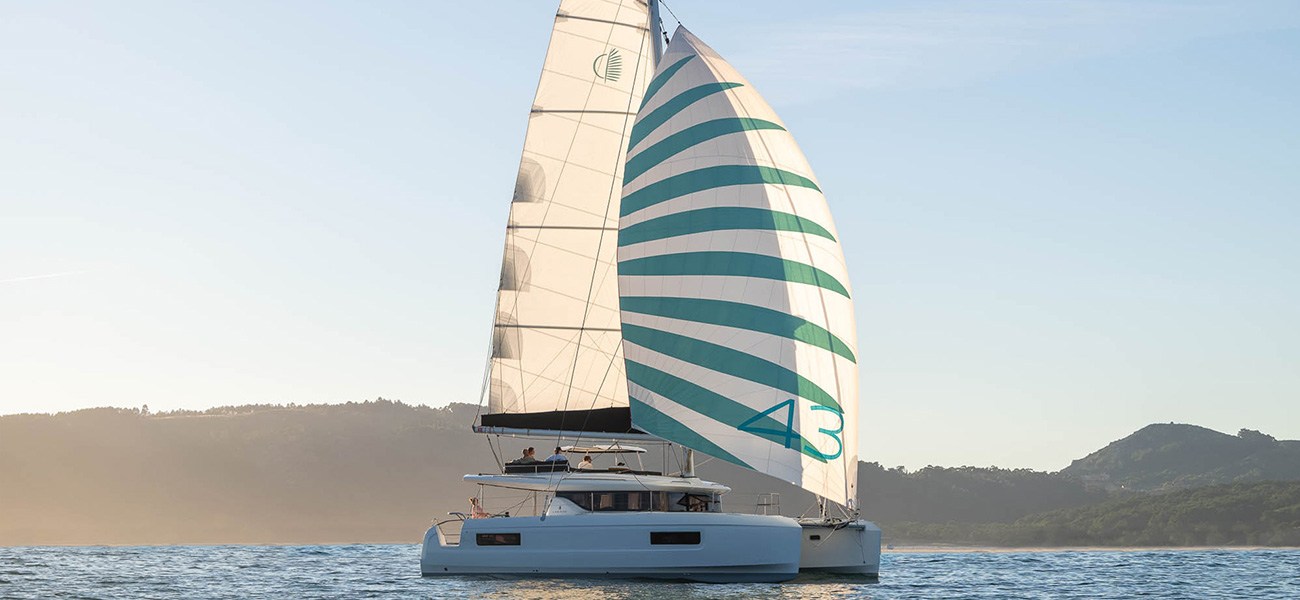
Newport Beach Golden Hour Specifics: Golden hour occurs one hour before sunset and after sunrise. The soft, warm lighting flatters both coastal vistas and marine subjects. Blue hour provides dramatic color transitions ideal for pier and harbor landmarks. Lower sun angles create longer shadows, adding depth to coastal compositions, perfect for capturing sunset sailing moments.
Which Weather Patterns Create Moodier Scenes?
Atmospheric conditions elevate standard scenes. Newport Beach's predominantly western winds (44% on November 1) average 6.2-7.2 mph, creating stable shooting platforms from yacht decks.
Key conditions to leverage:
Fog: Shoot backlit during dawn for depth layers and mystery
Mist: Post-rain mornings create soft halos; use ISO 400-800
Post-rain: Capture within 1 hour for saturated color and puddle reflections
Overcast: Rare but provides perfect soft, even lighting when it occurs
Where Should You Look for Reliable November Color?
Essential Newport Beach Locations
Color persists in protected coastal areas:
Crystal Cove State Park tide pools: Granite boulders and rock formations create compositional anchors; scout 2-3 days prior
Newport Beach Pier: Iconic sunset location with clean foregrounds and soft gradients; arrive hours before sundown
Harbor areas: Maritime elements provide foreground interest with boat reflections and mast geometries
Coastal advantages: Ocean temperatures drop from 65°F to 62°F throughout November, moderating air temperatures. Coastal Mediterranean climate maintains range between 45°F-82°F. Temperature moderation extends the color season compared to inland areas.
When In November Should You Shoot For The Best Light?
How Do Sunrise, Golden Hour, And Blue Hour Change In Late Fall?
Day length contracts significantly, compressing optimal shooting into concentrated windows:
Sample schedule:
5:30am - Arrive location
6:00am - Sunrise shoot begins
7:00am - Post-sunrise golden hour wraps
4:30pm - Pre-sunset golden hour starts
5:30pm - Sunset
6:15pm - Blue hour concludes
Key planning dates:
November 1: High 73°F, Low 57°F
November 11: High 71°F, Low 55°F
November 21: High 70°F, Low 52°F
November 30: High 68°F, Low 51°F
Timing, angles, and routes for best captures:
Timing: Golden hour, approximately one hour before sunset/after sunrise
Angles: Lower November sun creates longer shadows and softer contrast; prioritize side-lit and backlit coastal scenes
Routes: Newport Beach Pier at sunset, harbor viewpoints, yacht deck positions for unique water-level perspectives during adventure charters
Which Gear Choices Help You Render Autumn Color Accurately?
Circular polarizer: Cuts water surface reflections on 61-64°F water; crucial for glare management
ND filter: ND8 (3-stop) creates silky water effects in calm 6.2-7.2 mph wind conditions
Graduated ND: Balances bright sky during sunset; use 2-3 stop soft edge
How Should You Set Exposure For Fall Scenes?
What Settings Tame Wind, Water, And Low Light?
Scenario
Aperture
Shutter
ISO
Notes
Still leaves
f/8-f/11
1/125-1/250
100-200
Maximum sharpness
Breezy canopy
f/5.6-f/8
1/500-1/1000
200-400
Account for 6.2-7.2 mph winds
Water silky
f/11-f/16
1-4 sec
100
ND filter required
Handheld low light
f/2.8-f/4
1/125 min
800-3200
Use lens stabilization
Tripod blue hour
f/8-f/11
10-30 sec
100-200
Remote trigger essential
Should You Lock Kelvin or Trust Auto White Balance?
Lock Kelvin when:
Shooting series for panorama stitching (5200-5500K maintains consistency)
Golden hour scenes (6000-6500K preserves warm tones)
Blue hour (7000-8000K emphasizes cool twilight mood)
Kelvin Anchors for Newport Beach:
Midday sun: 5200-5500K
Golden hour: 6000-6500K captures warm coastal tones effectively
Blue hour: 7500-9000K depending on desired intensity
How Can You Compose Stronger November Photographs?
How Do Leading Lines and Layers Guide the Eye?
Apply compositional principles systematically:
S-curves: Follow shoreline curves, pier railings, or tide pool edges
Diagonals: Use yacht masts, shadows, and rock formations for dynamic flow
Foreground framing: Bracket scene with pier pylons or boat rigging
Layering distances: Include near (rocks), middle (boats), and far (horizon) for depth
Rule of thirds: Place horizons and key elements on grid intersections
Coastal Composition Elements: Granite boulders and rock formations at Crystal Cove State Park anchor foregrounds. Calm water (6.2-7.2 mph winds) enables reflection compositions. Explore scenic spots by catamaran for unique perspectives.
Low horizon (lower third): Showcases dramatic skies during sunset/sunrise; Newport Beach Pier silhouettes benefit from low placement
Centered horizon: Perfect reflection symmetry in calm water; harbor scenes with strong mirror images
What Are the Step-by-Step Actions for a Perfect Photo Outing?
Step 1: How Do You Shortlist Locations?
Broad map scan: Identify coastal access points within a 20-minute drive
Check local reports: Review weather data (9-hour sunshine windows, 0.6-inch rainfall)
Select backup sites: Choose alternates if the primary spot is crowded
Verify access: Confirm park hours, tide schedules, and parking
Calculate sun angles: Use PhotoPills or TPE for sunrise/sunset azimuths
Step 2: How Do You Build a Timed Shot List?
Stop
Subject
Best Light
Contingency
Sunrise point
Harbor reflections
One hour before sunrise
Move to pier if cloudy
Crystal Cove
Tide pools, reefs
Mid-morning side light
Shoot harbor if tide wrong
Newport Pier
Sunset, golden hour
One hour before sunset
Backup harbor viewpoint
Blue hour
Pier silhouette
30 min after sunset
Stay flexible for conditions
Step 3: How Do You Scout Compositions On Arrival?
Execute rapid assessment:
360° sweep: Identify all possible angles before committing
Foreground search: Find rocks, pilings, or tide pools to anchor compositions
Wind test: Set the tripod and monitor stability
Identify safety hazards: Note slippery rocks, wave zones
Step 4: How Do You Adapt Settings As Light Evolves?
These camera-ready tips ensure technical success:
Backlit conditions: Expose for highlights, increase shutter speed
Golden hour peak: Lock Kelvin 6000-6500K, bracket ±1 EV
Blue hour descent: Switch to tripod, extend shutter to 10-30 seconds
How Do You Photograph Marine Wildlife Ethically?
November offers exceptional marine life viewing opportunities:
Newport Beach Marine Wildlife:
Gray whales: Beginning annual migration in November
Blue whales: Present early November before heading south
Humpback whales: Year-round, particularly active in fall
Dolphins: Huge pods (bottlenose, common, Risso's) numbering hundreds to thousands
Sea lions: Abundant along the coast
Ethical practices:
Maintain 100+ yards from marine mammals, 50+ yards from birds
Use 200mm+ telephoto to avoid disturbing subjects
Capture environmental portraits showing animals in coastal habitat
Never bait or call; allow natural behavior
How Do You Edit November Images To Preserve True Color?
How Should You Set White Balance and HSL?
Preserve color integrity through disciplined adjustments:
White balance baseline: Start at 6000-6500K for golden hour; adjust ±200K maximum
HSL channel caps: Limit saturation adjustments to ±15 points per color channel
Orange/yellow caution: Never exceed +10 saturation; clipping occurs quickly
Vibrance over saturation: Vibrance protects skin tones and already-saturated colors
Golden Hour Color Preservation: Set baseline to 6000-6500K to accurately capture warm golden hour tones. Preserve soft, warm lighting characteristic of November coastal conditions.
When Do HDR Or Exposure Blending Make Sense?
Scene Type
Recommended Method
Notes
Sunset silhouettes
Single exposure, recover shadows
Preserve drama; don't flatten
Harbor reflections
Graduated ND filter
In-camera solution preferred
Blue hour cityscapes
5-bracket HDR
Long exposures allow multiple shots
What Should Be On Your Packing Checklist?
What Clothing Keeps You Warm Yet Dexterous?
Essential layers for 51-73°F temperature range:
Base layer: Merino wool or synthetic wicking shirt
Mid layer: Lightweight fleece or down vest; remove as temps climb
Shell layer: Windbreaker blocks coastal breeze without bulk
Liner gloves: Thin wool or synthetic; maintain dexterity for camera controls
Silica gel rotation: Replace packets monthly; salt air accelerates moisture
Quick Answers: Common November Photography Questions
Can You Get Great Color After Heavy Leaf Drop?
Newport Beach November Opportunities:
Coastal scenes maintain color through tide pool life, rock formations, and marine elements
Blue hour provides dramatic color transitions throughout the month
Marine wildlife viewing overlaps summer and winter species for diverse subjects
Harbor and pier scenes offer year-round compositional opportunities
How Do You Keep Your Hands Warm While Operating the Camera?
Morning shooting temps:
Prepare for 51-57°F during golden hour morning shoots
Use thin liner gloves for button operation
Chemical hand warmers in pockets warm hands between shots
Hands warm naturally as temperatures rise to 68-73°F by midday
What Do You Do If Your Weekend Turns Gray?
Newport Beach backup plans:
With 0.6 inches of average rainfall and ~290 hours of monthly sunshine, gray days are rare
When overcast, focus on soft-light harbor reflections and saturated color without harsh shadows
Use consistent winds (6.2-7.2 mph) for interesting flag and sail motion captures
How Can You Plan Your Next Outing?
Analyze your results:
Review November golden hour captures and note which specific times produced the best light quality
Build a location database with optimal shooting times for each spot
Practice bracketing techniques during calm wind days to prepare for challenging conditions
Experiment with white balance settings (6000-6500K) to develop signature warm coastal style
Next steps:
Schedule scouting mission 2-3 days before primary shoot
Create a shot list prioritizing golden hour at Newport Beach Pier and blue hour harbor reflections
Pack layered clothing for temperature ranges from 51°F to 73°F
Book weekday shoots when possible to avoid crowds at popular locations
Capture Your November Adventures
November in Newport Beach offers photographers an exceptional window with approximately 9 hours of daily sunshine, minimal rainfall, comfortable temperatures from the low 50s to the low 70s°F, and calm wind conditions ideal for both handheld and tripod work. The fall photo light quality, characterized by extended golden hour periods and dramatic blue hour transitions, creates perfect conditions for capturing coastal vistas.
Success comes from understanding specific timing, selecting proper angles, leveraging lower sun for longer shadows and softer contrast, and choosing routes showcasing diverse opportunities from the iconic pier to tide pools to harbor landmarks. The overlap of marine wildlife species, migrating gray whales, abundant dolphins, and sea lions, adds dynamic subjects to stunning coastal compositions.
Ready to capture Newport Beach from unique water-level perspectives? Experience the coast's fall beauty aboard a private sailing charter and discover photography angles impossible from shore. Contact Sail Newport Beach to plan your November photography adventure on the water.
Newport Beach Sailing Charters & Rentals specializes in captained charters, adventure charters and corporate events aboard beautiful yachts in Newport Beach, Catalina Island, and the Channel Islands.
A captained charter with Newport Beach Sailing Charters is different from any other boat charter you may have previously experienced. This can be a truly INTERACTIVE experience, if that is what you wish! If you would enjoy taking the wheel and driving the yacht, you will get the chance to do so. If you would like to get your hands on the lines and trim the sails, you will! Of course, if you prefer to just sit back, enjoy a drink, and have the captain take care of everything, we can do that too. The choice is YOURS!
HAVE A QUESTION?
To check pricing or make a reservation, please click “Book Now” in the upper right corner. If you have a question please give us a call at (800) 609-3203 or fill out the form below and we’ll get back to you shortly!
Newport Beach Sailing Charters & Yacht Rentals
201 E. Coast Hwy., Newport Beach, CA 92660
Newport Beach Sailing Charters & Yacht Rentals specializes in captained charters, adventure charters and corporate events aboard beautiful yachts in Newport Beach, Catalina Island, and the Channel Islands.