


Yacht charters have emerged as compelling alternatives to traditional family reunion venues, combining privacy with shared experiences. Multi-generational groups increasingly select marine environments where grandparents, parents, and children occupy the same vessel while pursuing different activities. The global yacht charter market reached USD 8.35 billion in 2024 and projects growth to USD 11.34 billion by 2030. This expansion reflects shifting preferences toward experiential travel and growing demand for family reunion yacht Newport Beach options accommodating diverse age groups.
Yacht charters eliminate scheduling conflicts inherent in shore-based reunions by creating a contained environment. Families control their itinerary, meal times, and activity intensity while professional crews manage logistics and safety. The vessel becomes both an accommodation and adventure platform, reducing the coordination burden that typically fragments multi-generational gatherings. This model proves effective for groups where mobility levels and energy preferences vary significantly.
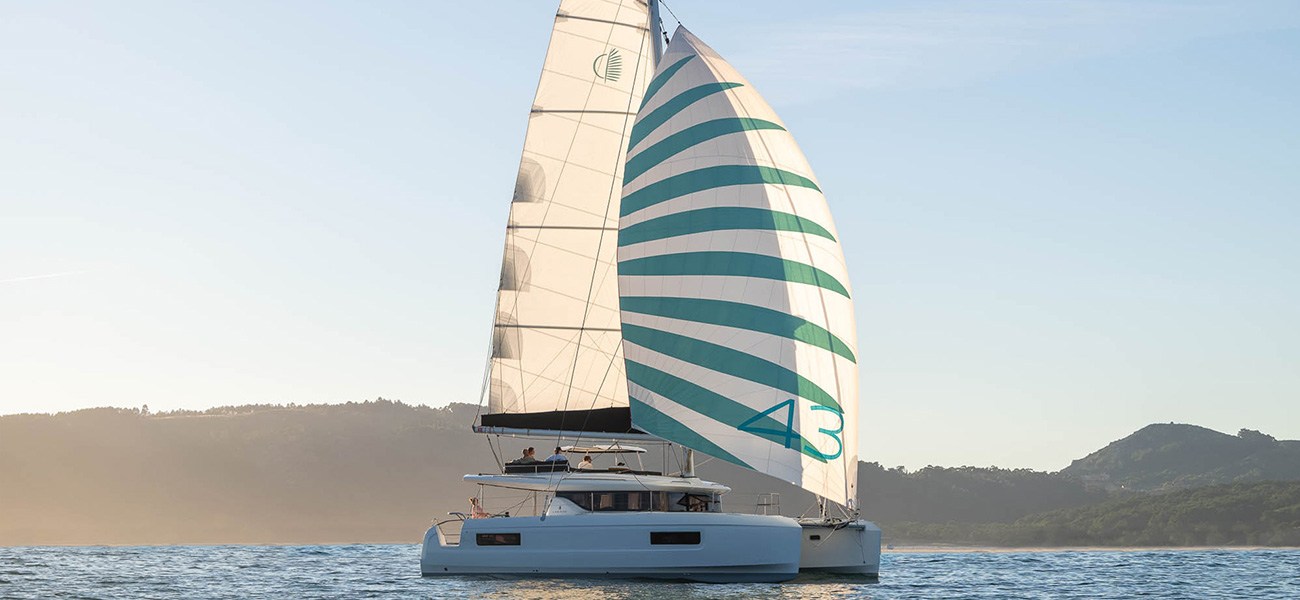
Catamarans deliver exceptional stability through twin-hull design, minimizing seasickness that disrupts family comfort. Their wide beam creates separate living zones where different generations pursue activities simultaneously without interference. Caribbean catamaran bookings increased 15% year-over-year in 2024, driven by families seeking spacious layouts with shallow draft access to secluded anchorages. These vessels consume less fuel than motor yachts while offering comparable amenities at lower operational costs.
Catamarans prove less nimble than monohulls when maneuvering in tight marina spaces or sailing upwind. Most catamaran sailboat rentals compensate through enhanced living space and reduced rolling motion. Motor yachts require a deeper draft, limiting access to shallow coves where families prefer swimming and snorkeling. Fuel efficiency differences become substantial on extended charters.
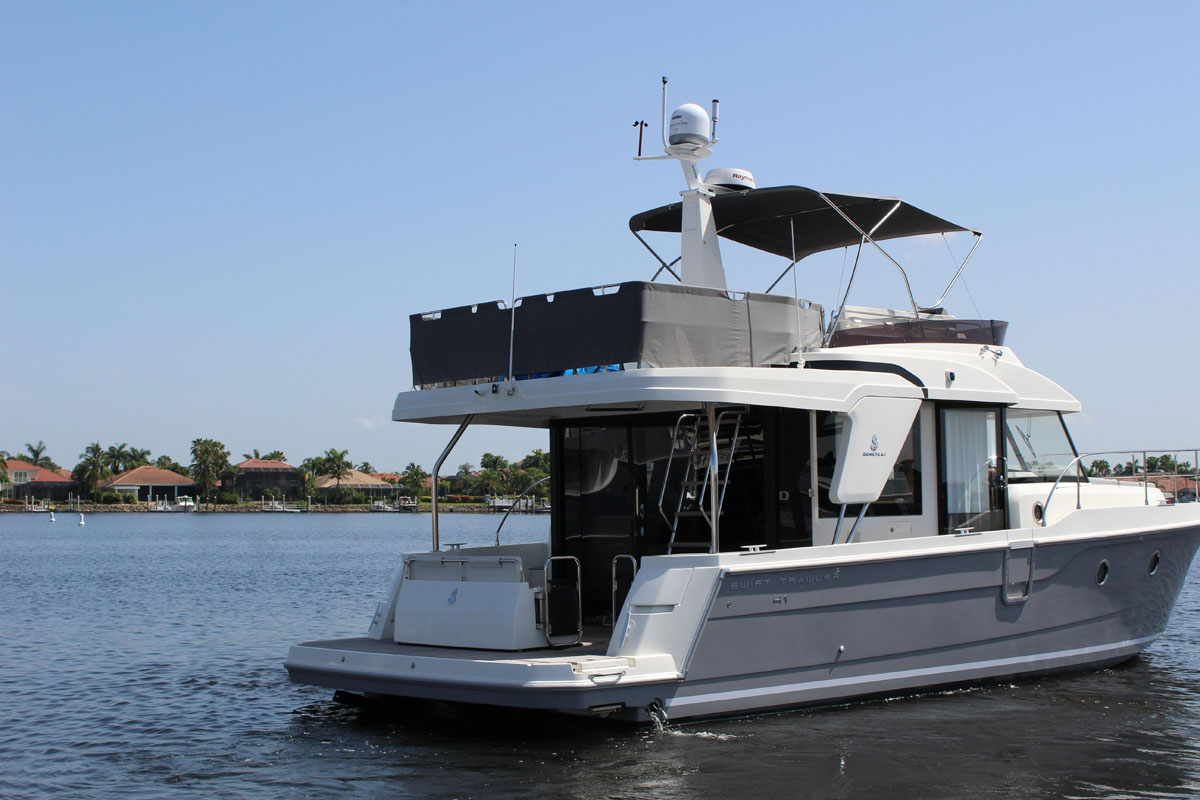
Motor yachts account for 87.3% of the total charter market share by vessel type. These vessels prioritize speed over sailing experience, enabling rapid transit between destinations when itinerary flexibility matters. Crewed charters represent 80.2% of the 2024 market, reflecting consumer preference for professional crew management. Motor yachts typically include advanced stabilization systems and climate-controlled interiors appealing to comfort-focused travelers.
Motor yachts carry larger environmental footprints through higher fuel consumption and emissions. Yacht charter types and experiences span from intimate sailing vessels to powered premium platforms. Speed advantages diminish on short-distance charters where catamarans offer superior deck space and stability. Motor yacht pricing typically employs APA models, adding 30-40% to base rates.
Bareboat charters involve renting vessels without crew, requiring charterers to demonstrate sailing qualifications. These arrangements cost 40-60% less than crewed options, appealing to experienced sailors seeking budget-friendly access. The bareboat segment grows at 4.2% CAGR as adventure-focused consumers prioritize independence. Charterers assume complete responsibility for navigation, safety, and provisioning.
Bareboat charters require significant sailing experience and comfort with marine systems troubleshooting. Families without qualified sailors benefit from captained vs bareboat arrangements where professional captains provide instruction while maintaining safety authority. Interactive sailing experiences offer educational value for teens and adults interested in seamanship development. This model bridges bareboat independence with crewed security, particularly valuable for a multi-generation sailing plan incorporating skill-building objectives.
Age-specific priorities create complex requirements when planning group charter family experiences across multiple generations. Children prioritize interactive activities and visible safety measures, while teens seek adventure and social engagement. Adults balance relaxation needs against family bonding objectives and budget constraints. Seniors focus on comfort, accessibility, and creating shared memories without physical strain.
Children ages 5-12 years assign 85% preference to family-focused charters emphasizing safety and interactive activities. Younger participants prioritize snorkeling, swimming, and exploration in controlled environments. Teens ages 13-18 years demonstrate 78% preference for adventure-focused charters featuring wakeboarding, tubing, and independence opportunities. Research indicates 74% of parents report their children love travel experiences, including hands-on participation.
Teen preferences shift toward activities providing social media content and peer-shareable experiences. Children require constant supervision and structured engagement, while teens benefit from scheduled independence within defined safety parameters. Both age groups respond positively to crew members explaining maritime skills and environmental context.
Adults ages 25-54 years show 75% interest in multi-generational charters, balancing relaxation with family bonding. This demographic manages budget considerations while coordinating diverse family member preferences. Research shows 92% of respondents plan to travel with children in the next twelve months. Average family travel spending increased 20% year-over-year to USD 8,052, reflecting a willingness to invest in quality experiences.
Beach vacations remain the most popular planned trip type, selected by 62% of families surveyed. Adults in this age range typically control booking decisions while incorporating input from children and senior family members. Planning requires balancing cost transparency with service quality across Newport Beach yacht charter costs and amenity levels. This group values flexible cancellation policies and clear communication about included services.
Seniors ages 55+ demonstrate 82% preference for multi-generational charters emphasizing comfort and shared experiences. Research indicates 71% of grandparents report taking multi-generational trips recently, with many planning future gatherings. This demographic prioritizes accessible boarding, comfortable shaded areas, and itineraries avoiding physically demanding activities. Seniors often fund family charters while expecting seamless logistics and attentive crew service.
Accessible boarding arrangements become critical for seniors with reduced mobility or balance concerns. Vessels must include comfortable seating with back support and climate-controlled interior spaces for rest periods. Seniors appreciate crew members facilitating intergenerational interaction without requiring constant participation. Shared meal experiences and scenic anchorage time often provide preferred bonding opportunities over water sports.
Charter selection requires evaluating safety standards, pricing transparency, and activity options aligning with family composition. Families prioritize vessels with documented safety equipment, experienced crew credentials, and child-specific protective measures. Pricing models significantly impact budget predictability, with all-inclusive approaches reducing financial uncertainty. Activity availability determines daily engagement levels across age groups with varying energy and interest profiles.
Safety and security rank at 95% importance among charter consumers, particularly those traveling with children. Families evaluate crew certifications, vessel maintenance records, and emergency protocol clarity before booking. Pre-charter safety briefings build confidence among inexperienced segments comprising 23% of prospective boat buyers. Seasickness affects family comfort significantly on less stable vessels, making hull design a practical safety consideration.
Interactive skills clinics provide value for families interested in basic seamanship knowledge and emergency preparedness. Charter operators should design experiences accommodating diverse mobility levels, from toddlers to seniors with physical limitations. Visible safety equipment placement and clear emergency procedure communication reduce anxiety among first-time charterers.
Pricing and affordability rank at 85% importance, with 73% of consumers citing cost as a barrier. All-inclusive pricing models include meals, fuel, and activities in the base rate, eliminating financial uncertainty. APA (Advance Provisioning Allowance) models charge fuel, food, and dockage separately, typically adding 30-40% to base costs. This pricing uncertainty creates decision friction for cost-conscious families planning yacht family events.
All-inclusive catamaran pricing typically ranges USD 540-800 per person daily for mid-range vessels. Motor yachts using APA models appear competitively priced initially but incur substantial additional charges. Transparent pricing communication reduces booking hesitation and distinguishes operators prioritizing customer clarity. Families appreciate detailed cost breakdowns showing exact inclusions versus optional expenditures.
Entertainment and activity options rank at 88% importance, while comfort and amenities score 82% among decision factors. Vessels must provide active water sports for teens alongside relaxation spaces for adults and safe play areas for children. Equipment variety determines daily engagement possibilities, from snorkeling gear to paddleboards and fishing tackle.
Kidfluence refers to children playing central roles in vacation planning, with 74% of parents reporting children actively participate in destination selection. Charter operators benefit from marketing materials showcasing specific activities visible to children during family planning discussions. Ability to customize daily schedules around weather and group energy adds value beyond fixed-itinerary alternatives.
Consumer segmentation reveals distinct buyer profiles with varying priorities, budgets, and experience levels influencing purchasing behavior. Approximately 35 million prospective boat buyers exist in the United States, divided into identifiable segments requiring tailored marketing approaches. Understanding these demographic patterns enables charter operators to align vessel offerings and communication strategies with high-probability customer profiles.
The Time-Pressed segment represents 20% of prospective boat buyers prioritizing convenience over cost considerations. Cost-Conscious consumers comprise 18% of the market, seeking value optimization through pricing comparison. The Inexperienced segment accounts for 23%, requiring educational support and confidence-building experiences. Sales-Ready consumers represent 19% of the market, demonstrating high purchase intent.
Each segment responds differently to marketing messages, pricing structures, and service offerings. Time-Pressed consumers value streamlined booking processes and comprehensive crew service, eliminating planning burden. Cost-Conscious buyers compare bareboat versus crewed pricing and seek off-season discounts. The Inexperienced segment benefits from interactive sailing experiences, providing skill development alongside traditional vacation enjoyment.
Children influence vacation planning decisions significantly, with 74% of parents reporting high child engagement in travel choices. Kids gravitate toward visual marketing content showcasing specific activities like snorkeling, wildlife encounters, and water sports. Family booking decisions increasingly incorporate child preferences alongside adult priorities. Marketing materials featuring age-appropriate activities and child-focused safety measures resonate more effectively than adult-only premium positioning.
Charter operators benefit from creating content accessible to children researching options alongside parents. Video demonstrations of onboard activities and destination highlights engage younger audiences more effectively than text descriptions.
The boat club segment grows at 12.4% CAGR, providing flexible access without ownership commitments. Time-Pressed consumers value membership models offering immediate availability without extensive planning responsibilities. Cost-Conscious buyers compare per-use costs between club memberships, bareboat charters, and occasional crewed experiences. Alternative access models reduce entry barriers for consumers seeking periodic yacht experiences without capital investment.
Flexible booking options, including half-day charters, appeal to time-constrained families testing charter experiences before committing to multi-day charters involving greater financial investment. Subscription models distribute costs across calendar years, reducing per-trip expenditure perception. Charter operators offering varied duration and pricing options capture broader market segments.
Value maximization requires comparing total costs across charter types and understanding how pricing structures affect final expenditure. Families benefit from analyzing per-person daily costs, including all meals, activities, and fuel, rather than comparing base rates alone. Vessel size selection should match actual space requirements rather than defaulting to larger categories. Seasonal timing and weekday bookings often provide identical experiences at significantly reduced rates.
Crewed catamarans cost USD 540-800 per person daily for mid-range vessels accommodating eight guests. Upscale all-inclusive resorts charge USD 500-1,200 per person daily for comparable service levels. Charter pricing includes private vessel access, customized itineraries, and exclusive crew attention unavailable in resort environments. Cost competitiveness improves when comparing privacy value and activity customization against resort constraints.
Resort costs exclude transportation between activity locations, while charters provide integrated accommodation and destination access. Families avoiding resort upselling for excursions and water sports rentals find charter all-inclusive models more predictable. Per-person economics improve on larger vessels when guest counts approach maximum capacity.
All-inclusive pricing bundles crew, fuel, meals, and standard activities into a single confirmed rate before departure. APA models add 30-40% to base rates through separate charges for provisioning, fuel consumption, and docking fees. Families using APA-based charters receive itemized expense reports but face budget uncertainty until final accounting. All-inclusive models eliminate financial surprises while simplifying pre-trip budgeting.
Motor yachts typically employ APA structures due to variable fuel costs based on usage patterns. Catamarans more commonly offer all-inclusive pricing reflecting predictable fuel efficiency and standardized provisioning costs.
Entry catamarans measuring 45-50 feet cost USD 2,400-3,400 daily base rate. Mid-range catamarans spanning 55-62 feet range from USD 4,300-6,400 daily with enhanced space and amenities. Mid-range motor yachts measuring 60-80 feet cost USD 2,850-3,570 daily base rate plus APA expenses. Larger catamarans exceeding 65 feet command USD 9,300-18,600 daily, while premium motor yachts charge USD 5,000-11,400 daily base rates.
Budget-conscious families achieve value by selecting appropriately sized vessels rather than oversized categories with unused capacity. Shoulder-season bookings and weekday charters reduce rates significantly compared to summer weekend peak pricing. Bareboat options cost 40-60% less than crewed equivalents for families with qualified sailors. Some operators offer shared charters where families book individual cabins, further reducing per-person costs.
Strategic planning transforms standard charters into memorable multi-generational experiences satisfying diverse age-group priorities simultaneously. Successful charters integrate safety emphasis, activity variety, and flexible scheduling allowing different generations to pursue preferred experiences. Marketing strategies highlighting family-specific features and transparent pricing attract target demographics more effectively than generic premium positioning.
Marketing materials should prominently feature crew certifications, vessel safety equipment, and child-specific protective measures addressing the 95% safety priority. Pre-charter safety briefing descriptions build confidence among inexperienced families uncertain about marine environment risks. Educational content explaining weather monitoring, emergency protocols, and crew training demonstrates professional competence.
Visual safety equipment demonstrations and crew qualification transparency differentiate quality operators. Interactive skills clinics mentioned in marketing materials appeal to families viewing charters as educational opportunities. Content showing children in proper life jackets and demonstrating age-appropriate safety procedures reassures cautious parents.
Multi-generational packages require vessels with separate living zones accommodating simultaneous different activities. Accessible boarding features and comfortable shaded areas address senior mobility and comfort priorities. Active water sports equipment satisfies teen adventure preferences while gentle snorkeling gear serves younger children safely. Flexible meal timing and menu customization accommodate dietary restrictions and varying appetite schedules.
Package inclusions should specify child safety equipment, activity instruction availability, and mobility accommodation details. Itinerary flexibility allowing daily schedule adjustments based on group energy and weather, adds value. Professional photography services capture family moments without requiring participants to manage documentation personally.
Marketing content should showcase specific activities resonating with different age groups within target family units. Visual materials depicting grandparents, parents, and children engaged simultaneously in complementary activities demonstrate multi-generational suitability. Testimonials from actual family charters provide authentic social proof more effectively than generic premium descriptions. Content addressing specific pain points like seasickness management, child supervision, and senior accessibility builds credibility.
Digital marketing should include child-accessible content formats since kidfluence drives 74% of family vacation planning engagement. Video content showing underwater footage, wildlife encounters, and onboard activities engages younger audiences researching options alongside parents.
Local market positioning requires understanding regional preferences and competitive differentiation based on accessible cruising destinations and service models. Newport Beach offers access to Laguna Beach, Catalina Island, and the Channel Islands within reasonable cruising distances. Market capture depends on aligning charter types with demonstrated consumer preferences while maintaining pricing competitiveness. Strategic positioning emphasizes transparent pricing, professional crew expertise, and customizable experiences addressing documented family priorities.
The global yacht charter market's USD 8.35 billion 2024 valuation and projected USD 11.34 billion 2030 value indicate sustained 5.2% CAGR growth. North American markets account for 14.63% of global charter revenue, with Southern California representing significant regional concentration. The US recreational boating industry generates a USD 230 billion annual economic impact, supporting over 812,000 jobs.
Crewed catamaran offerings align with the 15% year-over-year Caribbean booking growth, demonstrating family preference for stability and space. Motor yacht options serve the 87.3% market share segment, prioritizing speed and premium amenities. Interactive sailing experiences with professional captains capture the growing educational adventure segment.
Flexible duration options from three-hour harbor cruises to five-day extended adventures accommodate varying schedule constraints and budget levels. Half-day introductory charters reduce commitment barriers for families testing yacht experiences before booking, planning tips for perfect Newport Beach yacht charters involving greater investment. Weekday availability and shoulder-season pricing attract cost-conscious segments seeking value optimization. Direct booking, eliminating third-party commissions, reduces total costs while maintaining operator revenue margins.
Membership or subscription models provide periodic access without per-trip planning burden, appealing to time-pressed segments. Customizable packages allowing families to select specific activity inclusions rather than accepting predetermined bundles increase perceived value. Transparent cancellation policies reduce booking risk for families coordinating multiple schedules.
Transparent pricing communication eliminates the 73% affordability barrier through clear cost breakdowns before booking commitment. Detailed crew credential disclosure addresses the 95% safety priority through verifiable professional qualifications. Customer testimonial specificity, naming actual crew members and describing particular experiences, builds authentic credibility. Direct communication channels providing consultation access before booking demonstrate confidence and customer-centric service orientation.
Visual documentation of actual vessels, crew, and typical experiences prevents expectation mismatches, undermining satisfaction. Educational content explaining charter processes, safety protocols, and activity options reduces uncertainty among inexperienced segments. Responsive communication throughout booking and charter processes builds trust. Operators prioritizing how to choose a yacht charter company transparency differentiate effectively in markets where competitors obscure pricing and service details.
Multi-generational yacht charters successfully combine diverse age-group priorities through thoughtful vessel selection, activity planning, and transparent pricing structures. Families achieve memorable reunion experiences by selecting catamarans for stability, ensuring safety protocols satisfy all participants, and choosing all-inclusive pricing, eliminating financial uncertainty. Market growth demonstrates sustained consumer preference for experiential travel combining privacy, customization, and professional service. Charter operators addressing documented family priorities through specialized packages and transparent communication capture expanding market segments.
Newport Beach Sailing Charters understands that successful family reunions require balancing grandparents' comfort needs with children's activity demands. Their customizable approach allows families to design experiences matching their unique multi-generational composition. Professional crew expertise and diverse fleet options ensure appropriate vessel selection for varying group sizes and preferences.
Ready to plan your multi-generational yacht adventure? Contact us to discuss your family’s specific needs and discover how customized charter experiences create lasting memories across all generations.
Bringing three generations together should feel like the best part of the trip, not the hardest part to plan. Newport Beach Sailing Charters & Yacht Rentals gives your family a private yacht, a custom itinerary, and a professional crew that handles every detail, so grandparents can settle into a shaded deck while the kids snorkel and the teens take a turn at the helm. You decide the pace, the route, and the moments worth slowing down for, whether that means a calm harbor cruise, a sunset sail along the coast, or a multi-day adventure to Catalina Island.
Book directly with us and lock in our lowest rate guarantee with no booking fees, no hidden costs, and no shared decks. Your charter, your guests, your day. Reach out to our team at Newport Beach Sailing Charters & Yacht Rentals and start designing the reunion your family will be telling stories about for years.