

Family yacht charters combine luxury travel with private recreational water experiences. The global yacht charter market reached USD 9.69 billion in 2026 and continues expanding as families seek exclusive vacation alternatives. Parents considering yacht charters must understand vessel categories, safety protocols, and age-appropriate amenities before booking with children.
Newport Beach provides an ideal location for family yacht charters with protected harbor conditions and accessible coastal cruising. Understanding safe, fun, and spacious charter options helps parents make informed decisions about family yacht safety priorities.
Key Takeaways
Family yacht charters are professionally managed vessel rentals specifically equipped with child-friendly amenities and safety features for multi-generational groups. These charters differ from standard rentals through enhanced safety protocols, age-appropriate entertainment, and crew training for supervising children aboard.
Charter operators customize vessels with safety netting, designated child activity areas, and Coast Guard-approved flotation devices sized for young passengers. Professional crews trained in pediatric first aid provide constant supervision during activities, creating secure environments where families enjoy maritime experiences without constant anxiety about water hazards.
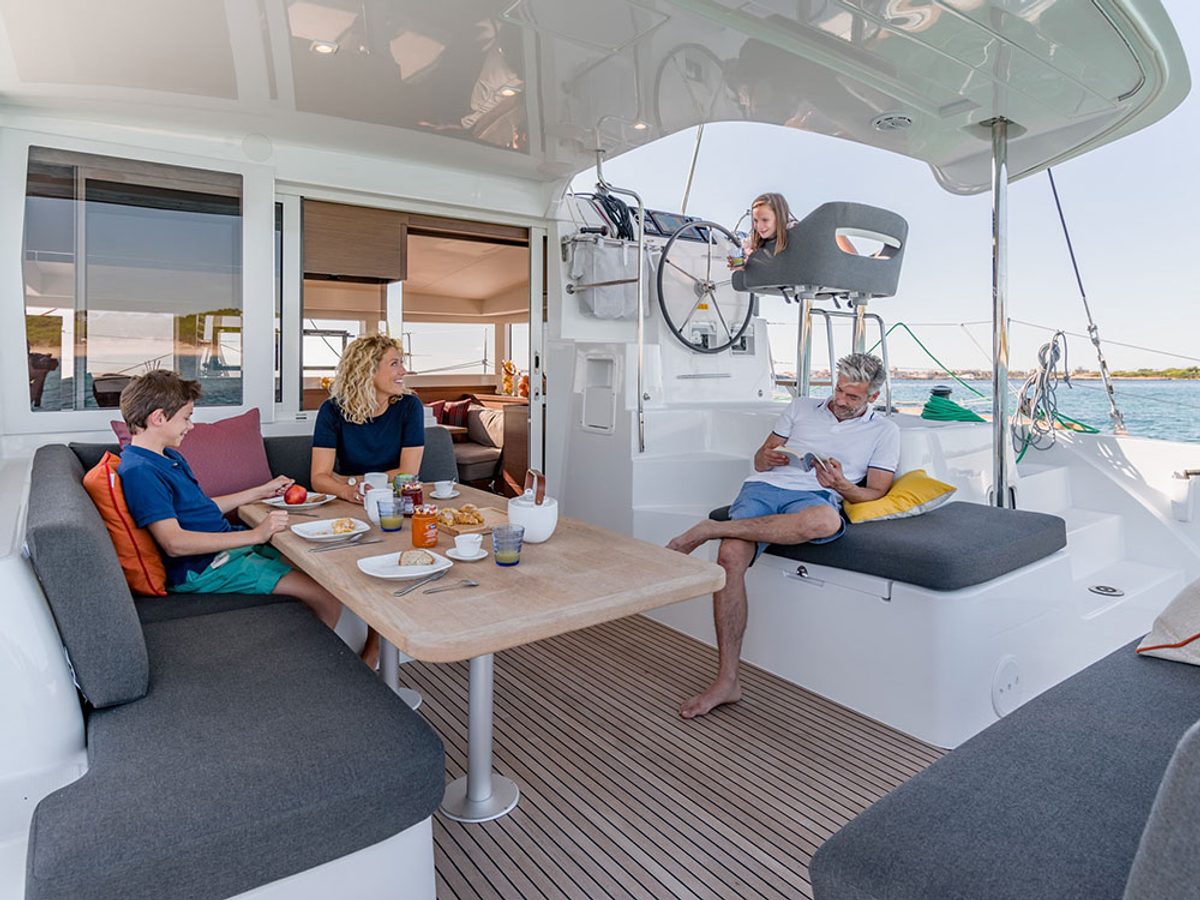
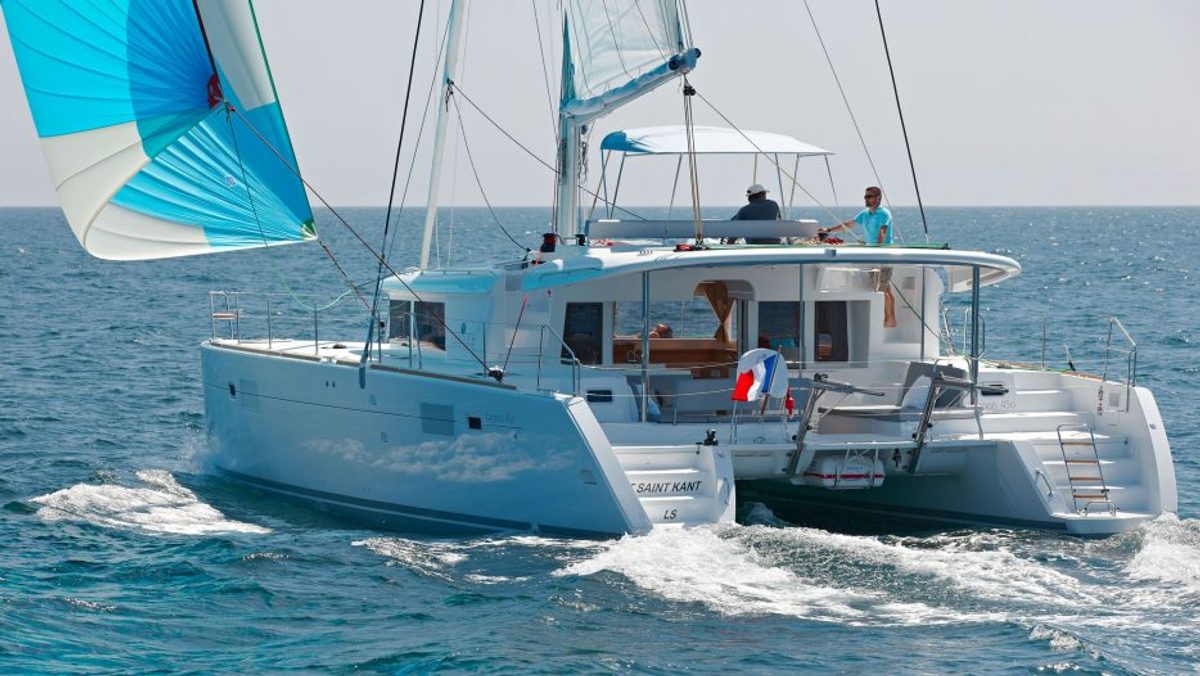
Catamarans offer exceptional stability through a dual-hull design that reduces seasickness in children and elderly passengers. The wide beam creates expansive deck areas for supervised play and protected outdoor spaces separated from immediate water access. Motor yachts deliver faster travel times and comfortable cabin configurations with private bathrooms for each family unit.
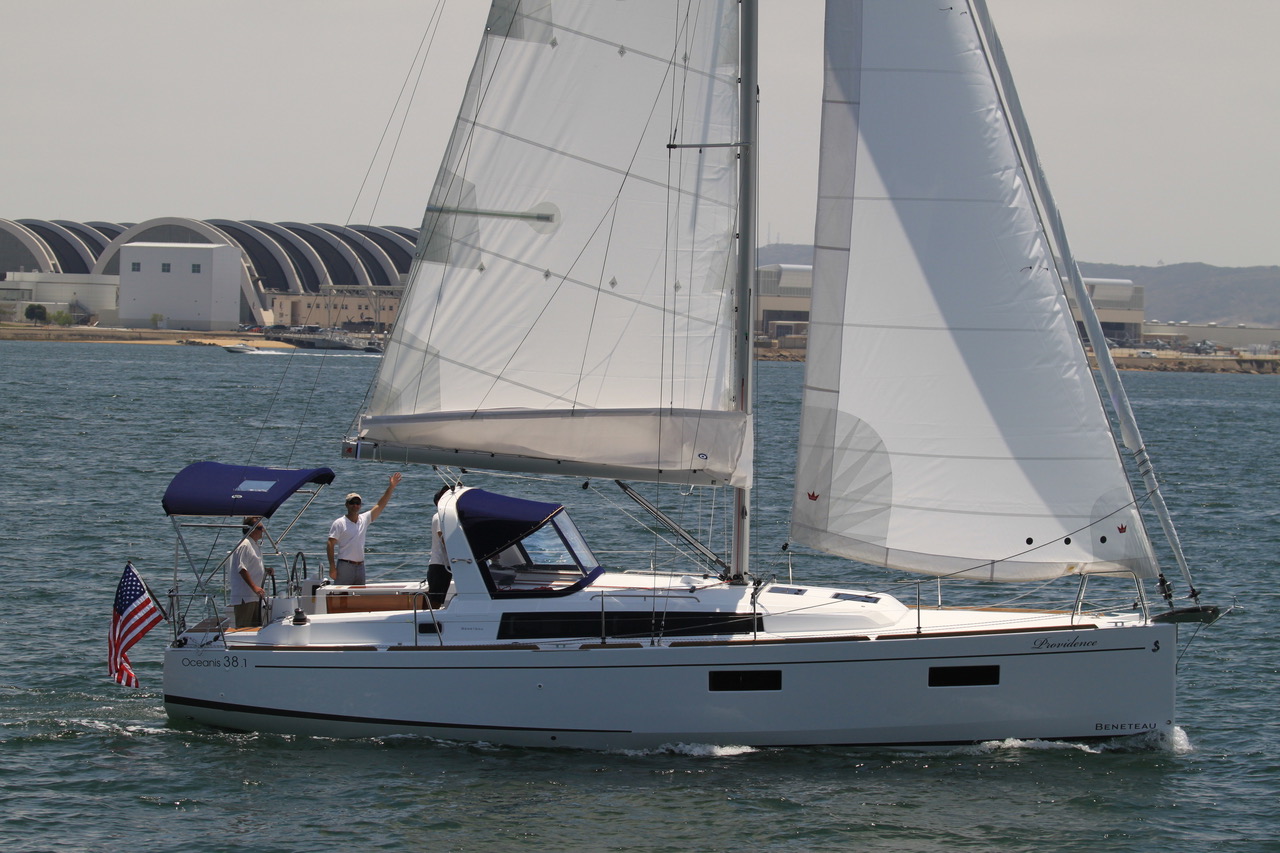
Sailing yachts provide the most affordable charter option with flexible scheduling and authentic maritime experiences. Their lighter construction and wind-powered propulsion create quieter environments compared to motor vessels. However, sailing yachts require more physical participation and offer less interior space than motor yachts or catamarans.
Crewed charters include a professional captain and crew who handle all navigation, meal preparation, and vessel operations. This arrangement eliminates technical sailing knowledge requirements and allows parents to focus entirely on family activities. Crew members provide additional supervisory personnel for child safety monitoring during water sports and beach excursions.
Bareboat charters operate as self-drive rentals without professional crew assistance. These options suit experienced sailors with demonstrated navigation skills and recognized boating certifications. Bareboat arrangements provide schedule independence but place full responsibility for child supervision and emergency response on the chartering family.
Full-boat netting installation creates physical barriers preventing children from accessing unprotected deck edges and water entry points. Professional installers secure netting systems to stanchions and railings using marine-grade materials resistant to saltwater corrosion and UV degradation. These barriers remain in place throughout the charter, eliminating gaps where young children might slip through standard railings.
Safety gates partition interior cabin areas from exterior decks and companionway stairs where children could fall or exit unsupervised. Coast Guard-approved life jackets in infant, toddler, and youth sizes must be available for all child passengers. Charter operators maintain properly fitted flotation devices and require their use during all on-deck activities and water excursions for passengers under age 13.
Safety concerns dominate parental decision-making because maritime environments present unique hazards not encountered in land-based vacations. Water proximity creates constant drowning risk, while moving vessels introduce balance challenges and potential fall injuries. Parents booking yacht family travel Newport experiences must evaluate comprehensive safety equipment, yacht charters, and crew training protocols before committing.
Research demonstrates that inexperienced charter clients prioritize safety at 32% relative importance, exceeding service quality, accessibility, and program variety in booking decisions.
Drowning claims 236,000 lives annually worldwide and represents the third leading cause of unintentional injury death. Children under age 5 face the highest drowning risk due to limited swimming ability and inability to recognize water hazards. Maritime environments intensify these dangers through constant water proximity, moving vessel platforms, and unpredictable wave action.
The U.S. Coast Guard reports that 84% of recreational boating drowning victims were not wearing life jackets at the time of the accidents. This underscores the critical importance of consistent flotation device use rather than relying solely on swimming ability or parental supervision.
Inexperienced tourists prioritize safety at 32%, followed by service at 28%, accessibility at 22%, and program variety at 18%. This hierarchy reflects first-time charterers' unfamiliarity with maritime environments and concerns about protecting children in unfamiliar settings. Parents will sacrifice amenities, location convenience, and entertainment options to secure child protection.
Experienced tourists demonstrate different priorities, ranking program variety first at 28%, service at 26%, safety at 24%, and accessibility at 22%. Veterans of maritime travel develop confidence in safety protocols and shift focus toward experience quality. However, safety remains within four percentage points of top priority even for experienced families.
SOLAS regulations stipulate that yachts carrying more than 12 guests are legally considered passenger vessels subject to commercial maritime standards. This threshold triggers mandatory compliance with stringent construction requirements, emergency equipment specifications, and crew certification standards exceeding recreational vessel rules.
Yachts exceeding the 12-guest threshold must install commercial-grade firefighting systems, maintain expanded life raft capacity, and employ licensed crew with advanced maritime certifications. These enhanced standards significantly increase operational costs but provide superior safety margins for large family groups.
Market expansion creates increased vessel availability and competitive pricing that makes yacht charters accessible to middle-income families. The global charter market projects growth from USD 9.69 billion in 2026 to USD 18.20 billion by 2034, representing an 8.19% compound annual growth rate. This expansion drives innovation in family-focused amenities, safety equipment, and crew training programs tailored for multi-generational groups.
Growing demand attracts new operators who specialize in family charters and develop vessels specifically designed for child safety and comfort. The average yacht charter client age sits between 40 and 50 years old, precisely matching peak family formation demographics.
Daily and short-duration charters lasting 3-4 days are growing at 11.39% CAGR through 2030, driven by time-constrained families seeking weekend luxury experiences. These abbreviated trips reduce total costs while maintaining premium amenities and provide introductory yacht experiences for families hesitant to commit to week-long charters. Urban coastal markets like Newport Beach particularly benefit from this trend.
The cabin charter segment grows at 9.82% CAGR by allowing families to share vessels rather than chartering entire yachts. This model reduces per-family costs while maintaining professional crew service and safety oversight comparable to full-vessel charters. The average charter client age is projected to drop from 40-50 currently to 35-45 over the next 20 years as younger professionals prioritize experiential travel.
Europe accounts for 45% of the global yacht charter market share, with Mediterranean destinations dominating summer family bookings. North America is projected to reach USD 1.66 billion by 2032 as California and Florida coastal markets expand. Asia-Pacific represents the fastest-growing regional market as emerging wealthy families embrace Western-style luxury travel.
Post-pandemic travel patterns show 92% of parents plan to travel with families, with over 50% organizing multi-generational trips including grandparents and extended family. This demographic shift drives demand for larger vessels with multiple cabin configurations serving diverse age groups.
Daily and short-duration charters eliminate the week-long commitment and substantial advance planning required for traditional yacht vacations. Families can experience maritime travel through day charters lasting 3-8 hours without arranging extended time off work or school. These abbreviated experiences serve as low-risk introductions to yacht travel, with 40% of charter clients being first-time charterers who later book longer trips.
Cabin charter arrangements allow families to reserve individual staterooms on shared vessels rather than chartering entire yachts. This model dramatically reduces per-family costs while maintaining access to professional crews and full-service amenities. Shared charters particularly appeal to single-parent families or smaller family units wanting supervised yacht experiences without bearing the full financial burden.
Professional family yacht charters maintain comprehensive safety equipment exceeding minimum regulatory requirements, including age-specific life jackets, medical supplies, and emergency communication devices. Charter operators must demonstrate equipment condition and provide safety briefings covering emergency procedures before departure. Parents should verify that crews maintain current first aid certifications and that vessels carry pediatric medical supplies.
Safety protocols establish clear rules for child supervision, deck access restrictions, and mandatory life jacket use during specific activities. Well-managed charters designate crew members responsible for monitoring children during water sports and beach excursions.
Safety education and equipment provision are required components of responsible family charter operations before vessels depart. Crew members must conduct age-appropriate safety briefings explaining life jacket use, emergency assembly points, and basic overboard prevention strategies. Children should practice donning life jackets and understand when flotation devices must be worn.
Professional charter operators maintain supervision ratios appropriate for passenger ages, typically requiring one crew member per four children under age 8 during water activities. These standards exceed typical parental supervision capabilities. Dedicated crew supervision allows parents to enjoy charter experiences while trained professionals maintain constant visual contact with young children.
Full-boat netting systems attach to existing yacht railings using tensioned lines and stanchion mounts that create continuous barriers along deck perimeters. Professional installers customize netting configurations for specific vessel designs, ensuring no gaps exist where small children could slip through standard safety railings. Marine-grade netting materials withstand constant saltwater exposure and UV radiation.
Safety gates partition interior companionways and cabin stairs, preventing unsupervised children from accessing exterior decks during nighttime hours or heavy weather conditions. Crew members control gate access and establish clear rules about when children may move freely versus when they must remain in designated interior areas.
LOOKOUT uses AI algorithms to identify and track buoys, debris, vessels, and marine wildlife in real-time, significantly enhancing situational awareness. This computer vision system processes camera feeds and alerts crew members to potential collision hazards before human operators visually detect approaching objects.
Personal Locator Beacons and smart wearable safety technology are becoming standard equipment on premium family charters. These devices transmit GPS coordinates if wearers fall overboard, enabling immediate rescue responses. Wearable monitors can also track children's locations aboard vessels and alert crew if young passengers enter restricted areas or approach unprotected deck edges.
Vessel selection depends on family size, children's ages, sailing experience level, and budget constraints. Parents must balance the desire for crew service against the cost premium of fully crewed vessels compared to bareboat options. When comparing catamaran vs monohull designs, families should consider stability benefits, cabin configurations, and deck space allocation.
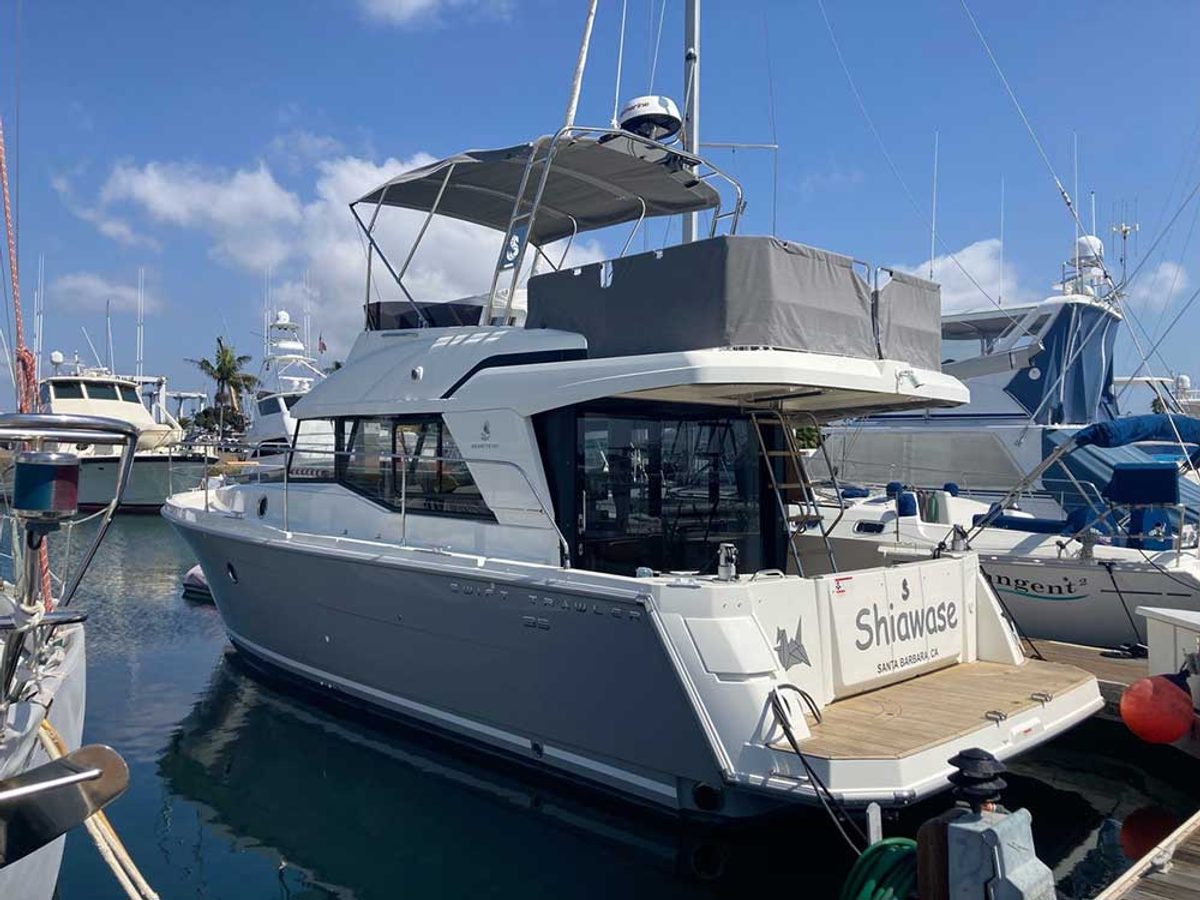
The decision between motor and sailing propulsion affects travel speed, fuel costs, and experience character. Motor yachts provide climate-controlled interiors and faster transit but generate noise and vibration. Sailing vessels offer quieter, more traditional experiences but require greater passenger participation and tolerance for slower speeds.
Crewed motor yachts command 35-40% market share and range from USD 33,000 to USD 110,000 weekly. Professional crews handle all navigation, meal preparation, and housekeeping while providing expert supervision for children during water activities. The full-service model eliminates operational responsibilities and allows parents to focus entirely on family time.
Higher cost represents the primary disadvantage as crewed motor yacht charters typically exceed bareboat sailing options by 500-1000%, depending on vessel size and season. Families sacrifice independence and schedule flexibility since professional captains determine anchorage selections and travel timing based on weather conditions.
Bareboat motor yachts hold 25-30% market share at USD 5,500 to USD 22,000 weekly, offering a middle-ground option for families with boating experience. These vessels require demonstrated navigation skills and valid boating licenses. No crew support means parents assume full responsibility for navigation, safety monitoring, and emergency response, making bareboat charters suitable only for competent sailors.
Bareboat sailing yachts represent 13-15% market share at USD 2,200 to USD 11,000 weekly, providing the most affordable charter category. These vessels require significant sailing skills as wind-powered propulsion demands constant attention to sail trim, weather patterns, and navigation. The cost savings allow extended charter periods, but families must honestly assess whether parents can simultaneously manage sailing operations and maintain adequate child supervision.
Crewed catamarans command 15-20% market share at USD 22,000 to USD 88,000 weekly and represent the fastest-growing family charter segment. The dual-hull design provides exceptional stability that dramatically reduces seasickness compared to monohull vessels. Wide beam dimensions create expansive deck areas separated from immediate water access.
Multiple cabin configurations provide private staterooms for each family unit in multi-generational charters. The shallow draft allows access to protected anchorages and beaches unsuitable for deeper-keeled monohulls, expanding itinerary options. Professional crews manage all sailing operations while supervising water activities, combining stability and space benefits with full-service convenience that particularly appeals to first-time charterers seeking parental charter tips.
Charter pricing varies substantially based on vessel size, crew requirements, seasonal timing, and regional operating costs. Understanding Newport Beach yacht charter costs helps families set realistic budgets. The advertised charter fee represents only 67-80% of total vacation costs, with remaining expenses covering fuel, provisions, port fees, and crew gratuities.
Families must evaluate cost-per-person daily rates rather than focusing solely on total charter fees. A USD 44,000 weekly crewed catamaran accommodating eight passengers costs USD 786 per person daily, potentially offering better value than smaller bareboat options.
Motor yachts generate 87-90% of charter revenue despite representing smaller volume percentages due to premium pricing. These vessels command higher rates through faster cruising speeds, luxurious interior appointments, and typically include professional crew service. The 20-50 foot vessel segment accounts for 62-65% of bookings by volume, primarily serving small families.
Superyachts represent a 10-15% market share at USD 100,000 to USD 1,000,000+ weekly for vessels exceeding 100 feet. These ultra-luxury options include dedicated crew teams with captains, chefs, stewardesses, and engineers providing resort-level hospitality.
APA adds 20-50% to the base charter fee, depending on vessel type, and covers fuel, food, beverages, port fees, and other variable expenses. Charter companies collect APA deposits before departure and maintain detailed accounting of expenditures. Unused APA funds return to charterers after final accounting, while families who exceed their allowance must pay additional amounts.
Motor yacht APA typically reaches 30-40% of charter fees due to substantial fuel consumption. Sailing vessels require lower APA percentages since wind propulsion eliminates most fuel costs. Families can control APA expenses through provision choices, selecting moderately priced wines and groceries.
The average family spent USD 8,052 on travel in 2024, representing a 20% increase from the previous year and indicating a growing willingness to invest in quality experiences. This budget baseline suggests week-long bareboat sailing charters fall within reach for upper-middle-income families. However, crewed motor yacht options at USD 33,000+ weekly remain accessible primarily to high-net-worth families.
Day charters and short-duration trips provide cost-effective alternatives for families wanting professional crew safety benefits without week-long financial commitments. A 6-hour crewed catamaran charter accommodating eight passengers typically costs USD 1,200-2,400, translating to USD 150-300 per person. These abbreviated trips allow families to assess yacht travel appeal while maintaining full safety protocols and crew supervision that parents prioritize.
Preparation begins 4-12 months before departure, with 75% of yacht charters reserved within this advance booking window. Early planning allows families to research appropriate vessel categories, compare operator safety records, and arrange necessary travel logistics. Parents should create comprehensive charter checklists covering documentation requirements, packing considerations, and pre-departure safety discussions with children.
Physical preparation includes ensuring children can swim competently and feel comfortable in aquatic environments. Families with very young children or non-swimmers should discuss additional safety measures with charter operators. Medical preparation requires packing pediatric medications, reviewing crew first aid capabilities, and understanding evacuation procedures if serious injuries occur.
First-time charterers should understand that yacht travel differs substantially from hotel-based vacations through confined living spaces and constant motion that affects sleep patterns. Children require time to adjust to the maritime environment and may initially experience anxiety about water proximity or vessel movement.
Charter agreements specify cancellation policies, insurance requirements, and damage liability that families must understand before signing contracts. Professional operators require security deposits covering potential vessel damage beyond normal wear, with amounts typically ranging from USD 2,500 to USD 25,000. Families should verify crew qualifications by requesting captain licenses, first aid certifications, and references.
Establishing clear rules before departure helps children understand behavioral expectations and safety boundaries aboard yachts. Parents should designate specific on-deck areas where children may play unsupervised versus restricted zones requiring adult accompaniment. Consistent enforcement of life jacket requirements creates habits children follow automatically.
Water activity supervision requires designated adults focused exclusively on monitoring children rather than participating themselves. The buddy system pairs children together with instructions to remain within visual contact at all times during swimming or snorkeling. Professional crews can provide dedicated supervision during water sports, freeing parents to participate while trained personnel maintain safety oversight.
Professional crews on superyachts include captains handling navigation, chefs preparing meals, stewardesses managing housekeeping, and engineers maintaining mechanical systems. This specialized team structure ensures safety monitoring never competes with operational requirements. Dedicated stewardesses can supervise children during meal preparation or recreational activities, providing parents with respite.
Smaller crewed vessels typically operate with captain-and-mate teams where the captain handles navigation while the first mate assists with deck operations, meal service, and passenger supervision. These two-person crews manage vessels up to 60 feet effectively while providing adequate safety oversight for family groups with school-age children.
Successful family yacht charters balance comprehensive safety protocols with engaging experiences that create lasting memories. Parents who thoroughly research vessel options, verify crew qualifications, and prepare children for maritime environments report higher satisfaction than those who book impulsively. The intersection of professional supervision, age-appropriate activities, and proper safety equipment creates environments where families can genuinely relax.
The growing availability of family-focused charter options in markets like Newport Beach democratizes access to maritime experiences previously limited to ultra-wealthy families or experienced sailors. Modern safety technologies, improved crew training standards, and purpose-built family vessels have made yacht charters safer and more accessible than any previous period. Families who choose the perfect sailboat for their specific needs while prioritizing safety create foundations for successful introductions to maritime travel that often develop into lifelong family traditions.
Newport Beach Sailing Charters has helped numerous families create safe, memorable experiences through professional captained service and carefully maintained vessels. The combination of local expertise, flexible itineraries, and commitment to family yacht safety has made these charters popular among both first-time charterers and experienced sailing families returning for repeat voyages. Parents can explore diverse family-friendly activities while professional crews maintain constant safety oversight, creating worry-free environments where children and adults alike can fully enjoy Southern California's exceptional coastal waters.
Ready to plan your family's safe and unforgettable yacht charter experience? Contact our team to discuss vessel options, safety protocols, and customized itineraries designed specifically for your family's needs and priorities.