

Blue whale season transforms Newport Beach into a premier destination for marine wildlife observation from February through April. Migrating blue whales travel along the California coast, creating opportunities for yacht-based encounters with the largest animals on Earth. Spring whale charters combine luxury vessel accommodations with expert marine biology guidance for unforgettable wildlife experiences.
Key Takeaways
Blue whale season drives economic activity and supports conservation awareness through responsible wildlife viewing programs. Marine wildlife tours hold nearly 40% of the marine tourism market share, with whale watching representing a cornerstone activity. Whale watching tourism was valued at USD 2.14 billion to USD 3.1 billion in 2024 globally. The sector is projected to reach USD 4.32 billion by 2033 with an 8.1% CAGR.
Newport Beach benefits directly through increased charter bookings and extended visitor stays during peak season. Migration concentrates blue whale sightings in Newport in accessible coastal waters, attracting domestic and international travelers. The combination of education, conservation messaging, and adventure creates value beyond sightseeing.
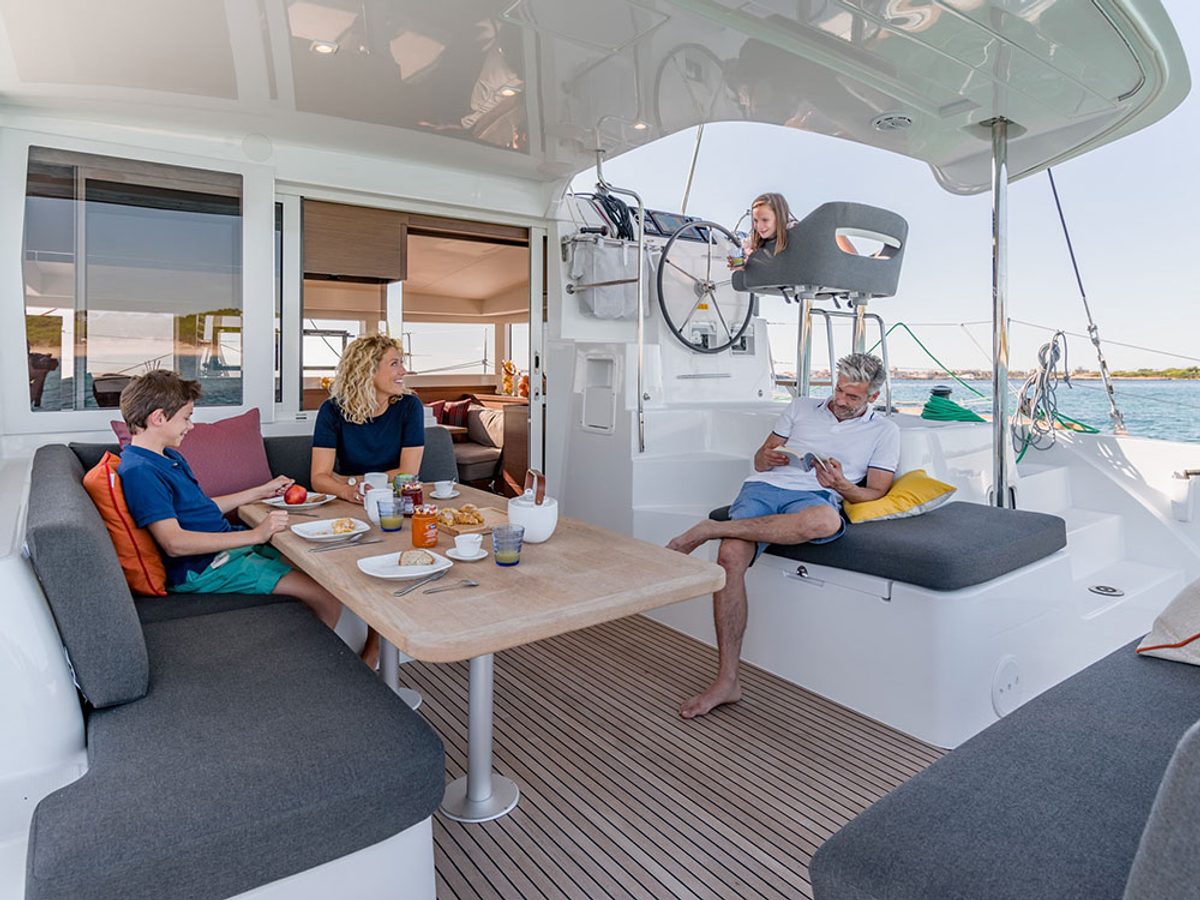
Spring whale charters provide exclusive access to prime whale viewing locations with customizable itineraries and professional crews. Unlike large commercial vessels, private charters offer flexibility in departure times and route adjustments based on real-time whale movements. Yacht whale watching creates intimate group experiences with personalized service and extended observation time. Charter guests benefit from stabilized platforms, premium viewing angles, and expert interpretation from onboard naturalists.
Multi-day expeditions allow extended access to offshore feeding grounds where blue whales concentrate during spring months. Private vessels maintain respectful observation distances while maximizing educational value through coordination with marine biologists. Newport Beach marine wildlife viewing improves dramatically when vessel size, noise levels, and passenger counts remain controlled.
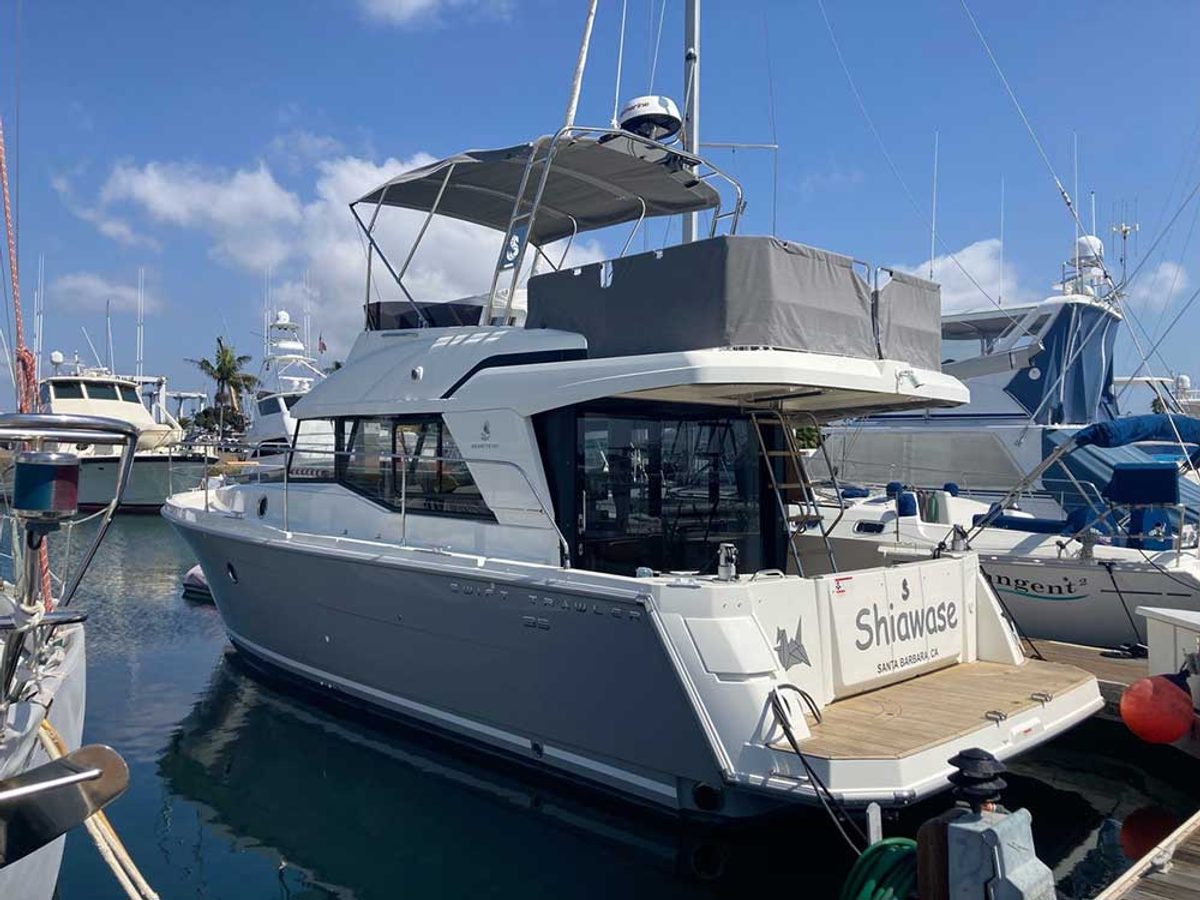
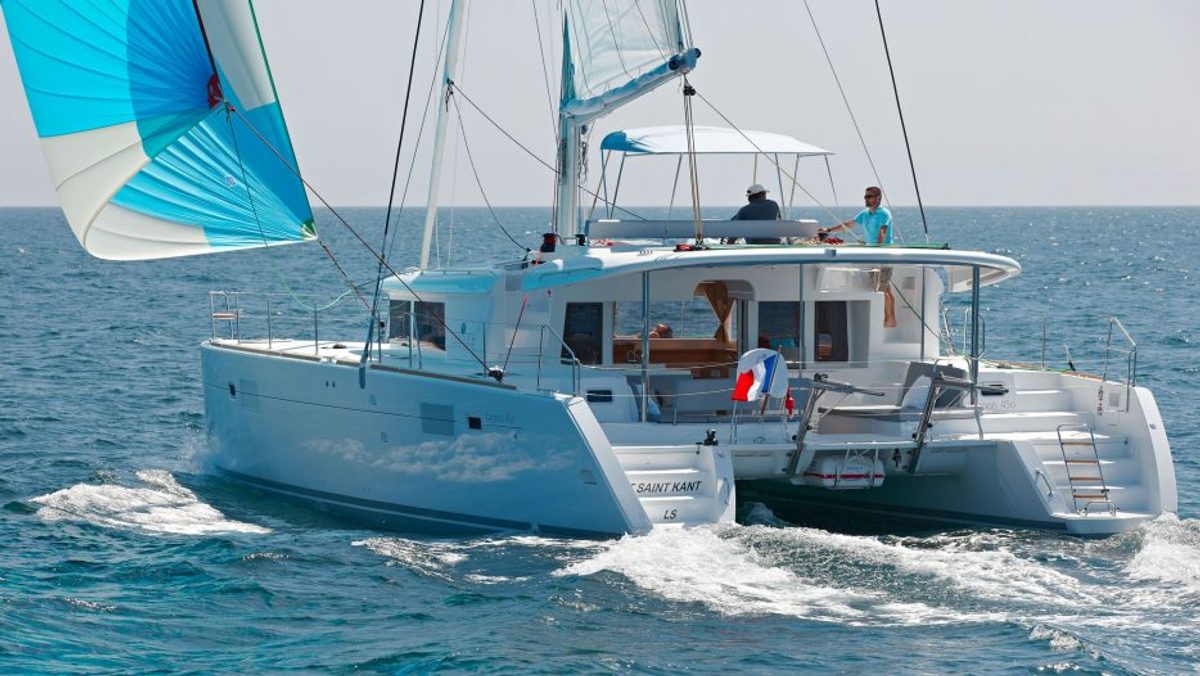
Large motorized catamarans hold 50-150 passengers and provide stable platforms for group whale watching tours. Specialized sport fishing yachts ranging from 35 to 60 feet offer smaller group capacities with enhanced maneuverability for whale tracking. Custom marine vessels combine luxury amenities with scientific equipment for premium wildlife encounter programs.
Catamaran designs deliver superior stability during extended offshore operations compared to traditional monohull configurations. Twin-hull construction reduces acoustic signatures that might disturb marine mammals during approaches. Vessel selection impacts guest comfort, environmental footprint, and overall whale watching charter success rates significantly.
Marine biologists provide real-time interpretation of whale behaviors, migration patterns, and individual identification based on fluke markings. Hydrophone systems allow guests to hear whale vocalizations, creating multisensory encounters that deepen understanding. Advanced sonar technology maps underwater terrain and identifies cetacean locations before visual contact occurs. GPS tracking systems record sighting locations, contributing to regional population studies and conservation databases.
Expert guides educate passengers about blue whale life cycles, feeding strategies, and conservation challenges facing these endangered animals. Technology enables responsible viewing by maintaining required distances while providing clear observation opportunities. AI-powered platforms now assist in route planning and optimal timing based on historical sighting data patterns.
NOAA regulations in Alaska mandate a minimum 100-yard distance from humpback whales and limit observation time to 30 minutes. French Polynesia implemented a quota system in 2025, permitting only three boats per whale during vulnerable calving seasons. Canada requires vessels to maintain a 400-meter distance from Southern Resident killer whales and prohibits positioning in whale paths. California enforces similar protocols protecting blue whales, gray whales, and other marine mammals from vessel harassment.
Responsible operators integrate environmental responsibility and marine conservation principles into every charter through strict adherence to approach guidelines. Newport Beach charter companies train crews in marine mammal identification and behavior recognition to prevent accidental disturbance. Regulatory compliance protects whale populations while ensuring the long-term viability of commercial whale watching operations.
Whale watching differs from other ocean activities through its emphasis on wildlife observation rather than participation. The activity requires minimal guest exertion beyond boarding vessels and maintaining observation positions. Educational components distinguish whale tours from purely recreational activities like snorkeling or deep-sea fishing. Success depends on natural animal behavior rather than guest skill levels.
Cost structures vary significantly, with whale watching accessible across budget ($49-$79) to premium ($150-$350+) price tiers. Weather dependency affects all ocean activities, but whale watching particularly relies on calm seas for effective observation. Seasonal windows concentrate demand during migration periods, unlike year-round activities such as snorkeling.
Snorkeling involves surface-level exploration of coral reefs and shallow marine ecosystems with basic mask and fin equipment. The activity is limited to shallow waters, typically less than 30 feet deep, and requires basic swimming ability. Deep-sea fishing targets large pelagic species like marlin, tuna, and sailfish in offshore waters beyond continental shelves.
Snorkeling participation rates reach 3.2% among US teenagers aged 13-17, indicating broad accessibility. Equipment costs remain minimal, with basic rental packages available for $15-$30 at most coastal destinations. Deep-sea fishing demands specialized tackle, robust vessels, and experienced crews familiar with offshore navigation.
Luxury yacht charters cater to high-net-worth individuals seeking exclusive, customizable marine experiences with dedicated crew service. Luxury yacht charter operations range from budget-tier vessels at $1,000-$3,000 per day to premium-tier superyachts exceeding $15,000 daily. Spring yacht charters in Baja California average $25,000+ per week for blue whale encounter expeditions. Understanding 3-day yacht charter costs helps prospective guests evaluate value propositions against budget alternatives.
Advanced booking requirements typically extend 3-6 months ahead for prime dates during peak whale migration periods. Personalized itineraries allow route modifications based on real-time whale sighting reports from spotter networks. Crewed charters include professional captains, chefs, stewards, and marine naturalists.
Eco-adventure activities encompass low-impact, sustainable interactions with marine environments through kayaking, paddleboarding, and non-motorized vessel tours. These experiences hold approximately 15% of the ocean adventure market and appeal to environmentally conscious travelers. Physical exertion requirements limit participation to moderately fit individuals capable of paddling for extended durations.
Budget-tier eco-adventures cost $50-$75 for basic equipment rentals, while premium guided tours reach $150-$300 per person. Eco-tourism partnership initiatives connect activity providers with conservation organizations to support habitat protection programs. Sea kayaking provides intimate wildlife encounters in shallow waters where larger vessels cannot safely navigate.
Spring whale watching yacht charter participants typically represent affluent demographics with disposable income for premium marine tourism experiences. More than 50% of travelers rank cost as the most important factor influencing purchasing decisions despite premium positioning. Approximately 30% prioritize experience quality over price considerations when booking whale encounter charters. Environmental impact serves as the primary decision factor for only 7% to 11% of consumers.
Urban residents account for 68% of participation compared to 32% from rural areas, reflecting income disparities and travel accessibility. Age distributions skew toward 35-65+ demographics for luxury yacht charters, with younger participants favoring budget tour options. Multi-generational family groups book private charters for milestone celebrations and educational experiences with children.
Consumer priorities reveal cost sensitivity despite growing interest in sustainable and educational marine tourism experiences. Survey data from 10,000+ respondents confirms price remains dominant across all demographic segments and activity types. Experience quality becomes a tiebreaker when comparable options exist within acceptable budget ranges. Safety records, vessel condition, and crew expertise influence final booking decisions after cost parameters are established.
Snorkeling shows 3.2% participation rate in the 13-17 age group in the US, demonstrating youth engagement with accessible marine activities. Whale watching attracts broader age ranges due to minimal physical requirements and educational appeal for families. Geographic proximity to departure points significantly influences participation rates. Repeat customers constitute 35-40% of premium charter bookings, indicating strong satisfaction and word-of-mouth referrals.
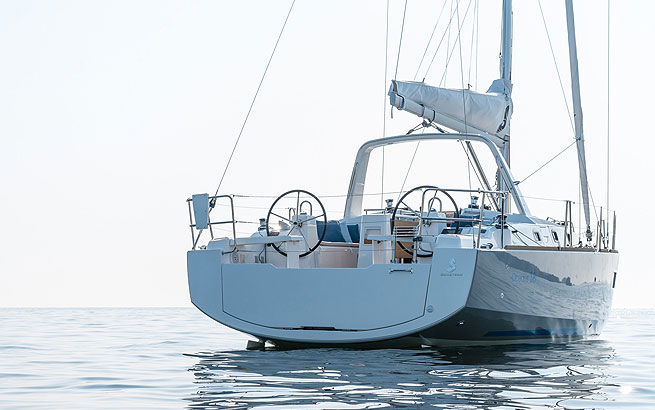
North America accounts for approximately 28% of the global whale watching market share, driven by established infrastructure and accessible coastlines. Asia Pacific is projected to capture 35% market share by 2030 through rising disposable incomes and government tourism initiatives. Baja California, Mexico, serves as a critical habitat for migrating blue whales during the February to April peak season. Newport Beach experiences parallel migration patterns, creating springtime sailboat charter opportunities aligned with whale movements.
Seasonal concentration limits operating windows to 8-12 weeks annually in most temperate regions, creating revenue compression for operators. Weather variability during spring months introduces cancellation risks that operators manage through flexible rescheduling policies. Regional competition intensifies during peak weeks when operators target the same whale populations in limited geographic areas.
Booking decisions depend on perceived value, operator reputation, vessel quality, and guaranteed wildlife sighting policies. Online reviews and TripAdvisor ratings heavily influence consumer choices, particularly for first-time whale watching participants. Direct booking options through operator websites eliminate third-party commissions and often provide lower prices than aggregator platforms. AI booking platforms like Mindtrip and Hopper now personalize recommendations based on historical preferences and real-time availability data.
Photography opportunities drive bookings among hobbyist and professional wildlife photographers seeking portfolio-worthy blue whale images during spring migrations. Educational programming appeals to school groups, homeschool networks, and lifelong learners interested in marine biology and conservation topics. Certification and compliance with environmental regulations serve as trust signals for eco-conscious consumers researching operator credentials.
Market consolidation occurs as major travel conglomerates acquire regional whale watching operators to expand marine tourism portfolios. Technology integration drives operational efficiency through AI-powered route optimization, dynamic pricing algorithms, and automated booking systems. Regulatory tightening continues globally as governments respond to marine mammal population concerns and environmental advocacy group pressure. Electric and hybrid propulsion systems are gaining adoption among operators seeking competitive differentiation through reduced environmental impact messaging.
Consumer preferences shift toward experiential authenticity, driving demand for smaller vessels, expert guides, and hands-on educational components. Price sensitivity remains high despite sustainability claims, with budget options consistently outperforming premium offerings in booking volume. Regional specialization allows smaller operators to compete against large conglomerates through local expertise and personalized service models.
Pacific Whale Foundation operates vessels throughout Hawaii, offering whale watching, snorkeling, and eco-tour combinations year-round. Boston Harbor Cruises dominates the US East Coast market with large passenger vessels serving the Massachusetts whale watching corridor. Whale Watch Kaikoura leads New Zealand's marine tourism sector through specialized sperm whale and dolphin encounter programs. Project Expedition operates globally, coordinating multi-destination whale watching itineraries across continents.
TUI Group and Expedia Group control approximately 33% of the broader adventure tourism market through vertical integration and acquisition strategies. Regional boutique operators maintain market share through differentiation based on local knowledge, smaller group sizes, and premium service. Newport Beach operators compete through direct booking channels, personalized itineraries, and relationships with local marine research institutions. Competition intensifies during spring blue whale sightings in Newport when demand exceeds available vessel capacity.
Mindtrip and Hopper represent AI booking platforms disrupting traditional online travel agency dominance through personalized recommendation engines. These systems analyze user preferences, historical booking patterns, and real-time availability to optimize charter selection and pricing. AI-powered sonar transforms on-water operations by mapping underwater terrain and identifying whale locations before surface sightings. Electric propulsion technology reduces acoustic pollution that disturbs marine mammals while lowering operational costs through decreased fuel consumption.
Mobile applications enable real-time sighting reports shared across operator networks, improving success rates through coordinated whale tracking. Social media integration drives booking conversions as guests share whale encounter photos and videos. Virtual reality previews allow prospective customers to experience whale watching tours before commitment, reducing uncertainty and increasing conversion rates.
Regulatory frameworks increasingly prioritize marine mammal protection over commercial tourism interests as whale populations face climate change pressures. Distance requirements expanded from 50 to 100 yards in many jurisdictions, forcing operators to invest in stabilized zoom optics. Time limits prevent prolonged pursuit of individual whales, reducing harassment risks but requiring operators to maximize educational value during restricted windows. Quota systems in destinations like French Polynesia limit vessel numbers per whale, creating competitive pressures for operating permits.
Enforcement mechanisms are strengthened through aerial surveillance, observer programs, and mandatory electronic tracking systems aboard commercial whale watching vessels. Penalty structures escalate to include substantial fines, permit suspensions, and criminal charges for repeated violations. Industry self-regulation initiatives emerge as operators recognize that unsustainable practices threaten long-term business viability.
Tourists should research operator credentials, vessel specifications, and customer reviews before committing to spring whale charter bookings. Understanding cancellation policies and weather-related rescheduling procedures prevents disappointment when conditions deteriorate unexpectedly. Physical preparation includes motion sickness prevention strategies, appropriate clothing layers, and sun protection gear. Photography equipment decisions should account for vessel stability, focal length requirements, and waterproofing needs.
Booking timing matters significantly, with 3-6 month advance reservations recommended for peak spring blue whale migration periods. Setting realistic expectations about sighting probabilities prevents disappointment, as even expert operators cannot guarantee encounters with wild animals. Dietary restrictions and medical conditions should be communicated during booking. Pre-trip education about blue whale biology, migration patterns, and conservation status enhances appreciation during actual encounters.
Whale watching is highly weather-dependent, with rough seas forcing cancellations or significant modifications to planned itineraries. Whale sightings are not guaranteed despite operator expertise and advanced tracking technology, as wild animal behavior remains inherently unpredictable. Potential for seasickness exists even on stabilized catamarans, requiring preventive medication and awareness of personal motion sensitivity levels. Multi-day expeditions involve shared accommodations, limited privacy, and adaptation to vessel-based living conditions.
Daily schedules follow whale activity patterns rather than fixed timetables, requiring flexibility and patience from charter participants. Physical demands remain minimal but include boarding tenders, navigating wet decks, and maintaining observation positions during extended search periods. Educational programming fills the time between whale encounters, with marine biologists presenting lectures on cetacean biology and conservation challenges.
Whale watching budget tier options cost $49-$79 for large group tours with short duration and basic amenities. Premium tier charters range from $150-$350+ per person, offering smaller groups, extended time, and expert naturalist guides. Price differences reflect vessel quality, group size, crew expertise, onboard amenities, and duration of whale observation opportunities.
Shared charter arrangements reduce per-person costs while maintaining access to premium vessels and expert guides. Family packages and group discounts expand accessibility for multi-generational participants seeking shared wildlife encounter experiences. Direct booking through operator websites typically provides 10-20% savings compared to third-party aggregator platforms.
Responsible whale watching begins with operator selection, prioritizing companies with documented compliance records and conservation partnership commitments. Observers should remain quiet during close approaches, as excessive noise can disturb whales and alter natural behaviors. Following crew instructions regarding movement and positioning prevents safety incidents and ensures optimal viewing for all charter participants. Photographers should avoid flash use and respect operator guidelines regarding drone usage near whales.
Supporting operators who contribute to marine research through sighting reports, photo identification, and conservation funding ensures tourism benefits whale populations. Minimizing single-use plastics aboard chartered vessels prevents marine pollution that threatens cetacean habitats. Post-trip engagement through citizen science platforms allows participants to contribute sighting data to regional whale population monitoring programs.
Blue whale season in Newport Beach demonstrates how luxury tourism, environmental conservation, and marine education can align through responsible charter operations. Spring whale charters provide economic incentives for habitat protection while generating public awareness about endangered species conservation needs. The integration of technology, regulatory compliance, and expert interpretation creates value beyond traditional tourism by supporting research and fostering environmental stewardship. As the whale watching market grows toward USD 4.32 billion by 2033, sustainable practices become essential for long-term industry viability and marine ecosystem health.
Newport Beach Sailing Charters combines local expertise with commitment to responsible marine wildlife viewing during peak blue whale migration months. Professional crews understand regional whale behaviors, optimal viewing locations, and strict adherence to protective regulations governing cetacean approaches.
Blue whale season only lasts a few weeks — and the waters off Newport Beach are about to come alive. Newport Beach Sailing Charters & Yacht Rentals takes you out on a private charter during peak spring migration, with an experienced captain who knows these waters and exactly where to look. No crowded decks. No rushed timelines. Just open water, a skilled crew, and one of nature's most breathtaking shows. Ready to book your spring whale watching charter? Contact Newport Beach Sailing Charters & Yacht Rentals and let's get you on the water before the season is gone.