
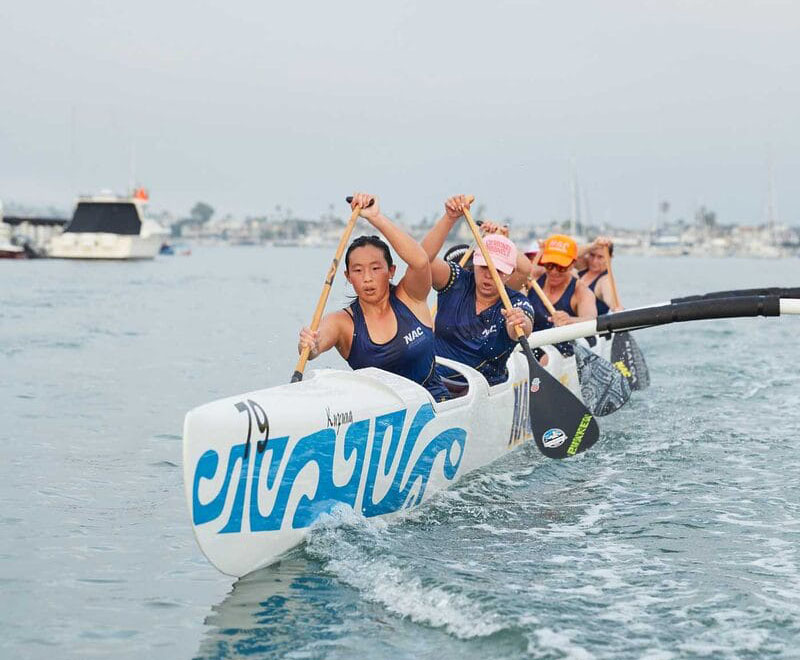
Yacht-based water sports combine premium marine experiences with hands-on recreation across coastal destinations. These activities transform traditional charter vessels into platforms for kayaking, paddleboarding, and similar pursuits accessible from onboard equipment storage and launch points.
Water sports on yachts appeal to guests seeking both comfort and adventure during marine excursions. Charter operators increasingly integrate equipment inventories and activity programming to satisfy demand for experiential travel beyond passive sightseeing.
The primary yacht-based water sports include kayaking, stand-up paddleboarding, snorkeling, and towed activities like tubing. Each activity serves different skill levels and physical requirements while utilizing yacht platforms for equipment transport and participant staging.
Modern charter vessels commonly stock multiple activity options to accommodate diverse guest preferences. Equipment selection varies based on charter duration, destination, and passenger demographics, with operators balancing storage constraints against activity variety.
Kayaking encompasses sit-inside and sit-on-top designs propelled by double-bladed paddles across calm and moving water. The activity holds a dominant 69% share of the combined canoe and kayak market worldwide.
Inflatable kayaks represent 40.6% of market share due to portability advantages for yacht storage and transport. The canoe and kayak market shows a projected valuation of USD 1.10 billion by 2030, expanding at a 4.4% CAGR.
Stand-up paddleboarding positions users upright on wider boards, using single-bladed paddles for propulsion and balance training. The SUP market reached USD 1.74 billion in 2026 and projects growth to USD 2.74 billion by 2031.
Solid SUP boards command 60.3% market share despite storage challenges compared to inflatable alternatives. SUPs offer less speed and efficiency over long distances compared to kayaks, but provide superior core engagement and visibility.
Additional yacht adventure activities include snorkeling gear for reef exploration and inflatable towables for high-energy family water fun. Fishing equipment, water skis, and wakeboards appear on larger charter vessels with dedicated storage compartments and retrieval systems.
Jet skis and submersible scooters represent premium additions on ultra-premium yacht charters exceeding 80 feet. Equipment variety directly correlates with vessel size, charter pricing tier, and destination water conditions suitable for specific activities.
Yacht charters provide mobile equipment storage, protected rest areas, and access to diverse marine environments beyond shore-based limitations. Vessels transport participants to shallow coves, protected bays, and offshore locations unreachable by land-based launch points.
Charter platforms eliminate repetitive equipment transport by storing gear onboard throughout multi-day itineraries. Onboard amenities, including showers, changing areas, and refreshment service, enhance comfort between water activity sessions for all participants.
Yachts deliver participants to premium locations like Catalina routes and secluded anchorages inaccessible from public beaches. Ultra-High-Net-Worth Individuals view yacht charters as platforms for active exploration rather than passive premium accommodation alone.
Newport Beach Harbor provides protected launching conditions for beginners learning kayaking and paddleboarding near yacht rental bases. Coastal cruising expands activity options to include offshore environments with marine wildlife observation opportunities and varied water conditions.
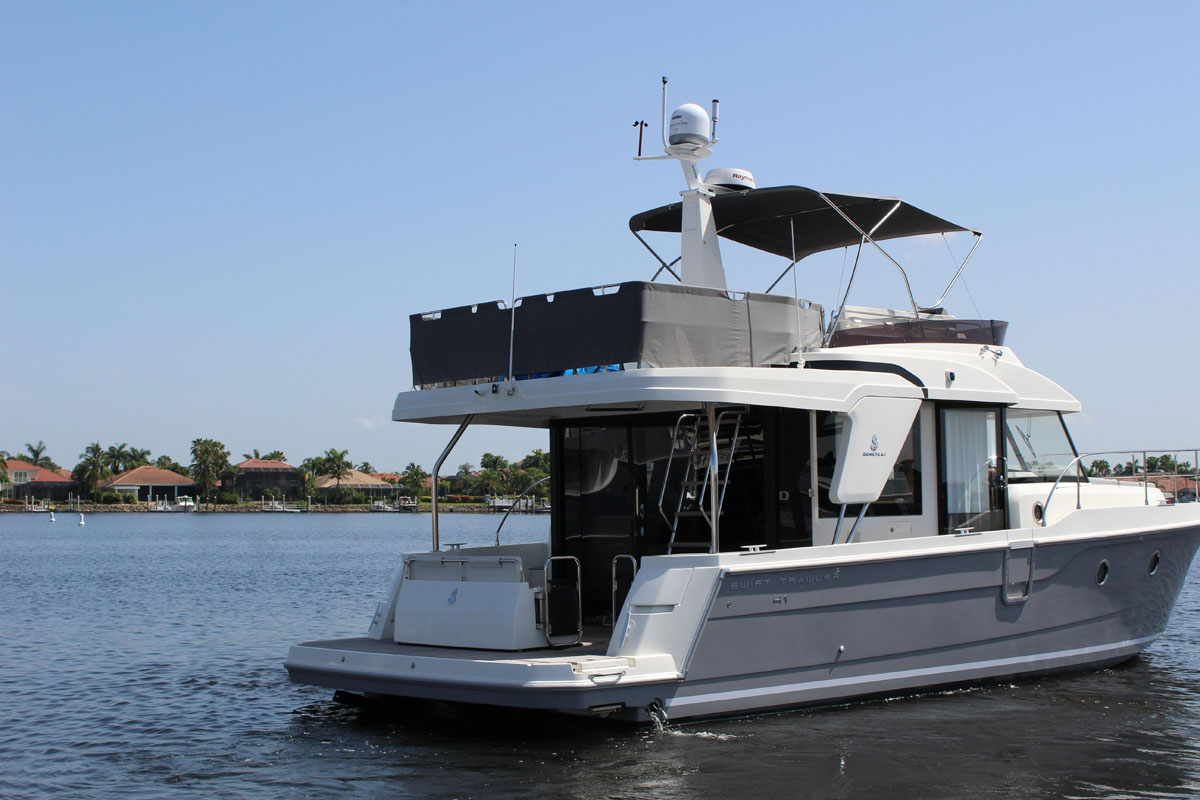
Charter vessels feature swim platforms, boarding ladders, and freshwater deck showers for equipment rinsing and participant re-entry. Dedicated storage lockers maintain kayaks, paddleboards, and accessory gear securely during transit between activity locations and weather events.
Safety equipment, including personal flotation devices, marine radios, and first aid supplies, complies with Coast Guard regulations for all passengers. Crew members trained in water sports supervision provide instruction, equipment adjustment, and emergency response capabilities throughout chartered durations.
Budget yacht charters span $800-$1,200 for 4-6 hours, while mid-range options cost $1,500-$2,400, and premium experiences reach $3,300-$6,000. California sales tax of 7.75% applies to charter base rates across all pricing tiers statewide.
Mandatory gratuity of 15-20% rewards crew service, with fuel surcharges of $300-$800 added for Catalina routes and coastal destinations. Shoulder season bookings save 25-40% compared to peak summer weekends when demand concentrates around holiday periods and warm weather months.
Millennials demonstrate the highest participation rate at 17.2% across water sports categories, surpassing Generation X and Baby Boomers. Whitewater kayaking attracts 62% of participants aged 18 to 44, indicating strong youth appeal for active paddle sports.
Gender and age influence equipment preferences, activity duration choices, and skill development trajectories among water sports enthusiasts. Regional coastal populations and tourist demographics shape seasonal demand patterns for yacht-based activity programming and equipment availability.
Millennials maintain 17.2% participation in water sports compared to lower rates for Generation X and Baby Boomers combined. Adults aged 25 to 34 represent the largest proportion of stand-up paddleboarding participants across demographic studies.
Young adults prioritize experiential recreation over material purchases, driving demand for rental access rather than equipment ownership. Income levels and coastal proximity correlate with participation frequency, particularly for activities requiring specialized gear and transportation logistics.
Sea kayaking attracts 66% male participants, reflecting historical gender patterns in technical paddle sports and extended touring activities. Stand-up paddleboarding achieves the highest female participation percentage among paddle sports due to lower entry barriers and social appeal.
Age affects activity selection, with younger participants favoring dynamic sports like wakeboarding while older demographics choose kayaking. Physical demands, injury risks, and learning curves influence age-specific participation patterns across water sports categories and charter activity menus.
Newport Beach's population exceeds 85,000 residents, creating consistent local demand for water sports equipment and charter services year-round. October represents shoulder season in Southern California, offering favorable weather conditions with reduced crowds and pricing compared to summer peaks.
Coastal tourism seasonality concentrates peak demand during summer months when weather and water temperatures optimize participant comfort. Regional economic conditions, marine infrastructure quality, and competitive charter availability shape market dynamics for specific coastal areas and activity types.
Lower prices influence 57.7% of consumers as the top decision factor when purchasing sports and outdoor equipment. Product selection matters to 41.5% of buyers, while convenience factors like fast delivery attract 35.6% of respondents.
Sustainability considerations and expert guidance play secondary but growing roles in purchase decisions across equipment categories. Consumers balance price sensitivity against quality expectations, durability requirements, and brand reputation when selecting kayaks and paddleboards for personal ownership.
Price-conscious consumers prioritize 57.7% on lower costs and exclusive promotions when comparing equipment options across retailers. Product selection at 41.5% indicates preference for diverse inventories, allowing comparison shopping and specialized feature matching to intended use cases.
Convenience factors, including fast delivery and easy pickup, influence 35.6% of buyers seeking minimal transaction friction. Online availability, local inventory verification, and flexible return policies enhance perceived convenience for equipment purchases supporting planned water activities and charter preparations.
Approximately 39% of consumers accept premium pricing for sustainably produced sports gear using recycled materials and ethical manufacturing processes. Environmental consciousness grows among younger demographics, prioritizing corporate responsibility and product lifecycle impacts beyond initial purchase price alone.
Eco-friendly manufacturing reduces environmental footprints through renewable energy use, waste reduction, and supply chain transparency for informed purchasing. Sustainability certifications and transparent sourcing information influence brand loyalty among environmentally motivated consumer segments across outdoor recreation categories.
Expert advice and personalized service influence 32.3% of equipment buyers seeking guidance, matching products to skill levels and intended applications. Knowledgeable retail staff provide value through fit assessments, feature explanations, and activity-specific recommendations beyond generic online product descriptions.
Specialty retailers offering hands-on equipment demonstrations and post-purchase support build customer relationships extending beyond single transactions. First-time buyers particularly value expert consultation, reducing purchase anxiety and ensuring appropriate equipment selection for successful water sports experiences.
Manufacturing methods determine kayak and paddleboard performance characteristics, durability, weight, and price points across market segments. Construction techniques range from rotomolded plastic processes to hand-laid composite materials, each offering distinct advantages for specific user requirements.
Material selection balances structural strength against weight reduction for transport ease and on-water maneuverability across varied conditions. Advanced manufacturing technologies, including thermoforming and fusion lamination, deliver performance improvements while controlling production costs for competitive market positioning.
Rotomolded polyethylene involves heating and rotating polyethylene inside a mold to create seamless, impact-resistant kayak shells. This process produces affordable, durable hulls suitable for rocky environments despite increased weight compared to alternative construction methods.
Thermoform ABS plastic uses vacuum-formed ABS plastic bonded to an acrylic top layer for improved rigidity and visual appeal. Fiberglass kayaks built by layering fiberglass cloth with resin inside molds achieve lightweight, efficient designs for serious touring applications.
Drop-stitch technology used in inflatable SUP construction creates rigid air chambers, maintaining board shape under rider weight when properly pressurized. Single-layer inflatable SUP construction serves budget boards, while double-layer construction enhances mid-range board stiffness and durability for improved performance.
Solid SUPs utilize EPS foam cores shaped and wrapped in fiberglass layers bonded with epoxy resin for permanent rigidity. Expanded Polystyrene cores provide buoyancy and structure while composite outer shells protect against impact damage and water intrusion.
MSL Fusion technology applies Monocoque Structural Laminate processes, reducing hull weight by 20% compared to traditional double-layer fiberglass construction methods. Yacht construction begins with highly polished molds receiving gelcoat applications before fiberglass cloth and resin layers are hand-laid sequentially.
High-load yacht areas receive additional reinforcement around keel attachments, rudder stocks, and mast steps for structural integrity under sailing loads. Fiberglass cloth and resin laid by hand on yacht hulls create composite structures balancing strength against weight for optimal sailing performance.
The global water sports industry, valued at USD 42.5 billion in 2025, projects expansion to USD 81.1 billion by 2035. Water sports equipment market growth from USD 9.49 billion in 2025 to USD 15.97 billion by 2034 indicates strong consumer demand.
Yacht rental market valuation of USD 9.5 billion in 2025 expands alongside equipment sectors, reflecting integrated recreation trends favoring multi-activity experiences. Technology advances in materials and manufacturing drive equipment performance improvements while competitive pressures moderate price increases across consumer segments.
Global water sports industry valuation reaches USD 42.5 billion in 2025, with projections climbing to USD 81.1 billion by 2035. The water sports equipment market expands from USD 9.49 billion in 2025 to USD 15.97 billion by 2034 across all product categories.
The yacht rental market, valued at USD 9.5 billion in 2025, grows at 6.7% CAGR driven by experiential travel preferences. Equipment and charter market growth correlates with disposable income increases, coastal tourism expansion, and health-focused recreational activity adoption worldwide.
Stand-up paddleboard market CAGR of 9.45% exceeds canoe and kayak market growth of 4.4% through 2031 based on industry projections. The water sports equipment market CAGR of 5.77% represents composite growth across diverse product categories, including safety gear and accessories.
Yacht rental market CAGR of 6.7% outpaces traditional equipment sales as consumers favor access over ownership for high-cost items. Inflatable equipment categories grow faster than rigid alternatives due to storage convenience and transportation advantages for casual recreational users.
MSL Fusion technology delivers Monocoque Structural Laminate construction that reduces board weight by 20% compared to conventional double-layer methods. Advanced materials, including carbon fiber reinforcements and improved resin formulations, enhance strength-to-weight ratios across equipment categories from kayaks to yacht hulls.
Manufacturing automation and precision molding techniques improve quality consistency while reducing production costs for competitive pricing strategies. Digital design tools enable rapid prototyping and performance testing, accelerating innovation cycles for new equipment models addressing evolving consumer preferences.
Body Glove International ranks among the top water sports gear companies alongside Cressi, O'Neill, and Jobe Sports International. Dream Yacht Charter leads the yacht charter industry with 5% market share, followed by Camper & Nicholsons and Northrop & Johnson.
Market concentration remains modest, with the top five equipment manufacturers controlling approximately 26% of global water sports gear sales. Charter industry fragmentation reflects regional operators serving local markets, though consolidation trends favor larger multi-location service providers with digital booking platforms.
Body Glove International produces wetsuits, life jackets, and water sports accessories distributed globally through specialty and mainstream retail channels. Cressi manufactures diving and snorkeling equipment alongside kayaking gear, maintaining strong European and North American market positions historically.
O'Neill supplies wetsuits and protective gear for multiple water sports, while Jobe Sports International focuses on towable tubes and wakeboards. Airhead Sports Group holds 6% market share in specific equipment categories, competing with diversified manufacturers serving broader outdoor recreation markets.
Dream Yacht Charter leads with 5% market share across global yacht rental operations spanning multiple continents and vessel types. Camper & Nicholsons operates in the yacht charter sector, focusing on premium vessel placements for high-net-worth clientele and corporate events.
Northrop & Johnson, Sunsail, and The Moorings provide yacht charter services through owned fleets and broker arrangements across Caribbean, Mediterranean, and Pacific destinations. Market fragmentation allows regional operators like local charter services to compete effectively through personalized service, destination expertise, and flexible booking terms.
Experts recommend mid-range equipment investments over budget alternatives for improved durability and performance, enhancing long-term satisfaction and safety. Storage and transport considerations favor inflatable options for urban residents and apartment dwellers lacking dedicated equipment storage space.
Charter cost planning should include 20-30% above base rates covering gratuities, sales taxes, and fuel surcharges for accurate budgeting. Shoulder season bookings during periods like October in Southern California reduce costs significantly while maintaining favorable weather conditions.
Yacht-based water sports successfully merge active recreation with premium marine experiences across coastal destinations, including Newport Beach. Market growth projections, demographic participation patterns, and manufacturing innovations support continued industry expansion, serving diverse consumer preferences from budget-conscious families to ultra-high-net-worth individuals.
Equipment advances in materials and construction methods improve accessibility through lighter, more durable products at competitive price points. Consumer priorities emphasizing price, selection, and sustainability shape manufacturer strategies and retail positioning across kayaking, paddleboarding, and related water sports categories.
Yacht charter integration of activity programming transforms vessels into platforms for hands-on exploration beyond traditional sightseeing cruises. Newport Beach Sailing Charters exemplifies this trend by offering experiences that combine professional sailing with access to kayaking, paddleboarding, and similar pursuits throughout Southern California waters.
Families, corporate groups, and milestone celebrants increasingly seek experiential travel combining comfort with physical engagement and natural environment interaction. The convergence of water sports equipment markets and yacht rental sectors creates comprehensive recreation options matching evolving consumer expectations for active, memorable coastal experiences.
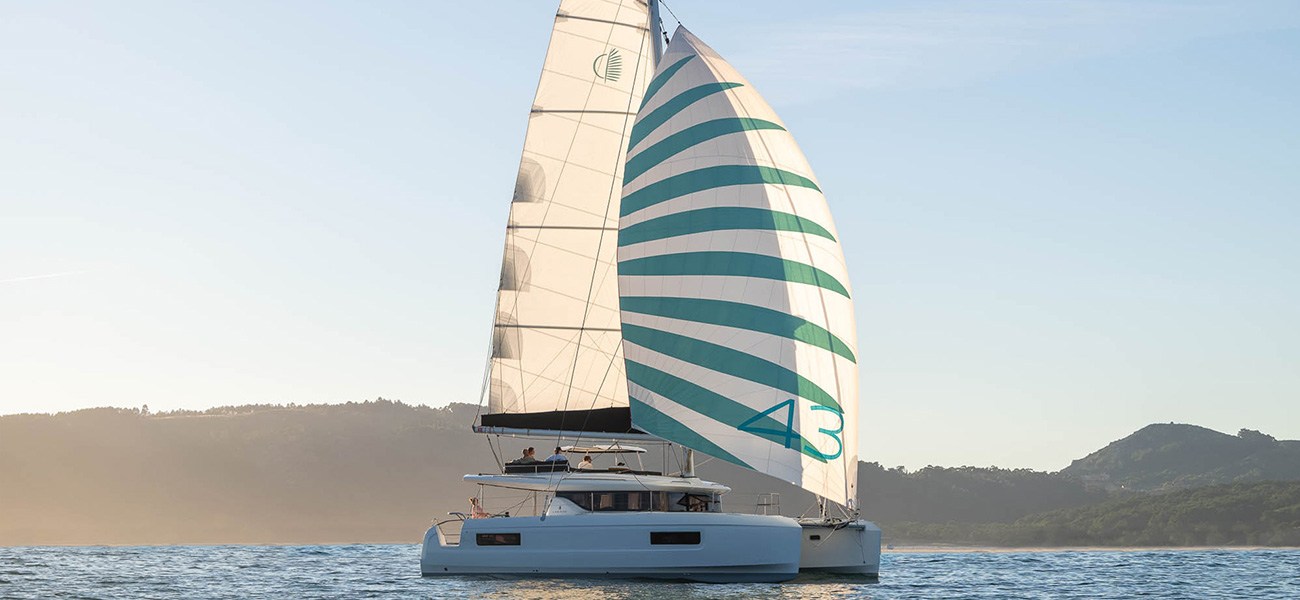
Reading about kayak market share and paddleboard growth charts is one thing. Feeling the paddle dip into glassy water off the swim platform of your own catamaran is something else entirely. Newport Beach Sailing Charters & Yacht Rentals brings the gear, the route, and the captain who knows where the dolphins run, so you can spend the day actually on the water instead of organizing logistics for it.
Every charter is private. No shared decks, no strangers in your sunset photos. Book direct and you lock in our lowest rate guaranteed with zero booking fees, plus a fleet of catamarans, sailboats, and powerboats sized to your crew. Bring the family, your top clients, or a milestone celebration of twelve, and we will stock the kayaks, paddleboards, and snorkel sets to match the day you have in mind.
Ready to plan your yacht-based water sports adventure? Contact us to discuss customized charter options featuring paddleboard Newport Beach excursions, kayak on yacht charter experiences, and comprehensive activity programming tailored to your group size and preferences.