

Key Takeaways:
Catalina Island offers two distinct yacht destinations with dramatically different characters. While Avalon attracts day-trippers seeking restaurants, shopping, and tourist activities, Two Harbors delivers the opposite experience: remote tranquility, pristine nature, and uncrowded anchorages. Understanding these differences ensures appropriate destination selection for charter goals.
Two Harbors represents Catalina's original character before tourism development transformed Avalon into a Mediterranean-style resort town. Located at the island's narrow northwestern isthmus, this rustic outpost maintains minimal development deliberately. The result creates perfect conditions for charterers prioritizing outdoor activities, wildlife encounters, and peaceful anchorage over urban amenities and social scenes.
Two Harbors occupies a unique geographical position distinguishing it fundamentally from Avalon's developed waterfront. The location and intentionally limited development combine to create Catalina's quietest, most nature-focused destination. This section clarifies what Two Harbors offers and why it attracts specific charter demographics.
Two Harbors sits at the northwestern end of Catalina Island where the landmass narrows dramatically to create a natural isthmus. This geography produces the destination's defining feature: two distinct harbors separated by minimal land distance. Isthmus Cove faces the windward side while Catalina Harbor opens to the leeward side, providing protected anchorage regardless of wind direction.
The rustic outpost serves as a haven for boaters, hikers, and nature lovers seeking experiences unavailable in developed areas. The northwestern position places Two Harbors farther from mainland departure ports than Avalon, contributing to lower visitor numbers. This remoteness proves advantageous for charterers wanting genuine escape from Southern California's coastal crowds and development.
Crowd levels represent the most obvious distinction between destinations. Two Harbors maintains low to moderate visitor numbers year-round, proving significantly quieter than Avalon's high traffic, especially during Avalon's peak season from May through September. The serene, remote, undeveloped character contrasts sharply with Avalon's bustling town atmosphere featuring Mediterranean village charm and tourist orientation.
Dining options at Two Harbors consist of Harbor Reef Restaurant and Harbor Sands, both casual establishments providing limited menu selections. Avalon counters with 20-plus restaurants ranging from casual to upscale dining. Shopping follows similar patterns: Two Harbors offers minimal retail through a small general store while Avalon features extensive shopping along Crescent Avenue with boutiques, galleries, and souvenir shops. Land activities at Two Harbors emphasize hiking with Trans-Catalina Trail access, camping, and nature walks. Avalon provides bike rentals, golf cart tours, zip-lining, Catalina Island Museum visits, and nightlife.
Facilities and services differ fundamentally. Two Harbors maintains basic facilities with limited services and no ATM, requiring cash planning or self-sufficiency. Avalon operates as a full-service town with ATMs, medical services, and visitor center. Historic attractions show similar contrast: Two Harbors focuses on natural and outdoor experiences with minimal historic sites while Avalon showcases the 1929 Catalina Casino, Wrigley Memorial, and organized historic tours. These distinctions clarify that Two Harbors and Avalon serve completely different charter purposes rather than offering interchangeable experiences.
The geography and infrastructure create practical advantages specific to Two Harbors. Understanding these characteristics helps determine whether this destination matches charter vessel capabilities and guest expectations. The dual-harbor configuration and extensive mooring options distinguish Two Harbors operationally.
The two-harbor configuration delivers the primary geographical advantage. Isthmus Cove on the windward side and Catalina Harbor on the leeward side provide excellent protected anchorage regardless of prevailing wind direction. This dual-aspect protection proves particularly valuable during weather pattern shifts when single anchorages become untenable.
Catalina Harbor earns specific recognition for protected waters, making it the preferred anchorage during stronger wind conditions. The natural shelter allows extended stays without constant anchor watch or repositioning concerns. This reliability attracts experienced boaters planning multi-day visits where weather changes could otherwise force premature departures or uncomfortable conditions at more exposed anchorages.
Extensive mooring fields in both Catalina Harbor and Isthmus Cove accommodate substantial yacht numbers during peak periods while maintaining an uncrowded atmosphere compared to Avalon's concentrated mooring field. The protected anchorage designation indicates reliable holding ground and shelter from swell and chop affecting less protected Catalina locations.
Shore access requires dinghies or water taxi service due to limited dock access. This differs fundamentally from Avalon's easy pier and dock access with direct landing for ferry passengers. Two Harbors yacht rentals must accommodate dinghy operations or water taxi coordination rather than assuming convenient dock tie-up. The access limitations contribute to the quieter atmosphere by requiring more effort than Avalon's walk-on convenience but prove manageable for properly equipped vessels and prepared crews.
Transit planning requires understanding distances, typical crossing times, and departure port advantages. Two Harbors sits farther from the mainland than Avalon, making route selection more consequential for charter duration and fuel consumption.
Newport Beach serves as the primary luxury departure port for Two Harbors charters, combining upscale marina facilities with strategic positioning for Catalina crossings. The harbor's extensive services and premium atmosphere suit multi-day charters where departure environment matters. Long Beach provides a shorter, more direct route option favoring charterers prioritizing transit efficiency over departure port atmosphere.
Both ports offer professional charter operations, comprehensive provisioning, and weather routing support. The choice between them depends primarily on whether charter priorities emphasize luxury departure experience (Newport Beach) or minimal crossing time (Long Beach). Experienced sailors often select Long Beach when planning extended Two Harbors stays where transit time reduction accumulates meaningfully.
Distance from Newport Beach measures 32 miles or 28 nautical miles with transit time spanning approximately 2.5-3 hours by yacht. Long Beach reduces distance to 25-33 miles or roughly 22-29 nautical miles, cutting transit to approximately 2-2.5 hours. These times assume moderate cruising speeds in typical conditions rather than racing pace or motoring into heavy weather.
Comparison to Avalon clarifies the additional transit investment. Newport Beach to Avalon covers approximately 1.5-2 hours across 26-30 miles while Long Beach to Avalon requires roughly 1-1.5 hours over 22-31 miles. Two Harbors adds approximately one hour each direction versus Avalon crossings, totaling two hours round-trip. This differential matters significantly on day charters but proves less consequential for multi-day trips where the extra transit represents a smaller percentage of total charter time. Multi-day charters better absorb the longer crossing by spreading it across extended island time.
Weather and sea state planning determines crossing safety and comfort. Understanding prevailing patterns and seasonal windows helps schedule departures for optimal conditions rather than fighting unfavorable weather.
Isthmus Cove faces the windward side, meaning exposure to prevailing winds that create choppier surface conditions during stronger breeze periods. Catalina Harbor's leeward positioning provides protection from prevailing conditions, making it the preferred anchorage during typical Southern California northwest wind patterns. Understanding which harbor suits current conditions allows appropriate planning before crossing.
The windward-leeward configuration means Two Harbors always offers protected anchorage options unlike single-aspect harbors that become untenable during certain wind directions. This reliability proves valuable for multi-day stays where weather patterns shift. Experienced boaters select their preferred harbor based on forecast rather than accepting whatever conditions exist at single-option destinations.
The best season spans late spring through early fall, specifically May through October, when calmer waters prevail and weather windows prove more reliable. This period corresponds partially with Avalon's peak season but Two Harbors maintains significantly lower crowding even during summer months. The calmer water characteristic during these months makes crossings more comfortable and arrival timing more predictable.
Avalon operates as a year-round destination with peak season from May through September. Two Harbors' more restricted seasonal recommendation reflects the increased importance of favorable conditions for the longer crossing and more remote anchorage. Winter crossings remain possible for experienced crews with proper vessels but require more careful weather analysis and contingency planning. Captained charters provide professional weather routing and seasonal expertise for optimal crossing conditions.
Matching destination characteristics to guest profiles ensures satisfaction and appropriate expectations. Two Harbors serves specific charter demographics exceptionally while proving less suitable for others regardless of vessel quality or professional crew.
Two Harbors attracts peaceful retreat seekers, nature lovers, divers, and charterers planning extended stays of two or more days. The destination appeals specifically to those avoiding crowds rather than seeking social scenes or urban entertainment. Experienced boaters comfortable with remote anchorage appreciate the self-sufficiency requirements and minimal services as features rather than limitations.
Available activities emphasize outdoor engagement: snorkeling, diving, kayaking, and paddleboarding in pristine waters. Renowned dive sites around the West End including Ship Rock and Bird Rock draw serious divers seeking world-class underwater experiences. Hiking opportunities via Trans-Catalina Trail access appeal to active guests wanting land exploration. Camping availability serves adventurous charterers combining yacht accommodation with shoreside wilderness experience.
Wildlife and nature encounters distinguish Two Harbors from developed areas. Abundant marine life, bison viewing opportunities, and undisturbed natural environment create genuine wilderness character. Overnight accommodation options remain limited with camping available at Two Harbors Campground for those wanting multi-modal experiences combining yacht and land-based overnight stays.
Two Harbors proves preferable when planning extended stays of two or more days versus Avalon's day-trip focus. The longer crossing investment justifies itself through multiple days at anchor exploring hiking trails, dive sites, and remote coves. Charterers prioritizing outdoor activities over urban amenities find Two Harbors delivers superior experiences in its specialty areas.
The destination suits experienced sailors wanting remote anchorage experiences unavailable in more developed locations. Avoiding Avalon's peak season crowds from May through September represents valid motivation when guest priorities emphasize tranquility over activity variety. The rustic, nature-immersive experience contrasts fundamentally with town atmosphere, making Two Harbors the clear choice for wilderness-oriented charters.
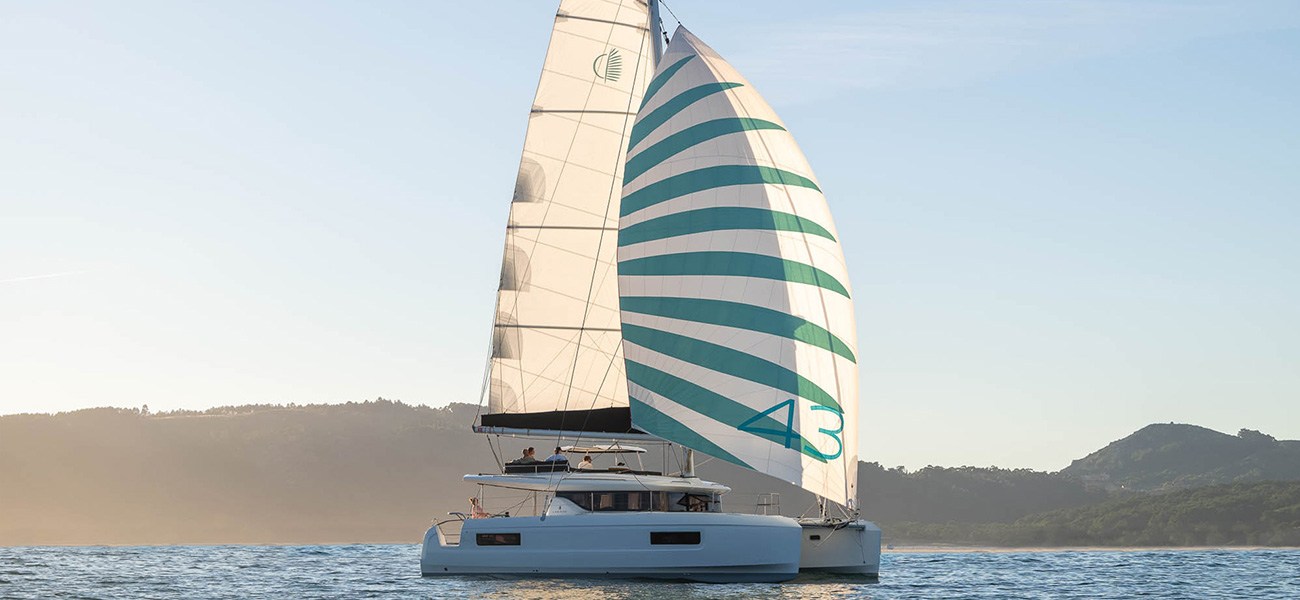
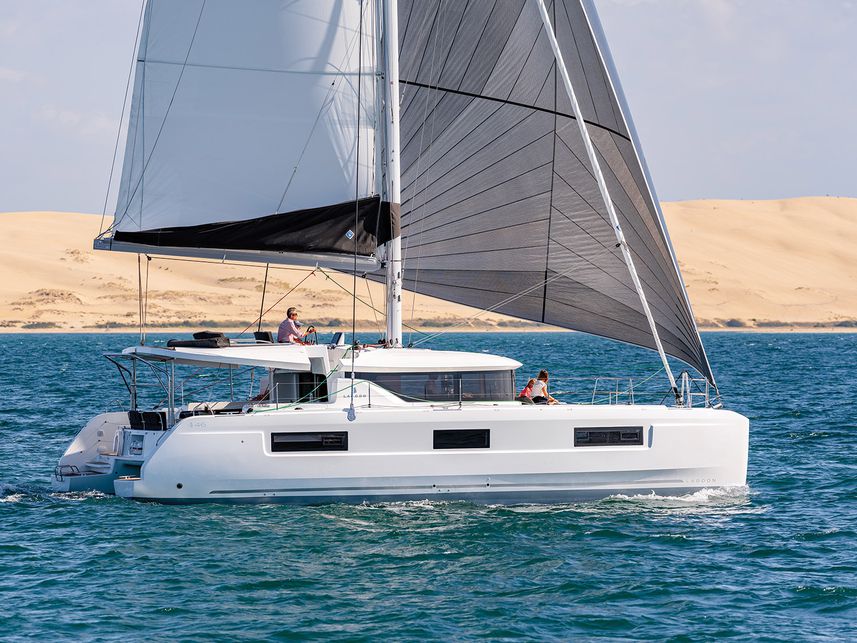
Case example demonstrates ideal Two Harbors application: An experienced sailing couple from San Diego with a 45-foot sailboat suitable for remote anchorage departed Long Beach for the shorter, more direct route. Days 1-3 focused on secured mooring in Catalina Harbor, diving at Ship Rock and Bird Rock, and kayaking. Days 4-5 emphasized hiking the Trans-Catalina Trail with panoramic views and stargazing from the boat far from mainland light pollution. Days 6-7 involved exploring remote coves and anchorages on the island's backside, experiencing complete solitude and rugged, undeveloped landscape. Our fleet includes vessels suitable for extended remote anchorage operations.
Combined itineraries for trips of three or more days optimize diverse experiences: starting with Avalon for a full day of activities and dining, then cruising to Two Harbors for peaceful anchorage, snorkeling, and hiking before returning to the mainland. This approach delivers both destination types' strengths within a single extended charter rather than forcing all-or-nothing choice.
Successful Two Harbors visits require alignment across multiple planning factors. Understanding timing, vessel requirements, and realistic guest expectations prevents disappointment from capability mismatches or unrealistic assumptions about available services.
Timing recommendations center on the best season from late spring through early fall, specifically May through October, when calmer waters reduce crossing difficulty and increase schedule reliability. Plan extended stays of two or more days minimum to justify the longer crossing versus Avalon. Two Harbors travel time from Newport Beach spans approximately 2.5-3 hours compared to Avalon's roughly 1.5-2 hours. Long Beach reduces Two Harbors transit to approximately 2-2.5 hours versus Avalon's roughly 1-1.5 hours. The additional hour each direction accumulates to two hours round-trip that extended stays absorb more readily than day trips.
Vessel requirements favor 45-foot sailboats and larger with self-sufficient capabilities. Comfort with remote anchorage proves essential since limited dock access means relying on anchoring skills and equipment. Dinghy or water taxi capability becomes mandatory for shore access rather than optional convenience. Self-sufficiency for basic needs matters significantly given limited services and no ATM availability requiring advance cash planning.
Guest expectation management prevents disappointment from service-level assumptions. Prepare guests for basic facilities versus full-service amenities available in developed areas. Limited dining options consisting only of Harbor Reef Restaurant and Harbor Sands require advance understanding, particularly for guests accustomed to extensive restaurant choices. Minimal shopping through the small general store means provisions must come from the mainland rather than assuming island resupply.
Focus charter activities on outdoor engagement: diving, hiking, and kayaking rather than shopping, dining variety, or historic site tours. Wildlife viewing opportunities including marine life and bison watching become highlights when properly anticipated. Stargazing opportunities benefit from distance from mainland light pollution, creating memorable evening activities for prepared guests. Exploring remote coves and anchorages on the island's backside delivers experiences unavailable in developed areas when vessel and crew capabilities support such exploration.
Comparison planning clarifies trade-offs. Avalon offers 20-plus restaurants, extensive shopping, and historic attractions including the 1929 Catalina Casino and Wrigley Memorial. Avalon provides easy pier and dock access versus Two Harbors' dinghy requirement, significantly impacting operational complexity and guest mobility. Avalon suits day trips and first-time visitors seeking comprehensive island introduction. Two Harbors proves ideal for peaceful retreat, nature lovers, divers, and extended stays where wilderness immersion outweighs urban convenience.
Budget considerations favor Two Harbors for extended charters where per-day costs spread across multiple nights at anchor. The minimal dining and shopping options reduce incidental expenses compared to Avalon's temptations. Fuel costs increase slightly due to longer crossing but prove marginal relative to total charter expense for multi-day trips. Mooring fees at Two Harbors generally match Avalon rates despite reduced services, reflecting the protected anchorage value and limited mooring field capacity.
Safety planning addresses the more remote nature requiring greater self-reliance than Avalon's full-service environment. Communication capabilities matter more when emergency services require longer response times. Weather monitoring becomes critical since shelter options reduce to the two harbors rather than Avalon's proximity to multiple Catalina anchorages. Mechanical self-sufficiency or professional crew support proves valuable given the distance from marina services and haul-out facilities.
Physical capability requirements favor active guests comfortable with dinghy transfers, hiking terrain, and water sports. The shore access via dinghy or water taxi eliminates accessible walkways and smooth pier surfaces available in developed areas. Trail hiking involves uneven terrain, elevation changes, and limited facilities compared to Avalon's paved paths and frequent rest areas. These considerations matter for groups including elderly participants, very young children, or individuals with mobility limitations.
Group dynamics influence Two Harbors suitability where unanimous buy-in for nature-focused, service-limited experiences prevents subset dissatisfaction. Mixed groups where some members want shopping, varied dining, and urban entertainment while others seek wilderness isolation create planning challenges. Two Harbors works best for cohesive groups sharing outdoor activity priorities and realistic service expectations.
Previous Catalina experience affects Two Harbors planning where first-time island visitors often benefit from Avalon introduction before appreciating Two Harbors' contrasts. Experienced Catalina charterers who've explored Avalon thoroughly find Two Harbors offers genuinely different experiences rather than minor variations. This destination progression—Avalon first, then Two Harbors—helps guests understand the island's diversity and make informed future choices.
Charter operator selection should emphasize Two Harbors experience and remote anchorage expertise rather than generic Catalina familiarity. Operators regularly visiting Two Harbors understand mooring field etiquette, shore access logistics, activity coordination, and contingency planning specific to this destination. Their routing advice, weather window selection, and provisioning guidance prove more valuable than generic island charter expertise.
The decision framework synthesizes objective factors—vessel capabilities, trip duration, seasonal timing—with subjective preferences around service levels, activity types, and wilderness tolerance. Two Harbors delivers exceptional experiences when properly matched to charter goals, vessel specifications, guest demographics, and realistic expectations. Mismatches create disappointment regardless of destination quality when fundamental incompatibilities exist between what Two Harbors offers and what charterers expect.
Understanding that Two Harbors and Avalon serve completely different purposes rather than competing for the same charter market clarifies selection. Neither destination proves universally superior—each excels serving specific profiles. Honest assessment of actual priorities, capabilities, and expectations leads to appropriate destination choice and charter satisfaction rather than discovering incompatibilities after departure when corrections prove impossible.
Newport Beach Sailing Charters specializes in multi-day Catalina voyages including Two Harbors destinations for nature-focused, remote anchorage experiences. Our vessels feature the self-sufficient capabilities, dinghy equipment, and offshore range required for comfortable Two Harbors visits. Professional crews provide weather routing, mooring coordination, and activity planning leveraging extensive Two Harbors experience.
Ready to explore Catalina's quiet side with proper vessel selection, timing optimization, and realistic planning? Contact us today to discuss how Two Harbors' wilderness character, protected anchorages, and outdoor activities create memorable multi-day charters matched to your specific guest demographics, activity preferences, and experience level.