


Key Takeaways:
Newport Beach yacht charters increasingly accommodate four-legged crew members, though "pet-friendly" means different things to different operators. Understanding what charter companies actually allow, which vessels suit dogs best, and how local beach regulations affect shore stops prevents the disappointment of discovering incompatibilities after booking. Not all dogs enjoy boating regardless of owner assumptions—temperament, size, health status, and previous water exposure all determine suitability.
This guide addresses practical pet charter realities: what questions confirm true pet-friendliness before booking, which routes and timing reduce canine stress, what gear prevents common problems, and how Corona Del Mar State Beach's time restrictions affect combination yacht-and-shore day planning. Success requires matching dog capabilities to charter conditions rather than hoping things work out.
Pet policies vary dramatically between charter companies. Some welcome dogs enthusiastically with designated deck areas and proper equipment while others technically "allow" pets but provide no accommodations making the experience miserable for everyone involved.
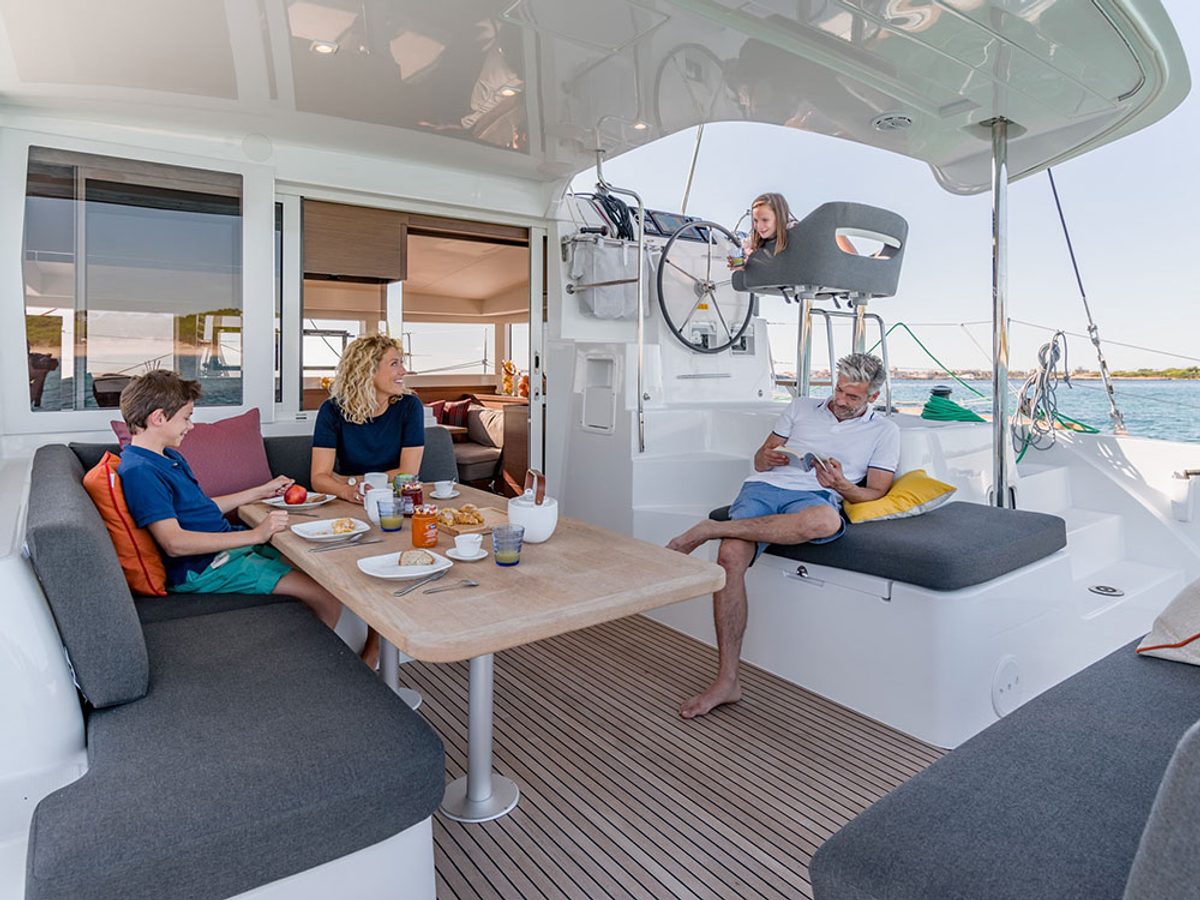
Well-behaved dogs are welcome on many Newport Beach yacht charters, though "well-behaved" definitions vary significantly. Some operators require dogs remaining on designated deck areas rather than entering cabins or salons. Spacious deck areas for pets to relax represent minimum standards—vessels lacking adequate outdoor space prove unsuitable regardless of stated pet-friendliness. Most charters cap at 12 guests with pets sometimes counting toward this limit depending on size.
Charter companies typically require advance notification about pets during booking rather than accepting last-minute additions. This allows crew preparing appropriate spaces, confirming insurance coverage, and verifying no other guests have severe allergies creating conflicts. Pet-friendly private yacht charters offering safe, comfortable spaces for dogs represent genuine accommodation versus grudging tolerance. Ask specifically about previous pet charters the company has hosted—lack of experience often correlates with inadequate preparation and unclear expectations.
Confirm whether charters actually allow pets before any other planning—some operators maintain strict no-pet policies regardless of circumstances. Ask about specific deck areas designated for pets and whether dogs can access shaded spaces during hot weather or enclosed areas during rough conditions. Verify what "well-behaved dog" criteria means specifically: some companies simply mean non-aggressive while others require extensive obedience training or prior boat experience.
Request information about safe, comfortable spaces designated for pets onboard beyond simple deck access. Does the vessel provide non-slip surfaces where dogs can move safely? Are there secure attachment points for leashes preventing overboard accidents? What happens if your dog becomes anxious or seasick—does the charter continue or return early? Understanding these operational details before booking prevents discovering deal-breaking incompatibilities after payment. Frequently asked questions often address common pet policy concerns worth reviewing before detailed conversations.
Owner optimism about dog adaptability often exceeds reality. Honest assessment of canine temperament, health, and water comfort prevents forcing unsuitable animals into stressful situations creating problems for everyone aboard.
Dogs comfortable with family boating adventures and previous electric boat or smaller vessel experience demonstrate adaptability suggesting yacht charter success. Calm dogs tolerating car rides, crowds, and novel environments without excessive anxiety generally handle boat conditions better than nervous animals requiring familiar surroundings for comfort. Well-socialized dogs interacting appropriately with strangers prove essential—aggressive or overly fearful dogs create safety hazards and liability issues on confined vessels.
Size matters less than temperament though very large dogs (100+ pounds) may struggle on smaller yachts lacking adequate movement space. Breeds historically water-oriented—retrievers, spaniels, water dogs—often adapt faster than breeds uncomfortable around water. However, individual personality trumps breed generalizations. Dogs demonstrating curiosity rather than fear when encountering new situations, recovering quickly from startling noises, and responding reliably to commands under distraction all signal charter suitability.
Senior dogs with arthritis or mobility problems struggle with ladder boarding, moving decks, and temperature regulation making charters unnecessarily difficult regardless of enthusiasm. Dogs with separation anxiety requiring constant owner contact become problematic when owners want freedom exploring vessels or engaging in water activities. Verify your dog can handle 4-6 hour periods without bathroom breaks—most yachts don't provide suitable relief areas for dogs accustomed to frequent outdoor access.
Heat sensitivity creates serious concerns during warm months. Brachycephalic breeds (bulldogs, pugs) with compromised breathing struggle in sun exposure and humidity characteristic of on-water environments. Ensure your dog's vaccinations remain current and flea/tick prevention active—confined spaces amplify parasite transmission risks. Dogs prone to motion sickness on car rides will likely suffer worse on moving vessels. Consider trial runs on smaller boats before committing to extended yacht charters, allowing low-stakes assessment of your dog's actual versus assumed water tolerance.
Proper gear prevents most common pet charter problems. Assuming you'll manage with improvised solutions creates preventable discomfort and safety risks.
Dog life jackets with handles prove essential even for strong swimmers—the handle allows crew grabbing struggling dogs from water quickly during emergencies. Newport Harbor's 5 mph speed limit creates a calmer environment within protected waters but doesn't eliminate overboard risks from sudden movements or waves from passing vessels. Properly fitted life jackets should allow normal movement while providing buoyancy and rescue handles.
Secure tethering systems preventing overboard accidents require marine-grade hardware rather than household items. Use 6-foot maximum length leashes—longer lines create entanglement hazards with deck hardware, feet, and other passengers. Non-slip mats or towels for your dog's designated area prevent sliding on smooth fiberglass or teak decks. Collapsible water bowls prevent spills while remaining portable. Bring waste bags and disposal plan since throwing waste overboard violates regulations—assume no onboard disposal facilities exist. First aid kits specific to dogs including any regular medications covers emergencies when veterinary care proves hours away.
Pack twice the water you think necessary—dehydration occurs rapidly in sun and wind exposure characteristic of boating. Familiar food maintains routine reducing stress-induced digestive upset. Avoid feeding large meals immediately before departure—motion sickness risks increase with full stomachs. Bring favorite toys or blankets providing comfort through familiar scents in a novel environment.
Shade creation often requires owner initiative rather than relying on vessel features. A portable pop-up canopy or large beach umbrella creates crucial shade on open decks lacking natural coverage. Cooling mats or vests help temperature regulation during warm weather. Towels serve multiple purposes: drying after swimming, cushioning hard surfaces, and cleaning muddy paws before reentering vessels. Waste disposal bags in quantities exceeding estimates prevents running short. Consider anti-anxiety supplements or medications if your dog tends toward nervousness—consult your veterinarian about appropriate options before charter day rather than discovering problems when too late to address them.
Deliberate planning prevents the chaos characterizing poorly organized pet charters. Timing, introductions, and routine establishment determine whether dogs relax and enjoy experiences versus remaining anxious throughout.
Early morning before 10am provides optimal timing correlating with both water conditions and beach access regulations. Newport Harbor waters typically run calmest during morning hours before afternoon winds develop. This timing also aligns with Corona Del Mar State Beach allowing dogs before 10am if combining yacht charter with shore time. Late afternoon/evening after 4:30pm offers an alternative calm period matching the other legal dog beach access window.
Avoid peak hours 10am-4:30pm when conditions become more active, heat intensifies, and beach regulations prohibit dogs creating schedule inflexibility. Weekday charters encounter less traffic than weekends, reducing stress from congested harbor navigation and competing vessels. Day charters scheduled during these optimal windows increase comfort for both pets and human passengers through better conditions and fewer environmental stressors.
Families bringing furry friends for memorable Newport Beach boating adventures should allow 15-20 minute dock-side introduction before departure. Let your dog explore the stationary vessel, sniff surroundings, and acclimate to a new environment without added motion complications. Introduce crew members individually, allowing your dog to approach them rather than forcing interactions creating defensive reactions.
Electric boat rentals on Newport Harbor provide excellent introductory pet boating experiences before committing to longer yacht charters. These shorter, calmer trips test your dog's water tolerance in lower-stakes environments. During vessel introduction, identify your dog's designated area and begin establishing this space as their secure zone. Bring a familiar blanket or bed creating a recognizable comfort spot. Practice basic commands on a stationary boat ensuring your dog responds in this novel environment—problems with recall or stay commands prove magnified once underway.
Newport Harbor serves as a typical departure and return point, with initial harbor transit at 5 mph creating gentle introduction to boat motion. Large bow areas for entertaining and sunbathing on properly equipped vessels provide pet-friendly gathering areas where dogs can remain with families rather than isolated. Establish bathroom break schedule if planning shore stops, coordinating with Corona Del Mar State Beach's allowed hours before 10am or after 4:30pm.
Monitor your dog continuously during the initial 30 minutes underway—this period reveals motion sickness, anxiety, or discomfort requiring intervention. Maintain leash attachment throughout the charter even if your dog typically responds off-leash—unexpected sounds, passing wildlife, or sudden movements trigger chase instincts overriding training. Schedule water breaks every 30-60 minutes particularly during warm weather. If combining yacht charter with beach time, plan the sequence allowing wet, sandy dogs final activity before return rather than tracking mess throughout the clean vessel. Build in buffer time for slower movement—dogs require assistance boarding, moving between decks, and settling after environmental changes consuming more time than all-human groups.
Safety protocols prevent the accidents transforming enjoyable family outings into emergencies requiring rescue or veterinary intervention. Understanding hazards and implementing consistent safety measures protects dogs.
Engine compartments and propeller zones require absolute pet exclusion—even in Newport Harbor's 5 mph speed limit zones, moving propellers cause catastrophic injuries. Never allow dogs near stern areas when engines run. Hot engine surfaces create burn risks for curious dogs investigating interesting smells. Anchor lines and ground tackle present entanglement hazards—keep dogs clear during anchor deployment and retrieval operations.
Railings and low gunwales invite overboard accidents particularly with excited dogs lunging at passing birds, dolphins, or other boats. Some yachts feature wide toe rails or bulwarks providing protection while others have minimal barriers requiring constant vigilance. Slippery surfaces when wet create fall hazards—fiberglass decks, varnished wood, and smooth gelcoat all become treacherous. Hatches and doors can close unexpectedly in wind, pinching paws or tails. Electrical panels, batteries, and shore power connections pose electrocution risks. Food preparation areas contain human foods toxic to dogs—chocolate, grapes, onions, xylitol—requiring strict access control.
Leashes required at all times based on strict beach regulations suggesting standard practice extending to vessels. Fines issued for off-leash violations on shore indicate serious enforcement making compliance essential everywhere. Use harnesses rather than collar attachments—harnesses distribute force preventing tracheal damage if your dog lunges or falls while attached.
Spacious deck areas for pets allow movement while maintaining control through secure tethering. Attach leash to through-bolted deck cleats or designated D-rings rather than railings or temporary fixtures potentially failing under stress. Six-foot maximum leash length prevents excessive range creating entanglement risks. Consider a two-point attachment system for very active dogs—harness clip plus backup collar attachment provides redundancy. Monitor leash conditions continuously—saltwater and sun exposure degrade materials faster than land use. Replace any leash showing fraying or hardware corrosion immediately. Moving decks require you to maintain balance—secure your own position before attempting to control your dog. Falls overboard while holding leash can pull you over rather than securing your dog.
Motion sickness manifests as excessive drooling, lethargy, whining, or vomiting. Return to calm areas or slow vessel speed when symptoms appear—continuing in hopes of adaptation often worsens problems. Position anxious dogs amidships where motion feels less pronounced than bow or stern locations. Fresh air helps—avoid keeping dogs in enclosed cabins when nausea develops.
Anxiety signals include panting unrelated to heat, pacing, hiding, refusing treats, or excessive clinginess. Remove your dog to a quieter area away from activity and noise when stress signals appear. Some dogs improve with compression garments like Thundershirts providing calming pressure. Never punish anxious behavior—it worsens fear and damages trust. If anxiety or seasickness persists despite interventions, cut the charter short rather than forcing your dog to endure hours of distress. Some animals simply aren't suited to boating regardless of owner desires—accepting this reality protects animal welfare. Captained charters with experienced crews recognize these signals and can adjust plans or return to dock when pet welfare requires it.
Route selection affects canine comfort dramatically. Protected waters, interesting scenery, and shore access options create better pet experiences than open ocean passages or purely at-sea itineraries.
Newport Harbor protected waters prove ideal for first-time pet charters, eliminating the swell and chop affecting open water. Electric boat rentals on Newport Harbor provide a calm introduction to boating before committing to longer passages. The 5 mph speed limit creates gentle conditions where dogs acclimate to motion gradually rather than facing immediate challenging seas.
Harbor routes offer continuous visual interest—other boats, waterfront homes, sea lions, birds—maintaining dog engagement preventing boredom-related anxiety. Short loops allow quick return if problems develop rather than committing to extended passages requiring hours before reaching harbor. Crystal Cove represents a good next-step destination once harbor comfort establishes—moderate distance, protected anchorage, and shore access options. Avoid ambitious Catalina Island or Channel Islands trips for initial pet charters—these extended passages exceed most dogs' comfort levels and create difficult situations if seasickness or anxiety develops far from harbor.
Corona Del Mar State Beach at 3001 Ocean Blvd, Newport Beach provides a half-mile-long sandy beach rated 3.8 bones out of 5 by BringFido and 4.5 stars on TripAdvisor with 284 reviews. However, dogs are NOT permitted between 10:00am to 4:30pm creating narrow legal access windows. Leashes required at all times with fines issued for off-leash violations—strict enforcement makes compliance non-negotiable. The sandy beach enclosed by cliffs and rock jetty provides interesting exploration for leashed dogs during allowed hours.
Best times for Corona Del Mar visits require early morning before 10am or late afternoon/evening after 4:30pm coordinating with these restrictions. Call ahead (949-718-1859 or info@parks.ca.gov) confirming specific opening times and current regulations—policies can change seasonally. Nearby alternatives include Rosie's Dog Beach in Long Beach (31 BringFido reviews, popular off-leash dog beach) and Huntington Dog Beach in Huntington Beach (29 BringFido reviews, well-known Orange County dog beach) both offering more permissive off-leash policies. Other options within reasonable cruising distance include Shaws Cove Beach (Laguna Beach), Bolsa Chica State Beach (Huntington Beach), Aliso Beach (Laguna Beach), Huntington State Beach, Main Beach Park (Laguna Beach), and Bluff Top Trail (Dana Point). Time restrictions apply to most beaches requiring verification before planning shore stops. Our fleet includes vessels suitable for comfortable harbor cruising to these dog-friendly beach destinations.
Dogs enjoying relaxing days require planned activities and designated rest areas. Balance between engagement and overstimulation determines whether pets remain calm or become unmanageable.
Dogs enjoying relaxing days on Newport Harbor benefit from simple observation activities—watching passing boats, tracking birds, monitoring water for fish or sea lions. Large bow areas provide sunbathing and entertainment space where dogs can lounge while remaining part of family activities rather than isolated. Spacious deck areas allow supervised movement and exploration satisfying curiosity without requiring high-energy activities.
Bring floating toys for water-loving dogs during calm anchorage stops—short swimming sessions provide exercise and cooling without extended exertion. Keep sessions brief (10-15 minutes maximum) preventing exhaustion. Simple training games using treats—practicing sits, downs, stays—provide mental stimulation using familiar skills in a novel environment. Puzzle toys dispensing treats create quiet entertainment during calm cruising periods. Avoid encouraging barking at passing boats or wildlife—this escalates quickly creating noise problems and potential aggression issues.
Safe, comfortable spaces for dogs to enjoy ocean experiences require deliberate creation rather than assuming vessels naturally provide appropriate areas. Large bow areas for entertaining on equipped yachts offer designated pet zones though you should confirm these areas suit your dog's size and movement needs. Spacious deck areas for pets to relax require supplementation with familiar bedding or mats creating recognizable rest spots.
Position chill zones in shaded areas protecting from sun exposure during warm weather. Ensure the location provides visual connection to family—dogs isolated from their people experience increased anxiety regardless of comfortable physical conditions. The zone should allow your dog lying fully extended plus turning around comfortably. A secure water bowl prevents spills while remaining accessible. Keep the space clear of traffic patterns where crew or guests repeatedly pass disturbing rest. Some dogs settle better with partial visual barriers like equipment or furnishings creating den-like enclosure feeling rather than full exposure. Establish the chill zone immediately upon boarding, spending the first 10 minutes acclimating your dog to this space before departure.
Preventable errors create most pet charter problems. Understanding common failures allows proactive avoidance rather than reactive crisis management.
Failing to call ahead confirming specific regulations and boat policies creates day-of-trip discovery of incompatibilities or restrictions preventing planned activities. Not verifying well-behaved dog criteria with charter companies before booking results in unexpected behavioral standards your dog doesn't meet. Ignoring time restrictions when planning shore stops—particularly Corona Del Mar State Beach's 10am-4:30pm prohibition—forces schedule changes or eliminates planned beach time entirely.
Inadequate water supply proves the most common consumable shortage—dogs dehydrate rapidly in sun and wind requiring more water than owners estimate. Insufficient waste bags create obvious problems when no alternatives exist. Forgetting familiar comfort items leaves dogs anxious in completely novel environments without security objects. Overpacking food then feeding normal portions causes seasickness through full-stomach motion interaction. Not bringing dog-specific first aid supplies means human supplies must substitute during emergencies when proper items would address problems faster and more effectively. Weather changes catch unprepared owners lacking jackets for dogs or shade creation materials when conditions shift from forecasts.
Off-leash violations result in fines on shore and create overboard risks on vessels—strict enforcement makes leash compliance essential throughout the entire charter. Leashes required at all times prevents dogs jumping overboard after wildlife, falling during unexpected movements, or accessing dangerous areas. Non-compliance creates legal liability plus actual safety hazards affecting everyone aboard.
Exceeding 12 guest capacity limits when pets count toward totals creates overcrowding affecting safety margins and comfort levels for both human and animal passengers. Allowing dogs in off-limit areas like galleys, helm stations, or engine compartments despite crew instructions creates conflicts and safety problems. Failing to clean up immediately after accidents—vomiting, elimination, muddy paws—creates hazards for crew and passengers plus lasting vessel damage. Not controlling excessive barking despite requests from the captain or other guests creates a hostile environment affecting everyone's enjoyment. Assuming your dog can interact with other passengers or their children without explicit permission creates liability when even friendly approaches startle or frighten others. These behavioral failures share a common thread: treating private charter vessels like personal boats rather than respecting shared space and professional crew authority.
Successful pet charters require specific communication and preparation. Following a systematic approach ensures all parties share expectations before departure day.
Confirm well-behaved dog status by describing specific behaviors and training levels rather than subjective assessments. Communicate family boating adventure experience level—first-time boat dogs require different accommodation than experienced sailing dogs. Discuss preferred early morning (before 10am) or late afternoon/evening (after 4:30pm) timing if planning shore stops at Corona Del Mar State Beach matching legal dog access windows.
Request information about spacious deck areas and safe, comfortable spaces for pets on specific vessels being chartered. Provide your dog's size, weight, and breed allowing the crew to assess whether the vessel suits that animal appropriately. Disclose any anxiety, aggression, or health issues affecting your dog's charter experience. Explain your dog's bathroom routine and whether shore stops will be needed during charter. Ask about previous pet charters this specific captain and vessel have hosted—lack of experience warrants extra caution and planning. Confirm what happens if your dog becomes severely anxious or seasick—will charter return early or continue regardless? Understanding these contingencies before problems develop prevents conflicts during actual emergencies. Share emergency contact for your veterinarian plus any medical conditions requiring awareness.
Verify Newport Harbor departure location and timing allowing extra buffer for dog loading and settling before scheduled departure. Confirm leash requirements for the entire charter including periods at dock or anchor. Check Corona Del Mar State Beach or other dog-friendly beach time restrictions (10am-4:30pm prohibition) if shore stops planned, ensuring itinerary aligns with legal access windows. Call ahead to confirm specific opening times and current regulations for any shore stops rather than relying on online information potentially outdated.
Ensure compliance with 12 guest capacity limits including pets in total count. Confirm well-behaved dogs meet charter company criteria through specific behavioral discussion rather than assumptions. Pack life jacket, leash, harness, water, food, bowls, waste bags, comfort items, shade materials, towels, and first aid supplies. Verify your dog's vaccinations remain current and preventive medications active. Test your dog's boat tolerance through shorter trial runs if possible. Prepare an emergency contact list including veterinarian information and backup transport if early pickup becomes necessary. Document clear understanding of cancellation policy and weather-related rescheduling procedures.
Ready to plan a memorable yacht charter including your four-legged crew member while ensuring everyone's safety and comfort? Contact us to discuss pet-friendly vessel options, optimal timing for dog-inclusive charters, nearby shore stop locations respecting local regulations, and preparation strategies ensuring smooth sailing with Fido aboard.