


Key Takeaways
Corporate regatta sailing in Newport Beach gives teams something a conference room never will — real stakes, real-time decisions, and a shared challenge that demands cooperation. These structured yacht racing events put coworkers on the water together, assign them roles, and let competition do what lectures cannot. Whether the group is 8 people or 80, the format scales. The regatta benefits for businesses go beyond a fun afternoon. They build communication habits, expose leadership instincts, and create shared memories that carry back into daily work.
A corporate regatta is an organized sailing competition where teams race against each other on assigned boats. Each team handles navigation, sail trim, and tactical decisions together — guided by a professional skipper. The event works as team building because it forces collaboration under pressure in an unfamiliar environment. No one can sit on the sidelines. Every role matters, every second counts, and every decision affects the group. That combination makes sailing competitions for corporate teams one of the most effective formats available for developing real teamwork.
A typical day follows a clear structure: arrival and welcome, a safety briefing, on-water training, competitive races, and an awards wrap-up. Common formats include friendly competitions, match racing (one-on-one tactical duels), pursuit races (staggered-start handicap racing), and custom challenge courses with obstacles and timed tasks. A committee boat officiates each race, ensuring fair play and adding professional structure to the event.
Half-day regattas typically run 4–5 hours and include practice time plus multiple races managed by a professional race committee. Private charters can run 2–3 hours for more relaxed collaboration or casual racing. Most event planners find that the 4–6 hour window hits the sweet spot — long enough for meaningful competition, short enough to hold attention, and the most efficient range for pricing.
Prior sailing experience is not required. That is one of the biggest advantages of this format. Before any racing begins, certified instructors run sailing school sessions that cover the basics — how a sailboat moves, what each role does, and how racing rules work. Participants get hands-on practice before the competition starts.
Most corporate charters include a licensed captain and full crew on every boat. This means safety and navigation are handled by professionals while guests focus on teamwork and strategy. Captained charters also give participants the option to take the helm or trim sails without the pressure of being responsible for the entire vessel. For larger groups, novice-friendly divisions and experienced sailor divisions can run simultaneously, so everyone competes at an appropriate level. This accessibility is a key reason team-building yacht race events in Newport continue to grow in popularity across industries.
Every crew position on a sailboat mirrors a function found in any business. The helmsperson steers and makes directional calls — similar to a project lead setting priorities. Sail trimmers adjust constantly to changing conditions, much like team members who adapt execution based on new information. The tactician reads the wind and the competition, then advises the skipper — a direct parallel to strategic advisors or analysts in a corporate setting.
This structure is why yacht racing team bonding runs deeper than a typical offsite. Role clarity, rated at 80% effectiveness as a team-building outcome, improves when people physically experience how defined responsibilities contribute to a shared goal. Collaborative decision-making, rated at 90% effectiveness, becomes instinctive when a wrong call means losing a race. The skipper role in particular builds decision-making confidence by requiring a balance of authority and collaboration — the same tension every manager navigates daily.
Most corporate outings are passive. People eat, mingle, and return to work unchanged. A regatta removes that option entirely. On the water, every crew member has a job that matters to the group's success. Conditions shift constantly. Decisions carry immediate, visible consequences. This creates a pressure environment that standard team-building activities — escape rooms, ropes courses, trivia nights — simply cannot replicate. The result is faster skill transfer and deeper interpersonal connection, both of which follow participants back to the office on Monday morning.
Trust and communication improve fastest when the stakes feel real. On a racing sailboat, they are. One person trims the jib. Another calls wind shifts. The helmsperson steers based on what the crew reports. If someone miscommunicates, the boat slows or veers off course — and everyone feels it instantly. There is no room for ambiguity, no delay between action and outcome. Team-building benefit assessments rate trust building at 95% effectiveness — the highest of all measured skills — and communication at 92%. Those numbers reflect what happens when people must rely on each other's strengths away from office hierarchies, titles, and email chains.
A study by Stefaan Pauwels confirmed what experienced event planners already know: evidence-informed corporate sailing programs shape teamwork in ways that transfer directly to the workplace, resulting in improved organizational performance. The shared responsibility of keeping a boat competitive builds mutual respect that meetings and slide decks never will.
Sailing provides something rare in professional development — an immediate feedback loop with visible consequences. If a sail is trimmed too tightly, speed drops. If a tack is mistimed, the competing boat gains a length. These cause-and-effect moments compress weeks of workplace trial and error into a single afternoon. Problem-solving under these conditions scored 85% effectiveness in team-building assessments because the learning is experiential, not theoretical.
Changing winds and sea conditions force crews to think quickly and adapt together. Even physical discomfort becomes a team exercise. Deep breathing techniques, commonly used for managing motion-related stress on the water, demonstrate roughly half the effectiveness of medication without side effects — an example of how crews naturally learn to support each other through challenges without outside intervention.
Leadership development scored 88% effectiveness in team-building assessments, and the reason is structural. A regatta does not assign leadership to the highest-ranking employee. It assigns leadership to whoever the moment demands. When the wind shifts, the tactician leads. When the spinnaker needs to be set, the foredeck crew takes charge. When the start sequence begins, the helmsperson makes the final call. Authority rotates based on conditions, not job titles.
This dynamic environment lets people step into temporary leadership roles and build the initiative they may not exercise in a traditional office setting. Trudi West of Ashridge Business School emphasizes that leadership at sea is about developing trust in the team — allowing leaders to step back with confidence and focus energy on overall organizational performance. That skill, once practiced on the water, tends to stick.
Good regattas look effortless. That takes planning. Three decisions drive every other detail: group size, event format, and budget. Get those right, and the logistics fall into place. Get them wrong, and you overspend, underdeliver, or both. The difference between a memorable team-building event and a forgettable one almost always comes down to the preparation that happens weeks before anyone steps onto a dock. Here is what to lock down before signing a charter agreement.
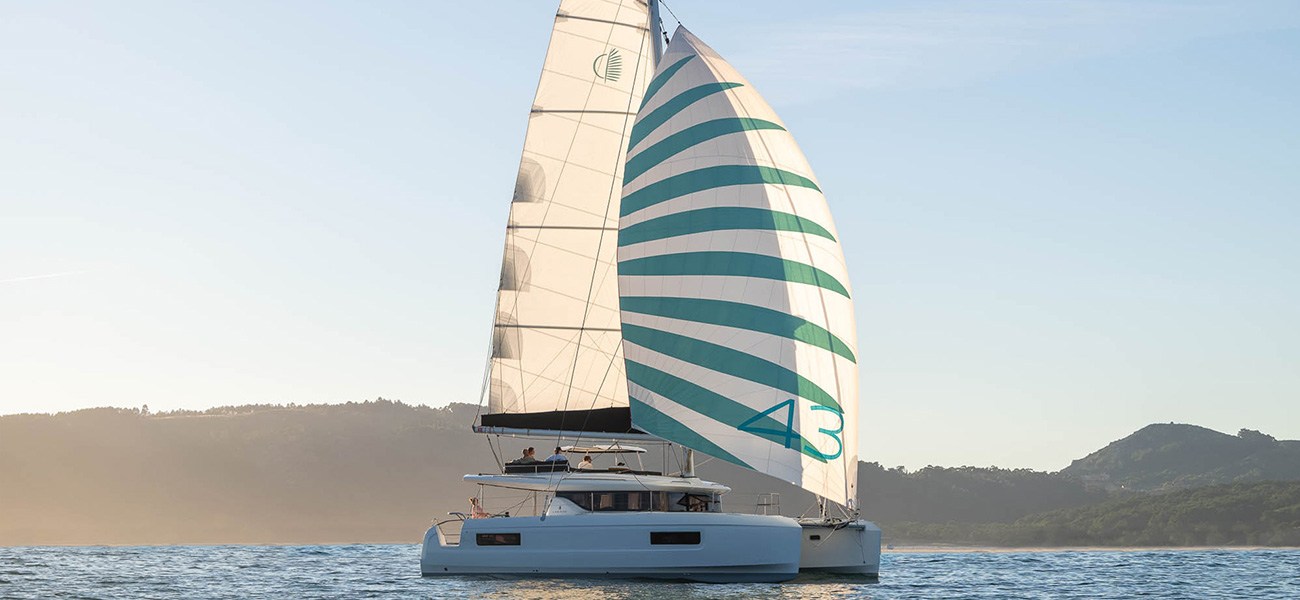
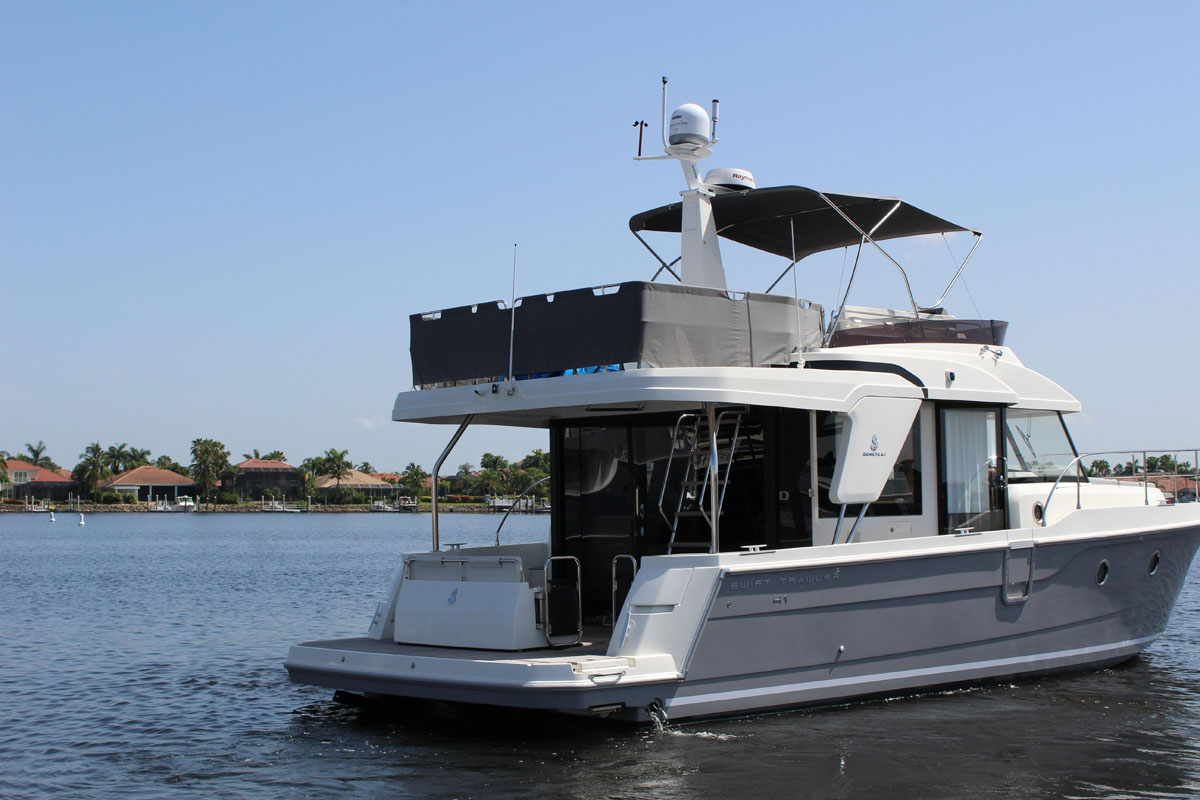
Group size determines the vessel, the vessel determines the format, and the format determines the duration. Small teams of 6–8 fit well on Duffy electric boats or entry-level sailboats for intimate harbor races. Medium groups of 20–30 do best on mid-size motor yachts or catamarans — catamarans specifically offer better value for groups of 15–20 compared to similarly-sized motor yachts. Large events of 50 or more require mega yachts with full crew and premium amenities. One important regulation: US Coast Guard rules limit most charters to 12 guests, so groups of 20 or more need certified vessels such as catamarans or mega yachts.
Choose a half-day friendly competition if the goal is broad participation and fun. Choose match racing or a full-day regatta if the goal is intense skill development and leadership testing.
Every attendee must complete a Coast Guard manifest before departure — no exceptions. Professional crew handles all navigation and safety compliance, but the organizing company should prepare its own pre-event briefing. That briefing needs to cover waiver signatures, emergency procedures, sun protection, and seasickness prevention.
Seasickness deserves specific attention because roughly 80% of the general population is susceptible to some form of motion sickness. Advise participants in advance: scopolamine patches (95% effectiveness) should be applied 4–6 hours before departure, Dramamine (85% effectiveness) taken 30–60 minutes prior, and Bonine (82% effectiveness) about 1 hour before boarding. A short reminder email 48 hours before the event gives people time to prepare.
Charter pricing breaks into clear tiers. Under $1,000 covers Duffy or entry-level boats for 6–12 guests over 3–4 hours. The $1,000–$3,500 range gets sailboats or small motor yachts for 6–12 guests over 4–6 hours. Mid-size yachts and catamarans for 12–30 guests run $3,500–$10,000 for 4–8 hours. Mega yachts for 30–50+ guests start above $10,000 for half- to full-day events.
Beyond the base charter rate, budget for crew gratuity (15–20%), sales tax (7.75%), and fuel surcharges ($300–$800 for coastal or Catalina Island routes). Food and beverages are handled separately — most charters allow BYO, or companies can arrange outside vendors for pre- and post-race dining. Off-peak booking,g such as October weekdays and choosing harbor-only routes, es can save 25–40% on the total cost.
Execution follows a predictable sequence, and knowing the steps in advance prevents the most common planning mistakes. Nail the agenda, keep the competition inclusive, mix the teams deliberately, and have a backup plan for the weather. Every successful regatta shares those four elements regardless of group size or budget. The order matters just as much as the content — each phase builds on the one before it, creating momentum that peaks at exactly the right time.
A proven agenda flows in five stages: welcome and safety briefing, sailing instruction, practice sail, competitive races, and awards ceremony. This order matters. Instruction before practice builds confidence. Practice before racing reduces anxiety. Racing before awards creates energy for the close. Award categories should go beyond first place — recognitions like "Best Sailing Skills," "Most Creative Strategy," and "Team Spirit" ensure broad participation feels rewarded. Post-regatta celebrations hosted at a nearby yacht club provide a polished setting for awards, networking, and closing the day on a high note.
Pursuit races are the easiest format for mixed-ability groups. Boats start at staggered intervals based on handicap, so the first boat across the finish line wins regardless of crew experience. This levels the playing field without removing competitive intensity. Scoring is typically placement-based, and adding multiple award categories keeps engagement high even for teams that do not finish first. Research confirms that professionally facilitated team-building programs significantly outperform purely recreational activities in boosting organizational performance — structure is the difference.
Assign teams across departments. Do not let people choose their own boats. That one decision changes the entire outcome. When marketing sails with engineering and finance shares a helm with operations, new working relationships form by necessity. Philip Samson of Forbes observed that during a sailing team-building exercise, sub-teams needed to be synchronized at all times and constantly communicate to ensure forward momentum, calling the acute awareness of interdependencies across sub-teams vital to efficient outcomes.
Up to 40% of sailors experience some form of seasickness, and prevalence can approach 100% in rough conditions. Genetics accounts for 55–70% of susceptibility variation. Women and individuals with migraines or vestibular disorders face a higher risk. Plan accordingly. Positioning guests midship reduces motion (75% effectiveness). Ginger supplements (65%) and acupressure bands (55%) offer non-pharmaceutical relief. Vessel choice matters too — large catamarans show an 8% seasickness rate versus 35% on small monohulls. Schedule early morning departures between 8–9 AM for calmer ocean conditions and always have a shortened-course option ready if the wind dies or the weather shifts.
Choose a large catamaran if participant comfort is the priority. Choose a monohull fleet if competitive authenticity matters more.
Location shapes the experience. Newport Beach is not a generic backdrop — it is a working harbor with real racing conditions, strong seasonal winds, and courses that demand strategy. That environment raises the bar on participation and emotional investment in ways an inland venue cannot match. The combination of competitive sailing, ocean scenery, and a professional racing atmosphere creates an energy level that consistently keeps people engaged from the first briefing through the final awards.
Newport Harbor is a primary racing area with courses designed to challenge strategic navigation within the harbor's confines. The setting itself raises engagement — open water, coastal scenery, and a competitive atmosphere pull people in from the moment they arrive at the dock. Peak season runs from June through August with optimal wind and weather conditions. Book weekend slots 8–12 weeks in advance during this window. For fall events, scheduling before November 15 avoids the Thanksgiving week rush and maximizes attendance.
The moments that stick are not planned — they happen when a crew recovers from a bad tack, nails a downwind set, or crosses the finish line together after trailing all race. Research shows that teams with high levels of trust and cooperation can be up to 50% more productive. That trust forms fastest through shared wins and shared setbacks experienced in real time. The unpredictable nature of the sea forces rapid problem-solving and adaptable thinking, building the kind of resilience that carries into quarterly deadlines and product launches alike.
Structure the debrief, not the metaphor. Corporate sailing programs designed with explicit reflection and reinforcement lead to sustained references to teamwork and measurable improvement in organizational performance, according to Pauwels' research. The key is drawing direct parallels between on-water roles and workplace responsibilities — not forcing analogies. As Anthony T. Hincks put it, calm sailing comes from having a good navigator, a good crew, and a good vessel — not calm waters. Let participants discover that connection themselves during a guided post-race discussion.
Keep upgrades functional, not flashy. Professional photography and videography give teams shareable content that extends the experience well beyond the event day. Live streaming lets remote colleagues or leadership follow along in real time. Post-race meals at a nearby yacht club keep the group together while conversation flows naturally. Vessels in the 50- to 85-foot range offer spacious outdoor and enclosed areas so guests stay comfortable between races without feeling confined. These touches signal investment in the team without pulling focus from the core purpose — bonding through shared effort.
A great regatta day means nothing if the lessons evaporate by Monday. The event itself is only half the value — the other half comes from what happens afterward. Measurement turns a one-day outing into a long-term investment with provable returns. The key is structured debriefs run while the experience is fresh, intentional follow-through in the weeks that follow, and trackable metrics that justify the spend to leadership and make the case for doing it again.
Run the debrief the same day, while the experience is fresh. Three questions do most of the work: What role did you play, and how did it feel? What would you do differently next race? What did your team do well under pressure? These are simple, but they force participants to connect the on-water experience to how they operate at work. The answers reveal patterns — who stepped up, where communication broke down, and what collaboration looked like when it actually worked. Key metrics to baseline before the event and measure afterward include employee engagement scores, frequency of cross-team collaboration, and communication quality ratings.
Shared language keeps shared experiences alive. Teams that adopt sailing metaphors into daily work — "trimming the sails" for adjusting strategy, "tacking" for pivoting direction — maintain a subtle but constant connection to what they learned on the water. It sounds small. It works. Approximately 75% of employees rate team-building activities positively, and organizations that follow through with reinforcing rituals see improved morale and reduced turnover. A monthly "crew check-in" referencing regatta roles can keep the dynamic present without adding another meeting to the calendar.
Companies can see up to a $4 return for every $1 invested in team building, with 12–20% productivity gains and higher profits. But only if someone tracks it. The metrics that matter most are collaboration frequency, cross-departmental project outcomes, employee engagement survey scores, and voluntary turnover rates — measured at 30, 60, and 90 days post-event. Compare these against pre-regatta baselines. If collaboration frequency rises and turnover drops within that window, the event paid for itself. If the numbers hold flat, the debrief or follow-through needs work, not the regatta format.
A corporate regatta does what most team-building events promise but rarely deliver — it changes how people work together. The communication habits, trust, and leadership instincts built during a single day of racing carry into meetings, projects, and deadlines long after the sails come down. At Newport Beach Sailing, we design corporate regattas for groups of all sizes and experience levels. We handle the boats, the crew, the race management, and the details so your team can focus on what matters — working together. Reach out to us today to start planning a regatta your team will talk about for years.