

The yacht charter industry has transformed into a sophisticated market serving diverse travelers seeking private maritime experiences. Understanding the charter booking process requires knowledge of vessel types, pricing models, seasonal patterns, and regional differences that shape your journey from initial contact through departure.
Global market data reveals strong growth trajectories and shifting consumer preferences that influence availability and cost. Newport Beach stands as a premier North American destination offering harbor cruising, coastal adventures, and Catalina Island expeditions with transparent pricing across budget tiers.
A yacht charter provides exclusive use of a vessel for a specified duration, offering complete privacy and customizable itineraries unavailable on traditional cruises. Bareboat charters allow experienced sailors to captain the vessel themselves, requiring proper licensing and navigation skills.
Crewed charters include professional captains and crew who handle all operations, meal preparation, and onboard services. This option dominates the luxury segment with 80.2% of revenue, appealing to guests seeking hands-free experiences with personalized attention.
The yacht charter market functions through charter companies, brokers, and direct vessel owners serving global destinations. Europe captures 69.24% of the market share, while North America represents $1.31 billion in annual revenue with strong infrastructure in hubs like Newport Beach and South Florida.
Consumer demand drives pricing fluctuations based on season, vessel availability, and regional popularity. The market is valued at $8.98 billion to $9.69 billion in 2025, with projections indicating growth to $15 billion to $18.20 billion by 2034.
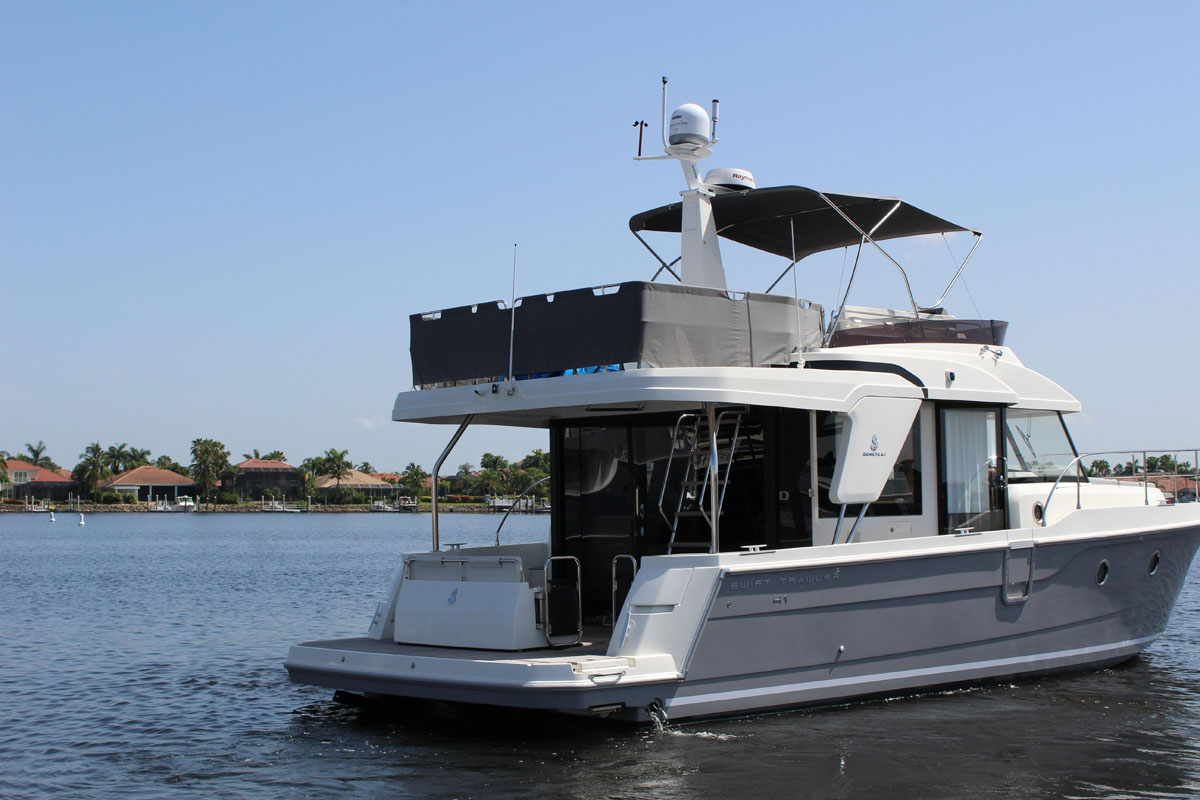
Motor yachts dominate the charter market with 87.3% of revenue share, powered by engines delivering speeds of 18+ knots. Displacement hulls sit fully in the water, slicing through waves with exceptional fuel efficiency, 1.5 to 3 times better than planing designs.
Planing hulls rise up and ride on top of the water, delivering high-speed performance but consuming fuel rapidly and providing a harder ride in rough seas. Semi-displacement hulls bridge displacement and planing designs, offering faster cruising than traditional hulls while maintaining better fuel economy and requiring stabilizers to minimize roll.
Approximately 75% of charters are reserved 4 to 12 months before departure, with the most common lead time falling between 6 and 9 months. Last-minute bookings made within one month of departure account for only 1% to 2% of total reservations.
Seven-day charters account for over 80% of trips globally, maintaining the traditional Saturday-to-Saturday model. Groups of 4 to 6 people represent the most common crew size, with parties of 4 being the single most frequent booking configuration.
The global yacht charter market is valued at $8.98 billion to $9.69 billion in 2025, driven by increasing demand for experiential luxury travel. Market projections indicate a compound annual growth rate of approximately 8.19%, reaching $15 billion to $18.20 billion by 2034.
Europe captures 69.24% of the market share in 2025, with Mediterranean destinations commanding premium pricing year-round. North America is valued at $1.31 billion in 2025, representing 14.63% of global revenue with established infrastructure supporting domestic and international charterers.
Summer remains peak season globally, with June emerging as the busiest month for trip start dates. Booking 6 to 9 months in advance provides the widest selection of vessels and preferred dates.
October bookings have risen by 9% to 11% year-over-year, indicating growing interest in shoulder-season sailing when destinations are less crowded. Early booking discounts average 33% off base charter fees, providing significant value for advance planning.
Planning your charter well ahead ensures access to highly sought-after vessels that book quickly for peak summer months. The majority of charterers reserve between 4 and 12 months before departure, with optimal timing at 6 to 9 months out.
October has experienced notable booking growth of 9% to 11% annually, reflecting demand for autumn trips with favorable weather and reduced crowds. Shoulder-season travel offers better availability and often lower pricing compared to summer peaks.
Midweek yacht charters provide better availability and access to vessels that typically book out for Friday through Sunday departures. Weekend pricing can be 5% to 10% higher than weekday rates, making Wednesday and Thursday starts strategically advantageous.
Choosing midweek dates opens flexibility while offering less crowded anchorages. Harbor areas and popular destinations experience reduced traffic during weekdays, enhancing the overall charter experience.
Harbor-only routes eliminate substantial fuel surcharges, typically ranging from $300 to $500 for coastal cruising or $600 to $800 for Catalina Island trips. These cruises provide stunning views of waterfront estates, yacht clubs, and coastal landmarks without extended travel time.
Ocean cruising to destinations like Catalina Island requires a minimum charter duration of 8+ hours to allow adequate travel and exploration time. Coastal and offshore adventures offer more adventurous experiences but necessitate careful planning for fuel costs and weather conditions.
The average age of yacht charterers has fallen by 10 years over the past two decades, now typically ranging between 40 and 50 years old. This demographic shift reflects changing priorities toward experiential travel and digital-first booking platforms.
Ultra-high-net-worth individuals (UHNWIs) represent a key segment, with 60% now under 50 years old, demanding wellness-focused itineraries and personalized service. Millennials and Generation Z prioritize unique experiences over traditional luxury, taking more trips with shorter durations.
The average age of yacht charterers has decreased by 10 years over the past two decades, bringing younger, tech-savvy clients into the market. Sixty percent of ultra-high-net-worth individuals are now under 50, seeking digital booking experiences and customizable adventures.
Millennials and Generation Z drive demand for experiential travel, prioritizing authentic maritime experiences and unique destinations. Baby Boomers and Generation X travel less frequently but place a higher value on quality, comfort, and seamless professional service.
Groups of 4 to 6 people are most common, with parties of 4 representing the single most frequent booking size. This configuration suits couples traveling together or small family groups seeking intimate private experiences.
Seven-day charters account for over 80% of trips, maintaining the traditional Saturday-to-Saturday model preferred globally. Shorter getaways of 3 to 4 days represent a smaller fraction but are increasingly popular in urban coastal markets like Newport Beach.
Bareboat sailing accounts for 97% of customers globally, appealing to experienced sailors who possess proper licensing and navigation skills. These charters require thorough vessel orientation and familiarity with local waters, weather patterns, and navigation regulations.
Crewed charters account for 80.2% of luxury market revenue, driven by demand for personalized, hands-free experiences. Professional crews handle all vessel operations, meal preparation, and itinerary planning while guests focus entirely on relaxation and enjoyment.
Yacht categories are primarily divided into motor yachts, sailing yachts, and catamarans, each offering distinct advantages based on speed, stability, and onboard space. Motor yachts deliver speeds of 18+ knots with spacious interiors and multiple decks, while sailing yachts provide authentic maritime experiences with lower fuel costs.
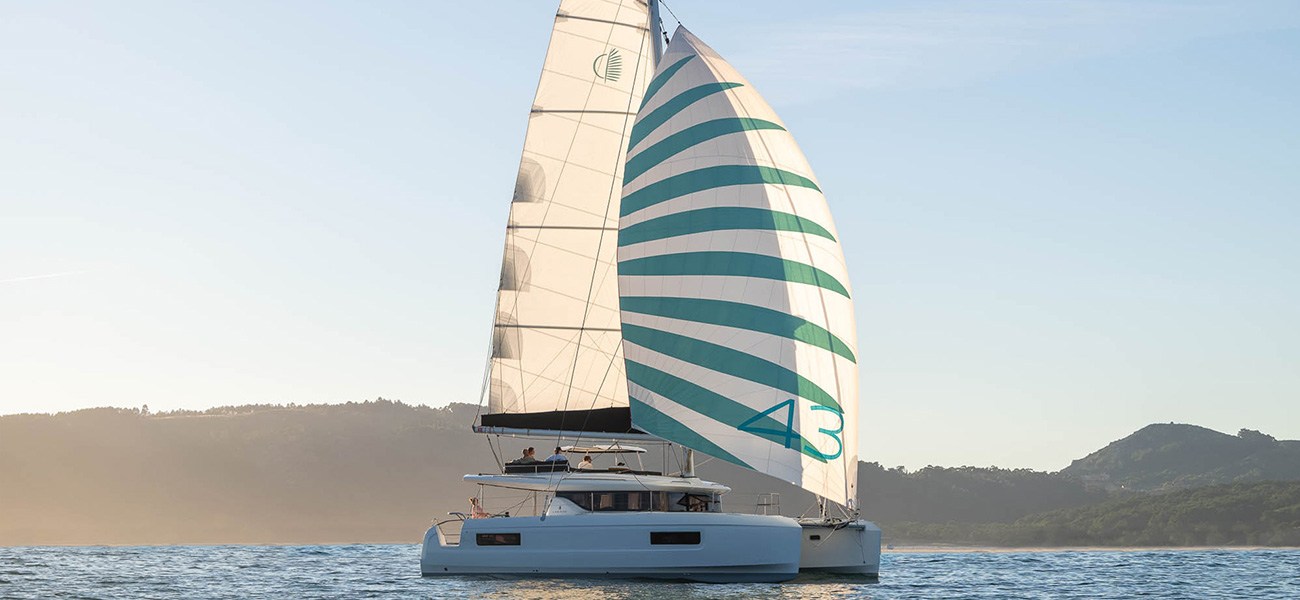
Catamarans feature twin hulls connected by a central deck, offering exceptional stability and shallow draft for exploring close to shore. Vessel choice directly impacts pricing, operational requirements, and the overall character of your charter experience.
Motor yachts dominate with 87.3% of revenue share, powered by engines delivering fast cruising at 18+ knots for efficient destination coverage. These vessels offer luxurious amenities, spacious interiors, and minimal weather dependency compared to sail-powered alternatives.
High fuel consumption represents the primary drawback, with motor yachts requiring substantially more fuel than displacement-hull sailing vessels. Newport Beach motor yacht pricing typically ranges from $1,500 to $6,000+ for 4 to 8-hour charters, depending on vessel size and amenities.
Sailing yachts harness wind power for propulsion, offering lower fuel costs and an authentic connection to traditional maritime experiences. These vessels require specific sailing skills and remain dependent on wind conditions, with slower speeds and less interior volume than motor yachts.
Catamarans provide high stability with reduced capsizing risk, spacious accommodations, and shallow draft, enabling close-to-shore exploration. The wider beam makes maneuvering in tight marinas challenging, though catamarans excel for families and large groups seeking comfortable, stable platforms.
Displacement hulls sit fully in the water, slicing through waves with exceptional smoothness and fuel efficiency 1.5 to 3 times better than planing hulls. These designs are limited to speeds of 10 to 15 knots, prioritizing comfort and economy over rapid transit.
Planing hulls rise up and ride on top of the water, delivering high speeds and exciting performance at the cost of substantial fuel consumption. These hulls provide a harder ride in rough seas, making displacement or semi-displacement designs preferable for extended cruising comfort.
Base charter rates represent only the starting point, with additional expenses including fuel, crew gratuity, provisioning, and local taxes, significantly impacting total cost. Understanding the complete fee structure prevents budget surprises and enables accurate trip planning.
Newport Beach offers transparent pricing across budget tiers, from Duffy electric boats under $1,000 to mega yachts exceeding $10,000 for full-day experiences. Global markets like the Mediterranean present different pricing models, with bareboat sailboats costing €3,000 to €15,000 per week.
Newport Beach budget options under $1,000 include Duffy electric boats for 3 to 4 hours, accommodating 6 to 12 guests in harbor-only settings. Mid-range charters priced at $1,000 to $3,500 offer sailboats or small motor yachts for 4 to 6 hours with captain and crew included.
Premium charters ranging from $3,500 to $10,000 provide mid-size motor yachts for 4 to 8 hours accommodating 12 to 30 guests with full crew and water toys. Ultra-luxury experiences exceeding $10,000 feature mega yachts for half to full-day charters serving 30 to 50 guests with premium amenities.
The Advance Provisioning Allowance (APA) is an upfront payment covering fuel, food, beverages, and port fees, typically ranging from 30% to 35% of the base charter fee. Motor yachts may require APA up to 50% due to higher fuel consumption and operational costs.
Crew gratuity standard is 15% to 20% of the base charter fee, with California sales tax adding 7.75% to the total cost. Fuel surcharges range from $300 to $500 for coastal cruising or $600 to $800 for Catalina Island trips, depending on distance and vessel type.
Early booking discounts average 33% off base charter fees, providing substantial savings for those planning 6 to 9 months in advance. Midweek charters offer 5% to 10% lower pricing compared to weekend rates while providing better vessel availability.
Harbor-only routes eliminate fuel surcharges, reducing total costs while delivering stunning views of Newport Beach waterfront estates and yacht clubs. Choosing displacement-hull sailing yachts over planing-hull motor yachts reduces fuel consumption by 1.5 to 3 times, lowering operational expenses significantly.
Privacy remains a defining aspect of ultra-luxury trips, with travelers increasingly seeking unspoiled destinations away from crowded tourist areas. Private yacht platforms offer complete freedom from rigid schedules and shared public spaces found on traditional cruise ships.
Cultural immersion has evolved beyond simple sightseeing, with guests expecting intentional interaction with local communities through private chef experiences, artisan visits, and historical tours. Wellness-focused itineraries featuring onboard specialists, dedicated health facilities, and mindfulness programming represent growing demand segments.
Privacy drives increasing demand for yacht charter options as travelers seek complete control over their environment and guest list. Private platforms eliminate shared public spaces and rigid schedules inherent to traditional cruise experiences.
Wellness-focused itineraries featuring onboard specialists, dedicated health facilities, and mindfulness programming attract clients prioritizing mental and physical health. Cultural immersion through private experiences with local chefs, artisans, and historians provides authentic connections unavailable through standard tourism channels.
Extended yacht charter trips and round-the-world itineraries are gaining traction as clients escape high-energy lifestyles in favor of calm, intuitive hospitality. Slower travel patterns allow deeper exploration of fewer destinations rather than rushed multi-port itineraries.
Remote regions, including Indonesia, Norway, the Galapagos, and the Red Sea, are developing as future yachting hubs beyond traditional Mediterranean and Caribbean waters. These emerging destinations offer unspoiled natural environments and unique cultural experiences for adventurous charterers.
The global yacht charter market is projected to reach $15 billion to $18.20 billion by 2034, representing a compound annual growth rate of approximately 8.19%. The US market specifically is projected to reach $1.66 billion by 2032, fueled by a strong recreational boating culture and established infrastructure.
Motor yachts will likely maintain dominance with 87.3% of revenue share, though catamarans represent the fastest-growing segment within sailing categories. Demographic shifts toward younger, experience-focused travelers will continue shaping product offerings and booking technologies.
Successful charter planning requires understanding the complete yacht rental steps from initial inquiry through departure day. Begin by researching when to book yacht charter Newport Beach options, ideally 6 to 9 months in advance for peak season availability.
The charter booking process involves selecting vessel type, confirming dates, reviewing contract terms, and paying required deposits. Budget for crew gratuity of 15% to 20% of the base charter fee, add fuel surcharges to base rates, include 7.75% California sales tax in total cost, and plan for an APA of 30% to 35% for multi-day crewed charters.
Confirm whether your preference aligns with captained or bareboat options, as 97% of global customers choose bareboat sailing while luxury segments favor crewed experiences. Review etiquette and tipping guidelines to understand crew gratuity standards and onboard protocols.
Consider comprehensive planning tips that address itinerary customization, provisioning coordination, and weather contingency planning. Evaluate complete pricing structures, including hidden fees, to establish accurate budgets before committing.
Timing strategies include booking during shoulder seasons when October reservations have risen 9% to 11% year-over-year, offering better availability and pricing. Midweek departures provide 5% to 10% lower rates compared to weekend bookings while reducing harbor and anchorage congestion.
Vessel selection impacts the entire experience, with displacement hulls offering 1.5 to 3 times better fuel efficiency than planing hulls but limiting speeds to 10 to 15 knots. Motor yachts deliver speeds of 18+ knots with spacious amenities, while sailing yacht charters provide authentic maritime experiences with lower operational costs.
The global market's growth from $8.98 billion in 2025 to a projected $15 billion by 2034 reflects increasing accessibility and demand for personalized luxury travel. North America's $1.31 billion market share demonstrates strong regional infrastructure supporting both domestic and international charterers.
Understanding hull construction types enables informed decisions about comfort versus performance priorities. Displacement hulls slice through waves smoothly with exceptional fuel economy, while planing hulls provide high speeds at the cost of harder rides in rough seas and higher fuel consumption.
Demographic shifts toward younger charterers, averaging 10 years younger than two decades ago, have introduced digital-first booking expectations and wellness-focused itineraries. Ultra-high-net-worth individuals under 50 now represent 60% of the luxury segment, demanding customizable experiences and authentic cultural immersion.
The transformation of yacht charters from an ultra-luxury niche to an accessible premium service has created opportunities for diverse travelers seeking private maritime experiences. Market growth, demographic shifts, and evolving consumer preferences continue shaping an industry offering unparalleled freedom and customization.
Newport Beach yachting offers diverse options from harbor-only cruises, eliminating fuel surcharges, to Catalina Island expeditions requiring 8+ hour minimums. Consider harbor routes for stunning waterfront views without extended travel costs, or choose ocean adventures for more adventurous experiences.
The charter booking process for Newport Beach destinations involves direct contact with local operators offering transparent pricing without third-party booking fees. Reviewing vessel specifications, crew credentials, and customer testimonials ensures alignment with your specific event or experience goals.
Strategic planning for Newport Beach yachting includes confirming preferred dates, discussing custom itinerary options, and coordinating catering services for special events or corporate gatherings. Early bird adventure booking secures optimal vessel selection and captures early reservation discounts averaging 33% off standard rates.
Final preparations include confirming departure logistics, reviewing safety protocols, and understanding cancellation policies. Professional crews provide vessel orientations, explain onboard systems, and ensure guest comfort throughout the charter duration.
Newport Beach Sailing Charters provides personalized service with local expertise in Southern California waters, including Newport Beach, Laguna Beach, Catalina Island, and the Channel Islands. Their interactive sailing model allows guests to steer, trim sails, or relax completely based on individual preferences.
Now that you know what goes into a yacht charter, putting it into practice in Newport Beach is the easy part. Newport Beach Sailing Charters & Yacht Rentals walks you through every step from your first call to casting off, with no booking fees and the lowest rate guaranteed when you book direct.
Your charter is always private, never shared with another group, and our local captains know Newport Harbor, Catalina Island, Laguna Beach, and the Channel Islands by heart. We'll build your day around what you actually want, whether that's a half-day harbor cruise, a sunset sail, a corporate regatta, a milestone celebration, or a multi-day island escape. Take the helm and learn the ropes, or kick back with a drink and watch the coastline roll by. The choice is yours.
Contact our team to start planning your Newport Beach yacht charter today, or schedule a quick call to talk through your ideal itinerary.