


Key Takeaways:
February sailing in Newport Beach presents distinct conditions requiring different preparation than summer charters. Understanding these seasonal differences—temperature ranges, wind patterns, swell characteristics, and weather variability—helps determine appropriate vessel choices, clothing requirements, and itinerary expectations. The month offers unique advantages including fewer crowds, lower pricing, and dynamic sailing conditions appealing to experienced sailors while remaining accessible for protected harbor cruises.
This guide clarifies what February conditions mean practically: how cold it actually feels on the water, when winds blow strongest, where swells impact comfort most, and what preparation prevents discomfort. Realistic expectations based on actual weather data and charter operator experience ensure February trips deliver satisfaction rather than unpleasant surprises from inadequate planning.
February creates a mild, cool sailing environment fundamentally different from bustling summer seasons. The seasonal shift affects every aspect of charter experiences from clothing requirements to route selection.
February brings generally pleasant though cooler conditions with higher rain chances than summer. Sailors should prepare for ranges from calm, sunny days to breezy afternoons with potential showers. This creates dynamic sailing experiences where conditions can shift within single charters, requiring adaptable planning and flexible expectations.
The calmer harbor offers protected environments for leisurely tours while open ocean presents more challenging and rewarding coastal sailing. As Sail Newport Beach notes: "Winter months offer challenging sailing conditions, featuring colder air temperatures, stronger winds, and occasional winter storms. However, this season also brings the advantage of fewer crowds and a more serene environment." This trade-off defines February sailing—accepting variable conditions gains peaceful experiences impossible during peak season.
Cooler sea temperatures necessitate appropriate attire including wetsuits for any water activities. The 58.6°F average water temperature creates genuine hypothermia risks during immersion, making safety preparation non-negotiable rather than optional. Even sunny days feature cold water requiring respect and proper gear.
Open ocean conditions can present more challenging sailing compared to protected harbor environments. Winter requires extra vigilance and proper equipment—the combination of cooler water and air temperatures means preparation directly determines comfort and safety levels. Casual summer approaches prove inadequate for February conditions where exposure creates real consequences.
Wind patterns determine sailing quality more than any other weather factor. February averages and extremes differ significantly from summer norms, affecting both route selection and vessel performance.
Average wind speeds measure 7-10 mph (6-9 knots) with gusts reaching 15-25 knots, compared to summer's 5-9 mph averages. These moderate averages mask afternoon variability when stronger gusts develop, creating more exhilarating sailing for experienced mariners. Morning conditions typically prove calmer than afternoons when thermal effects strengthen winds.
The potential for stronger gusts particularly in afternoons means timing matters. Day charters scheduled for morning departures often encounter gentler conditions than afternoon starts, though February's moderate baseline means competent sailors handle typical conditions comfortably.
February's moderate breezes provide excellent sailing performance for properly configured vessels. Experienced sailors report spirited sails possible in these conditions—one couple shut off their engine entirely for a full-day coastal sail toward Laguna Beach, relishing the performance February winds delivered.
Wind strength influences route comfort significantly. Protected harbor routes remain pleasant across all February wind ranges while coastal passages become more demanding during stronger afternoon gusts. Captains adjust routes based on real-time conditions, prioritizing guest comfort over predetermined itineraries when conditions warrant modifications.
Swell characteristics determine ride quality and comfort levels. Understanding typical wave heights and periods helps set realistic expectations for motion and sea state.
Wave heights generally measure small swells under 1.5 feet though offshore conditions can produce larger swells. Summer comparison shows typically calm conditions with swells under 1 foot, making February noticeably more active. These potentially mixed sea conditions create the variable motion affecting seasickness-prone guests.
The difference between 1-foot and 1.5-foot swells sounds minimal but creates perceptible motion increases, especially for guests unaccustomed to ocean environments. Potentially choppy seas mean vessel selection matters—monohulls prove more susceptible to heeling and rolling, creating less comfortable experiences for some guests compared to stable catamaran platforms.
The calmer harbor offers protected environments for leisurely tours with minimal wave action regardless of offshore conditions. Once outside breakwaters, the open ocean presents more challenging conditions where swell height and period directly impact ride quality. The contrast proves dramatic—harbor tours remain smooth while coastal passages outside protection encounter full swell exposure.
Conditions too rough offshore sometimes require switching plans to harbor cruises instead of coastal sailing. Experienced captains make these calls based on actual sea state rather than forecasts alone, prioritizing guest safety and comfort. The harbor's protection creates fallback options, maintaining enjoyable experiences even when ocean conditions exceed comfort thresholds.
Temperature ranges—both air and water—require specific preparation different from summer charters. Understanding actual numbers helps determine appropriate clothing and activity planning.
Air temperatures average 65-66°F highs and 50-52°F lows, compared to summer's 78-80°F highs and 64-66°F lows. The 15-degree temperature drop from summer proves significant, especially with wind chill effects on the water. What feels comfortable on land becomes cold quickly when combined with wind and spray.
Sea temperature averages 58.6°F versus summer's 68-70°F. This 10-degree water temperature difference creates genuine cold water immersion risks and hypothermia potential. Even on sunny days, water remains cold—guests must understand this fundamental reality regardless of pleasant air temperatures creating false security about conditions.
Rainfall averages 2.4-2.8 inches over approximately 3 days monthly, compared to summer's minimal precipitation typically under 0.1 inches. Cloud cover reaches overcast or mostly cloudy conditions 40% of the time versus summer's mostly clear or partly cloudy 75% of the time. This means February charters encounter clouds and potential rain significantly more often than summer trips.
Higher rain chances than summer don't mean constant precipitation but require preparation. Breezy afternoons with potential showers represent typical February patterns rather than all-day downpours. Weather variability means conditions can shift during single charters—groups prepared with proper rain gear handle passing showers comfortably while unprepared guests suffer unnecessarily.
Daylight hours and visibility conditions affect departure timing and activity scheduling. Shorter days require different planning than summer's extended light.
Full-day coastal sails remain viable in February despite shorter daylight—experienced sailors report returning to harbor at sunset feeling accomplished after complete day trips. However, the earlier sunset compared to summer means later departures consume proportionally more available daylight, reducing flexibility.
Charter timing should account for seasonal daylight limitations. Morning departures maximize usable light while late afternoon starts face rapid darkness onset. Activities requiring good visibility—wildlife watching, coastal photography, navigation practice—benefit from earlier scheduling within available daylight windows.
Morning marine layers and haze can reduce visibility though these conditions typically burn off as temperatures rise. The pattern resembles summer marine layer behavior but with different timing and persistence based on February's cooler temperatures and varied weather patterns. Captains monitor conditions and adjust departure timing when visibility warrants delays.
Clear visibility proves important for safety and enjoyment. When morning haze persists, later departures after conditions improve often deliver better experiences than forcing early starts through poor visibility. Captained charters with experienced crews make these timing decisions based on actual conditions rather than rigid schedules.
Harbor environments provide protected sailing regardless of outside conditions. Understanding this distinction helps guests choose appropriate charter types matching comfort priorities.
Newport Beach harbor provides protected waters ideal for February sailing, creating calm conditions even when ocean swells build outside breakwaters. The protection proves dramatic—families report smooth rides on 3-hour harbor tours where catamaran stability keeps motion minimal despite active offshore conditions.
Spacious, enclosed salons on appropriate vessels provide warm places for guests wanting shelter from wind and spray. One family enjoyed hot cocoa while cruising past waterfront homes and sea lions, experiencing harbor beauty without summer crowds. The controlled environment transforms potentially challenging February conditions into pleasant experiences through proper vessel selection and route choice.
Fewer boats on the water create more peaceful and intimate experiences compared to summer congestion. Popular anchorages prove less crowded, giving charterers more stunning coastal scenery to themselves. The reduced traffic eliminates the stress and delays characterizing peak season navigation through crowded channels and mooring fields.
Light traffic means easier maneuvering, faster transits through the harbor, and better availability at popular stops. Captains appreciate the operational ease while guests enjoy the serene atmosphere. This crowd advantage represents one of February's most significant benefits—experiencing Newport Beach's beauty without the overwhelming summer boat traffic.
Leaving protected waters changes the experience fundamentally. Understanding these differences helps set appropriate expectations and determine suitable routes.
Open ocean presents more challenging and rewarding coastal sailing once outside harbor protection. Wave heights can reach larger sizes offshore compared to inside breakwaters, creating more active motion. The transition from calm harbor to exposed ocean proves noticeable—guests feel the difference immediately upon clearing jetties.
Conditions too rough offshore sometimes necessitate altered plans favoring harbor cruises instead of coastal sailing. This flexibility prevents uncomfortable experiences when the sea state exceeds guest tolerance or safety margins. Experienced captains assess conditions at the harbor entrance and make go/no-go decisions for coastal routes based on actual observed conditions.
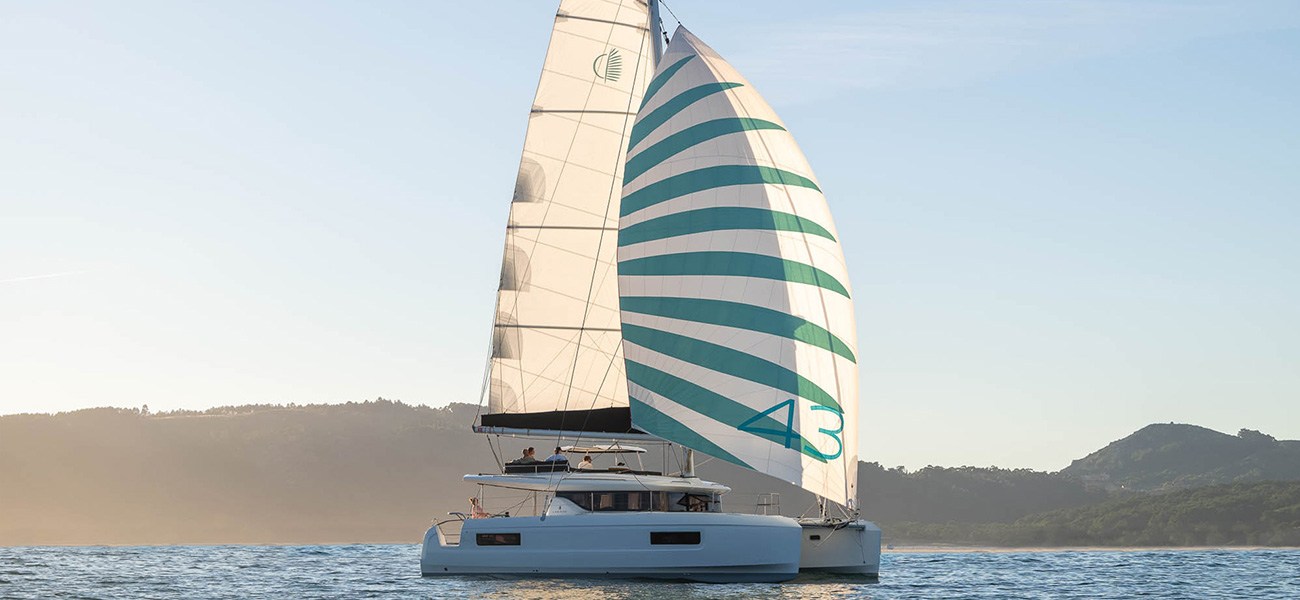
Catamarans' twin-hull design minimizes rocking motion, reducing seasickness likelihood significantly. Their stability provides significant advantages in potentially mixed sea conditions characterizing winter sailing. The most stable and spacious option for February charters, catamarans maintain comfort levels impossible on monohulls during active sea states.
Route selection combines with vessel choice for motion management. Coastal routes following shoreline contours often encounter less swell than passages crossing open water. Captains familiar with local geography identify paths minimizing exposure to dominant swell directions, maintaining comfort without sacrificing interesting destinations. Adventure charters leverage this local knowledge for optimal routing.
Timing and routing decisions determine charter success. Understanding how to optimize these choices prevents common mistakes reducing satisfaction.
Potential for stronger gusts particularly in afternoons suggests morning departures for guests preferring calmer conditions. Thermal effects strengthen winds as the day progresses, creating more challenging sailing later. However, experienced sailors specifically seeking performance may prefer afternoon conditions providing better sailing opportunities.
The choice depends on priorities—comfort versus excitement, leisurely touring versus active sailing. Morning timing suits families, novice sailors, and anyone prioritizing calm conditions. Afternoon windows appeal to competent sailors wanting February's moderate breezes at their strongest for spirited performance sailing.
Contact charter companies directly to discuss plans—they provide best advice on vessel selection and itinerary based on latest conditions. Captains review marine weather forecasts from reliable sources like NOAA, then apply local knowledge about how forecasts translate to actual conditions in specific areas.
Hiring licensed captains proves strongly recommended unless you possess highly experienced local sailor credentials. Their knowledge of local waters, weather patterns, and safe anchorages proves invaluable, especially in winter when variability increases. Be flexible with itineraries since weather proves more variable in February—prepared to alter plans, perhaps opting for harbor cruises instead of coastal sails if conditions offshore become too rough. Frequently asked questions address common planning concerns.
Proper clothing and gear directly determine comfort levels. Understanding layering systems and essential items prevents the discomfort plaguing unprepared charterers.
Layering proves key to staying warm and comfortable—avoid cotton which loses insulating properties when wet. The three-layer system works: moisture-wicking base layer of synthetic fabric like polypropylene or merino wool pulls sweat away from skin; insulating mid-layer such as fleece jacket or puffy vest traps body heat; waterproof and windproof outer layer of foul-weather gear protects from spray and wind.
One group packed layers including waterproof outer shells and thermal base layers. When unexpected rain showers passed through, they stayed warm and dry, transforming the experience into a memorable adventure rather than an uncomfortable ordeal. This preparation difference separates satisfied charterers from miserable ones—the conditions remain identical but proper gear determines whether guests enjoy or endure them.
Warm hats, gloves, and wool socks protect extremities where heat loss occurs rapidly. Waterproof boots or deck shoes with good traction prove essential—wet, slippery decks combined with cold create genuine safety hazards beyond simple discomfort. Don't neglect these seemingly minor items—cold hands and feet ruin experiences regardless of core body warmth.
Bring warm beverages in thermoses and plenty of snacks to maintain energy levels. One group brought thermos of hot soup while a family enjoyed hot cocoa while cruising—these simple additions dramatically improve comfort and satisfaction. The calories and warmth provide both physical and psychological benefits during February conditions.
Motion sensitivity affects many guests. Understanding preventive measures reduces seasickness incidence significantly.
Catamarans' twin-hull design minimizes rocking motion, reducing seasickness likelihood for susceptible guests. Families choosing 45-foot catamarans report stability keeping rides smooth even when offshore conditions build. The vessel selection decision alone prevents many seasickness cases before charters even begin.
Pre-trip medication works when taken properly—consult packaging for timing since most motion sickness medications require administration before symptoms develop. Avoid heavy meals immediately before departure but don't sail on completely empty stomachs either. Light, bland foods settle best. Get adequate sleep the night before—fatigue increases susceptibility significantly.
Catamarans widely regarded as the most stable options minimize rocking motion through inherent design advantages. When aboard any vessel type, position yourself amidships where motion proves least—avoid bow and stern extremes where pitching maximizes. Stay on deck in fresh air rather than going below where visual-vestibular conflicts worsen symptoms.
Focus on the horizon to provide stable visual reference helping inner ear recalibrate. Avoid reading or screen time which exacerbate sensory conflicts. Stay hydrated and continue eating light snacks—empty stomachs worsen symptoms contrary to common belief about avoiding food. These behavioral adjustments combined with appropriate vessel selection significantly reduce seasickness incidence.
Marine life sightings enhance charter experiences. Understanding what appears commonly in February helps set appropriate expectations.
Cruising past waterfront homes and sea lions represents typical harbor tour highlights—sea lions bask visibly on buoys and jetties throughout the harbor area. Their abundance and accessibility make them reliable sighting subjects regardless of weather or conditions. Families particularly enjoy watching sea lion antics from comfortable vessel vantage points.
February represents peak gray whale migration season though this receives detailed coverage in separate whale watching guides. Harbor seals appear occasionally though less conspicuously than sea lions. Bird life including pelicans, cormorants, and gulls remains active year-round. The combination creates diverse wildlife viewing without venturing into challenging offshore conditions.
Harbor tours allow viewing sea lions in protected waters where conditions remain consistently comfortable. The controlled environment ensures reliable sightings without weather-dependent offshore passages. Coastal sails provide different wildlife opportunities including marine mammals and seabirds utilizing open ocean habitats.
Weather and sea state determine whether offshore wildlife viewing proves practical. Rough conditions make spotting and approaching marine life difficult while increasing guest discomfort to levels preventing wildlife appreciation. Calm periods provide optimal viewing when vessels maneuver easily and guests comfortably observe extended periods.
Safety protocols and booking policies require understanding for proper February charter planning. These operational details prevent problems before they develop.
Check marine forecasts thoroughly—review latest marine weather forecasts from reliable sources like NOAA before and during charters. Weather proves more variable in February, requiring closer monitoring than summer's predictable patterns. Be prepared to alter plans, opting for harbor cruises instead of coastal sails if conditions offshore become too rough.
Inspect safety gear ensuring charter vessels carry all required equipment: life jackets for everyone, flares, first-aid kits, and VHF radios. Don't assume compliance—verify directly. The cooler conditions and increased weather variability make proper safety equipment more important in February than summer when consequences of equipment failures prove less severe.
Speak with charter companies about their specific weather cancellation policies and rescheduling procedures. Ask if they offer off-season or winter packages potentially including flexible rescheduling terms accounting for February's variable conditions. One group consulted their charter captain extensively beforehand, establishing clear communication about weather decision-making and backup plans.
Understand who makes the final go/no-go decision and what specific conditions trigger cancellations versus route modifications. Clarify financial implications—deposit retention, credit policies, insurance options. These conversations before booking prevent misunderstandings when weather forces changes, ensuring both parties share expectations about responsibility and remedies.
Mid-charter adjustments maintain safety and comfort when conditions shift. Understanding available options and decision processes helps guests remain confident during changes.
Hiring licensed captains proves strongly recommended—their knowledge of local waters, weather patterns, and safe anchorages proves invaluable for real-time decision-making. Experienced captains monitor conditions continuously, identifying trends before they become problems. Route modifications happen proactively rather than reactively when professional judgment guides decisions.
Be flexible with itineraries since weather variability characterizes February. Captains may alter routes, shorten passages, or modify scheduled stops based on developing conditions. Trust their expertise—they prioritize safety and comfort while maximizing enjoyment within actual rather than hoped-for conditions. Resistance to professional recommendations only reduces satisfaction without changing weather realities.
File float plans informing someone on shore of itinerary, departure time, planned route, and expected return time. This simple step dramatically improves emergency response capabilities if problems develop. Brief all guests before departing—conduct safety briefings covering location of safety equipment and emergency procedures even on seemingly routine harbor tours.
Stay hydrated and nourished throughout charters. Dehydration and low blood sugar reduce cold tolerance and increase seasickness susceptibility. Understand cold water risks even when air temperatures feel comfortable—the 58.6°F water temperature creates hypothermia danger during any immersion regardless of sunny conditions creating false security.
Synthesizing planning elements into actionable strategies creates successful February experiences. Focus on essential decisions driving outcomes.
Check marine forecasts from NOAA for three critical factors: wind speed averaging 7-10 mph with gusts up to 15-25 knots determines sailing intensity and route suitability; wave height generally measuring small swells under 1.5 feet but potentially larger offshore affects comfort and vessel selection; rainfall averaging 2.4-2.8 inches over approximately 3 days monthly influences timing and required rain gear.
These three metrics—wind, waves, rain—determine whether proposed plans match actual conditions. When forecasts show conditions outside comfort zones, adjust timing, routes, or vessel types rather than hoping conditions improve. Proactive modifications based on forecasts prevent reactive scrambling when reality doesn't match optimistic assumptions.
Charter rates run significantly lower than peak summer season while availability proves much higher, allowing more flexibility in planning. Fewer boats on the water create more peaceful and intimate experiences with less crowded anchorages and more stunning coastal scenery to yourself. These advantages compensate for cooler conditions when properly prepared.
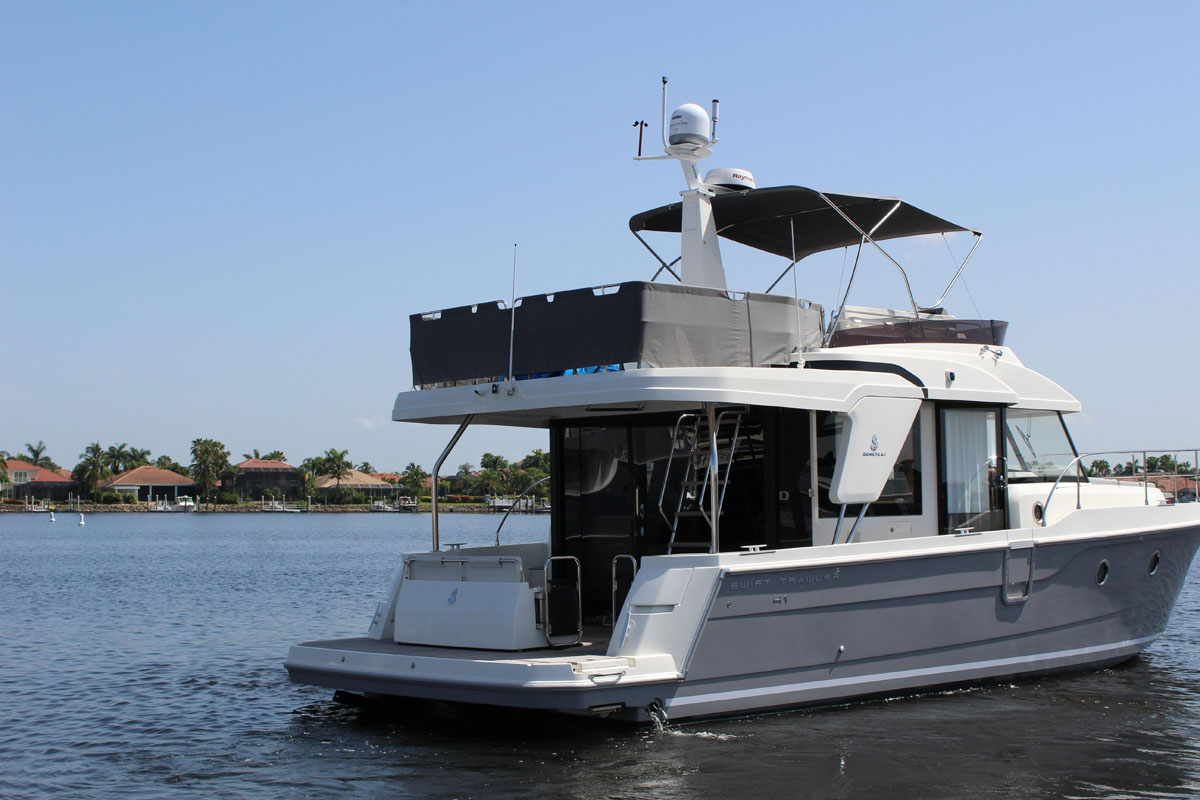
Motor yachts prioritize comfort, luxury, and speed through enclosed, climate-controlled spaces offering warm retreats from cool February air. Sailboats provide classic and engaging sailing experiences where February's moderate breezes deliver excellent performance requiring more active participation. Catamarans offer stable and spacious platforms with twin-hull designs minimizing rocking motion, expansive deck space, and large comfortable living areas feeling like floating villas.
Three-hour harbor tours and full-day coastal sails both prove viable depending on guest capabilities and conditions. The unique blend of peaceful serenity, invigorating sailing, and excellent value delivers stunning Southern California coast beauty without crowds. Whether seeking calm harbor cruises or more challenging sailing adventures, February provides fantastic opportunities to experience Newport Beach from different and rewarding perspectives. Contact us to discuss February charter options matching your group's comfort priorities and experience levels.