


Key Takeaways
Southern California is home to two of the most sought-after yacht launch points California boaters rely on year-round: Dana Point and Newport Beach. Both harbors sit along the Orange County coastline, yet each delivers a distinctly different experience on the water. Whether you are planning an intimate sunset cruise or a large corporate event, your harbor selection for yacht charters will shape every detail of the trip. This Dana Point yacht charter Newport comparison breaks down what each harbor offers so you can book with confidence.
These two harbors attract thousands of charter guests each year for good reason. Each one combines reliable weather, protected waters, and professional fleets—but the experience they deliver could not be more different. Understanding what sets them apart is the first step in any newport beach vs dana point sailing decision.
Dana Point delivers a laid-back coastal atmosphere that larger harbors struggle to match. Often described as a "dreamy low-key beach town," the harbor features calm, protected waters—including the family-favorite "Baby Beach"—that make it comfortable for first-time charter guests. Charter companies like Dana Wharf, Dana Point Charters, and Riviera Yacht Charters focus on experiences that play to the harbor's natural strengths: whale watching excursions, coastal cruises, and private sailing trips.
The harbor is also in the middle of a significant revitalization project. Upgrades include modern slips, eco-friendly dock systems, and expanded guest access. For anyone searching for the best harbor for yachting, Daphne Point discussions often highlight this combination of a relaxed setting and improving infrastructure, making Dana Point a compelling option—especially for smaller groups seeking a quieter departure point.
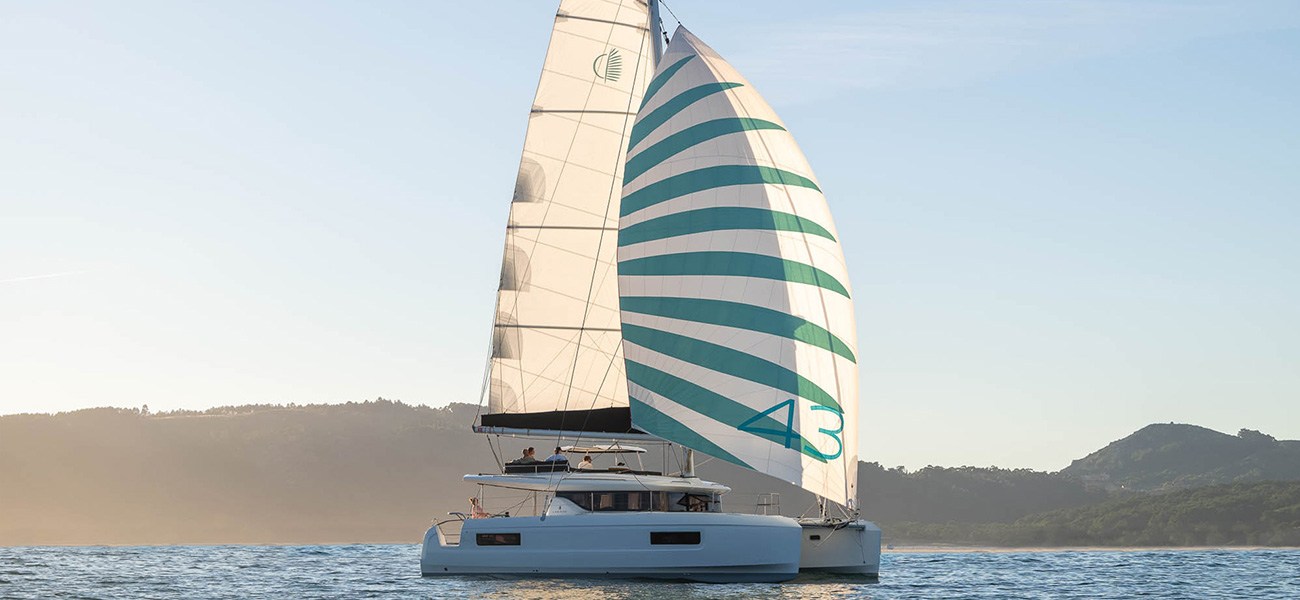
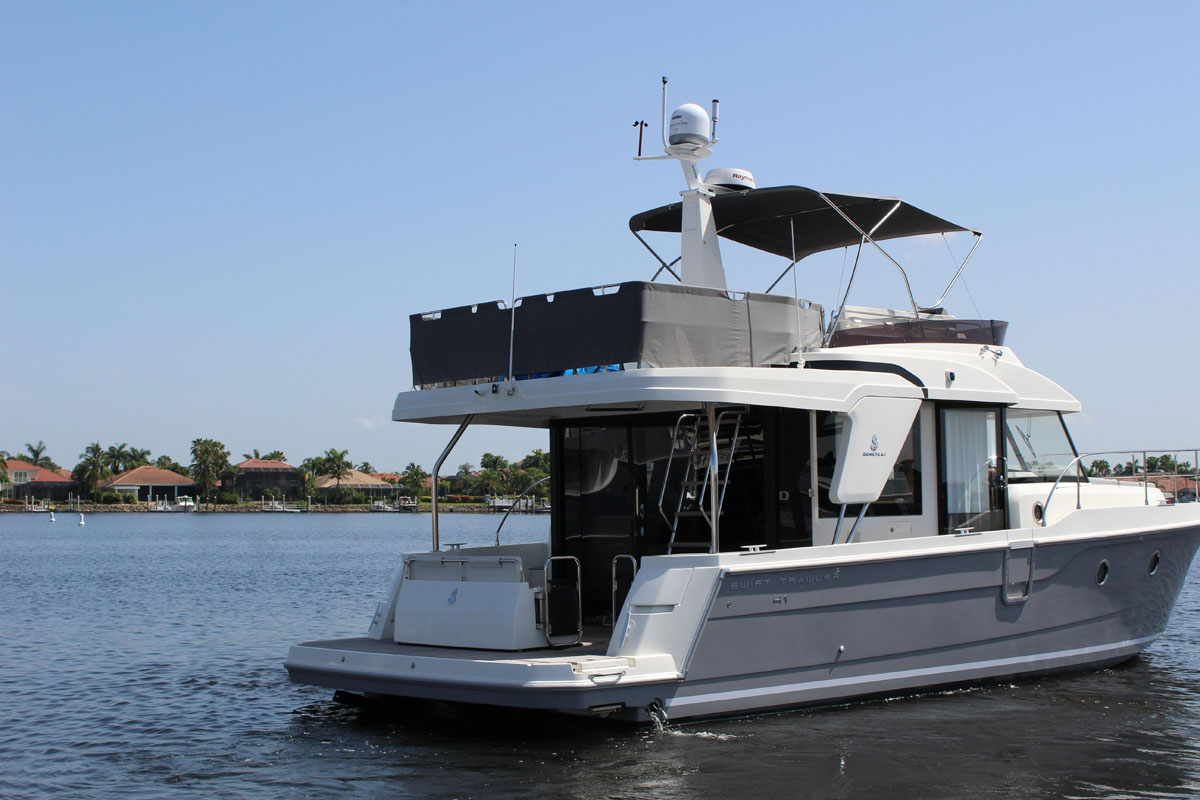
Newport Beach operates on a different scale entirely. The harbor holds over 9,000 vessels and is recognized as the largest non-commercial harbor in America. Industry sources have called it "one of the finest small boat harbors in the world." That size translates directly into fleet diversity. Charter companies like Luxury Liners, Newport Yacht Rentals, and Captain Newport maintain our yacht fleet—Duffy electric boats, sailboats, catamarans, mid-size motor yachts, and mega yachts accommodating up to 100 guests.
The surrounding area matches the harbor's upscale character. Guests step off the water into world-class dining, luxury shopping, and a vibrant waterfront scene. For large events such as corporate outings or milestone celebrations requiring inspected vessels and extensive onboard amenities, Newport Beach consistently offers more options than any neighboring harbor.
Location and climate tie these two harbors together. Both sit along the Orange County coast and benefit from Southern California's mild Mediterranean weather. Newport Beach averages 76°F in summer and 68°F in the cooler months. From May through October, both harbors see fewer than two days of precipitation per month, giving charter operators and guests near-guaranteed good conditions.
Protected water is the other shared advantage. Neither harbor exposes guests to rough open-ocean swells during departure or return. That matters for comfort, safety, and the overall quality of the experience. It also makes both harbors accessible to beginners who have never been on a yacht before, which is a key reason they remain the top two harbor selections for yacht charters along the Orange County coast.
Fleet size, water conditions, and harbor services separate these two ports more than anything else. The differences are practical, not just cosmetic. They affect what you can book, how your day on the water feels, and what kind of support surrounds your charter from dock to dock.
Newport Beach covers the full spectrum. The fleet spans Duffy electric boats (16–22 ft), sailboats and catamarans (35–60 ft), mid-size motor yachts (40–55 ft), premium motor yachts (60–80 ft), and mega yachts over 100 feet. For large groups of 40 to 100+ guests, Newport Beach maintains U.S. Coast Guard-inspected vessels—something few neighboring harbors can match. That range makes it the default for anyone who needs specific capacity or vessel type.
Dana Point's fleet leans toward luxurious sailboats and high-performance motor yachts. The selection is strong but narrower in overall diversity. Charters here tend to serve smaller, more intimate groups. If your priority is a curated sailing experience rather than choosing from dozens of vessel categories, Dana Point delivers exactly that without the decision overload.
Newport Beach's enclosed harbor layout provides some of the calmest departure and return conditions on the coast. That protected environment is a clear advantage for guests who are new to yachting or prefer smooth water from the moment they step aboard. Wind conditions range from 5–10 knots in the winter months to 10–20 knots between May and August, strong enough for quality sailing without creating uncomfortable seas.
Water temperatures follow a predictable seasonal curve: 58°F in January, climbing to 68°F in July and August. Dana Point shares similar conditions and offers its own sheltered harbor waters. The practical difference is subtle. Newport Beach edges ahead for calm-water harbor cruising, while Dana Point provides quicker access to the open ocean for guests who want to get offshore faster on coastal routes.
Newport Beach's marine infrastructure is extensive. Newport Harbor Shipyard handles refitting and repairs. Island Marine Fuel operates a 120-foot fuel dock that accommodates vessels up to 180 feet. Guest slips at Marina Park offer 23 berths in 40-foot and 55-foot lengths. These services matter most for longer charters or multi-day trips where fueling, provisioning, and docking flexibility come into play.
Dana Point holds its own with 43 transient guest slips accommodating vessels from 25 to over 70 feet. Marina Park adds another 23 slips at rates of $90 per night for 40-foot berths and $125 per night for 50-foot berths. The fuel dock operates Monday through Thursday from 8 AM to 5 PM and Friday through Sunday from 7 AM to 5 PM. Both harbors cover the essentials well. Newport Beach simply offers more capacity and longer service windows for larger or more complex charters.
Price is often the deciding factor. Both harbors use a per-yacht pricing model where the base rate covers the vessel, a licensed captain, and fuel for harbor cruising. Beyond that base, the totals diverge quickly depending on vessel size, duration, and extras.
Newport Beach spans the widest price range of any Orange County harbor. Here is what to expect by vessel category:
| Yacht Type | Size | Duration | Price Range |
| Duffy Electric Boat | 16–22 ft | 3–4 hours | $299–$795 |
| Entry-Level Motor Yacht | 30–40 ft | 4 hours | $800–$1,200 |
| Sailboat / Catamaran | 35–60 ft | 4–6 hours | $1,850–$4,300 |
| Mid-Size Motor Yacht | 40–55 ft | 4–6 hours | $1,500–$2,400 |
| Premium Motor Yacht | 60–80 ft | 4–8 hours | $3,300–$6,000 |
| Mega Yacht | 100+ ft | Half-day | $9,157–$14,000 |
Dana Point charters generally cost less across comparable vessel sizes. Hourly rates run from $88 to $750, depending on the boat, with most standard yacht charters starting near $1,100. The gap is most noticeable at the top end—Newport Beach simply has more large, premium vessels that push pricing higher.
The base charter rate is rarely the final number. Crew gratuity, taxes, and fuel surcharges for open-ocean or Catalina Island routes are the most common additions at both harbors. Fuel costs vary significantly by vessel: a sailboat under power burns roughly 1 gallon per hour, while larger motor yachts consume 20 to 100 gallons per hour, depending on size and speed.
Crew costs scale with the vessel. A standard 6-pack charter (up to six passengers) requires one licensed captain at a minimum. Larger yachts over 80 feet typically carry a professional captain plus a full crew ranging from 3 to over 50 members on the biggest vessels. For multi-day charters departing Newport Beach, expect an Advance Provisioning Allowance (APA) of 30–35% on top of the base rate to cover operating expenses during the trip.
Yes—and they are significant enough to reshape a budget. Peak season runs from June through August and again in December, when rates carry a 30–60% premium over the off-peak baseline. Holiday weeks around Christmas and New Year add another 10–20% on top of that.
The smartest value play is October. Rates drop 25–40% below peak pricing while weather remains favorable—averaging 73°F with only two days of precipitation for the month. Weekday bookings offer another lever: scheduling a charter Monday through Thursday can save up to 40% compared to a weekend departure. Booking early helps as well. Newport Beach operators offer 5–15% discounts for reservations, and desirable yachts can fill up 12 or more months ahead during peak season. These patterns hold at both harbors, though Newport Beach's larger fleet means more last-minute availability during shoulder months.
Where you depart shapes where you can go—and what you will see along the way. Both harbors open onto the same stretch of Southern California coastline, but the routes, distances, and highlights differ enough to favor one harbor over the other depending on what you want from your day on the water.
Dana Point's greatest draw is Catalina Island. The crossing runs 33–41 miles (38–44 nautical miles), with ferry services making the trip to Avalon in roughly 1 hour and 30 minutes. By private yacht, travel time varies with vessel speed, but the route is straightforward and well-charted.
The other standout is whale watching. Dana Point sits along one of the most active migration corridors on the West Coast. Gray whales pass through from mid-December to mid-March. Blue whales appear from April through November, peaking in July and August. Humpback whales are spotted from late March into early December. These are observation-based excursions—no interaction with the animals—and the proximity to the open ocean from Dana Point means less transit time before reaching prime viewing areas.
The coastal route from Newport Beach south to Laguna Beach is one of the most popular half-day charters in Orange County. The distance is 9–10 nautical miles. A motor yacht covers it in 20–30 minutes; a sailboat takes 1 to 2.5 hours, depending on the wind. Along the way, guests pass Crystal Cove State Park, Corona del Mar State Beach, Crescent Bay, and Shaw's Cove—each visible from the water and worth slowing down for.
Newport Beach also offers excellent in-harbor cruising. Routes around Balboa Island and Lido Isle showcase waterfront estates and a lively harbor scene, making them ideal for sunset cruises or shorter charters. Safe anchorage points along the coastal route include Newport Harbor at roughly 10 feet of depth and Corona del Mar at 20–30 feet.
Newport Beach wins on Catalina Island access. At 26–32 miles (28 nautical miles), the crossing is 6–9 miles shorter than from Dana Point. Ferry time from Newport runs approximately 75 minutes to Avalon. For guests who want to maximize time at the island and minimize open-water travel, that gap matters—especially on a half-day charter where every hour counts. Typical charter durations at both harbors range from 2 to 8 hours, with half-day bookings at 4 hours and full-day bookings at 8.
Dana Point holds the advantage for reaching open-ocean experiences faster. Whale watching areas and coastal marine environments are closer to the harbor mouth, which means less fuel burn and more time in the areas guests actually want to be. Both harbors provide access to the same general coastline, but the starting point tilts the experience in different directions. Choose Newport Beach for island access and scenic harbor routes. Choose Dana Point for quicker open-water immersion and wildlife observation.
A yacht charter is more than transportation—it is the activity itself. What you do on the water depends on the harbor you leave from, the vessel you book, and the time of year. Both harbors support a full range of on-water experiences, but each one leans toward different strengths.
Dana Point's defining activity is whale watching. The harbor sits along a major migration corridor, and charter operators run dedicated observation cruises throughout much of the year. Guests can spot gray, blue, and humpback whales depending on the season, along with occasional sightings of fin whales in summer and killer whales in select months like February, March, and May. These trips capitalize on Dana Point's quick access to the open ocean, keeping transit time short and viewing time long.
Beyond wildlife, Dana Point charters focus on coastal cruising and sailing. The harbor's fleet of sailboats and performance motor yachts is well suited for guests who want to feel the water beneath them rather than simply ride on top of it. Sunset sails, private coastal excursions, and harbor tours round out the most popular bookings.
Newport Beach supports a broader range of charter types simply because the fleet is larger and more varied. Guests book for sunset cruises, Catalina Island day trips, corporate outings, weddings, birthday celebrations, and family reunions. The harbor's inspected vessels can handle groups of 40 to 100+ passengers, which opens the door to event-scale experiences that smaller harbors cannot accommodate.
Water activities on board scale directly with yacht size. Mid-range vessels in the 60–80 foot range typically carry kayaks, paddleboards, and snorkeling gear. Yachts over 80 feet expand the options to jet skis, sea bobs, tenders, and inflatable water platforms. Newport Beach's protected harbor also makes it one of the best locations for Duffy electric boat cruises—a casual, low-speed way to explore the waterfront without committing to a full charter.
Onboard amenities track closely with vessel size. Smaller yachts in the 30–60 foot range include comfortable seating, a basic galley, a head, and a sound system. Step up to 60–80 feet, and you gain multiple bathrooms, improved entertainment systems, air conditioning, and more deck space. Yachts over 80 feet feature hot tubs, multiple staterooms with en-suite bathrooms, expansive flybridges, and stabilizers that smooth out motion at sea.
One expert recommendation worth following: book a yacht with a capacity rating 10–15% above your actual group size. That extra space improves comfort significantly, especially on longer charters where guests move between sun decks, saloons, and shaded areas throughout the day.
The experience extends to shore as well. Newport Beach puts guests within steps of world-class dining and luxury shopping. Dana Point offers a more community-focused waterfront with local restaurants and shops that match the harbor's relaxed personality. Both settings complement the on-water experience—just in different ways.
Both Dana Point and Newport Beach deliver outstanding yacht charter experiences — they just do it differently. Dana Point is ideal for intimate groups, whale watching, and a laid-back coastal vibe. Newport Beach offers unmatched fleet diversity, large-event capacity, and closer Catalina Island access. The right choice comes down to your group size, budget, and what you want your day on the water to look like.
At Newport Beach Sailing, we help guests navigate these decisions every day. Whether you are planning a first-time cruise or a milestone celebration, we can match you with the right vessel and route. Contact us today to start planning your next charter.