


Key Takeaways
The yacht route from Newport Beach to Laguna Beach covers 9–10 nautical miles of Southern California's most striking coastline. It passes protected coves, marine parks, and dramatic bluffs — all visible from the water in a single half-day outing. Whether you're planning a boat trip from Newport to Laguna for a special occasion or exploring Laguna Beach sailing routes for the first time, this stretch delivers scenery and accessibility in equal measure. This guide breaks down routes, timing, stops, and conditions so you can build a Newport Laguna yacht itinerary with confidence.
Few coastal stretches in Southern California pack this much variety into such a short distance. The route combines a world-class departure harbor, consistently mild conditions, and landmark after landmark — all within a charter window that fits comfortably into a single afternoon.
The route delivers four major coastal highlights in under 10 nautical miles. Departing from Newport Beach Harbor — the largest non-commercial harbor in America — you head southeast past Corona del Mar State Beach, where sandstone cliffs meet a wide sandy shoreline. From there, the coastline transitions into Crystal Cove State Park, a 2,400-acre preserve with undeveloped bluffs and tide pool formations visible from the water.
As you approach Laguna Beach, the scenery shifts to rocky coves and sheltered inlets. Crescent Bay offers a sweeping crescent-shaped shoreline framed by headlands, while Shaw's Cove sits tucked between rock outcroppings — a spot best appreciated from the deck of a yacht. Each landmark appears in sequence, giving the route a natural rhythm that makes it one of the best coastal cruises from Newport Beach heading south.
The climate along this corridor keeps conditions comfortable nearly year-round. Newport Beach averages 76°F in summer and 68°F during cooler months, so outdoor deck time stays pleasant regardless of season. Water temperatures follow a similar pattern, ranging from 58.3°F in January to 67.8°F in July and August. That warmth matters — it means calmer surface conditions, better visibility along the bluffs, and a more enjoyable experience for anyone spending time on the bow or swim platform.
The visual contrast also plays a role. You leave a bustling harbor filled with thousands of vessels, and within minutes, you're cruising past undeveloped state parkland. By the time you reach Laguna's coves, the landscape feels entirely different from where you started. That progression — urban harbor to open coast to secluded cove — is what sets this particular route apart from other Southern California yacht outings.
It's short enough to be manageable yet long enough to feel like a real voyage. A motor yacht covers the full distance in 20–30 minutes, making it realistic even for a two-hour charter. Sailboats take 1–2.5 hours,s depending on wind and tack, which fits neatly into a half-day booking. Most charter companies at both harbors offer durations of 2–8 hours, with half-day (4-hour) and full-day (8-hour) options being the most common.
Practicality also comes from the departure point itself. Newport Beach Harbor provides protected water conditions, which means calm boarding, easy maneuvering out of the channel, and a gentle transition to the open coast. That protection makes this route accessible to first-time charter guests — not just experienced sailors. You don't need offshore experience to enjoy it. The harbor does the hard part for you, and the coastline rewards you the moment you clear the jetty.
The standard yacht route from Newport Beach to Laguna Beach follows the coastline southeast, hugging the shore closely enough to take in every cove and headland. But how you run that route — how close you stay, where you pause, and what vessel you choose — shapes the experience entirely.
The inshore route wins for scenery. After clearing Newport's jetty, bear southeast toward Corona del Mar, where anchorage depths of 20–30 feet let you hold position close to the bluffs without running shallow. From there, the route tracks along Crystal Cove State Park — a designated marine protected area where the coastline remains undeveloped, and the water clarity runs noticeably higher than surrounding stretches.
The final segment into Laguna delivers the route's most dramatic views. Crescent Bay and Shaw's Cove are tucked between rock formations that block sightlines from shore, making them essentially water-access viewpoints. You see cliff faces, kelp beds, and rocky inlets that land-based visitors never encounter. Staying within a quarter mile of the coast through this stretch keeps those details sharp and gives passengers unobstructed views of Laguna's signature rugged shoreline.
Start inside Newport Harbor before heading to open water. The harbor's anchorage depth sits around 10 feet in protected, flat-water conditions — a forgiving environment for guests who haven't spent time on a yacht before. Compared to departure points like Huntington Beach, which exposes vessels to open ocean swells immediately, Newport eases you into the experience gradually.
For first-timers weighing options, Duffy Electric Boats (16–22 ft) rent for $299–$795 over 3–4 hours and stay within the harbor — a low-commitment way to test comfort on the water before booking open-coast charters. When you're ready for the full Laguna Beach sailing route, entry-level motor yacht charters in the 30–40 ft range run $800–$1,200 for four hours. That price point covers a crewed vessel, departure from protected water, and enough time to cruise the full route to Laguna and back at a comfortable pace.
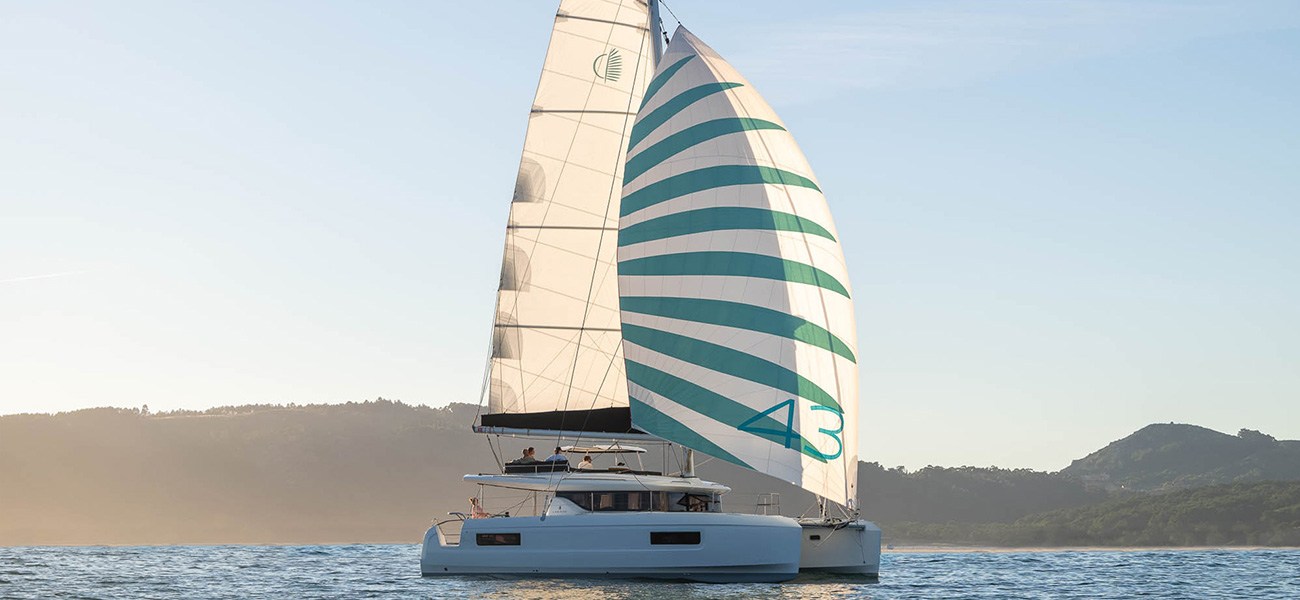
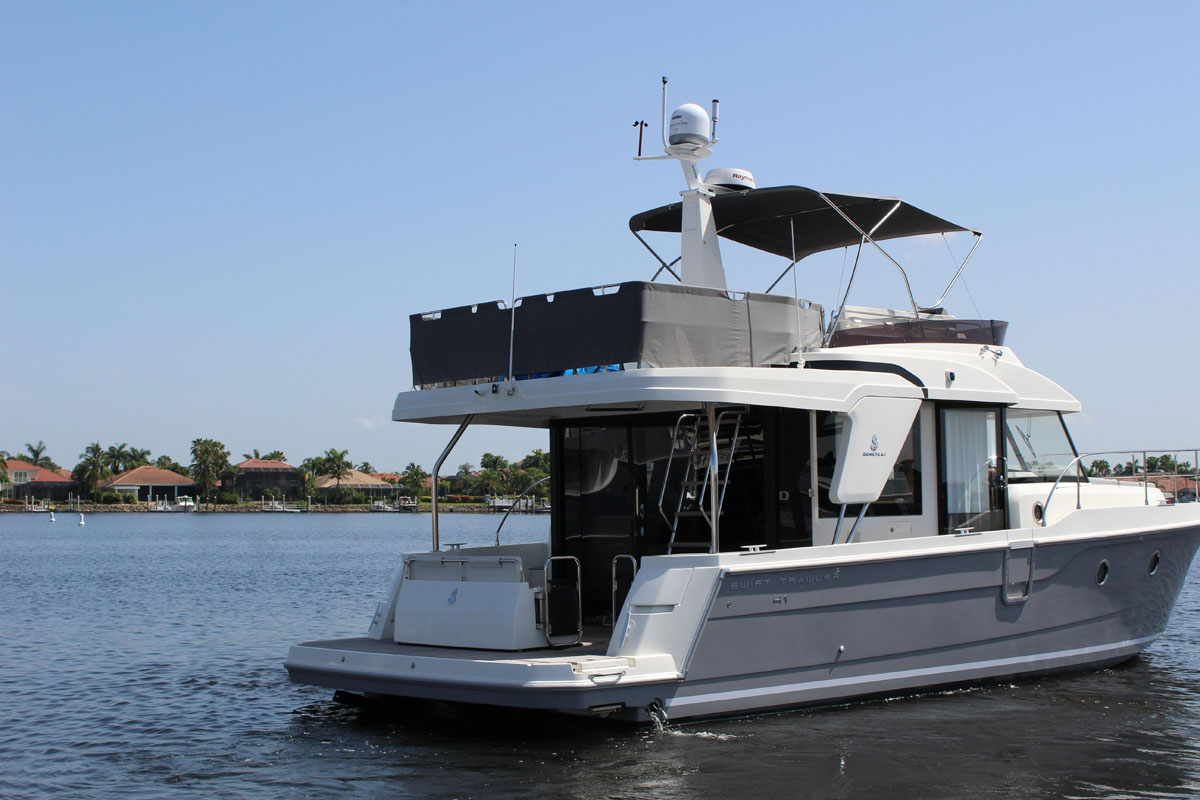
Vessel choice drives that balance more than anything else. Motor yachts consume 20–100 gallons per hour, depending on size and speed, but they let you control timing precisely — slowing near Crystal Cove for photos, then covering open stretches quickly. Sailboats burn roughly 1 gallon per hour under power, making them far more efficient, and the route's April-through-September wind window of 10–20 knots provides reliable conditions for actual sailing rather than motoring.
Sea state along this corridor stays calm to moderate year-round, which means neither option puts you in rough water under normal conditions. The practical move for most charters: motor out at cruising speed, slow down through the scenic middle section between Corona del Mar and Crescent Bay, and adjust your return based on remaining time. That approach turns any boat trip from Newport to Laguna into a paced experience rather than a straight-line transit, and it works equally well on a half-day or full-day booking.
Conditions along this stretch of coast are forgiving by almost any standard, but preparation still matters. Weather patterns, navigation rules, and passenger regulations all influence how smoothly your charter runs — and knowing them ahead of time prevents surprises once you're underway.
Newport Beach sits in a Mediterranean climate zone with mild temperatures, minimal rainfall, and manageable winds year-round. The table below breaks down what to expect month by month along the yacht route from Newport Beach to Laguna Beach.
| Month | Avg High (°F) | Avg Low (°F) | Wind (kts) | Precipitation (in) | Days w/ Precip | Sea State |
| Jan | 66 | 49 | 5–10 | 2.5 | 6 | Calm to moderate |
| Feb | 67 | 50 | 5–10 | 3.0 | 6 | Calm to moderate |
| Mar | 67 | 51 | 5–15 | 2.2 | 4 | Calm to moderate |
| Apr | 69 | 53 | 10–15 | 0.7 | 2 | Moderate |
| May | 71 | 57 | 10–20 | 0.2 | 1 | Moderate |
| Jun | 73 | 60 | 10–20 | 0.1 | 0 | Moderate |
| Jul | 77 | 63 | 10–20 | 0.0 | 0 | Calm to moderate |
| Aug | 78 | 65 | 10–20 | 0.1 | 0 | Calm to moderate |
| Sep | 77 | 63 | 10–15 | 0.3 | 0 | Calm to moderate |
| Oct | 74 | 59 | 5–15 | 0.7 | 2 | Calm to moderate |
| Nov | 70 | 53 | 5–10 | 1.5 | — | Calm to moderate |
| Dec | 66 | 49 | 5–10 | 2.3 | — | Calm to moderate |
The takeaway: June through September delivers zero precipitation days, highs in the mid-70s, and calm to moderate seas. Winter months stay mild but carry occasional rain — February sees the most at 3.0 inches across roughly six wet days. Wind picks up in the spring and summer window (April–September) to 10–20 knots, which is ideal for Laguna Beach sailing routes under canvas but still comfortable for motor yacht cruising.
This route is straightforward, but a few factors deserve attention. The Huntington Harbour bridge sits at 23 feet of clearance, which restricts taller-masted sailboats and flybridge yachts from transiting through that area. It won't affect most Newport-to-Laguna itineraries directly, but it matters if your captain plans a northbound detour.
Traffic density is the more relevant consideration. Newport Harbor accommodates vessels ranging from 20 to 120 feet across its marinas — Balboa Yacht Basin handles slips from 31 to 75 feet, while CRC Marinas berths vessels up to 120 feet. That range of boat sizes means busy channel traffic, especially on summer weekends. Once past the jetty, the route also passes through marine protected areas where no-anchor and no-take zones apply. Your charter captain will know these boundaries, but it's worth confirming anchor plans before departure if you intend to stop along the way.
U.S. Coast Guard regulations set firm limits on how many passengers a charter vessel can carry. Under the "6-pack" rule, uninspected vessels under 100 gross regulatory tons may carry a maximum of six paying passengers. Larger uninspected vessels over 100 GRT fall under the "12-pack" rule, allowing up to 12 passengers. Any charter carrying more than 12 requires the vessel to hold a Certificate of Inspection — a rigorous USCG certification that most private charter yachts don't pursue.
One detail worth noting: the captain and legitimate crew members do not count toward those passenger limits. So a boat trip from Newport to Laguna on a 6-pack vessel means six guests plus crew, not six people total. When booking, confirm the vessel's capacity rating matches your group size. Reputable charter operators will verify this upfront, but asking the question yourself ensures your Newport Laguna yacht itinerary stays compliant from the start.
Timing, budgeting, and packing all shape how a charter plays out. The best coastal cruise from Newport Beach starts well before you step on the dock — it starts with choosing the right month, booking at the right window, and showing up with the right gear.
It depends on whether you're optimizing for weather or value. Peak season runs from June through August and again in December, carrying a 30–60% premium over off-peak rates. Holiday charters around Christmas and New Year add another 10–20% on top of that. If budget matters more than peak conditions, October stands out — rates drop 25–40% below peak pricing while temperatures still hold in the mid-70s with calm seas.
Weekday bookings offer another lever. Chartering Monday through Thursday can save up to 40% compared to weekend rates, regardless of season. That's a meaningful difference on a yacht route from Newport Beach to Laguna Beach, where the operation costs the same whether it runs on a Tuesday or a Saturday.
Evening charters are worth considering, too. Sunset times range from 4:45 PM in November and December to 8:00 PM in June and July. That two-plus-hour difference in daylight determines whether a late-afternoon departure includes a sunset return past the Laguna coastline or wraps up well before dusk. Summer evenings give you the longest window for golden-hour cruising along the bluffs.
Book early. Desirable vessels in Newport Beach carry lead times of 12 months or more, especially for peak weekends and holidays. Booking well in advance also unlocks early-bird discounts of 5–15% off standard rates — a worthwhile savings when full charter pricing in Newport Beach ranges from $299 for a basic harbor rental up to $15,000+ for large luxury yachts.
For multi-day Newport Laguna yacht itineraries, expect to put down an Advance Provisioning Allowance (APA) of 30–35% of the charter fee. The APA covers fuel, docking fees, and other operational costs the captain handles on your behalf. Since charter companies along this route do not provide catering on board, you'll need to arrange food and beverages independently — either provisioning before departure or coordinating with a third-party caterer. Factor that into your planning and budget alongside the APA so there are no gaps once you're underway.
Pack for layers, not extremes. Water temperatures along the route range from 58.3°F in winter to 67.8°F in summer. If you plan to swim or use the swim platform, a lightweight wetsuit or rash guard makes winter and spring stops more comfortable. In July and August, the water is warm enough for extended swimming without extra gear.
For what you'll wear on deck, summer wind speeds of 10–20 knots mean a light windbreaker belongs in your bag even on warm days. Sun protection is non-negotiable year-round — hat, sunscreen, and polarized sunglasses at minimum. The good news for peak-season charters: precipitation between June and September totals just 0.0–0.3 inches across the entire four-month window, so rain gear stays home. Winter bookings warrant a packable rain layer, but even then, the coast rarely sees sustained downpours. Soft-soled shoes round out the essentials — most yacht operators require non-marking footwear to protect deck surfaces.
Half the appeal of this route is what happens when you stop moving. The coastline between Newport and Laguna offers natural anchorages, protected coves, and swim-friendly waters at several points along the way. Knowing where to pause — and what rules apply — turns a straight-line transit into a proper Laguna Beach sailing route with built-in highlights.
Three stops stand out along the yacht route from Newport Beach to Laguna Beach. Newport Harbor itself, with anchorage depths around 10 feet, serves as a calm staging area before departure — useful if your group wants to settle in on flat water before heading to the open coast.
The first major mid-route stop is Corona del Mar State Beach. Anchorage depths here run 20–30 feet, giving most charter vessels comfortable holding room within view of the sandstone bluffs and shoreline. It's a natural halfway point, and the water is calm enough for a swim platform stop on most days. Further south, Crystal Cove State Park draws yachts for its tide pools and sandy cove access. The coastline here sits within a protected preserve, so the water tends to be clearer and the shoreline less developed than surrounding stretches. Both stops fit easily into a half-day or full-day charter without cutting into transit time.
Shaw's Cove and Crescent Bay sit at the Laguna Beach end of the route and offer something the other stops don't — genuine seclusion. Both coves are flanked by rock formations that limit shore access, which means the views from the water feel private in a way that more exposed beaches can't match. These are spots best reached by boat, and most land-based visitors never see them from the angles you get at anchor.
Timing amplifies that solitude. During the winter months, from November through February, significantly fewer vessels are on the water, turning these coves into near-private anchorages. Shoulder season weekday charters take it a step further — you save 25–40% compared to weekend rates and share the route with a fraction of the usual boat traffic. If peace ranks high on your list for a boat trip from Newport to Laguna, a Tuesday morning in January delivers an experience that a July Saturday simply cannot.
Anchoring regulations vary by location and change periodically, so confirm current rules with your charter captain before departure. Marine protected areas along the route include designated no-anchor zones where dropping the hook isn't permitted. Crystal Cove falls within managed waters, and specific restrictions apply depending on which section of the park you're near.
For longer stops or overnight stays, two harbors bookend the route with transient slip options. Newport Beach Marina Park offers 23 guest slips accommodating vessels at 40 and 55 feet, with rates starting at $93 per night for a 40-foot slip and $128 per night for a 50-foot slip as of July 2025. Dana Point, just south of Laguna, provides a larger transient option — 43 guest slips handling vessels from 25 to over 70 feet at rates of $90 per night for 40-foot slips and $125 per night for 50-foot slips. Dana Point works well as an alternative endpoint for a Newport Laguna yacht itinerary if your group wants to dock for dinner ashore rather than anchor in open water.
The route between Newport and Laguna isn't just a transit — it's an activity corridor. The same coastline that delivers scenic views also supports wildlife encounters, water sports, and landmark sightseeing that give your charter structure beyond cruising from point to point.
Swimming and snorkeling top the list. The coves between Corona del Mar and Laguna Beach offer sheltered water with visibility that improves the closer you get to Crystal Cove's protected marine areas. Most charter yachts carry a swim platform that drops to water level, making ocean access easy at anchor. Paddleboarding and kayaking are available on vessels equipped with water toys — a common inclusion on mid-size and larger charters.
The waters along this stretch are rich with marine life, which makes even a simple swim more interesting than open-ocean alternatives. Kelp beds near the Laguna coastline attract schools of garibaldi, leopard sharks, and bat rays visible from the surface on calm days. Note that charter companies along this yacht route from Newport Beach to Laguna Beach do not permit fishing or angling of any kind on board, so plan water activities around swimming, snorkeling, and deck-based relaxation rather than rod-and-reel pursuits.
Whale watching is the headline draw, and this coastline delivers nearly year-round opportunities. Gray whales migrate southbound from mid-December through mid-March, with mothers and calves heading north through February and March — often visible close to shore. Blue whales arrive from April through November, peaking in July and August when they feed in the nutrient-rich waters offshore. Humpback whales overlap that window from late March to early December, and fin whales appear during summer months as well as in January, October, and November.
Less predictable but equally memorable, killer whale sightings occur along this corridor in February, March, May, and December. No season is truly empty. Even outside peak migration windows, dolphin sightings along any Laguna Beach sailing route. The best viewing happens from the bow or upper deck at slow cruising speeds — your captain can adjust pace when spouts or surface activity appear ahead.
The departure point itself qualifies as a landmark. Newport Beach Harbor holds over 9,000 vessels, making it the largest recreational harbor in the country. Cruising out through the main channel puts you in the middle of that fleet — rows of sailboats, motor yachts, and classic wooden boats lining the docks on both sides. It's a visual spectacle before you even reach open water.
At the route's southern end, Dana Point Harbor offers a different atmosphere — quieter, more family-oriented, and positioned closer to Catalina Island at 33–41 miles compared to Newport's 26–32 miles. If your best coastal cruise from Newport Beach extends into a multi-day itinerary, Dana Point serves as a natural secondary port. Catalina itself sits 28.05 nautical miles from Newport with a ferry crossing of roughly 75 minutes, while Dana Point's ferry run takes about an hour and 30 minutes. Even if Catalina isn't on your schedule, knowing those distances helps frame how this stretch of coast connects to the broader Southern California cruising network — and why so many boat trips from Newport to Laguna become the starting point for longer adventures.
Choose a motor yacht if you want to cover the 9–10 nautical mile route quickly in 20–30 minutes and prioritize onboard amenities, stability, and flexible pacing at each stop.
Choose a sailboat if you prefer a slower, immersive 1–2.5 hour coastal experience with lower fuel costs and the option to sail under canvas when April-through-September winds cooperate.
Choose peak season from June through August if you want the warmest water at 67.8°F, zero precipitation days, and sunset charters that last until 8:00 PM.
Choose shoulder or off-peak season in October or November if you want 25–40% savings, fewer boats on the water, and still comfortable conditions with highs in the low to mid-70s.
Choose Newport Beach as your departure harbor if you want the largest charter fleet selection, protected harbor conditions for easy boarding, and world-class onshore dining before or after your trip.
Choose Dana Point as an alternative endpoint if you want a quieter harbor atmosphere, closer access to Catalina Island, and transient slip availability for extended stopovers.
The yacht route from Newport Beach to Laguna Beach puts 9–10 nautical miles of Southern California's finest coastline within reach of a single afternoon. Protected harbors, year-round mild conditions, and landmark coves at every turn make this one of the best coastal cruises from Newport Beach heading south.
At Newport Beach Sailing, we help you experience this route firsthand — whether you're booking a chartered cruise or building the skills to captain it yourself. Our team knows these waters and can match you with the right vessel, route, and timing for your group. Contact us today to start planning your Newport Laguna yacht itinerary.