

Key Takeaways
1. Optimal Shoulder Season Conditions August through October deliver the calmest seas and clearest weather for Channel Islands sailing fall trips—avoid peak season crowds and summer marine layer while enjoying 67-69°F water temperatures and 11+ hours of daylight.
2. Wildlife Viewing Peak Window Humpback whales maintain 70-80% encounter rates throughout October, with common dolphins at 90-95% daily probability—superior to off-season rates and providing educational opportunities about island ecosystems without Caribbean travel costs.
3. Anacapa for First-Timers, Scorpion for Multi-Day. Begin your Newport to islands itinerary at accessible Anacapa (40 NM / 5-7 hours) or choose Santa Cruz Scorpion for comprehensive facilities supporting kayaking, hiking, and photography opportunities across multiple days.
4. Predawn Departures Essential Launch 5-6 AM to complete crossings before 11 AM westerlies build—catamaran stability benefits shine during afternoon returns when calm seas shoulder season advantages diminish but remain manageable at 10-20 mph.
5. Complete Self-Sufficiency Required. These national parks offer no services—bring all provisions, navigation equipment (VHF, NOAA charts, GPS), safety gear (EPIRB, helmets), and reserve camping permits in advance for overnight island anchorage stays.
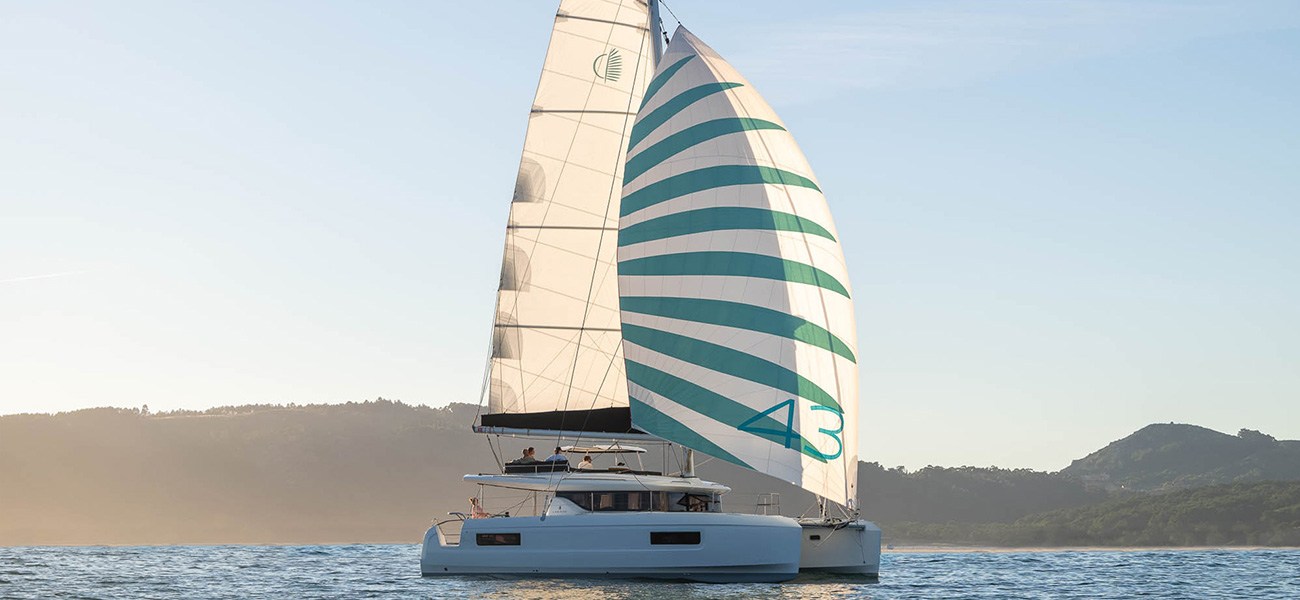
Fall sailing to Channel Islands National Park offers ideal conditions that surpass peak season crowds and summer marine layer challenges. This shoulder season delivers calm seas, exceptional wildlife encounters, and stable weather—making Newport to islands itinerary planning straightforward for yacht charter captains and private vessel operators.
Optimal Sea Conditions & Weather
"The calmest winds and sea conditions often occur August through October," according to Channel Islands National Marine Sanctuary. Morning departures before 11 AM capture glassy conditions, while afternoon westerlies build to only 10-20 mph—manageable for most vessels and ideal for catamaran stability benefits. October's reduced marine layer frequency (compared to 10-year averages) provides clearer visibility for navigation and photography. Water temperatures hold at 67-69°F with kelp forest visibility exceeding 60 feet, perfect for outdoor activities like snorkeling and diving. Extended daylight (11+ hours) allows flexible crossing schedules from Newport Beach.
Peak Wildlife Viewing in Shoulder Season
Fall delivers the Northern Hemisphere's best marine mammal encounters with fewer crowds than the summer peak travel season. Humpback whales maintain 70-80% encounter rates throughout October—far exceeding off-season probabilities. Blue whales remain present (40-50% early October, declining to 20-30% late in the month), while common dolphins offer 90-95% daily sightings year-round. This wildlife concentration rivals destinations like the Galapagos Islands, but without international travel complexity. The seasonal experience combines calm seas and shoulder season advantages with active feeding behavior, creating optimal conditions for educational opportunities about island ecosystems and marine life observation from the turquoise waters surrounding these national parks.
Planning your Newport to the islands itinerary requires understanding transit distances and permit requirements. Channel Islands sailing fall conditions favor longer crossings during the shoulder season's calm seas, making multi-island trips feasible for yacht charter vessels and private boats. This domestic travel destination offers fewer crowds than Caribbean paradise alternatives like the British Virgin Islands or U.S. Virgin Islands, with comparable yachting experience quality in protected national park waters.
Distance & Timing Overview
| Island | Distance from Newport | Transit Time (6-8kt) | Access | Best For |
| Anacapa | 40 NM | 5-7 hours | No permit | Day/overnight, first-timers, iconic Arch Rock |
| Santa Cruz (Scorpion) | 55 NM | 7-9 hours | No permit (East end) | Multi-day, kayaking, hiking, and the best facilities |
| Santa Cruz (West) | 55+ NM | 7-9 hours | YES - TNC permit required | Painted Cave, advanced trips |
| Santa Rosa | 75 NM | 9-12 hours | No permit | Remote, rugged, experienced boaters |
| San Miguel | 95 NM | 12-16 hours | Limited access only | Most remote, extreme conditions |
Note: Transit times assume 6-8 knot cruising speed. Ventura Harbor reduces distances significantly (Anacapa: 12 NM / 1.5-2 hours).
Island Anchorage Tips for Fall Crossings
Catamaran stability benefits shine on longer passages to Santa Rosa and San Miguel, where shoulder season's predictable weather patterns enable safe overnight crossings. Anacapa serves first-time visitors with manageable 5-7 hour transits and straightforward anchorage at Landing Cove. Santa Cruz Scorpion offers 50+ vessel capacity with superior facilities—ideal for multi-day outdoor activities, including hiking and sea cave kayaking. Ventura Harbor departure cuts transit times by 60% compared to Newport Beach, making same-day returns feasible during extended fall daylight hours. Unlike peak season congestion at destinations like Virgin Islands National Park, these national parks maintain fewer crowds even during optimal sailing windows.
Fall shoulder season transforms Channel Islands National Park into California's premier outdoor activities destination, combining calm seas with peak wildlife viewing windows. Clear weather advantages eliminate summer marine layer interference, creating optimal conditions for hiking and photography opportunities across five islands. This seasonal experience delivers educational opportunities about island ecosystems through direct marine mammal encounters—probabilities that exceed peak season rates at international destinations like the Galapagos Islands.
Wildlife Viewing Advantages in Fall
Humpback whales dominate October encounters at 70-80% probability (best 6-11 AM, 3-12 miles offshore), while blue whales decline from 50% to 20% through the month's end. Fin whales maintain 30-60% sighting rates 8-20 miles offshore. Common dolphins appear in 90-95% of daily crossings across all Channel Islands sailing fall routes, with California sea lions guaranteed at every harbor and island anchorage. Federal regulations require a 100-yard minimum distance from whales and 50 yards from dolphins and seals—100-400mm telephoto lenses enable legal compliance while capturing professional wildlife photography. These probabilities surpass low-season rates at Caribbean destinations like the Virgin Islands or British Virgin Islands, where hurricane season disrupts yachting experience from June through November.
Island-Specific Exploration Opportunities
Kayaking to Anacapa's Arch Rock and Santa Cruz's Painted Cave showcases turquoise waters rivaling Virgin Gorda or Jost Van Dyke, without international travel insurance or rental car costs. Helmets are mandatory for sea cave entry. Snorkeling and diving in kelp forests deliver 60+ feet of visibility—conditions comparable to protected waters at Virgin Islands National Park. Hiking ranges from Anacapa's compact 2-mile trail system to Santa Cruz's extensive backcountry network, offering fewer crowds than mainland national parks like the Great Smoky Mountains or the Grand Canyon during their peak travel season. Sea lion colony observation at multiple sites provides guaranteed wildlife encounters, while catamaran stability benefits enable comfortable platform photography in shoulder season's predictable conditions.
Channel Islands National Park simplifies access during the shoulder season—most islands require no advance permits for day-use exploration. This domestic travel advantage eliminates bureaucratic complexities found at international destinations like the Galapagos Islands or Serengeti National Park, where permit waitlists and restricted entry limit spontaneous itineraries. Fall sailing from Newport offers straightforward access to five national park islands without the reservation pressures of peak travel season at overcrowded sites like the Grand Canyon or Great Smoky Mountains.
No Permit Required for Most Islands
Anacapa, Santa Barbara, Santa Rosa day-use, and Santa Cruz East (24% NPS section) welcome private vessels year-round without permits. San Miguel allows limited access only when NPS personnel are present. "Private boaters may land on all five islands year-round" except Nature Conservancy-managed areas. This open-access policy during shoulder season contrasts sharply with permit lotteries at destinations like the Okavango Delta's Chobe National Park or restricted-capacity sites in New Zealand's conservation parks. Island anchorage tips: No public moorings exist—vessels must anchor at own risk with one crew member staying aboard at all times, as "there are no all-weather anchorages around the islands."
Santa Cruz West & Camping Permits
Santa Cruz's western 76% requires Nature Conservancy permits (fee charged via nature.org/california) for Painted Cave kayaking and backcountry exploration. All overnight camping at any island requires advance NPS permits—plan ahead during fall's fewer crowds windows when securing permits is easier than peak season competition. Island Packers ferry service offers alternative access with advance reservations for those without private yacht charter vessels. Unlike Caribbean destinations where hurricane season forces off-season closures, Channel Islands maintain year-round access with optimal conditions during the Northern Hemisphere's August-October calm seas shoulder season.
Channel Islands sailing fall demands respect for rapidly changing conditions despite the shoulder season's generally calm seas. While this domestic travel destination offers safer October weather than peak season summer crowds or off-season winter storms, prudent navigation and preparation remain critical for any Newport to islands itinerary. Unlike sheltered Caribbean waters at the British Virgin Islands or U.S. Virgin Islands, where trade winds provide predictable patterns, California's national parks require vigilant monitoring of multiple weather systems and marine hazards.
Weather Monitoring & Navigation Requirements
"Forty-knot winds are not unusual for Santa Rosa and San Miguel Islands," even during fall's optimal window. Santa Ana winds generate 40+ knot offshore gusts from October through April without warning. "Dense fog may occur at any time, making chart and compass navigation mandatory"—a reality absent from tropical yachting experience destinations. Monitor NOAA Buoys 46025 (Santa Monica Basin) and 46053 (Santa Barbara West) continuously. VHF Channel 16 connects with rangers (switch to working channel as instructed), while "major shipping lanes lie between islands and mainland" require monitoring Channels 16 and 13. Required NOAA Charts (18720, 18729, 18756) and filed float plans with the harbormaster are non-negotiable for safe passages. Catamaran stability benefits provide advantages in sudden swell conditions that challenge monohulls.
Marine Protected Areas & Sea Cave Protocols
Thirteen MPAs cover 240 square nautical miles (21% of sanctuary waters) with strict State Marine Reserve regulations: NO taking, collecting, or moving any resources. Navigation and photography in outdoor activities remain permitted, but resource disturbance violates federal law. Sea cave exploration—a signature Channel Islands experience—requires mandatory helmets and partner systems. "Sea caves can be very dangerous—large waves or swells can fill unexpectedly." Never enter alone; continuously monitor swell conditions even during shoulder season's calmer periods. These safety protocols exceed requirements at destinations like Virgin Islands National Park, reflecting California's more dynamic ocean conditions. Emergency contacts: USCG (VHF 16), Marine Mammal Stranding (1-866-767-6114), NOAA Enforcement (1-800-853-1964). Island anchorage tips emphasize keeping one crew member aboard vessels at all times in these exposed national park waters.
Successful Newport to islands itinerary planning maximizes the shoulder season's calm seas advantages through strategic timing and thorough preparation. Fall sailing weather windows provide 11+ hours of October daylight—flexibility unavailable during shorter winter days or the Northern Hemisphere's peak travel season congestion. This domestic travel destination requires self-sufficiency absent from resort-supported locations like the British Virgin Islands or the U.S. Virgin Islands, where boutique hotels and shore services simplify provisioning.
Optimal Departure Timing Strategy
Depart predawn (5-6 AM) to complete crossings before westerlies build at 11 AM—a critical island anchorage tip for all Channel Islands sailing fall passages. Target Anacapa arrivals at 11:00-12:00, Santa Cruz Scorpion by 13:00-14:00 when morning calm seas persist. Return early afternoon (before 3 PM) or wait for evening glass-off conditions. October's extended daylight surpasses limited Magic Hours at European capitals or Northern Hemisphere winter destinations, enabling flexible multi-island trips without overnight pressure. Catamaran stability benefits prove valuable during afternoon return legs when westerlies peak at 10-20 mph.
Essential Gear & Provisions Checklist
Navigation requirements: VHF radio, NOAA charts (18720, 18729, 18756), GPS, compass, binoculars for wildlife spotting. Safety equipment includes EPIRB, cave helmets, flares, and a comprehensive first aid kit—preparation standards exceeding casual yacht charter day trips. Photography opportunities demand 16-35mm, 24-70mm, and 100-400mm lenses with a circular polarizer and waterproof dry bag protection. Critical: Bring all provisions, including water—no stores or services exist on any national park islands, unlike serviced destinations at Virgin Gorda, Jost Van Dyke, or Caribbean paradise ports. Weather monitoring via NOAA buoys and VHF channels is mandatory for safe passages.
First-Visit Recommendations
Anacapa offers a manageable introduction for yacht charter beginners—accessible as a Ventura Harbor day trip (12 NM / 1.5-2 hours) with fewer crowds than peak season mainland destinations like the Grand Canyon or Great Smoky Mountains. Santa Cruz Scorpion delivers a comprehensive island adventure with superior facilities for multi-day outdoor activities, including hiking and photography opportunities. Avoid San Miguel on initial visits—extreme remoteness (95 NM / 16+ hours) and limited access suit experienced blue-water sailors only. Ventura Harbor departure cuts transit times 60% compared to Newport Beach, making shoulder season day returns feasible. Reserve camping permits in advance for overnight stays. These national parks require complete self-reliance, providing educational opportunities about island ecosystems through direct immersion in protected wilderness environments.
Newport Beach Sailing Charters & Yacht Rentals specializes in Channel Islands National Park expeditions during the shoulder season's optimal weather windows. Our yacht charter fleet provides catamaran stability benefits and expert captains familiar with island anchorage tips across all five islands. Fall sailing from Newport delivers calm seas, humpback whale encounters, and fewer crowds than peak travel season—creating ideal conditions for multi-day outdoor activities and wildlife photography opportunities.
Plan your Newport to the islands itinerary with experienced professionals who navigate these national park waters year-round. Whether targeting Anacapa's accessible introduction or Santa Cruz's comprehensive exploration, our vessels and crew maximize your seasonal experience during October's 11+ hour daylight windows. Contact Newport Beach Sailing Charters & Yacht Rentals to book your Channel Islands adventure and discover why shoulder season offers a superior yachting experience compared to crowded summer months.
Ready to explore California's island paradise? Reserve your fall sailing charter today.