

A Newport Beach yacht charter is easier to enjoy when the person who booked it is not also responsible for route planning, docking, and safety. The captained vs. bareboat charter choice decides how much operational work guests take on and how freely they can focus on their celebration. A captain-led outing turns a self-managed boat trip into a hosted, flexible, and safer private-yacht day, and our day charters show how that works on the water.
Below, you'll find how each format works, who handles which duties, why local knowledge matters around Newport Harbor and Catalina Island, what national safety data says about operator training, and how to choose the right format for your group.
The main difference between the two formats is who operates the vessel and makes the routing decisions. Knowing how each model works helps guests match the format to their occasion, skill level, and hosting goals.
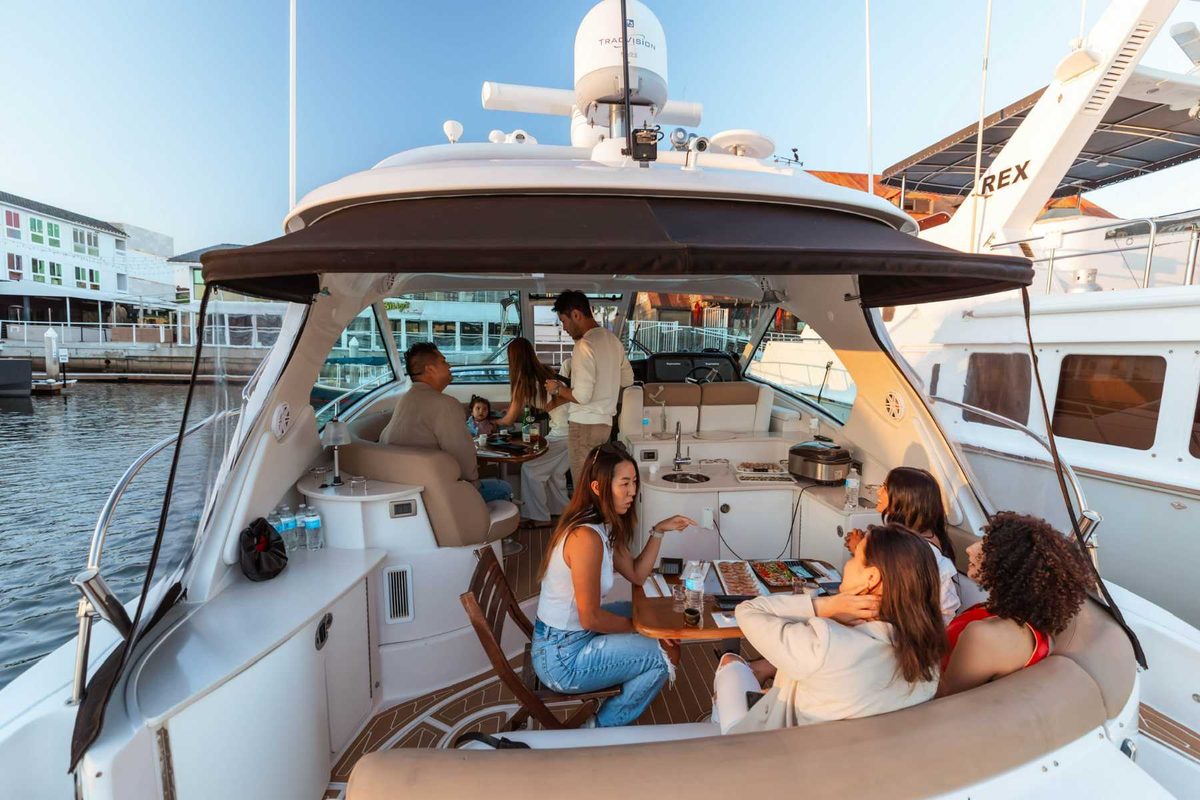
A captained charter includes a professional captain who operates the vessel, handles safety and routing decisions, and lets guests choose how involved they want to be. Guests can relax and take in Newport Harbor views, or drive the boat themselves with the captain close by for guidance.
The captain covers route planning, safety gear checks, weather calls, anchoring and mooring, docking, guest comfort, timing, and cleanup. That support frees hosts to spend the day with their guests instead of managing the boat.
A bareboat, or self-operated, charter shifts operating decisions, local route knowledge, compliance, group management, and weather choices to the renter. The guest acts as both operator and host for the whole trip.
This format calls for safety training and sound judgment in local waters. Many celebration and corporate guests prefer not to handle those prerequisites during a milestone event.
Newport Beach charters serve milestone celebrations such as anniversaries, birthdays, proposals, and retirements, along with corporate client appreciation and team-building events. Family gatherings, tourists, and experience-seekers also book often.
Guests who want to host without operational distractions typically choose professional captain charters. Self-operated formats appeal to experienced boaters who value control over convenience.
Operational responsibility is the clearest line between the two formats, and it shapes the whole guest experience. The table below shows who carries each duty.
| Duty | Captained Charter | Bareboat Charter |
|---|---|---|
| Route planning | Captain plans and adjusts the route | Renter plans the route |
| Docking and anchoring | Captain handles both | Renter handles both |
| Weather and timing calls | Captain monitors and adjusts | Renter monitors and decides |
| Safety gear and guest safety | Captain manages | Renter manages |
| Local harbor rules | Captain applies local knowledge | Renter must know and follow them |
| Operator requirements | Captain meets certification and instruction standards | Renter completes a boating safety course and holds a California Boater Card |
| Host availability | Host stays with guests | Host stays busy operating the boat |
A professional captain handles route planning, docking and anchoring, and safety management throughout the charter. The captain monitors weather, adjusts timing, and picks mooring spots that suit the conditions.
Captains also supply local knowledge for itinerary choices, timing, and mooring decisions specific to Newport Beach waters. That experience improves route quality and lowers stress for guests unfamiliar with harbor rules or coastal conditions.
In a bareboat charter, the renter handles route planning, docking and anchoring, and safety management with no professional support. The operator needs local route knowledge and must follow harbor regulations independently.
California requires all motorized vessel operators to complete a boating safety course and hold a California Boater Card, effective January 1, 2025. Self-operated outings carry prerequisites that many celebration and corporate guests do not want to manage, so a first-time charter checklist helps renters plan ahead.
Captained charters let guests focus on hosting and being present with other attendees. The host can greet arrivals, coordinate food service, make toasts, and enjoy conversation without splitting attention.
In a bareboat format, the primary guest stays busy with operation and management all trip. That dual role limits how fully the renter can join the celebration or talk with other guests.
Newport Beach waters challenge every operator, and professional captains handle them efficiently thanks to years of experience. Local expertise turns a generic route into an itinerary that fits guest preferences, weather conditions, and timing goals.
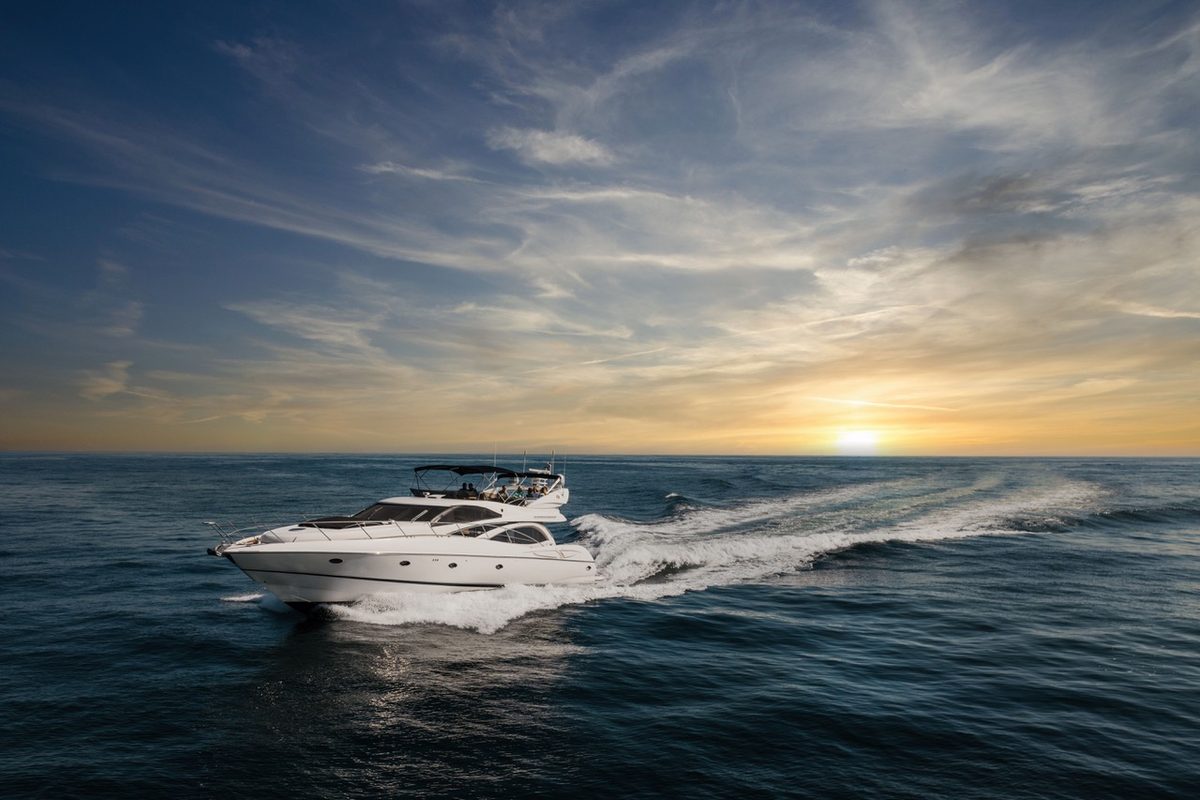
Professional captains offer harbor, coastal, Catalina, Channel Islands, and Emerald Bay routes matched to charter length and guest interests. They pick departure times for sunset viewing, find protected anchorages when wind picks up, and suggest scenic stops.
Captains adjust routes in real time based on sea state, guest comfort, and onboard energy. That flexibility lets guests see Newport Beach as a sailing destination up close instead of following a fixed path.
Newport Harbor has heavy boat traffic, narrow channels, crowded mooring fields, and strict no-wake zones that call for precise handling. The harbor entrance brings waves and currents that demand experienced timing for entry and exit.
Coastal routes add marine layer visibility, right-of-way rules with commercial vessels, and shifting winds near shore. First-time guests benefit from a captain who handles these conditions for them.
Multi-day charters run two to five days to Catalina Island and other Southern California islands, with extended open-water travel. Catalina Island sits 26 miles across the sea from the mainland, so trips require planning for fuel, provisions, anchorage, and weather windows.
Captains manage overnight mooring reservations at Avalon or other island anchorages and adjust to forecast changes mid-trip. That oversight lowers risk and stress for guests on multi-day trips from Newport Beach.
National boating statistics show how operator skill, instruction, and judgment affect incident rates and passenger safety. These figures help guests weigh the value of professional operation.
Sixty-nine percent of deaths occurred on boats where the operator had no boating safety instruction, where instruction status was known. Only 19% of deaths occurred on boats where the operator held a nationally approved boating safety education certificate.
Operator inattention ranks among the five most common primary contributing factors, along with improper lookout and operator inexperience. Navigation-rule violations contributed to 34% of deaths where data was known, which shows how specialized knowledge affects outcomes.
| National Boating Statistic | Figure |
|---|---|
| Deaths on boats where the operator had no safety instruction (where known) | 69% |
| Deaths on boats where the operator held a nationally approved safety education certificate | 19% |
| Deaths linked to navigation-rule violations (where data was known) | 34% |
| Drowning victims not wearing a personal flotation device (where PFD use was known) | 87% |
| Fatal incidents with alcohol as a contributing factor (where primary cause was known) | 20% |
The California Division of Boating and Waterways states that, effective January 1, 2025, all motorized vessel operators must complete a boating safety course. Operators need a California Boater Card before heading out on the water.
That rule adds a planning step to self-operated outings that a captained charter removes. Guests on professional captain charters rely on trained operators who already meet certification and instruction standards.
Eighty-seven percent of drowning victims were not wearing a personal flotation device where life jacket use was known. Alcohol use was the most common known contributing factor in fatal incidents, listed in 20% of deaths where the primary cause was known.
Professional captains hand out safety gear, watch guest behavior, and enforce capacity limits to cut preventable risks. Trained operation supports guest confidence and real safety outcomes.
A captained charter turns the vessel into a floating event space where hosts focus on guests instead of operations. Included services and flexible planning support celebrations and corporate gatherings.
Day charter inclusions cover the yacht, a friendly and knowledgeable captain, required safety gear, cleanup, and mooring or anchoring fees. Fuel is included for sailing charters, while powerboat fuel is charged separately based on consumption.
Food and alcohol are allowed on charters, but guests must stay within legal blood-alcohol limits during the trip. Yacht amenities include private heads, galley equipment, stereo systems, and shaded cockpit spaces for guest comfort.
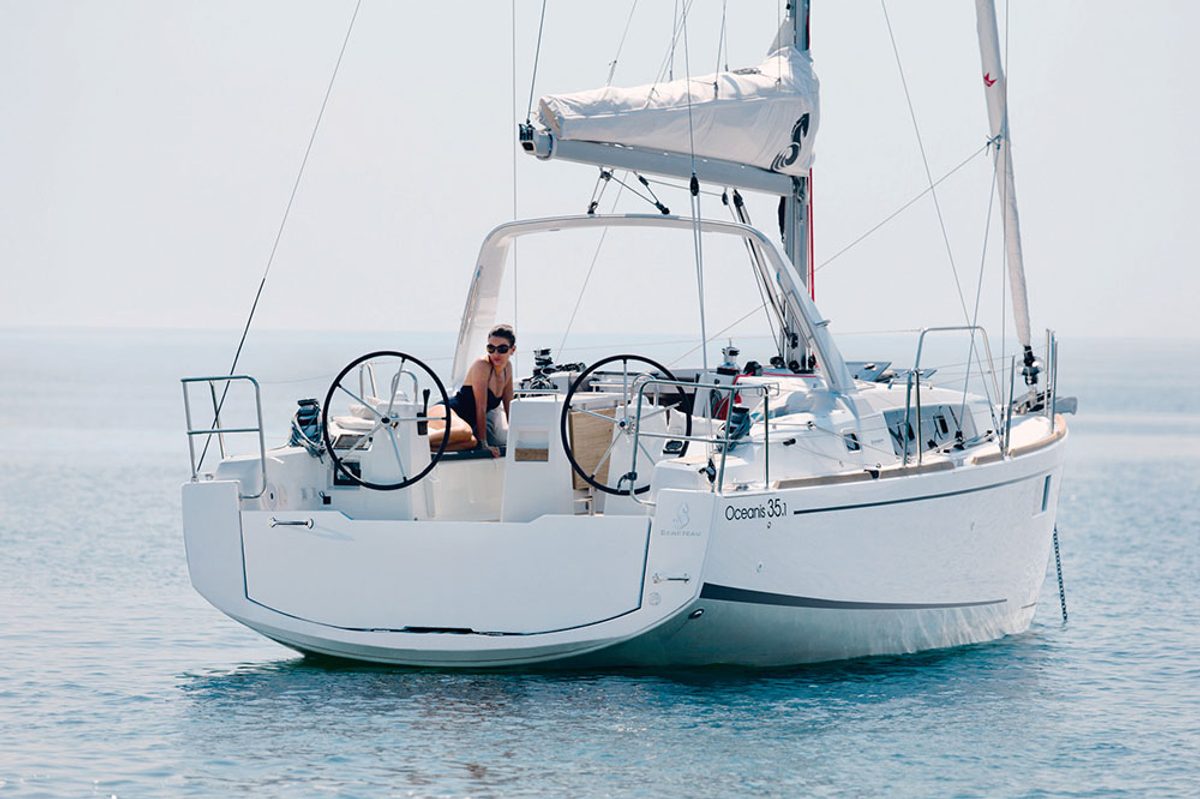
Captains invite interested guests to take the helm, trim sails, or learn sailing basics under supervision while keeping operational authority. This interactive model lets adventurous guests join in without carrying responsibility for vessel safety or routes.
Guests who prefer to relax can do so without feeling pressure to handle the boat. The captain adapts to group preferences, so active and relaxed guests share the same trip.
Captained charters suit anniversaries, birthdays, proposals, retirements, client appreciation gatherings, team-building exercises, corporate regattas, and holiday lights cruises. Hosts stay present with honorees instead of handling operational tasks.
Corporate events gain professionalism and reliability from captains who manage timing, guest arrivals, and safety protocols. Family yacht charters let parents supervise children while the captain manages the route and safety gear.
Guests weighing the two formats often raise concerns about control, cost, and customization. Clear answers show what a captained charter offers beyond a basic boat rental.
Captains expand guest choice by matching participation to comfort level. Guests keep a say in the itinerary, activity timing, and route changes throughout the charter.
The captain acts as a guide and safety steward, not a rigid authority. That approach protects guest autonomy while giving professional oversight to routes and compliance.
The captain's service covers route planning support, safety gear management, cleanup, mooring fees, local expertise, and operational responsibility for the whole trip. Those inclusions cut hidden costs and remove stress for hosts of celebrations and corporate events.
Direct booking removes third-party fees and gives transparent pricing, with visible rates by vessel and charter length. Comparing catamaran charter options shows how captained service adds value instead of just adding expense.
Day charters run three, four, five, six, seven, or eight hours to fit different event schedules. Guests work with captains to pick harbor-only routes, coastal cruises, or extended trips based on group preferences and timing.
Customization options extend to food and beverage choices, music, activity pacing, and participation levels. Captains adapt routes in real time based on weather, guest energy, and new preferences during the charter.
The right format depends on your experience goals, skill level, event type, and hosting priorities. Weighing these factors against the differences above helps guests book with confidence.
The fleet includes sailboats, catamarans, and powerboats that hold from 2 to 12 passengers. Vessel choice depends on group size, preferred experience, and whether guests want to sail or spread out in roomy entertaining areas.
Captained formats suit milestone celebrations, corporate events, family gatherings, and tourism trips, including multi-day Catalina charters, where guests lack local knowledge or want hands-free hosting. Self-operated formats suit experienced boaters who prioritize autonomy over professional support.
Direct booking eliminates third-party marketplace fees and connects guests with local captained charters that plan personalized itineraries. That direct line allows pre-charter talks about preferences, questions, and special requests.
Transparent pricing shows starting rates by vessel with clear inclusions for captain service, safety gear, and mooring fees. Guests avoid hidden costs and get dedicated support from operators accountable for the experience.
Captained charters accommodate different participation levels in one group, so some guests can helm while others relax. Mixed-skill groups stay comfortable instead of being forced into one level of involvement.
Bareboat formats require the primary operator to bring competence and confidence for the entire trip with no professional backup. Guests who want guaranteed participation with safety support benefit from the captained model's guided involvement.
A captained charter turns a Newport Beach yacht outing into a relaxed, memorable day where hosts stay present with their guests. Professional captains bring local expertise, manage operations, reduce safety risks through trained oversight, and let guests take part at their own pace.
Newport Beach Sailing Charters & Yacht Rentals runs captained day charters, multi-day Catalina trips, and corporate events from Newport Beach, with a fleet of sailboats, catamarans, and powerboats. Our local team plans the itinerary around your group, and booking direct means no booking fees. Call us at 800-609-3203 or request a quote and check availability to plan your charter.
On a captained charter, the professional captain operates the vessel, so guests do not need to run the boat themselves. California requires motorized vessel operators to complete a boating safety course and hold a California Boater Card, effective January 1, 2025, and that rule rests with the person operating the boat. Guests who want to take the helm do so under the captain's supervision. On a self-operated outing, the renter carries the full requirement.
For many celebrations and corporate events, yes. The captain's service covers route planning support, safety gear management, cleanup, mooring fees, and local expertise, which cuts hidden costs and stress for hosts. Booking direct removes third-party fees, and rates appear by vessel and charter length so guests can compare options before they book. The value shows up on the day itself, because the host stays with guests instead of running the boat.
Yes. Captains invite interested guests to take the helm, trim sails, or learn sailing basics under supervision. The captain keeps operational authority, so guests do not carry responsibility for vessel safety or routes. Guests who prefer to relax can skip boat handling entirely. The captain adapts to the group, so active and relaxed guests share one trip.
Captained charters suit anniversaries, birthdays, proposals, retirements, client appreciation gatherings, team-building exercises, corporate regattas, and holiday lights cruises. Hosts stay present with honorees and guests because the captain manages timing, arrivals, and safety. Families also book captained charters, since parents can supervise children while the captain handles the route and safety gear. Day charters run from three to eight hours, so the length can match the event schedule.
Yes. Multi-day charters run two to five days to Catalina Island and other Southern California island destinations. Catalina sits 26 miles across open water, so trips need planning for fuel, provisions, anchorage, and weather windows. Captains manage overnight mooring reservations at Avalon or other island anchorages and adjust to forecast changes mid-trip. Shorter day charters cover harbor, coastal, and Emerald Bay routes.