
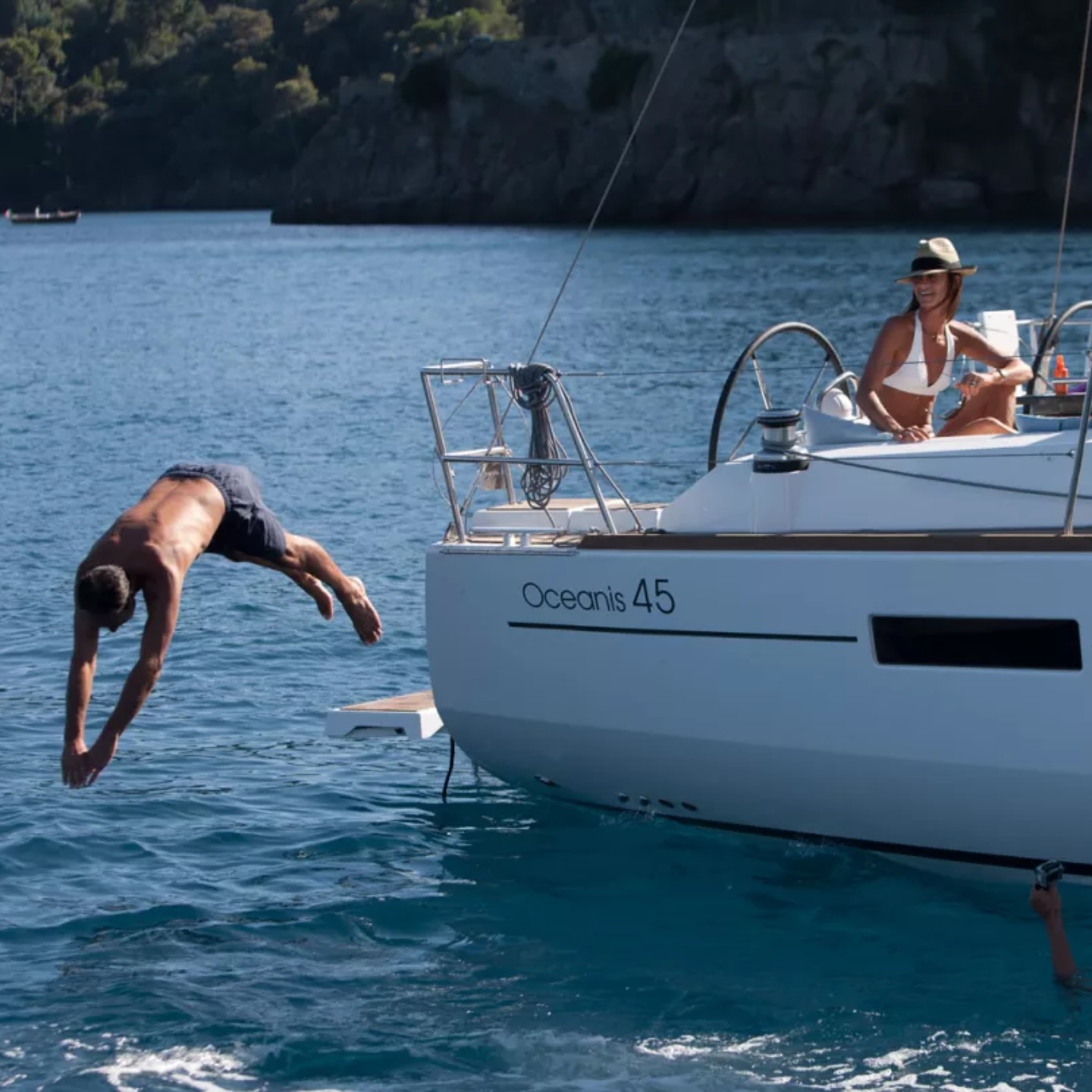
Yacht charters paired with snorkeling offer direct access to protected marine environments unreachable from shore. These combined experiences allow travelers to explore vibrant coral reefs while enjoying personalized itineraries and luxury accommodations. The global snorkeling tourism market reached $12.29 billion in 2025, driven by increasing demand for authentic ocean interactions. Yacht charter operations valued at $8.98 billion complement this growth, creating specialized niches for high-value marine exploration.
Key Takeaways
Ideal snorkeling locations combine exceptional water clarity with convenient yacht mooring and protected anchorage zones. These destinations feature stable weather patterns, minimal current danger, and proximity to biodiverse marine ecosystems. Newport Beach marine spots exemplify accessible coastal snorkeling, with calm harbor waters and nearby offshore reefs. Charter vessels anchor in designated zones, allowing swimmers to access shallow reef systems within minutes.
Water clarity determines visibility range and overall snorkeling quality in any marine environment. Superior snorkeling destinations achieve visibility exceeding 30 meters, as documented in Indonesia's Raja Ampat region. The crystal clear waters in Newport experience depend on seasonal upwelling patterns and reduced sediment runoff. Optimal visibility occurs during summer months when offshore winds minimize coastal turbidity and plankton blooms.
Snorkeling provides surface-level exploration of coral reefs and shallow marine ecosystems without specialized equipment. Healthy coral formations support thousands of fish species, creating vibrant underwater landscapes for observation. Coral bleaching events increasingly threaten these fragile ecosystems, reducing biodiversity and visual appeal. Protected marine reserves with active conservation programs maintain higher species counts and structural complexity.
Snorkeling remains limited to shallow waters, typically ranging from five to forty feet deep. Basic swimming ability is required for safe participation, though flotation devices accommodate less confident swimmers. Yacht platforms provide stable entry points, reducing exhaustion compared to shore-based snorkeling excursions. Protected bays and lagoons offer calmer conditions ideal for beginners and families with children.
Yacht charters provide mobile platforms reaching remote snorkeling sites inaccessible to day-trip operators. Private vessels eliminate crowding, allowing extended time at preferred locations with flexible departure schedules. Onboard amenities include freshwater rinses, changing facilities, and climate-controlled cabins for comfort between dives. Professional crews identify optimal snorkeling windows based on tide tables, current patterns, and marine life activity.
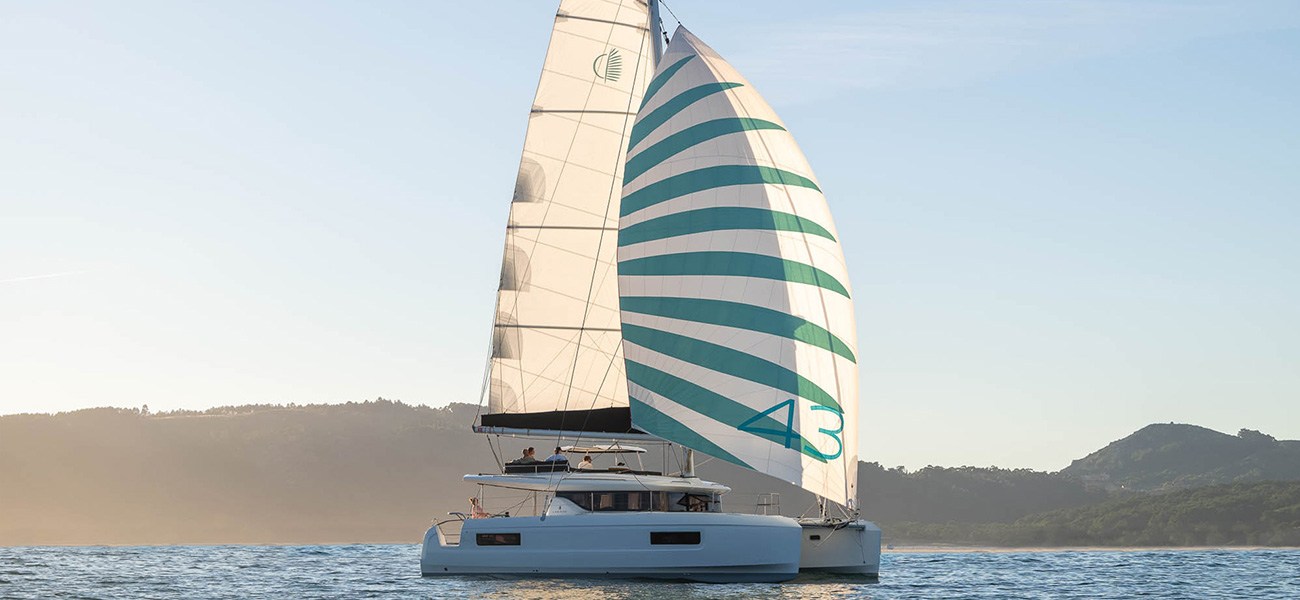
Day-trip catamarans accommodate groups seeking affordable snorkeling access with stable dual-hull platforms for easy entry. Traditional outrigger boats serve tropical destinations, combining cultural authenticity with practical shallow-water navigation capabilities. Sailing monohulls appeal to purists wanting wind-powered transit between snorkeling sites in protected waters. Sailing catamarans dominate the yacht charter market due to spacious decks and minimal draft for reef approaches. Motor superyachts deliver luxury experiences with professional crews, tenders, and comprehensive water sports equipment inventories.
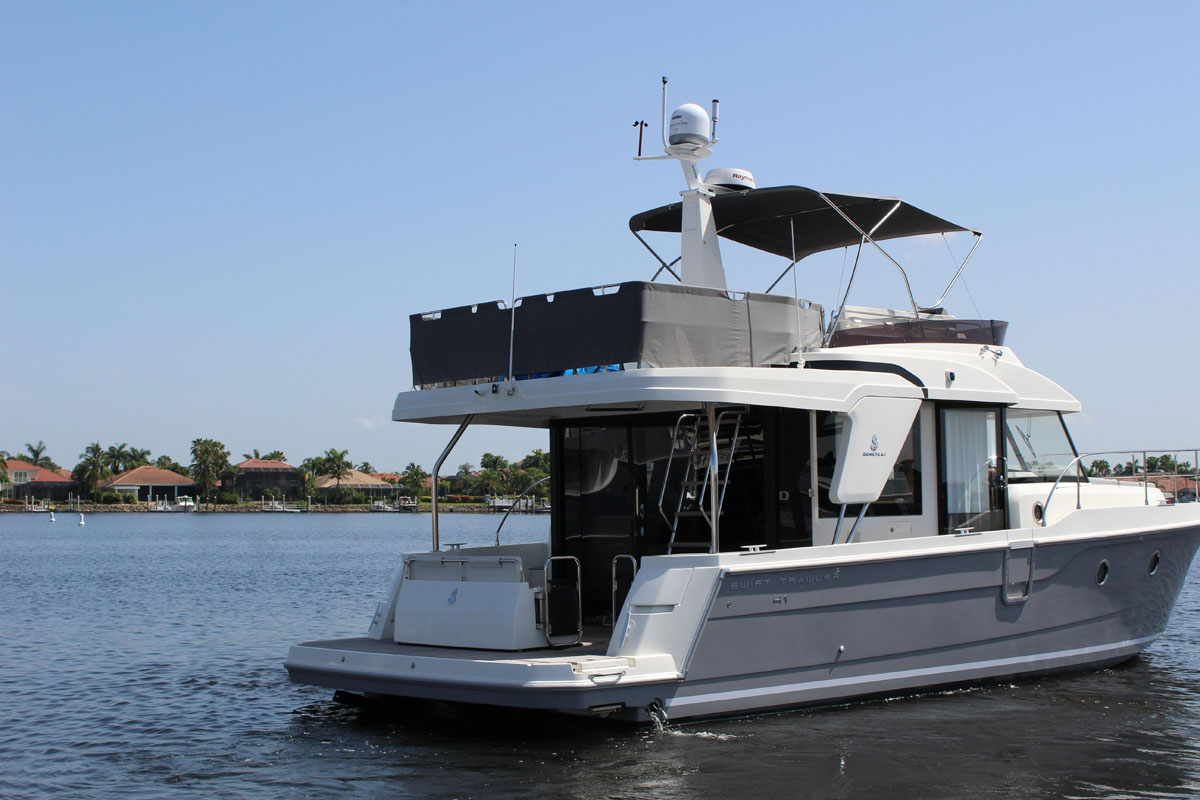
Yacht charters represent private vessel rentals, available as bareboat or crewed options for multi-day excursions. Bareboat charters require sailing certifications but cost significantly less than fully crewed alternatives. Luxury vessels include gourmet catering, professional photography services, and marine biologist guides, enhancing educational value. Climate-controlled salons and sun-protected deck areas provide comfortable spaces between active snorkeling sessions.
Eco-adventure activities encompass low-impact, highly sustainable interactions with marine environments beyond basic snorkeling. Stand-up paddleboarding allows exploration of shallow mangrove channels inaccessible to deeper-draft vessels. Sea kayaking provides silent approaches to wildlife without engine noise or fuel emissions. Combined snorkeling and other water activities create diverse itineraries appealing to multi-generational groups with varying fitness levels.
Top yacht snorkeling destinations balance pristine marine environments with reliable infrastructure supporting extended vessel operations. Proximity to provisioning ports, fuel stations, and emergency services remains essential for safe multi-day charters. Protected anchorages shield vessels from weather while maintaining access to dynamic reef systems and pelagic zones. Government investment in marine parks and mooring buoys indicates a commitment to sustainable tourism development.
Raja Ampat, Indonesia, dominates discussions of crystal-clear water snorkeling due to exceptional visibility and biodiversity. This remote archipelago requires liveaboard charters costing $3,000+ weekly, limiting mass tourism impacts. The Coral Triangle encompasses Indonesia, Malaysia, and the Philippines, supporting 76% of global coral species. Day trips in accessible areas start at $150+ but offer reduced species diversity compared to remote sites.
The Caribbean provides numerous yacht snorkeling destinations with shorter transit times from North American departure points. Belize's barrier reef system offers protected lagoons ideal for beginner snorkelers and families. The Bahamas features extensive shallow banks where yacht charters anchor in sand-bottom harbors adjacent to reef walls. Florida Keys bridges tropical Caribbean characteristics with mainland convenience, though visibility varies seasonally with Gulf Stream patterns.
Remote destinations command premium pricing due to extended transit requirements and limited competitor presence. French Polynesia's Tuamotu Archipelago features gin-clear lagoons with exceptional shark and ray populations. The Channel Islands off California's coast provide temperate-water alternatives with kelp forests and unique marine mammals. Newport Beach serves as a departure point for yacht rentals accessing these offshore ecosystems during favorable summer conditions.
Environmental regulations increasingly shape yacht charter operations through distance requirements, seasonal closures, and permit systems. Compliance costs affect pricing structures while protecting marine species from disturbance and habitat degradation. Climate change impacts, including coral bleaching and ocean acidification, threaten the long-term viability of reef-dependent tourism. Industry adaptation through sustainable practices determines destination resilience and competitive positioning in conscious consumer markets.
Reef-safe sunscreen mandates eliminate oxybenzone and octinoxate chemicals proven to damage coral polyp development. Mooring buoy systems prevent anchor damage to fragile reef structures in heavily visited locations. Waste management protocols require holding tanks and shore-based pump-out facilities to prevent sewage discharge. Eco-friendly yacht charters adopt electric or hybrid propulsion systems, reducing acoustic pollution affecting marine mammals.
French Polynesia implemented quota systems permitting only three boats per whale during calving season. NOAA regulations mandate minimum distance of 100 yards from humpback whales in Alaskan waters. Observation time limits of 30 minutes prevent extended wildlife harassment during sensitive feeding periods. Canada requires vessels to maintain a 400-meter distance from Southern Resident killer whales year-round. Positioning vessels in whale migration paths faces absolute prohibition under Canadian enforcement frameworks.
Distance requirements limit optimal viewing angles but reduce stress-induced behavioral changes in marine mammals. Quota systems create competitive booking pressures, incentivizing early reservations and seasonal price premiums. Permit fees fund enforcement patrols and scientific monitoring programs supporting adaptive management strategies. Operators investing in compliance infrastructure gain competitive advantages as regulations tighten across primary destinations.
Cost variation reflects vessel size, crew expertise, destination exclusivity, and included amenities across market segments. Budget options maximize passenger counts, reducing per-person costs through economies of scale and standardized itineraries. Premium experiences emphasize personalization, privacy, and access to restricted areas requiring special permits. Geographic location significantly impacts pricing, with remote destinations commanding surcharges for fuel and provisioning logistics.
Budget snorkeling experiences range from $40 to $50 for shore-based access or short boat transfers. Shared day-trip catamarans accommodate 30-50 passengers, splitting operational costs across large groups. Equipment rental typically includes masks, snorkels, and fins without additional fees or deposit requirements. Newport Beach snorkeling charters offer accessible pricing due to proximity to coastal reefs and minimal fuel consumption.
Mid-range snorkeling packages cost $50 to $120, featuring half-day tours with included gear and meals. Smaller vessels carrying 12-20 passengers provide more personalized instruction and flexible scheduling capabilities. Professional guides identify marine species and explain ecosystem dynamics, enhancing educational value beyond visual observation. These charters balance affordability with comfort, targeting families and casual enthusiasts seeking quality experiences.
Premium snorkeling packages exceed $130 to $189+ daily, accessing remote locations with minimal crowding. Full-day itineraries include gourmet catering, underwater photography services, and marine biologist-led educational programs. Yacht charter premium experiences start at $15,000+ daily for fully crewed superyachts with comprehensive amenities. Baja California luxury yacht charters average $25,000+ per week during peak blue whale migration seasons.
Emerging technologies reshape booking processes, vessel operations, and onboard guest experiences across maritime tourism sectors. Digital platforms eliminate traditional intermediaries, reducing costs while improving transparency and customer communication channels. Environmental technologies address sustainability concerns, attracting eco-conscious demographics willing to pay premiums for verified practices. Integration of scientific research creates hybrid tourism-conservation models, generating funding for marine protection initiatives.
AI booking platforms like Mindtrip and Hopper disrupt traditional online travel agencies through algorithm-driven personalization. Machine learning analyzes individual preferences, budget constraints, and historical behavior patterns to recommend optimal itineraries. Direct booking capabilities eliminate commission structures, reducing costs for consumers while maintaining operator profit margins. Chatbot interfaces provide 24/7 customer service, handling routine inquiries without human staff involvement.
Electric propulsion systems eliminate fuel emissions and reduce acoustic pollution, disturbing sensitive marine wildlife populations. Hybrid-electric vessels combine renewable energy generation with traditional engines for extended range capabilities. Solar panel arrays integrated into hardtops and deck surfaces power onboard systems without generator noise. Advanced hull designs minimize wake production, protecting shallow coral formations from wave-induced damage.
Citizen science programs engage yacht charter guests in data collection supporting academic research initiatives. Participants log species sightings, water temperature readings, and coral health observations using standardized protocols. Educational programming transforms recreational experiences into conservation awareness opportunities, fostering long-term environmental stewardship. Revenue-sharing models direct portions of charter fees toward marine protected area management and enforcement budgets.
Consumer preferences directly shape product development, pricing strategies, and marketing positioning across ocean adventure segments. Cost remains the dominant decision factor for over 50% of travelers despite stated environmental concerns. Experience quality priorities drive approximately 30% of purchasing decisions, emphasizing service standards and itinerary uniqueness. Environmental impact considerations influence only 7% to 11% of consumers as primary selection criteria.
Snorkeling participation reaches 3.2% among the 13-17 age group, representing the highest demographic engagement. The 25-34 age bracket maintains 3.0% participation rates, driven by honeymoon travel and adventure tourism interest. Urban residents account for 68% of participants compared to 32% from rural populations. Higher disposable incomes and international travel access concentrate demand in metropolitan areas near coastal hubs.
Over 50% of travelers rank cost as the most important factor when selecting ocean adventure experiences. Approximately 30% prioritize experience quality, including crew expertise, vessel condition, and itinerary flexibility. Only 7% to 11% consider environmental impact as their primary decision driver despite survey preferences. This gap between stated values and purchasing behavior challenges operators investing in premium sustainability certifications.
North America accounts for approximately 28% of the global market share, supported by extensive coastlines and infrastructure. Asia Pacific is projected to capture 35% share by 2030 through rising incomes and government tourism initiatives. Snorkeling tourism demonstrates a projected CAGR of 14.91% through 2033, outpacing most adventure travel segments. Yacht charters grow at 5.3% CAGR, indicating stable luxury market expansion despite economic uncertainties.
Premier yacht snorkeling destinations combine exceptional marine biodiversity with reliable infrastructure supporting extended vessel operations. Newport Beach yacht rentals provide gateway access to Southern California's offshore ecosystems and Channel Islands protected waters. Successful snorkeling yacht charter experiences require careful planning, addressing vessel selection, seasonal timing, and regulatory compliance. Planning your perfect charter involves balancing budget constraints with desired amenities and destination exclusivity.
The convergence of luxury yacht amenities with pristine snorkeling environments creates transformative ocean experiences. Catamaran charters offer optimal platforms combining stability with shallow draft capabilities for reef approaches. Newport Beach Sailing Charters delivers personalized itineraries emphasizing guest choice between active participation and relaxed observation. Professional crews leverage local knowledge identifying optimal conditions for safe, memorable underwater exploration experiences.
The future of snorkeling yacht charters depends on balancing commercial viability with environmental protection responsibilities. Operators adopting sustainable technologies and conservation partnerships position themselves for long-term success in evolving markets. Consumer education initiatives bridge gaps between stated environmental values and actual purchasing behaviors through transparent impact reporting.
Ready to explore crystal-clear waters and vibrant marine ecosystems aboard a private yacht? Contact us to design your customized snorkeling adventure with experienced local crews and premium vessels.