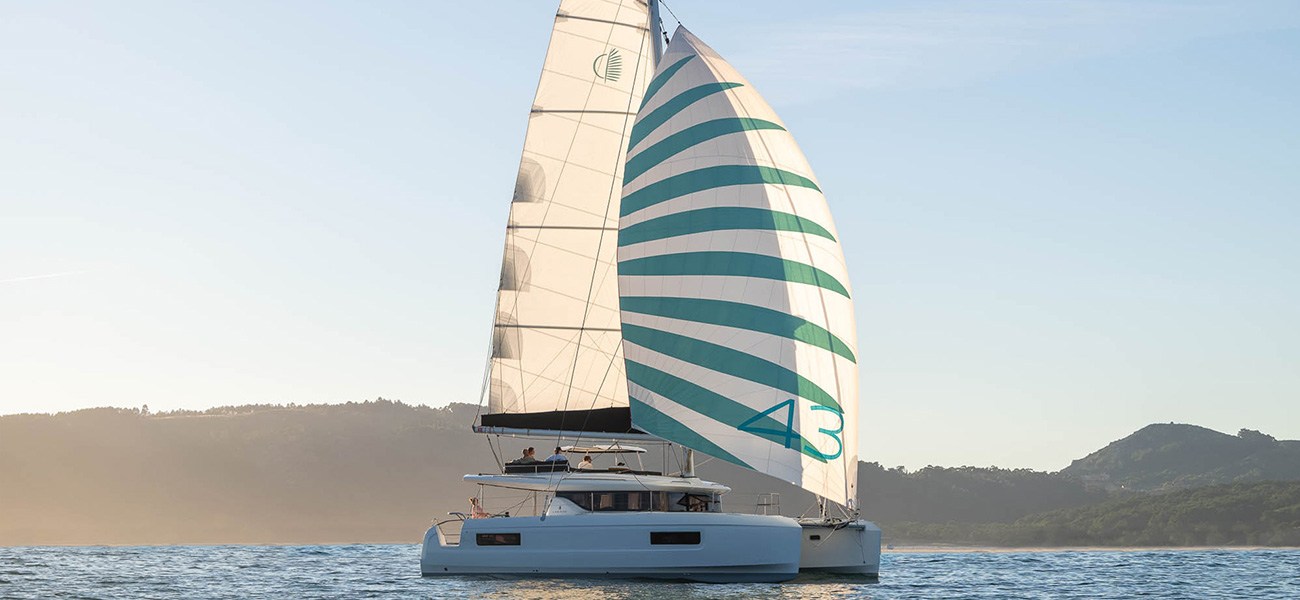



Key Takeaways:
1. Golden Hour Timing: October's consistent 25-minute twilight extension simplifies camera gear planning and departure scheduling for OC coast charters.
2. Fast Shutter Speeds: Use 1/1000-1/2000 sec with telephoto lenses to freeze wildlife motion on moving catamaran deck angles.
3. Three-Lens Kit: 16-35mm, 24-70mm, and 100-400mm cover all photo opportunities while minimizing risky lens swaps in salt spray.
4. CPL Filter Required: Circular polarizing filters reduce water glare—essential for digital cameras shooting coastal scenes.
5. Optimal Conditions: 68°F temperatures, clear skies, and 10+ mile visibility make October ideal for DSLR lenses and memory cards.
Fall light is the distinct quality of natural illumination during autumn months when the sun travels at a lower angle across the sky. In October, along the Orange County coast, the sun drops from 52.9° to 42.0° altitude—creating extended golden hour conditions and softer directional lighting throughout the day. This lower angle eliminates harsh overhead shadows that plague summer photography, giving marine photographers ideal conditions for both DSLR lenses and compact system cameras.
This seasonal shift matters for photo opportunities aboard sailing vessels. Civil twilight extends 25-27 minutes past sunset consistently through October, providing reliable planning windows for camera gear setup and lens swaps. The combination of 255 sunshine hours monthly, 70°F temperatures, and reduced marine layer creates optimal conditions for capturing deck angles, crew portraits, and coastal backdrops. Digital cameras perform better in these moderate conditions—spare batteries last longer, and memory cards handle extended shooting sessions without overheating concerns common in summer heat.
Timing determines success in marine photography. October's predictable sunset patterns allow photographers to plan camera gear setup, test shutter priority mode settings, and position for optimal catamaran deck angles before peak light arrives. Understanding these windows helps coordinate lens swaps from wide-angle RF15-35mm f2.8 to telephoto lenses without missing critical moments.
October Sunset & Golden Hour Times (Newport Beach)
| Date | Sunset Time | Golden Hour End | Extension Duration |
| Oct 1 | 6:35 PM | 7:00 PM | 25 minutes |
| Oct 7 | 6:27 PM | 6:52 PM | 25 minutes |
| Oct 15 | 6:17 PM | 6:42 PM | 25 minutes |
| Oct 22 | 6:09 PM | 6:34 PM | 25 minutes |
| Oct 31 | 6:00 PM | 6:25 PM | 25 minutes |
Golden hour delivers warm, directional light with amber/gold tones perfect for full-frame sensors and DSLR lenses. The total photography window spans 55-60 minutes—30 minutes before sunset plus the 25-minute civil twilight extension. Marine photographers shoot at 3000-3500K color temperature during this period, capturing enhanced texture and long shadows that define coastal features. This consistency simplifies planning for digital camera settings and ND filter selections.
Blue hour begins when the sun drops 6° below the horizon, creating deep cobalt skies that balance perfectly with boat lighting and harbor illumination. This transition period offers unique photo opportunities unavailable during daylight, when digital stills capture both ambient sky detail and artificial light sources without overexposure.
Blue Hour Characteristics:
The optimal "sweet spot" occurs 15-20 minutes after sunset when golden hour warmth fades into blue hour coolness. This 5-minute window produces the richest color palette—warm foreground elements against cool blue skies. Marine photographers using Canon L-series 28-300mm zoom lenses can capture both intimate deck details and wide harbor scenes without changing camera gear. Memory cards fill quickly during this brief period as photographers bracket exposures to handle extreme dynamic range.
Daylight Length Changes:
Charter departure times shift earlier as October progresses. A sunset photography charter departing at 4:45 PM in early October moves to 4:00 PM by month's end. This consistency allows marine photographers to prepare camera gear, pack spare batteries, secure memory cards, and test external hard drives using the same timeline regardless of date. The stable 25-minute golden hour extension simplifies planning for lens swaps and ND filter adjustments.
Weather patterns shape photography opportunities more than any camera gear selection. October's reduced marine layer and stable atmospheric conditions create ideal environments for telephoto lenses and DSLR lenses—minimizing the haze that degrades image sharpness during summer months. Marine photographers planning charter sessions need to understand how fog, clouds, and storms affect digital camera performance and lighting conditions.
October's marine layer patterns differ dramatically from summer's persistent "June gloom." Early October delivers the highest probability of clear mornings—marine layers typically form after 11 PM and dissipate by 11 AM. Standard visibility reaches 10 nautical miles compared to summer's 2-5 nautical mile fog-restricted conditions, allowing telephoto lenses and Canon L-series 28-300mm zoom ranges to capture distant coastal features without atmospheric interference.
Late October shows increased cloud cover as the month progresses, though nothing approaching summer density. This shift benefits photographers using full-frame sensors and compact system cameras—the diffused light reduces harsh contrasts and eliminates the need for graduated ND filters. Camera gear performs reliably in these conditions without condensation concerns that plague digital cameras during heavy fog. Memory cards and spare batteries maintain normal operation in the 65-75% humidity range typical of October mornings.
Overcast conditions produce dramatic diffuse lighting that enhances photo opportunities for marine photographers. Cloud cover acts as a natural softbox—eliminating harsh shadows while maintaining adequate light levels for handheld shooting with DSLR lenses. Modern full-frame sensors handle high dynamic range scenes effectively, capturing detail in both bright sky patches and darker water surfaces without bracketing multiple exposures.
Don't cancel photography charters when forecasts show clouds. Overcast skies create moody, atmospheric images impossible to achieve in direct sunlight. Use these conditions to shoot 4K video recording without blown highlights, test image stabilisation systems on catamaran deck angles, and experiment with longer exposures using variable ND filters. The even lighting simplifies camera gear settings—photographers spend less time adjusting exposure compensation and more time composing shots.
October storms are rare but spectacular when they occur. The month averages only 0.4-0.6 inches of rainfall spread across 1-2 days, a 3-7% chance on any given date. These infrequent weather events create exceptional photography opportunities as clearing storm systems produce vivid sunsets and dramatic cloud formations that marine photographers prize.
Pre-storm and post-storm lighting deliver the most compelling images. Dark cloud banks contrasting with golden hour illumination create natural graduated effects without Lee 10-stop Big Stopper filters. Marine photographers should monitor weather forecasts and plan charter departures to coincide with clearing conditions—when shutter priority mode captures both storm drama and breaking sunlight. Protect camera gear with waterproof Pelican 1550 cases during light rain, though heavy downpours require postponing photography sessions to preserve digital cameras and memory cards.
Technical mastery separates amateur snapshots from professional marine photography. October's predictable lighting conditions along the OC coast allow photographers to optimize camera gear settings before departing—eliminating fumbling with DSLR lenses and ND filters during peak golden hour moments. Understanding how digital cameras respond to changing light ensures maximum photo opportunities during limited shooting windows.
Shooting Mode Recommendations:
Autofocus Settings:
ISO Strategy by Lighting Conditions
| Condition | ISO Range | Use Case |
| Bright Sun (Mid-Day) | 400-800 | Allows f/8 aperture + fast shutter with telephoto lenses; optimal for 4K video recording |
| Overcast/Morning/Evening | 800-1600 | Maintains adequate shutter speeds for handheld shooting; prevents camera shake blur |
| Golden Hour | 400-1600 | Balances warm light capture with motion-stopping speeds for group photography |
| Blue Hour (Early) | 800-1600 | Preserves sky detail while keeping shutter speeds above 1/60 second |
| Blue Hour (Mid/Late) | 1600-3200 | Essential for handheld photography as ambient light fades; full-frame sensors handle noise well |
Modern full-frame and compact system cameras produce clean files at ISO 1600-3200, with acceptable noise levels that preserve detail. Crop sensor digital cameras perform best at ISO 800-1600 maximum. Prioritize adequate shutter speed over low ISO; slightly noisy images beat motion-blurred shots every time. Pack spare batteries since high ISO settings drain power faster during extended October charter sessions.
Aperture Guidelines by Lens Type:
Wildlife & Action Photography Shutter Speeds
| Subject | Minimum Shutter | Preferred Shutter | Burst Mode |
| Whale (surface) | 1/500 sec | 1/1000 sec | YES (5-10 fps) |
| Whale (breaching) | 1/1000 sec | 1/2000 sec | YES (10-20 fps) |
| Dolphin (bow-riding) | 1/500 sec | 1/1000 sec | YES (10+ fps) |
| Dolphin (leaping) | 1/1000 sec | 1/2000 sec | YES (10-20 fps) |
| Seabirds (flying) | 1/1000 sec | 1/2000 sec | YES (10-20 fps) |
| Seals (hauled out) | 1/250 sec | 1/500 sec | Optional |
Marine photographer Grant Atkinson emphasizes speed: "I tend to shoot fast shutter speeds much of the time...I look to try and work with speeds from 1/1600 second and faster, up to 1/8000 second, when trying to photograph fast action." Moving subjects combined with rocking catamaran deck angles demand doubled shutter speeds compared to land photography—what works at 1/500 on stable ground requires 1/1000 at sea. Fill memory cards quickly using burst mode; keeper rates improve dramatically when shooting 10-20 frames per second.
Sunset Photography Shutter Speeds:
Camera gear selection determines photography success aboard sailing vessels. Marine photographers need streamlined kits balancing versatility with practicality—every lens must justify its deck space while delivering professional results for October charter conditions.
Three lenses cover 90% of photo opportunities while minimizing risky lens swaps on moving catamaran deck angles.
The Three-Lens Charter Photography Kit:
1. Wide-Angle Zoom: 16-35mm (full frame) or 10-24mm (crop)
Use Cases: Onboard perspective with sails/rigging, harbor panoramas, coastal cliffs, group photography, sunset landscapes, RF15-35mm f2.8 environmental shots
Advantages: Immersive perspective, easy f/8-11 depth management, handheld tight spaces
Models: Canon RF 15-35mm f/2.8L, Nikon Z 14-30mm f/4, Sony FE 16-35mm f/2.8 GM, Fujifilm XF 10-24mm f/4
2. Standard Zoom: 24-70mm or 24-105mm
Use Cases: Walk-around shooting, crew portraits 35-50mm, vessel-to-vessel photography, harbor details, sunset 35-70mm sweet spot, Canon L-series 28-300mm zoom alternative
Advantages: Minimal lens swaps, f/2.8-f/4 handles golden hour, image stabilisation compensates deck motion
Models: Canon RF 24-70mm f/2.8L IS, Nikon Z 24-70mm f/2.8 S, Sony FE 24-70mm f/2.8 GM II, Tamron 28-75mm f/2.8
3. Telephoto Zoom: 100-400mm (recommended)
Use Cases: Marine wildlife (whales 100+ yards, dolphins 50+ yards), seabirds, distant coastal features, compression shots
Focal Length Selection: 70-200mm lighter/easier; 100-400mm ideal balance; 150-600mm too heavy for moving vessels
Expert Note: "Photographing anything specific at 600mm on a rough day is almost impossible." —Dan Carr
Models: Canon RF 100-400mm f/5.6-8 IS, Nikon Z 100-400mm f/4.5-5.6 VR S, Sony FE 100-400mm f/4.5-5.6 GM OSS
Circular Polarizing Filter (CPL) — ESSENTIAL
Use Cases: Reduce water glare, deepen blue sky, eliminate boat reflections, enhance cliff earth tones
Technical: Rotate to remove glare; maximum effect 90° to sun; 1.5-2 stop light loss; buy for largest lens
Skip When: Fast wildlife action, overcast flat light, wide-angle >24mm, video with variable ND already mounted
Neutral Density (ND) Filters — OPTIONAL
NiSi 1-5 stop variable ND allows slower shutters or wider apertures. Lee 10-stop Big Stopper needs stable platforms—difficult on moving catamaran deck angles. Pack variable ND only if anchoring; skip 10-stop filters requiring tripods.
Graduated ND Filters — SKIP
Modern full-frame sensors handle 14+ stops of dynamic range. Post-processing graduated filters provides superior control. Skip entirely—handle in RAW editing.
UV/Clear Protective Filter — PERSONAL CHOICE
Pros: Salt spray protection for expensive DSLR lenses, cheaper replacement filter than lens
Cons: Extra glass degrades sharpness, potential flare
Use on: Telephoto lenses >$1500; skip on wide/standard zooms
Protection Strategy:
October conditions are ideal for camera gear: 68°F prevents overheating, 7.5 mph wind minimizes spray, and 3-7% rain probability. Pack spare batteries for cooler mornings; lithium cells perform reliably in 61-75°F OC coast temperatures.
Post-processing transforms raw files from digital cameras into finished work. Marine photographers shooting Canon 5D MkIV DSLR or compact system cameras need efficient workflows—October charter sessions generate thousands of files filling memory cards and external hard drives rapidly.
Post-Processing Techniques:
Southern California Fall Palette:
White balance affects mood dramatically. Shoot RAW files for maximum post-processing flexibility—digital cameras record all color data, allowing non-destructive adjustments. Golden hour benefits from daylight 5500K or slightly warmer settings, preserving amber tones. Blue hour needs daylight 5500K to enhance cool spectrum—auto white balance often warms scenes excessively. Custom 6000-7000K splits the difference for transitional lighting.
Color temperature defines the fall light character. Golden hour measures 3000-3500K, producing warm amber tones that marine photographers associate with quality October conditions. Blue hour jumps to 8000-12000K, creating a deep blue-dominant spectrum. The 15-20 minute post-sunset window combines both warm foreground elements against cool blue skies. Full-frame sensors and compact system cameras handle this range effectively when shooting RAW with proper exposure.
HDR Processing Workflow:
Transfer files to external hard drives nightly. October charter sessions generate 500-1000+ images requiring an organized workflow and redundant backup protecting against memory card failure or camera gear loss.
October delivers ideal conditions for marine photography along the OC coast—predictable golden hour timing, stable catamaran deck angles, and 25-minute twilight extensions. Newport Beach Sailing Charters & Yacht Rentals provides optimal positioning for sunset photography, wildlife encounters, and professional photo opportunities with your digital camera and telephoto lenses.
Book your fall photography charter during peak October lighting conditions.