
A Newport Beach yacht charter turns a first day on the water into something approachable rather than intimidating. The global yacht charter market has shifted from a restricted, high-cost service into an accessible everyday experience. The industry is valued at approximately $9.69 billion in 2025 and projected to reach $18.20 billion by 2034, growing at 8.19% annually.
Newport Beach offers first-time charterers an ideal entry point into yacht experiences. Southern California's protected harbors, proximity to Catalina Island, and diverse fleet options create perfect conditions for preparing for yacht trip adventures.
A yacht charter is a temporary rental of a recreational vessel with or without professional crew. Newport Beach provides sheltered waters, consistent weather, and convenient access to Southern California's well-known sailing destinations including Catalina Island.
The United States yacht charter market is expanding at 9% to 12% annually through the early 2030s. Newport Beach captures significant share of this growth due to its established marine infrastructure and year-round sailing conditions.
Modern yacht charterers represent a younger demographic than traditional owners. The average charterer's age now falls between 40 and 50 years old, a ten-year decrease over two decades.
Ultra-high-net-worth individuals now include 60% under age 50, driving demand for experiential travel. This shift favors flexible rental models over long-term yacht ownership commitments.
Millennials increasingly prefer yacht rentals over ownership, utilizing peer-to-peer platforms. Younger charterers prioritize active participation and authentic maritime experiences rather than passive high-end consumption.
The demographic evolution reflects broader consumer trends favoring access over assets. Baby Boomers and Generation X still charter frequently but now share the market with experience-focused younger professionals.
Safety ranks as the paramount concern for first-time charterers, scoring 95% importance. Service quality follows at 85% importance, while accessibility scores 78% among inexperienced tourists.
First-timers require thorough safety briefings and professional crew oversight throughout their charter. Experienced charterers prioritize itinerary and sailing programs, having established baseline comfort with maritime operations.
| Factor | Importance to First-Time Charterers |
| Safety education and briefings | 95% |
| Structured sailing programs | 92% |
| Service quality | 85% |
| Accessibility within one hour of city centers | 78% |
Sailing programs score 92% in importance among first-time charterers seeking structured learning experiences. Consumers prefer programs combining safety education, equipment instruction, and tourism information platforms accessible within one hour of city centers.
Newport Beach operators offer various instructional formats from basic orientation to multi-day certifications. These programs address the steep learning curve while building confidence in Newport Beach sailing basics and fundamentals.
Charter vessels are divided into three primary categories: motor yachts, sailing yachts, and catamarans. Each vessel type offers distinct advantages, operational requirements, and pricing structures based on design and propulsion systems.
Understanding vessel differences helps first-timers select appropriate platforms for their experience level and preferences. Motor yachts dominate the market while catamarans show the fastest growth trajectory in recent years.
| Vessel Type | Strengths | Trade-offs | Market Note |
| Motor yachts | High speed, stable deck, no sailing skill needed | Deeper draft, higher fuel use, and surcharges | 87% to 90% of global charter revenue |
| Sailing yachts | Wind power, eco-friendly, classic heeling feel | Slower at 5 to 7 knots, steeper learning curve | Favored by traditional sailing enthusiasts |
| Catamarans | Dual hulls, stable ride, wide deck, and cabin space | Higher price, trickier docking from a wide beam | 73.4% of the 2025 catamaran market |
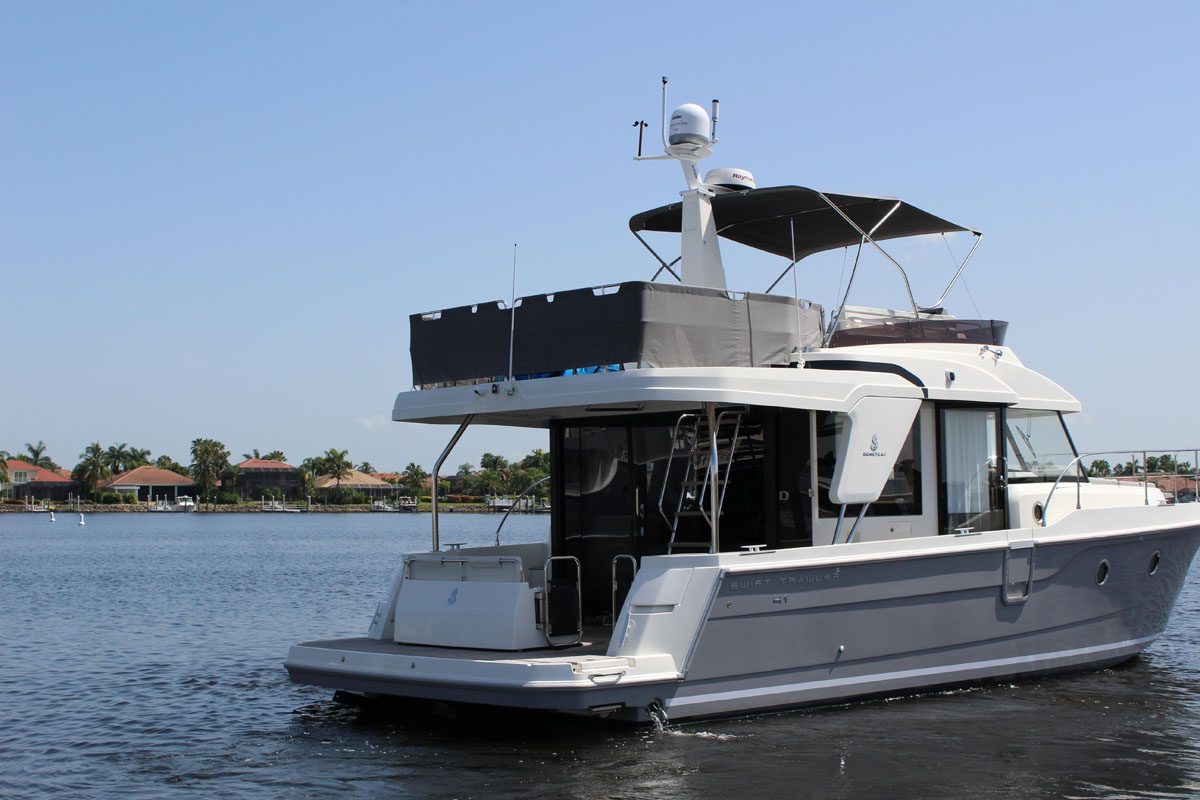
Motor yachts deliver high speed, well-appointed amenities, and stable platforms requiring no sailing expertise. They provide convenient operation, spacious interiors, and reliable schedules, appealing to groups prioritizing comfort over traditional sailing.
Motor yachts generate 87% to 90% of global charter revenue due to widespread appeal. However, deeper drafts limit shallow water access, and significant fuel consumption creates environmental concerns and additional surcharges.
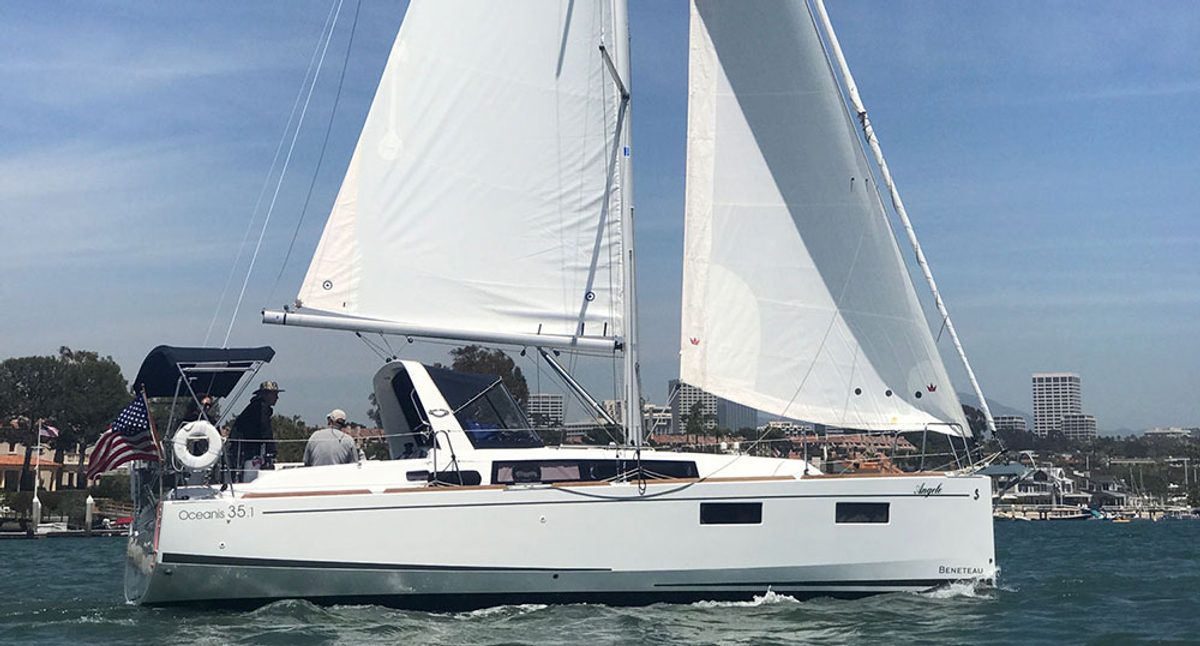
Sailing yachts rely primarily on wind power, offering eco-friendly operation and classic heeling sensations. Monohulls provide excellent maneuverability and authentic maritime experiences favored by traditional sailing enthusiasts.
These vessels travel at slower speeds of 5 to 7 knots compared to motor yachts. The steep learning curve typically requires hiring a professional skipper, and heeling motion can exacerbate seasickness for sensitive passengers.
Catamarans feature dual hulls providing exceptional stability that prevents rolling motion common in monohulls. The wide beam creates extensive deck and cabin space while shallow drafts enable access to secluded bays.
Sailing catamarans captured 73.4% of the catamaran market share in 2025, reflecting rapid adoption. Higher charter prices and complex docking procedures due to the wide beam present the primary drawbacks for this vessel type.
Charter types range from full-service crewed experiences to self-captained bareboat rentals. Crewed charters generate 62% to 82% of industry revenue, providing a turnkey experience with professional captains and hospitality staff.
First-time charterers benefit most from crewed options that eliminate operational responsibilities. Bareboat and cabin charters serve experienced sailors and budget-conscious travelers willing to share vessels with strangers.
Crewed charters include a professional captain and crew handling all navigation, meal preparation, and hospitality services. Bareboat charters require certified sailing experience allowing renters to self-captain the vessel independently without crew.
Cabin charters offer individual berth rentals on shared yachts, similar to cruise ship staterooms. Each charter type addresses different experience levels, budgets, and preferences for control versus full service.
Crewed charters maintain typical crew-to-guest ratios of 1:2, ensuring attentive personalized service throughout the journey. Professional captains handle navigation, weather monitoring, and safety protocols while crew members prepare meals and maintain vessel cleanliness.
This full-service model allows first-timers to enjoy their experience without operational stress. Crews provide local knowledge, sailing tips beginners newport beach can appreciate, and adjust itineraries based on guest preferences and conditions.
Bareboat charters suit experienced sailors holding proper certifications demonstrating competency in vessel operation and navigation. Charter companies require proof of sailing credentials, often including American Sailing Association or similar certifications before releasing vessels.
Self-captaining provides maximum freedom and typically lower costs compared to crewed options. However, bareboat charterers assume full responsibility for navigation, safety, weather assessment, and potential damages or groundings.
Newport Beach hosts diverse charter operators serving different market segments from casual harbor cruises to extended multi-day excursions. The local market features established companies with varied fleet compositions targeting specific customer demographics and budget ranges.
Competition drives service quality improvements and pricing transparency across the Newport Beach charter landscape. Operators differentiate through vessel selection, crew expertise, custom itineraries, and specialized offerings like sailing instruction or corporate events.
The Newport Beach market includes operators built around event hosting with fleets sized for large groups, alongside specialists in captained sailing and instruction. Newport Beach Sailing Charters & Yacht Rentals focuses on captained charters, sailing instruction, and regular Catalina Island crossings for guests who want an active day on the water.
Other operators concentrate on late-model motor yachts aimed at corporate clients and special occasions, or on large motor yachts over 100 feet with onboard chef service for high-end events. This range lets first-timers match an operator to the experience and budget they have in mind.
Duffy electric boats measuring 16 to 22 feet cost $299 to $795 for three to four hours. Entry-level motor yachts spanning 30 to 40 feet range from $800 to $1,200 for four-hour charters.
Sailboats and catamarans from 35 to 60 feet command $1,850 to $4,300 for four to six hours. High-end motor yachts measuring 60 to 80 feet cost $3,300 to $6,000 for four to eight hours.
| Vessel Category | Size | Typical Rate |
| Duffy electric boats | 16 to 22 ft | $299 to $795 (3 to 4 hrs) |
| Entry-level motor yachts | 30 to 40 ft | $800 to $1,200 (4 hrs) |
| Sailboats and catamarans | 35 to 60 ft | $1,850 to $4,300 (4 to 6 hrs) |
| High-end motor yachts | 60 to 80 ft | $3,300 to $6,000 (4 to 8 hrs) |
High season pricing from mid-July through August surges 50% to 70% above shoulder season rates. October offers an optimal balance between favorable weather and lower pricing compared to peak summer demand.
Additional charter expenses typically run 20% to 30% beyond base costs for fuel, gratuities, and provisioning. Industry standard crew gratuity ranges from 15% to 20% of base charter fees, while multi-day Advance Provisioning Allowances add 30% to 35%, covering fuel, food, beverages, and docking fees.
The 26-to 28-nautical-mile crossing from Newport Beach to Avalon represents Southern California's quintessential charter route. Proper planning addresses navigation through commercial shipping lanes, weather assessment, and timing to ensure safe passage.
Power yachts reach Avalon in 1.4 to 1.8 hours, while sailing yachts require 5 to 7 hours. The crossing demands respect for maritime protocols, vessel capabilities, and rapidly changing coastal conditions.
Newport Beach to Avalon spans 26 to 28 nautical miles following a 240-degree magnetic course from Bell Buoy #1. Two Harbors lies 32 to 37 nautical miles away, offering a more remote destination with fewer services.
Power yachts cruising at 15 to 20 knots complete the Avalon crossing in under two hours. Sailing yachts averaging 5 to 7 knots require most of a day, making the Newport Beach to Catalina Island timing critical for schedule planning.
The route crosses active commercial shipping lanes serving the Ports of Los Angeles and Long Beach. Vessels must cross these lanes perpendicularly while maintaining a steady course and speed to remain predictable to large ships.
Mariners should monitor VHF Channel 16 continuously and utilize radar or AIS systems for vessel tracking. Commercial traffic operates on tight schedules with limited maneuverability, making recreational vessels responsible for safe passage.
Optimal departure windows fall between 5:00 AM and 8:00 AM, capturing the calmest seas before afternoon winds build. Morning departures also provide maximum daylight for the return crossing if completing a day trip.
Crossings should be postponed if winds exceed 20 knots or wave heights surpass 6 feet. Visibility below 1 mile, common during June marine layer conditions, creates dangerous situations warranting delayed departure.
The charter-versus-purchase decision involves financial analysis, lifestyle assessment, and realistic usage projections. Industry experts recommend extensive chartering before purchasing to test different vessel types across various conditions and destinations.
Chartering provides flexibility without ownership burdens, while purchasing offers unlimited access and customization. Many buyers combine both approaches through charter management programs, offsetting ownership costs while retaining personal use periods.
Chartering allows comparison of monohulls versus catamarans and motor versus sailing yachts before committing to purchase. Testing different vessel types across multiple yacht rental guide Newport Beach locations reveals personal preferences and practical requirements.
Typical week-long charters cost $3,000 to $8,000 plus 20% to 30% in additional expenses. This predictable annual budget supports high-end experiences without six-figure capital investments and ongoing maintenance obligations.
Annual yacht operating costs typically equal 10% to 15% of the vessel's total value. Slip and mooring fees range from $3,000 to $15,000 annually, depending on location and vessel size.
Insurance costs 0.5% to 1.5% of hull value while routine maintenance consumes 2% to 3% annually. Unexpected repairs, equipment upgrades, and winter storage add variable costs that frequently surprise first-time owners.
Charter Management Programs place owner vessels into charter company fleets, generating revenue to offset ownership costs. Owners retain designated weeks for personal use while professional management handles maintenance, marketing, and guest services.
This hybrid model provides ownership benefits without full-time operational responsibilities. Revenue potential varies based on vessel type, location, and seasonal demand, with selecting the right charter company being critical to program success.
First-time charterers should prioritize safety education, vessel type selection, and realistic budget planning, including all ancillary costs. Understanding operational differences between motor yachts, sailing vessels, and catamarans ensures alignment between expectations and actual experiences.
Crewed charters provide the most straightforward entry point, removing the stress of running the boat while delivering professional service. Newport Beach's protected waters and proximity to Catalina Island create ideal conditions for building confidence and why catamarans excel for groups seeking stability and space.
Your first yacht charter represents the beginning of a lifelong maritime journey. Proper preparation transforms this milestone into a safe, memorable experience that establishes realistic expectations for future adventures.
Newport Beach Sailing Charters & Yacht Rentals has guided countless first-time charterers through this process with personalized attention and local expertise. Our diverse fleet and experienced crew ensure your inaugural voyage exceeds expectations while building skills and confidence.
Newport Beach Sailing Charters & Yacht Rentals runs private charters only, so your group is never sharing a deck with strangers. A professional captain handles the boat while you decide how hands-on you want to be, from steering the yacht to relaxing with the coastline rolling by. New charterers get a full safety briefing, local route suggestions, and an itinerary shaped around what your group actually wants to do.
Booking direct means no booking fees and a lowest rate guarantee, so the price you see is the price you pay. Call (800) 609-3203 to talk through dates and boats, or request a quote on our contact page, and we will help you plan a first charter that fits your budget and your crew.
Rates depend on the boat and the length of the trip. Electric Duffy boats start around $299 for three to four hours, entry-level motor yachts run $800 to $1,200 for a half day, and sailboats or catamarans fall between $1,850 and $4,300 for four to six hours. Plan for another 20% to 30% on top of the base rate to cover fuel, gratuity, and provisioning.
No. A crewed charter includes a licensed captain who handles navigation, weather, and docking, so you can step aboard with zero sailing background. You are welcome to take the helm and trim the sails if you want to learn, or you can sit back and enjoy the ride. Bareboat rentals are the only option that requires certification.
Bring layers, since mornings on the water are cool before the sun warms things up, along with sunscreen, a hat, non-slip shoes, and any medication you take for motion sensitivity. The 26-to 28-nautical-mile run to Avalon takes under two hours by powerboat and most of a day under sail, so pack water and snacks for the passage. Your captain will cover safety gear and stowage once you are aboard.
Mid-July through August is peak season, when rates climb 50% to 70% above shoulder pricing, and boats book up fast. October tends to offer the strongest balance of warm weather, calm water, and lower rates. Spring and early summer also work well if you want good conditions without peak-season prices.
For summer weekends and holidays, reserve four to six weeks ahead to get the boat and time slot you want. Shoulder-season and weekday trips can often be arranged with a week or two of notice. If you are planning a milestone celebration or a group outing, earlier is safer so we can match you with the right vessel and captain.