

Key Takeaways
Choosing the right Orange County yacht charter in the Huntington Newport corridor can make or break your time on the water. This stretch of Southern California coastline offers protected harbors, year-round mild weather, and scenery that ranges from wide sandy beaches to dramatic rocky coves. Whether you're comparing a boat rental Huntington Beach Newport option for a casual afternoon or evaluating premium yacht options Orange County providers for a milestone celebration, the details matter. This guide breaks down everything you need to know — from seasonal conditions and pricing to route highlights and harbor differences — so you can book with confidence.
The Huntington to Newport boat trip ranks among the most scenic day charters in Southern California. Mild year-round weather, diverse coastal landmarks, and flexible itinerary options make this corridor a strong fit for groups of every size. Whether you're planning a relaxed afternoon cruise or a full-day coastal adventure, the combination of protected harbors and open-ocean access gives you options most California charter routes can't match. From seasonal wildlife encounters to dramatic cliffside scenery, here's what sets this stretch of coastline apart from other Southern California charter destinations.
Climate is the biggest draw. Newport Beach sits in a Mediterranean weather zone that supports a true year-round sailing season. Summer highs reach 77–78 °F with virtually zero precipitation — July and August average just 0.0–0.1 inches of rain. Even winter months stay comfortable at 66–67 °F highs with light 5–10 knot winds, making off-season charters a realistic option rather than a gamble.
Newport Harbor itself is well-protected, which matters for comfort and safety. Calm interior waters give newer boaters a gentle introduction, while experienced sailors can push offshore into open swells within minutes. That combination of accessibility and range is hard to find along the California coast.
A charter unlocks coastal landmarks you simply can't experience from land. The route south from Newport Beach toward Laguna Beach passes Crystal Cove State Park, Corona del Mar State Beach, Crescent Bay, and Shaw's Cove — all visible from the water in a way that reframes their scale. Sandstone cliffs, tide pools, and secluded coves line the corridor.
The full Newport-to-Laguna stretch covers roughly 7–10 nautical miles. By motor yacht, that's a 1–2 hour cruise each way, making it an ideal half-day itinerary. Any charter comparison Orange County search will show this route as one of the most popular — and the scenery explains why.
Seasonal wildlife is a major factor. Gray whales migrate through these waters from December through April, and blue whales — the largest animals on Earth — appear during the summer months. A well-timed charter doubles as a whale-watching excursion without the crowded decks of a public tour boat.
Beyond wildlife, the route simply suits different moods at different times of year. Winter charters deliver solitude — fewer boats, quieter harbors, and a calmer pace on the water. Summer brings longer daylight hours, warmer water temperatures near 68 °F, and a lively social atmosphere across both harbors. Whether your priority is unwinding or celebrating, the corridor adapts to match.
Selecting a charter comes down to four variables: departure harbor, vessel size, charter type, and budget. Each one shapes the experience differently, so it pays to understand what you're comparing before you book. Getting even one of these wrong — launching from the wrong harbor, underestimating capacity needs, or overlooking the private-versus-shared tradeoff — can turn a premium day on the water into a frustrating one. The sections below break down each variable with direct guidance on when one option outperforms another.
Start with the harbor. Huntington Beach offers modern, well-maintained marina facilities with easy Pacific Coast Highway access and ample parking — a practical advantage if your group is driving in from inland areas. Newport Beach counters with an extensive charter fleet, numerous yacht clubs, and yacht options that Orange County visitors won't find anywhere else, from our full fleet.
Water conditions differ, too. Huntington Beach sits on more open, exposed water, which suits experienced boaters who want ocean swells. Newport's protected harbor delivers calmer cruising, making it a better launch point for families or first-time charter guests.
Choose Huntington Beach if you want easy highway access, ample parking, and open-water exposure. Choose Newport Beach when you need a protected harbor, a wider fleet selection, or beginner-friendly conditions.
Most people shop by length, but Gross Tonnage is a better measure. GT reflects internal volume — two 60-foot yachts can feel dramatically different inside depending on beam width and cabin layout. A higher GT generally means larger living areas, more headroom, and better amenity space.
Local brokers recommend a simple rule: book a yacht with a capacity 10–15% greater than your actual group size. That buffer keeps the deck from feeling crowded and gives guests room to spread out between indoor and outdoor spaces.
U.S. Coast Guard regulations set hard passenger limits. Uninspected Passenger Vessels — commonly called "6-pack" charters — carry a maximum of six paying guests. Larger uninspected vessels over 100 Gross Regulatory Tons may carry up to 12 under the "12-pack" rule. Anything beyond 12 passengers requires an inspected vessel with a USCG Certificate of Inspection.
Pricing follows the charter type. Shared or public cruises typically charge per guest, which keeps the entry cost low for individuals and couples. Private charters are priced per yacht regardless of headcount, giving your group exclusive use of the vessel and crew. For a boat rental in Huntington Beach, Newport families often compare, and the private route usually wins on flexibility and comfort.
Choose a private charter if you want exclusive use of the vessel, flexible itineraries, and control over the guest list. Choose a shared cruise when you're traveling as a couple or solo and want a lower per-person cost with a social atmosphere.
Charter costs in Orange County scale with vessel size and duration. Here's what the current market looks like:
| Yacht Type | Size (ft) | Duration | Price Range |
| Duffy Electric Boat | 16–22 | 3–4 hrs | $299–$795 |
| Entry-Level Motor Yacht | 30–40 | 4 hrs | $800–$1,200 |
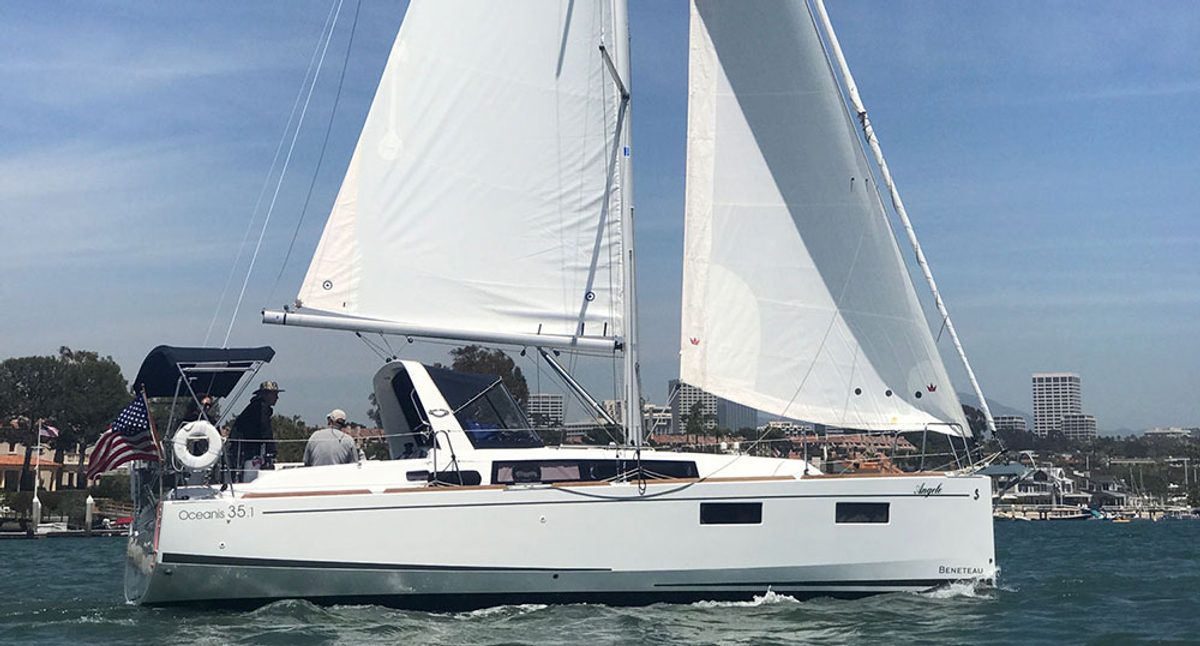
| Sailboat / Catamaran | 35–60 | 4–6 hrs | $1,850–$4,300 |
| Mid-Size Motor Yacht | 40–55 | 4–6 hrs | $1,500–$2,400 |
| Premium Motor Yacht | 60–80 | 4–8 hrs | $3,300–$6,000 |
| Mega Yacht | 100+ | Half-day | $9,157–$14,000 |
Amenities climb with price. Entry-level boats include basic seating, a small galley, and a restroom. Mid-size yachts add multiple gathering areas, improved sound systems, and climate control. At the premium and mega yacht level, expect formal dining spaces, flybridges, hot tubs, and a full water toy inventory. Note that most charters do not include catering — plan to arrange food and beverages separately or confirm what your operator permits onboard.
Not all charters are built the same. Safety standards, crew quality, and itinerary flexibility separate a forgettable afternoon from a standout experience. Evaluating these factors upfront saves you from surprises on the water and helps you compare operators on what actually matters rather than relying on marketing photos alone. The checklist below covers compliance, staffing, amenity tiers, and itinerary formats — the practical details that determine whether a charter lives up to its price tag. Here's what to check before signing.
Start with compliance. Every charter vessel should meet U.S. Coast Guard regulations. For vessels carrying more than 12 passengers, that means holding a valid Certificate of Inspection — a rigorous process covering hull integrity, fire suppression, life-saving equipment, and navigation systems. Ask to see documentation before booking, especially for larger group charters.
Vessel features also signal quality. Yachts 80 feet and above typically include stabilizers that reduce roll in open water, onboard generators for uninterrupted power, and redundant safety systems. These aren't luxury extras — they directly affect comfort and reliability once you leave the harbor.
Crew requirements follow vessel size. A standard 6-pack charter carries up to six guests and requires at least licensed captain. Crew members aboard don't count toward the passenger limit, so a captain-plus-mate setup still leaves room for six guests. Charters carrying up to 12 passengers add a mate or additional crew for both service and safety coverage.
Amenities scale predictably with yacht size. In the 30–60 foot range, expect comfortable seating, a small galley, a head, and a basic sound system — everything you need for a clean half-day outing. Step up to 60–80 feet, and you gain extensive galley space, multiple heads, improved entertainment systems, kayaks, and air conditioning. At 80 feet and above, the experience shifts to multiple staterooms with en-suite bathrooms, formal dining areas, flybridges, hot tubs, and water toys like jet skis and sea bobs. Keep in mind that most charter operators in this market do not provide catering, so plan your food and beverage arrangements independently.
Three formats dominate the Huntington to Newport boat trip market: half-day, full-day, and overnight. Half-day charters work well for casual sightseeing or a sunset cruise. Full-day bookings open up longer routes — the Newport Beach to Laguna Beach corridor is a popular choice, offering enough time to cruise, anchor, and explore before returning.
Speed and wind conditions shape your itinerary options. Motor yachts cover the Newport-to-Laguna route in roughly 1–2 hours, leaving plenty of time for stops along the way. Sailboats move more slowly and depend on conditions, though the best sailing winds blow May through September at 10–20 knots — strong enough for a satisfying ride without overpowering less experienced guests. If you're weighing an overnight charter, confirm slip availability at your turnaround point in advance, as transient moorage can fill during peak season.
Timing, planning, and knowing your priorities turn a good charter into a great one. The right season affects pricing, comfort, and crowd levels, while smart preparation on logistics and destinations keeps the day stress-free. Even small decisions — booking a few weeks earlier, choosing shoulder season over peak, or targeting the right harbor for your planned stops — can meaningfully improve both value and experience. This section covers when to go, how to prepare, and where to focus your time on the water.
Seasonal conditions along the Orange County yacht charter Huntington Newport corridor vary enough to matter. Here's a quick breakdown:
| Season | Air High (°F) | Water Temp (°F) | Wind (kts) | Rain (in) |
| Peak Summer (Jul–Aug) | 77–78 | 67.8 | 10–20 | 0.0–0.1 |
| Shoulder (Apr–Jun, Sep–Oct) | 69–77 | 59–67 | 10–20 | 0.1–0.7 |
| Off-Season (Nov–Mar) | 66–70 | 58–62 | 5–15 | 1.5–3.0 |
Peak summer delivers the warmest water, strongest sailing winds, and longest daylight hours. It also brings the highest prices and the most crowded harbors. Shoulder months — April through June and September through October — hit a sweet spot: conditions remain excellent while rates drop and availability opens up. Off-season charters are cooler and wetter but far from unpleasant, and the solitude on the water is a draw in itself.
Choose peak summer if warm water and maximum daylight are your priorities and you don't mind higher rates. Choose the shoulder season when you want strong conditions at a lower cost with fewer crowds.
Book early. Peak summer weekends and major holidays like the Fourth of July, Labor Day, and spring break fill months in advance, especially for premium vessels. If you have a specific yacht or date in mind, locking it in 60–90 days out is standard practice.
On the vessel itself, resist the urge to max out capacity. Just because a yacht is rated for 12 passengers doesn't mean 12 is comfortable. The capacity-to-comfort ratio matters — fewer guests means more deck space, shorter galley lines, and a calmer overall atmosphere. Remember that charter operators in this area typically do not handle catering, so coordinate food and drinks ahead of time to avoid day-of scrambling.
Your destination options depend on how far you want to go. Dana Point sits closer to Catalina Island, making it the better staging harbor if a Catalina crossing is on your list. Newport Beach requires a longer open-water passage to reach the island, so plan accordingly if that's a priority.
For a charter comparison Orange County visitors frequently make, Dana Point Harbor offers a relaxed, family-friendly setting and is widely regarded as one of the top whale-watching departure points on the coast. Newport Beach leans upscale, with world-class onshore dining and shopping that extend the experience well beyond the dock. Many guests build post-charter dinner reservations into the day, taking advantage of waterfront restaurants within walking distance of the harbor.
Choose Dana Point if you want proximity to Catalina Island, family-friendly pacing, or dedicated whale-watching tours. Choose Newport Beach when onshore dining, shopping, and a broader charter fleet matter more to your group.
The coastline between Huntington and Newport Beach rewards exploration. From protected coves to open-water scenic points, the stops along this corridor give your charter its character. Knowing where to pause — and what rules apply at each location — helps you get the most out of every mile. The three subsections below cover the top landmarks, the best anchorage options for different group types, and the regulatory details that affect where you can and can't stop along the way.
Three stops consistently top the list for yacht options Orange County visitors seek out. Crystal Cove State Park offers a pristine, undeveloped cove framed by bluffs — striking from the water and easy to identify from offshore. Corona del Mar State Beach provides a sheltered stretch with calm nearshore waters, making it a comfortable pause point even on windier days.
Farther south along the corridor, Crescent Bay and Shaw's Cove draw guests for snorkeling and coastal photography. Rocky formations, clear water, and minimal boat traffic create the kind of setting that makes a charter feel worth every dollar. These spots are accessible on most half-day and full-day itineraries without rushing the schedule.
Newport Harbor remains the top choice for protected anchorage. Calm interior waters and well-marked mooring zones make it ideal for newer boaters and comfortable overnight stays. If your itinerary extends south toward Laguna Beach, multiple safe anchorage points line the corridor, offering scenic views and beach access without requiring you to commit to a full harbor entry.
Your captain will know the best spots based on current conditions, group preferences, and time of day. Communicate your priorities early — whether that's a quiet cove for swimming or a scenic backdrop for photos — so the crew can plan stops accordingly.
Marine protected areas run along portions of this coastline and restrict certain activities within their boundaries. Some MPAs prohibit anchoring in specific zones, while others limit what you can do in the water. Check current California MPA maps before departure or confirm with your charter operator that your planned stops are compliant.
USCG capacity ratings also apply at all times, whether you're underway or anchored. Exceeding a vessel's rated passenger count carries legal penalties and creates a genuine safety risk. Note as well that fishing and angling are not permitted on charters operated by our company — this is a firm policy regardless of location or local fishing seasons. Your crew can clarify any additional restrictions specific to your route on the day of departure.
We operate our own fleet out of Newport Harbor with USCG-licensed captains who run these routes year-round. Every charter includes a dedicated crew, a pre-departure consultation to match vessel size and itinerary to your group, and real-time flexibility to adjust stops based on conditions. We don't subcontract boats or broker third-party vessels — when you book with us, you're sailing with us. That direct relationship means faster communication, consistent service standards, and a crew that already knows the coastline you're about to explore.
Choose Newport Beach Sailing Charters when you want a hands-on team that handles route planning, vessel matching, and day-of logistics directly. We're a strong fit for first-time charter guests who want guidance, families who need a calm harbor departure, corporate groups that require coordination, and anyone who values a crew that knows this specific coastline. If your priority is a personalized experience with transparent pricing and no middlemen, we're built for exactly that kind of charter.
If you need a mega yacht over 100 feet, a multi-day liveaboard, or a vessel departing from Dana Point or Huntington Beach, we may not be the right match. We specialize in Newport Harbor departures and mid-range fleet sizes, and we'd rather be upfront about our scope than overcommit on something outside it. We'll tell you directly and point you toward operators who can serve those specific needs — because a good referral beats a bad fit every time.
The Huntington to Newport boat trip offers something for every group — protected harbors, year-round weather, and a coastline that delivers whether you're celebrating or simply unwinding. The key is matching the right vessel, season, and itinerary to your plans.
At Newport Beach Sailing, we help you do exactly that. Whether you need guidance on yacht sizing, route planning, or booking your first charter, our team knows these waters and can match you with the right experience. Reach out to us today to start planning your next day on the water — we're ready when you are.