


Key Takeaways:
What are the benefits of booking early for a yacht charter? Early booking separates successful charters from disappointing compromises. Planning 2026 yacht adventures now secures premium vessels, preferred dates, and significant savings. Competition for peak season intensifies annually -- proactive booking prevents settling for second choices.
Here's what we cover in this guide: timing the Newport Beach charter season, choosing the right vessel while options remain open, understanding the full cost picture, personalizing your itinerary, and what to watch for in contracts before signing. Newport Beach Sailing Charters & Yacht Rentals is available to help you plan from your first inquiry through departure.
Early planning secures advantages unavailable to last-minute bookers. It combines strategic timing with informed decision-making.
The most desirable yachts book 12 or more months in advance, especially for peak seasons and holidays. Popular dates fill first. Waiting risks complete unavailability during preferred windows.
Early booking discounts range from 5% to 15% off the base charter fee. Those who plan 12 or more months ahead enjoy the widest selection of yachts, the highest potential for discounts, and the greatest flexibility in customizing itineraries. As booking windows shorten, availability diminishes and opportunities for personalization and savings decrease.
Price advantages compound beyond percentage discounts. Early bookers avoid premium pricing implemented closer to departure dates. They secure better negotiating positions and access promotional offerings unavailable during peak booking periods. Financial benefits justify advance commitment.
Early booking also provides access to a wider range of vessels, ensuring selection of boats that perfectly match group size, desired amenities, and budget. Whether you want a sleek motor yacht, a classic sailing yacht, or a spacious catamaran, booking early guarantees no compromise necessary. Large groups benefit most -- limited vessels accommodate 10 or more passengers comfortably. Travelers with fixed schedules and celebration charters for birthdays and events all benefit from acting early.
Timing determines success. Understanding booking windows prevents disappointment and maximizes value.
Book 12 months or more in advance for peak seasons and holidays to secure the most desirable yachts. This timeline ensures access to the full inventory before premium vessels disappear.
High-demand weeks create concentrated booking pressure. Memorial Day, Fourth of July, Labor Day, and Thanksgiving command the earliest reservations. December holiday charters book particularly early due to limited inventory and concentrated demand. Christmas Boat Parade and New Year's Eve charters often book 15 to 18 months ahead. Securing these dates requires immediate action, not delayed consideration.
Summer months are the most popular time for yacht charters in Newport Beach. June, July, and August dominate demand patterns. Memorial Day weekend initiates the summer season rush. Fourth of July week commands the highest premiums. Labor Day weekend closes the peak period. These dates require immediate attention for 2026 planning.
Newport Beach maintains year-round appeal with its mild climate, supporting active cruising seasons in every month of the year. Shoulder seasons (April through May, September through October) offer availability advantages with comparable weather and reduced crowds. Fall sunsets over Newport Harbor are exceptional, and cooler early-fall temperatures make longer sails and outdoor dining more comfortable than peak summer. Groups planning a summer holiday on the water should book at least 9 to 12 months ahead to secure preferred yacht availability. Winter charters feature whale watching and holiday celebrations. Spring brings ideal temperatures and marine life activity. Understanding seasonal patterns and seasonal variations helps you secure premium summer dates while keeping attractive off-peak alternatives in view.
| Charter Period | Recommended Booking Window |
| Peak summer (June-August) | 9 to 12 months ahead |
| Fourth of July or Labor Day | 12 months or earlier |
| Shoulder season (April-May, Sept-Oct) | 4 to 6 months ahead |
| Christmas Boat Parade / New Year | 12 to 15 months ahead |
| Standard off-peak | 3 to 4 months minimum |
Newport Beach is among the most popular destinations for Southern California yacht chartering, offering stunning coastline, a beautiful harbor, and vibrant marine life. Cruising possibilities include leisurely harbor cruises, coastal excursions to Laguna Beach or Catalina Island, or multi-day adventures to the Channel Islands. Weather reliability, marine diversity, and proximity to attractions all factor into destination selection.
Yacht charters suit any occasion: family sailing holidays, corporate retreats, or romantic getaways. From milestone birthdays to anniversaries, private charters provide unforgettable ways to celebrate. Family charters benefit from protected waters and kid-friendly anchorages. Corporate groups need professional settings with privacy. Friend celebrations favor social environments and entertainment options. Newport Beach accommodates all categories with offerings from harbor tours to coastal exploration.
Local discoveries offer exceptional experiences for guests who want something beyond the expected. Crystal Cove State Park provides protected anchorages with hiking access. Emerald Bay on Catalina Island delivers pristine snorkeling in clear, protected water. Corona del Mar's beaches attract families wanting easy swimming access. Charter specialists at Newport Beach Sailing Charters & Yacht Rentals can identify the right stops based on your group's interests.
Vessel selection determines comfort, capabilities, and satisfaction. Browse the full fleet before booking to see which vessel fits your group.
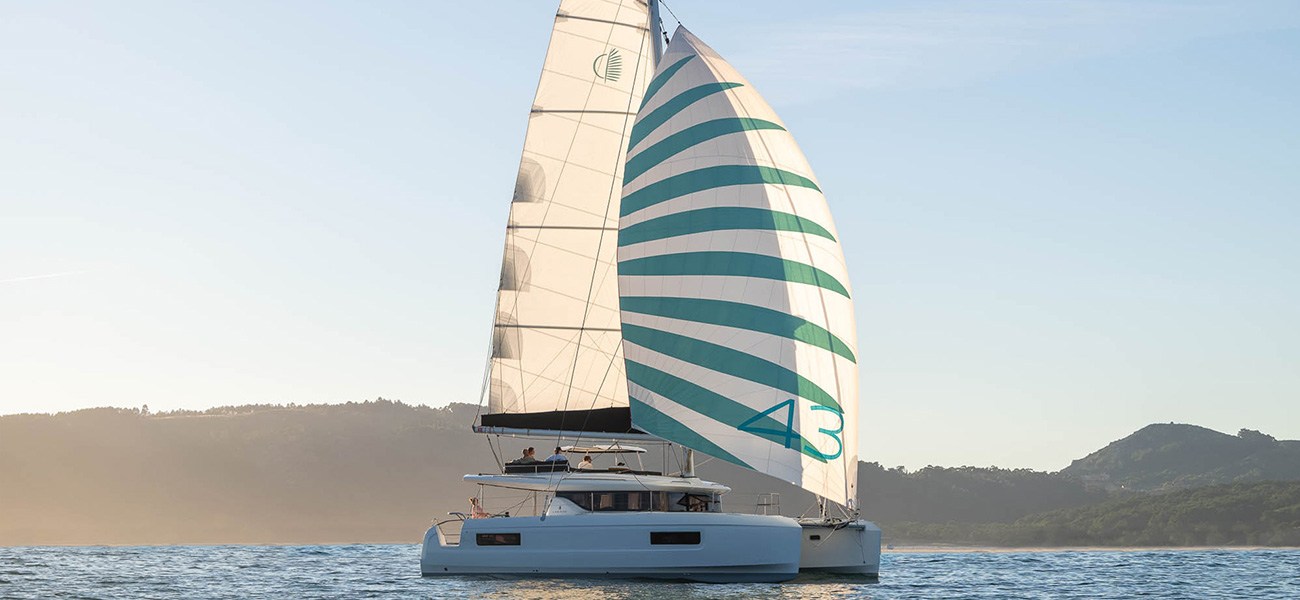
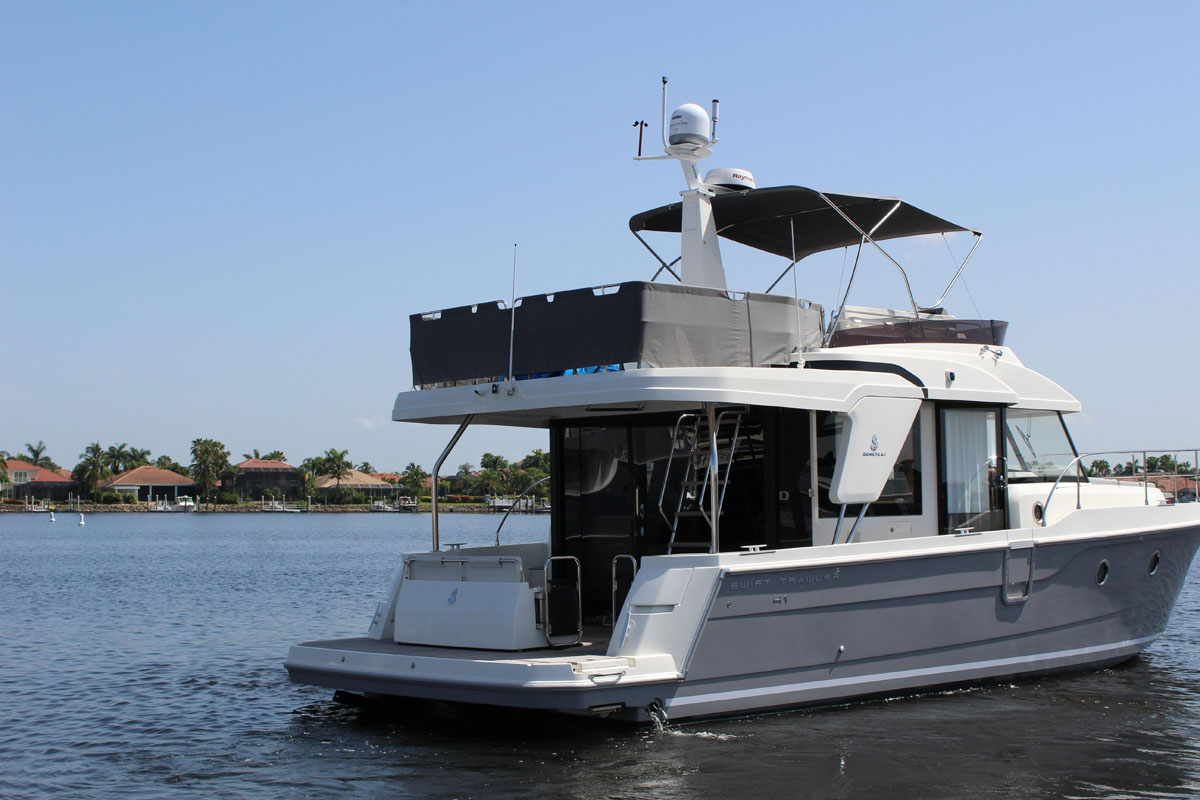
For smaller, more intimate groups, motor yachts or sailing yachts may be the right fit. For larger groups, or those seeking maximum stability and deck space, catamaran charters are the stronger option. Each of these yacht types serves different priorities: motor yachts for speed and range, sailing yachts for wind-powered maritime experience, catamarans for stability and space.
The ideal yacht depends on group size, budget, and desired amenities. Cabin configurations matter beyond simple passenger counts. Families with children need layouts that prevent late-night disturbances. Couples prefer private accommodations separated from social spaces. Corporate groups benefit from gathering areas distinct from sleeping quarters.
Many yachts come equipped with water toys and sports equipment for water sports and on-water activities. Enhanced customization allows arranging private tours, stocking provisions, and adding specific gear and experiences. Specific needs narrow available vessels significantly and should be requested at the time of booking. View individual yacht pages to see what each vessel includes.
Budget planning prevents surprises. Understanding all cost components enables accurate financial preparation.
Base charter fees cover the vessel and crew. Additional expenses include provisions, fuel, crew gratuity, and any special requests. These supplementary costs add 25 to 40% to base rates depending on usage and preferences.
Advanced Provisioning Allowance (APA) covers operational expenses and typically runs 25 to 35% of the charter fee. Fuel costs vary with usage, and many operators apply a fuel surcharge based on actual consumption -- high-speed cruising uses significantly more than leisurely touring. Crew gratuity traditionally runs 15 to 20% of the base charter fee for satisfactory service.
| Cost Category | Notes |
| Fuel costs | Vary by speed, distance, and vessel size |
| APA (Advanced Provisioning Allowance) | Covers operational expenses; approx. 25-35% of charter fee |
| Crew gratuity | 15-20% of base charter fee |
| Provisions and catering | Higher for multi-day charters |
| Port fees | Vary by itinerary and destination |
| Cancellation fees | Defined by contract; stricter for peak dates |
Early booking creates room for cost-control conversations that don't exist at the last minute. Many operators offer early booking discounts of 5 to 15% to fill their calendars in advance. Advance commitment enables negotiation leverage -- request complimentary upgrades, included provisions, or waived fees. Early bookers receive priority for added inclusions like premium water toys or extended hours. Booking directly with Newport Beach Sailing Charters & Yacht Rentals keeps all costs transparent and confirmed in writing before your charter date, with no hidden fees added after confirmation.
Systematic booking processes ensure thorough evaluation and smooth transactions. Define requirements before contacting the charter team: group size, dates, budget range, must-have amenities, and preferred activities. Clear communication accelerates the matching process.
Standard deposits range 25 to 50% of the total charter fee to secure a reservation. Balance payments typically come due 30 to 60 days before departure. Contracts specify cancellation terms, change policies, and liability provisions. Read carefully before signing.
Before signing any contract, examine cancellation policies, damage liability provisions, and force majeure clauses. Confirm what is included versus additional costs. Verify crew qualifications and vessel certifications. Peak season bookings typically carry stricter cancellation terms than off-season charters. Refund percentages decrease as departure approaches. Understand the timelines that trigger different refund levels and document all change requests in writing.
Charter cancellation insurance protects deposits and payments if covered circumstances prevent travel. Policies typically cover medical emergencies, severe weather, and other unforeseeable events. Premiums run 5 to 10% of the insured amount -- a manageable cost for protection on a significant charter investment. Purchase insurance immediately after booking to maximize the coverage period.
After booking, establish a milestone timeline working backward from departure. Three months before: confirm provisions and special requests. One month before: distribute guest information. Two weeks before: confirm final headcount and dietary needs. Systematic scheduling prevents rushed last-minute scrambling.
With more time to plan, you and the charter team can build truly personalized itineraries through deep itinerary customization. Newport Beach and surrounding waters offer a wealth of cruising grounds covering some of the most scenic coastline in Southern California. Align routes with seasonal advantages: whale watching in winter, swimming in summer, and sailing in spring and fall.
Personalized itineraries include everything from arranging private tours to stocking yachts with specific provisions and activities. Popular restaurants require reservations months ahead, especially during peak season. Shore excursions and private tours book early. Celebration details -- birthday arrangements, anniversary surprises, special provisioning for dietary restrictions -- need advance coordination. Corporate events and team building regattas benefit particularly from early planning, as crew rotation formats, catering timing, and participant coordination all require lead time.
For group charters, poll members on date ranges before booking. Identify hard constraints versus preferences. Select dates maximizing participation even if some compromise is required. Designate a single point person handling communications to prevent information fragmentation. Set RSVP deadlines that force decisions and enable planning progression. When assigning cabins, place families with young children near each other and couples in quieter areas.
Every week of delay narrows the options. The vessel that perfectly matches requirements may book tomorrow. Premium dates disappear quickly and hesitation costs opportunities. Decisiveness separates successful bookings from regretful compromises.
Underestimating total costs creates financial stress mid-charter. Additional expenses beyond base charter fees -- provisions, fuel, crew gratuity, and special requests -- accumulate quickly. Budget 25 to 40% above the base charter fee to cover realistic total expenses comfortably.
Rigid schedules eliminate the spontaneity of discovering hidden coves, extending enjoyable anchorages, or adapting to weather. Build itineraries with breathing room. Schedule key activities but leave unstructured time for unexpected opportunities. Trust crew recommendations for adjustments. The most memorable charter moments often arise from flexibility rather than strict adherence to detailed plans.
For final steps: reconfirm vessel availability, crew assignment, and itinerary details 60 days before departure. Verify final payments processed correctly. Review provision orders for accuracy. Confirm all special requests documented properly. Verify travel arrangements coordinating with charter timing and confirm any shore excursion bookings. Understand the operator's substitution policies so that if original vessels become unavailable, you know what acceptable alternatives look like before signing off.
Early bird yacht charter planning delivers real advantages: broader vessel selection, preferred date availability, cost savings, and time to build an itinerary that reflects what your group actually wants. The benefits compound the further ahead you plan, and they erode quickly once peak season demand sets in.
Newport Beach Sailing Charters & Yacht Rentals offers private, captained charters on a fleet of sailing yachts, catamarans, and motor yachts. Transparent pricing, no booking fees, and charter specialists who know Southern California waters are ready to help you put together the right trip.
Call (800) 609-3203 or request a quote here to confirm your vessel and 2026 dates before they are gone.
How far in advance should I book a yacht charter for summer 2026 in Newport Beach? For peak summer dates (June through August), booking 9 to 12 months ahead is the standard recommendation. Fourth of July week and Labor Day weekend often commit even earlier due to concentrated demand. Shoulder season charters (April through May and September through October) are generally fine with 4 to 6 months of lead time, though earlier booking still provides better vessel selection and more room for itinerary customization.
What costs should I plan for beyond the base charter fee? Standard additional costs include fuel (which varies by speed and distance), Advanced Provisioning Allowance (APA) at roughly 25 to 35% of the charter fee, crew gratuity of 15 to 20% of the base fee, provisions and catering for multi-day charters, and any port fees applicable to your itinerary. Budget 25 to 40% above the base rate as a planning figure to cover these components comfortably.
Can I still customize the itinerary if I book six or more months in advance? Yes, and early booking makes customization more achievable, not less. With several months before departure, the charter team can align your route with seasonal conditions, confirm spots and secluded anchorages, arrange catering, and coordinate any shore activities requiring lead time. These details are harder to manage when booking happens close to departure.
What vessel type is right for a group of eight to twelve people? Lagoon catamarans accommodate this group size well. Their wide deck, stable dual-hull design, and spacious below-deck cabins make them a practical fit for groups of 8 to 12 on both day charters and multi-day voyages. Motor yachts and monohull sailing yachts are better suited to smaller groups. Contact the charter team to confirm which vessels match your group size and preferred dates.
What should I look for in a cancellation policy for a peak-season booking? Review the refund schedule carefully, particularly the thresholds that trigger reduced refunds as departure approaches. Peak season bookings typically carry stricter terms than off-peak charters. Understand at what point deposits become non-refundable and whether change fees apply. Consider charter cancellation insurance to protect your deposit against covered circumstances, and keep written records of all modifications to the booking.